8 Old-World Towns to Visit in Georgia
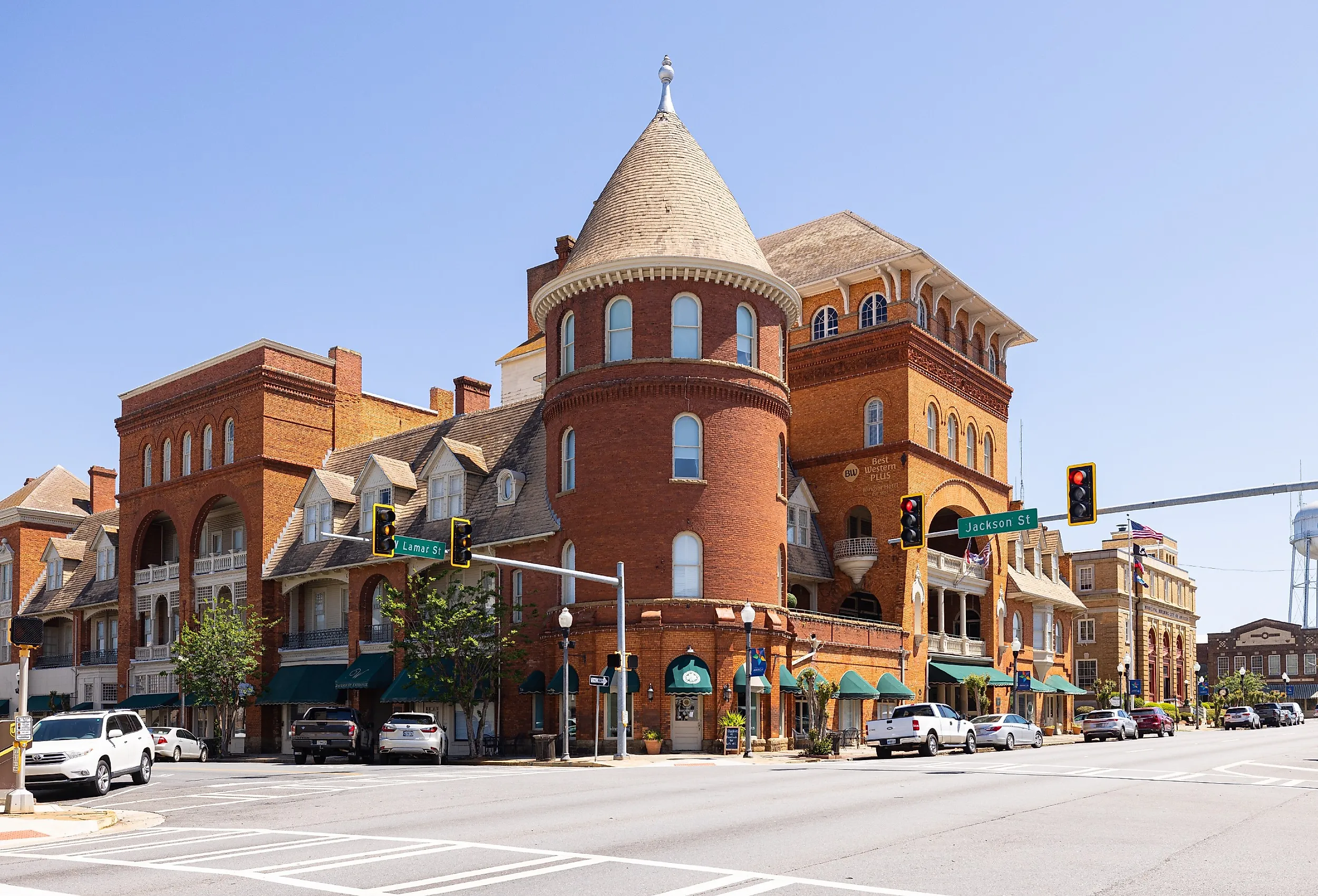
As one of the original 13 colonies and the fourth state to join the Union, Georgia has a profound history that is evident in its old-world towns. Some of the state's best-kept secrets are hidden in historic gold-rush towns like Dahlonega, and in Thomasville, a towering oak tree has stood since approximately 1685. Americus adds another layer of charm with the 1892 Windsor Hotel, a Victorian landmark known for its chandeliers and carved golden oak. If this sounds like your kind of getaway, these eight Georgia towns offer architecture and stories that feel far older than the modern world around them.
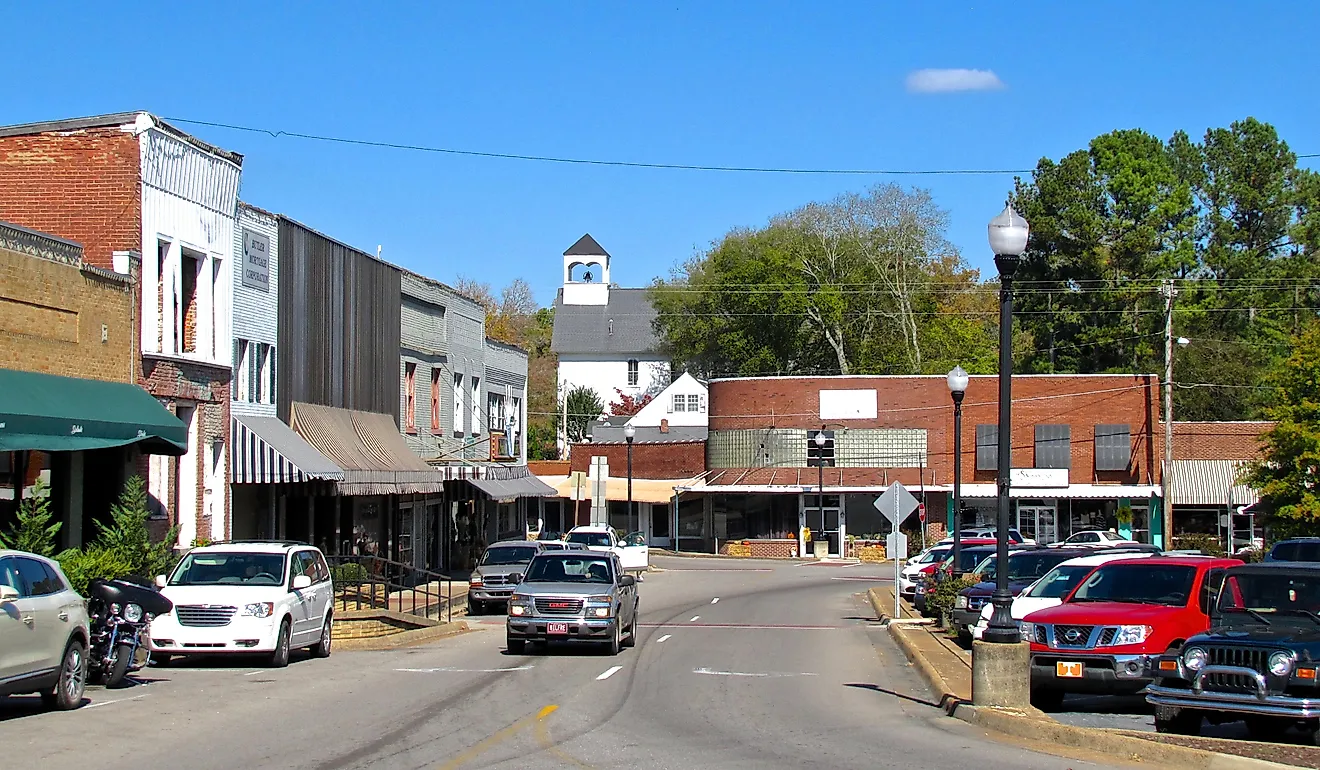
Eatonton

Eatonton was founded in 1807 following the Revolutionary War and officially incorporated as a city in Georgia in 1879. Today, there are roughly 6,500 residents. The town has several museums that share different aspects of its history, including the Old School History Museum, Georgia Writers Museum, and Uncle Remus Museum, Eatonton also has preserved elements of its Native American history, which visitors can see in sites such as the Rock Eagle Mound, a stony formation shaped like a bird that Native Americans built, now listed on the National Register of Historic Places. Located along the Historic Piedmont Scenic Byway, visitors can also go for a beautiful drive, passing through National Forests, rivers, historic houses and buildings, and more.
Thomasville

Thomasville was founded in 1825 and named after Jett Thomas, an American General who served in the War of 1812. Today, the town has a population of nearly 19,000 residents. A great place to start exploring is the Thomasville History Center, which features artifacts, photographs, and seven historic buildings that immerse visitors in the town’s past.
One notable historic site is the Lapham-Patterson House, a Queen Anne-style home built in 1885, famous for its unique design that lacks any square rooms. Other significant landmarks in the area include the All Saints Episcopal Church and the Power of the Past Museum.
However, the oldest landmark in Thomasville is not manmade. The Big Oak tree, which dates back to around 1685, has a limb span of over 165 feet and a trunk circumference of more than 26 feet, making it a must-see natural attraction for visitors.
Rome

This Rome may not be in Italy, but it offers plenty of history and architecture to explore, with roots dating back to its founding in 1834. The Chieftains Museum & Major Ridge Home is an important site to visit; it was once home to the influential Cherokee leader and now honors the area's Indigenous heritage and the cultural conflicts leading up to the Trail of Tears. Other significant historic landmarks include the City Clock Tower, one of Rome’s most iconic structures, the Admiral Towers Plaza, dedicated to Admiral John Henry Towers, the Father of Naval Aviation, and the Freedom Garden, which honors the former Civil Rights Movement demonstrators in Rome. AdventHealth ECO Greenway is a wonderful place to enjoy an afternoon after touring some historic sites, featuring a riverfront trail system that connects the historic downtown area to parks, shops, and restaurants.
Dahlonega

People began flocking to Dahlonega in 1829, following the first documented discovery of gold in the area. Today, visitors can appreciate its rich mining history and cultural heritage through a variety of attractions, including the Consolidated Gold Mine, which is about 200 feet underground. Crisson Gold Mine is another popular mining attraction, featuring an open-pit gold mine that functioned from 1847 until the 1980s. Visitors can even pan for their own gold after touring the mine and mill. Other historic landmarks include the Mt. Hope Cemetery, established in 1833, the 1884 Lumpkin County Jail, and the Dahlonega Gold Museum. Besides its history, Dahlonega is also near several gorgeous waterfalls that travelers can visit, including Amicalola Falls, DeSoto Falls, Raven Cliff Falls, and Dicks Creek Falls.
Watkinsville

Watkinsville has a documented history that dates back to 1791, when it was named after Colonel Robert Watkins. It was once known as one of the country’s most dangerous and uncharted frontiers. Today, the town has approximately 3,000 residents and is just a 15-minute drive from the historic city of Athens, Georgia.
Visitors can begin their stay at the Oconee County Welcome Center, housed in a 1790s house. The Oconee Cultural Arts Foundation features an art gallery that showcases the town’s cultural heritage, including local, regional, and national art exhibitions. Additionally, visitors can kayak down the Oconee River, allowing them to imagine themselves exploring the 18th-century frontier.
Americus

Although Americus originated as a small courthouse town, it experienced a boom in the mid-19th century with the arrival of the railroad. Today, the city has a population of about 15,500 residents. One of the town’s best-preserved historic landmarks is the Rylander Theater, which dates back to the early 20th century and offers periodic tours as well as live shows throughout the year. The Windsor Hotel is another site, a Victorian-style hotel from 1892, featuring luxurious chandeliers, marble floors, and carved golden oak. The Souther Field Airport is also a point of pride for Americus, where Charles A. Lindbergh once bought his first airplane in 1923. After a busy day visiting Americus’s sites, visitors can unwind at Thirteenth Colony Distilleries, which offers small-batch, handcrafted distilled spirits on-site.
Hartwell

Hartwell, founded in 1854, is named after the Revolutionary War heroine Nancy Morgan Hart. Today, the town has a population of around 4,500 residents. The Hart County Historical Society and Museum delves into the life of Nancy Hart and the history of Hartwell with artifacts donated by local residents. The museum is housed in a stunning Victorian-style home built in 1881.
Downtown Hartwell features a variety of historic buildings that visitors can explore on foot, and the district is designated as a Georgia Main Street City. Additionally, Lake Hartwell is one of the town's most popular recreational spots, where both residents and tourists enjoy activities like canoeing, sailing, boating, and jet skiing.
Brunswick

The Province of Georgia officially established the town of Brunswick in 1771, and it became a city in 1856. Today, Brunswick has approximately 15,000 residents. In recent years, the historic district has been undergoing renovations to better preserve its history. Notable historic landmarks include the Old City Hall with its iconic clock tower, the Historic Ritz Theater, which was built in 1898, and a variety of 19th-century homes showcasing diverse architectural styles such as Jacobean, Queen Anne, Gothic, and Italianate. As a coastal city, Brunswick is located along the Golden Isles beaches and is known for its stunning sunsets. The Brunswick Landing Marina is the perfect spot to enjoy the view!
Over the years, the small towns of Georgia have preserved the state's history through their unique architecture, museums, and galleries. Whether you are interested in Revolutionary War history, Victorian architecture, or aviation landmarks, each town presents a distinct chapter in Georgia’s story. So, the next time you are in the mood for a journey through time, consider visiting one of these eight towns, no time machine required!