7 Welcoming Towns to Retire in Germany
Known as Deutschland and the Father Land by many, this relatively modern country was founded on land spanning thousands of years of history and inhabitation. Kingdoms have both risen and fallen—empires have thrived and crumbled—but what remains constant is Germany's famed beauty. Whether that is its rolling green hills of Hochsauerlandkreis or the deep green forests in Bavaria, the towns of Germany surrounded by its impeccable beauty continue to draw many to this day. Germany is the perfect place to quietly settle down, and it is home to the most welcoming towns to retire.
Burg auf Fehmarn

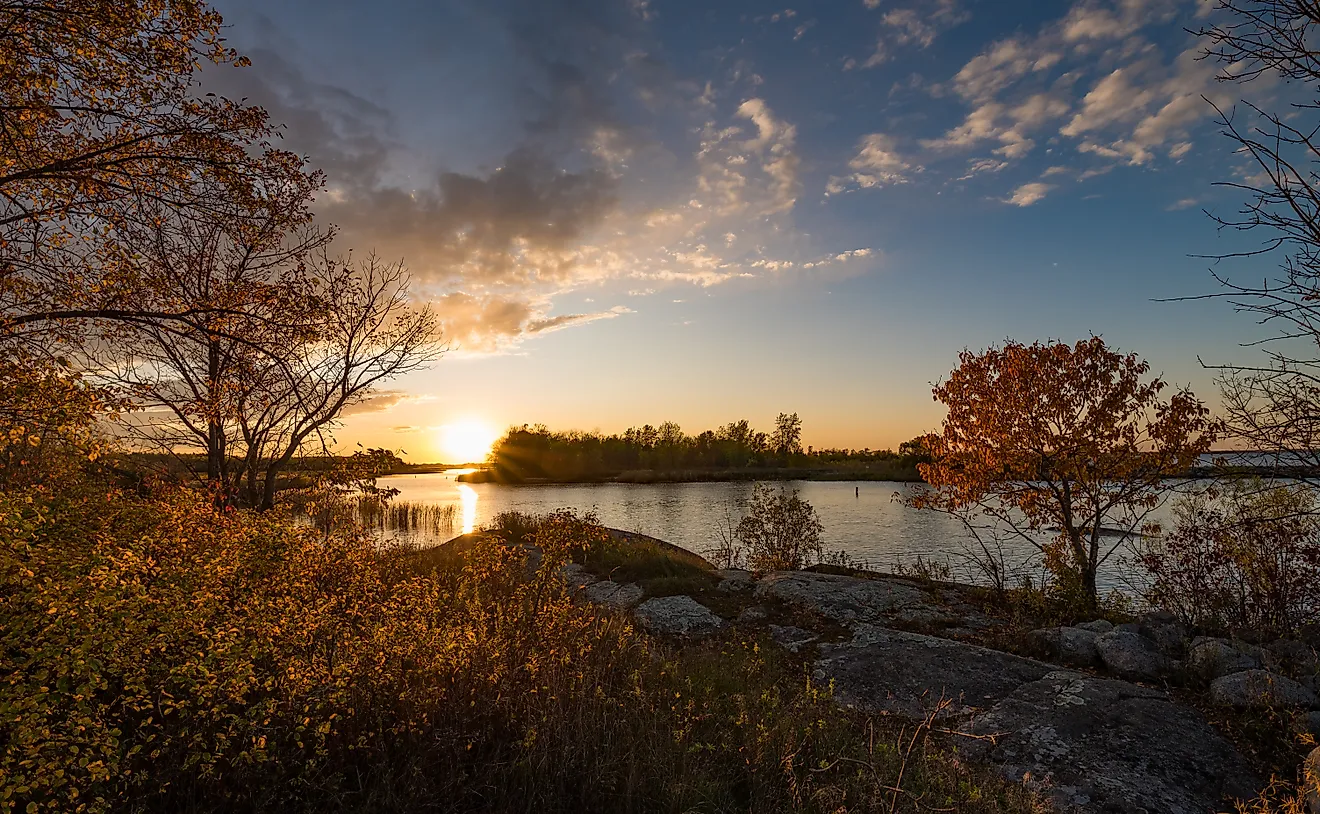
On a small island halfway between the German mainland and Denmark, Burg auf Fehmarn sits cozily as a perfectly preserved town filled with ancient architecture, fields of flowers, and plenty of sunshine. Though Burg auf Fehmarn, being the largest town on this tiny island, has only about 6,000 inhabitants from a 2021 estimate, there is no doubt that you will appreciate its surreal beauty.
Burg on Fehmarn offers a range of activities and entertainment options, including the well-known indoor zoo, Schmetterlingspark Fehmarn. This popular local attraction is a cozy space filled with butterflies and reptiles, providing a calming experience. The indoor zoo reflects Burg's identity as a museum town. Nearby attractions like Galileo-Wissenswelt Fehmarn and the quirky Brandung near the shore add to the town's charm. Overall, Burg is a place that fosters a relaxed, meaningful lifestyle rather than boredom.
Yet what makes Burg auf Fehmarn a great place to retire specifically? Burg simply is a well-rounder: it has a hospital in town (AMEOS Klinikum Fehmarn), a moderate to moderately high range of rent expenses (3,000~ euros a month), with all the scenic views of the Baltic Sea in between.
Mittenwald

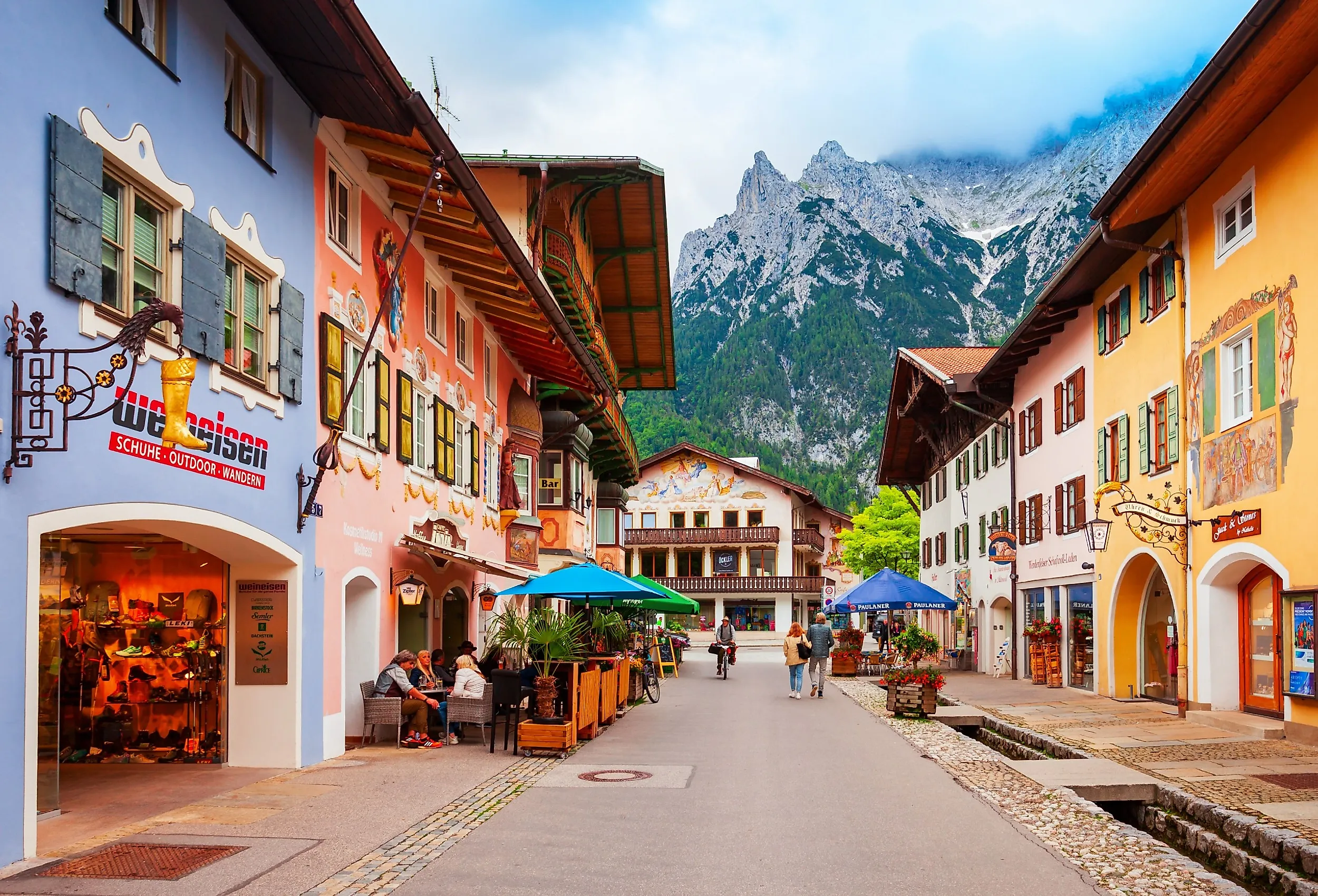
Nestled in the Bavarian wilderness among Alpine snow-capped peaks and lush valleys, Mittenwald is renowned for its stunning mountain views and its history of making some of the world's finest musical instruments. As the home of the historically esteemed and widely regarded best instrument-makers in Europe, the Klotz family, Mittenwald embraces the Klotz tradition as a core part of its Bavarian identity. This heritage has transformed the town into a shining beacon in the music world, almost revered as a sacred site for musicians of all kinds.
Mittenwald is not just a one-dimensional destination; its surrounding area offers breathtaking scenery that can enchant for a lifetime. The Leutaschklamm canyon, for example, offers a stunning hike through mountains and forests, with the snow-covered peaks of the Alps in the distance. In particular, Mittenwald's old town features many historic buildings from a past era, still in use today, often run by families, with museums on almost every corner. One prominent museum highlighting Mittenwald's musical heritage is the Geigenbaumuseum, dedicated to the craft of making wooden musical instruments.
Rottach-Egern

Rottach-Egern, a town nestled by the dark blue shores of Lake Tegernsee, looks like something out of a fairy tale. Located at the bottom of a basket-shaped valley, it attracts many hikers, locals, and tourists who take the trolley up to Mount Wallberg to enjoy panoramic views of fields, cliffs, and forests below, stretching down to the Rottach Waterfall. The nearby lake offers numerous opportunities for sunbathing and cooling off in its cold waters.
Few towns boast the diverse biomes that Rottach-Egern offers, making it a magnet for wealthy families and individuals seeking a tranquil lakeside retreat at the foot of a mountain. As a result, property prices here often reach into the millions of euros.
The town also has the necessary modern amenities, such as a medical clinic (Medicum Tegernsee Medical Center) and a nearby hospital (Privatklinik Jägerwinkel) in Bad Wiessee. For those with the means to live a life of luxury and quietude, Rottach-Egern is a solid pick.
Rothenburg ob der Tauber

A true holdover from the Middle Ages, Rothenburg ob der Tauber has a mere 11,000 people walking its cobblestone streets, nearly double from its medieval population status of 6,000 a few centuries ago. Today, while Rothenburg ob der Tauber is known for its celebration of medieval life and tourism, it is also a great place to live.
Since the town is steeped in its long history, places like the Medieval Crime Museum showcase the macabre and fascinating aspects of everyday medieval life, including various forms of torture, interactive displays, and more. For those wishing for a more artistic experience of pure expression, however, the town is also home to a prime piece of art on display at Saint Jakob's Church near the heart of the town. A complete Gothic cathedral, the altarpiece is half a century old, depicts a scene from the Bible, and was masterfully crafted by Germany's finest woodworker, Tilman Riemenschneider.
In addition to its niche and culturally rich atmosphere, the town has easy access to a nearby medical facility, the ANregiomed clinic in Rothenburg ob der Tauber.
Gengenbach

Gengenbach, a small town nestled between expansive, lush valleys, appears more like a rural community than its medieval counterparts. With a population just over 11,000, it is less touristy, but still offers many unique attractions. The Historische Altstadt, the renowned town center, is lined with historic shops that have been around for generations, as well as museums, offices, cafes, and all the essentials for a laid-back, enjoyable life.
A more mature, and perhaps in line with German culture, the well-known distillery is around the corner. Family-run and operated, the Brennerei & Weingut Wild is surrounded by vineyards and the greenery of the Black Forest Mountain range. Indeed, with all available in this tiny haven, rent prices are in a moderate range of around 2,000 euros and above.
Bad Wimpfen

With fewer than 7,000 residents, this historic resort town, whose name means 'bath' in German, is nestled among tall grasses and meadows fed by the winding Neckar River. It is home to the stunning Wimpfen Imperial Palace, a popular site offering guided tours led by knowledgeable locals in costume. Clearly, Bad Wimpfen is admired as a charming, historic town by the water, though it remains less known to tourists.
Aside from the Imperial Palace, Blauer Turm, the town center, is the beating heart of Bad Wimpfen, filled with luxurious gastropubs (such as Weinstube Feyerabend), other eateries, museums, antiques, and a myriad of other historic buildings and key points of interest. In Bad Wimpfen, all worth visiting is within walking distance of Blauer Turm, and keeping this in mind, the nearby medical center, Ärztezentrum, and the town's soft, welcoming atmosphere are best rooted in its promotion of a luxurious lifestyle.
Dinkelsbühl

Dinkelsbühl is the main town, linked to three districts: Alstadt, Grillenbuck, and Schelbuck. Although they are close, each remains distinct, yet they gradually blend together at Dinkelsbühl's center. The town's population is around 13,000, making it feel small despite its many attractions and activities.
The stunning St. George Church, a 15th-century masterpiece, honors the saint who defeated a cunning, extorting dragon. Today, the church functions more as a historical capsule and attracts both religious and secular visitors. Although no dragons remain to be slain, remnants of a medieval moat are visible at Bäuerlinsturm, a 16th-century tower that has become a town symbol along the Wörnitz River and offers tours.
But Dinkelsbühl's appeal lies in the fact that one can actually buy properties there, despite the high cost. Properties around 1 million euros, with classic architecture one might expect in a borderline ancient German town; the difference is in the modern interiors. Pair this with a top-notch hospital in town (ANregiomed Klinik Dinkelsbühl), and the town becomes yet another historic and luxury pick for the soon-to-be retiree.
Germany boasts a wide variety of unique towns, each with its own strengths and charms. Every town offers something that appeals to seniors—be it their proximity to the Alps or central flatlands, a medieval heritage, or an artistic and musical history, all of which are truly exceptional. While some may draw crowds occasionally, nothing beats a tourist experiencing a place's beauty not just once, but every day. So, what price can be placed on something so invaluable? Venture out and explore the most welcoming communities across Germany.