7 Old-Timey Mining Towns In Michigan
Michigan’s mining heritage lives on in a handful of rugged, old-timey towns where history clings to every run-down storefront and abandoned shaft. Scattered across the state, especially the storied Upper Peninsula, these communities once boomed with the promise of copper, iron, and fortunes buried deep underground. Today, they stand as captivating reminders of grit, ambition, and the rise-and-fall cycles that shaped America’s industrial frontier.
Together, they invite tourists to step back in time and explore a landmark period that shaped the state's destiny. From exploring abandoned mines in Hancock to browsing mining museum artifacts in Calumet, these old-timey mining towns in Michigan promise an unforgettable journey through time full of delightful surprises.
Calumet

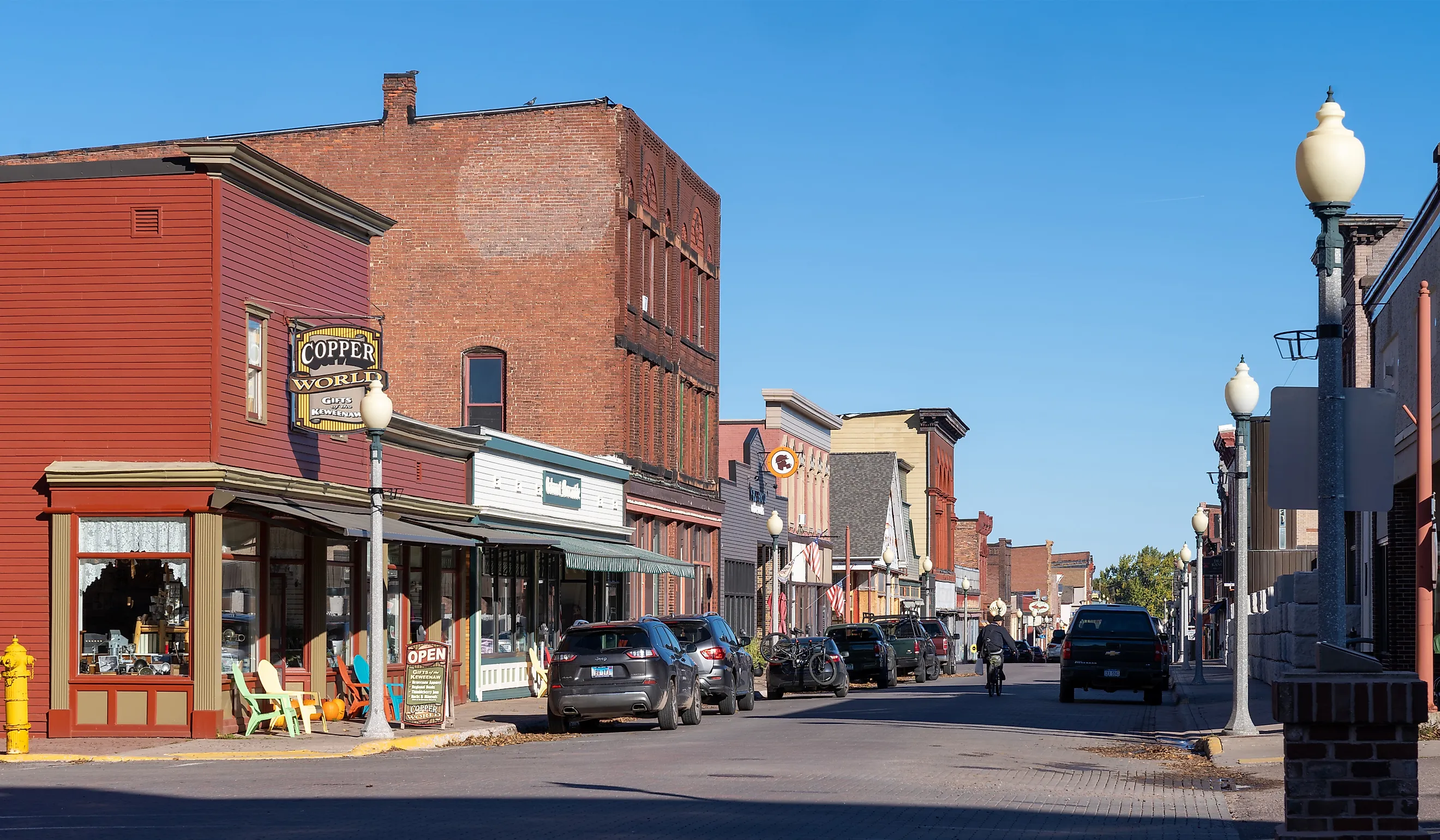
This low-key village in the Upper Peninsula once served as a hub for the copper mining industry in Michigan. Calumet was the epicenter of the Keweenaw copper boom in the late 1800s, when companies like Calumet & Hecla Mining Company dominated the industry. Today, the town preserves memories of its one thriving mine at the Keweenaw National Historical Park. This heritage site pays tribute to the heydays with a visitor's center, a museum, and guided tours into the defunct mines.
Calumet has evolved into a vibrant artist haven, attracting fans from the surrounding region with a repertoire of engaging stage presentations at the Calumet Theatre, featuring plays, concerts, and more inside an elegant 1900s venue. The historic downtown district also houses gems like Shute's 1890 Saloon. This landmark tavern serves artisanal cocktails and local beers in an authentic Victorian setting. Meanwhile, winter travelers can take advantage of snow sports fun at the Swedetown Nordic Ski Trails, including snow biking, sledding, and skiing.
Hancock

Hancock was a direct consequence of the Keweenaw copper rush, founded by the Quincy Mining Company in 1859. Its economy thrived on the shoulders of establishments like the Quincy Mine and Hancock Mine, with the former operating for almost a century. Tourists can take a guided tour of the remains of Quincy Mine to explore the region's history at the on-site museum and enjoy a tram ride into the mining shafts. Besides mining history, Hancock showcases its colorful culture at the Copper Country Community Arts Center, which features art galleries, art classes, workshops, and programs for the young and old.

Furthermore, the Finnish American Heritage Center welcomes guests for an immersive cultural experience, where they can explore a diverse collection of archives and artifacts or attend events geared towards preserving and promoting Finnish-American heritage. Ardent outdoorsmen can access a 443-acre playground along the Lake Superior shoreline at F.J. McLain State Park for recreational activities such as hiking, camping, fishing, windsurfing, and hunting.
Houghton

Houghton is a quintessential copper mining town and owes its beginnings to rich copper ores discovered in the Keweenaw Peninsula in the mid-1800s. This led to a boom in the 1860s that drew speculators into the town and the establishment of a school to teach mining engineering. Visitors today can get a glimpse into this rich mining heritage at the A.E. Seaman Mineral Museum, which exhibits a vast collection of Michigan and Great Lakes minerals. The Carnegie Museum of the Keweenaw takes a broader look into the region's past through changing exhibits that document natural and cultural history.

Those who gravitate towards nature can plan a tour of the Nara Nature Park, which spans 100 acres of trails, a sledding hill, and a boardwalk, ideal for hiking, skiing, cycling, and snowshoeing. The park also features the Pilgrim River, and Keweenaw Boat Tours offers guests a fun way of exploring the town from the water with unforgettable cruises.
Copper Harbor

Copper Harbor is one of the most famous old-timey mining towns in Michigan, and played a pivotal role in the nation's first major copper rush in the 19th century. It served as a key hub for mining operations in the region and boasts a heritage intertwined with copper extraction, mine establishment, and attracting prospectors. Curious historians can get a feel for local heritage at the Astor House Museum, whose rich artifact collection highlights various past eras, from the early settler period to the copper mining boom.

Copper Harbor has transformed into a major tourist hub, attracting sightseers interested in witnessing its heavenly outdoor scenery at Hunter's Point Park. This 9-acre sanctuary spoils guests with unprecedented Lake Superior Views. A short hike inland brings you to Manganese Falls, a breathtaking 100-foot cascade dramatically surrounded by a box canyon and lush vegetation.
Eagle Harbor

This Keweenaw County community has deep ties with the copper mining boom in the region and served as an important shipping point, with copper coming from nearby mines. Its proximity to the lucrative Central Mine allowed Eagle Harbor to contribute significantly to the copper trade. Today, the Eagle Harbor Light Station stands as a true testament to the town's longstanding maritime heritage, dating back to the height of mining activities in the area. The Eagle Harbor Life-Saving Station and Museum sheds light on hundreds of rescues conducted in the region and critical community heritage.
Beyond the fascinating history, tourists can enjoy tasty baked goods, jellies, jams, and rich coffee at The Jampot. Lastly, those planning to spend the night can book a stay at the rustic Dapple Gray B&B and Antiques.
Iron Mountain

Iron Mountain got its name from the rich iron ore that was once found in its vicinity in the early 1800s. This discovery led to the town's founding and resulted in a thriving economy with the establishment of the Chapin Mine. Today, it has evolved into a bustling tourist hub, offering world-class skiing and golfing opportunities at Pine Mountain Ski & Golf Resort. The Braumart Theater is proof of Iron Mountain's upscale arts, culture, and entertainment scene. It hosts an impressive lineup of performances, embracing all forms of art to the amusement of excited audiences.
Laid-back hangouts like Greenleaf Sports Bar & Grill contribute to a delightful nightlife in downtown, offering a spot for guests to enjoy a cold drink, listen to live music, and watch the latest sports. Visitors seeking an outdoor escape will feel liberated at Lake Antoine Park, which provides a serene waterfront oasis with shady picnic areas, peaceful trails, and two boat landings.
Ishpeming

Ishpeming is another historic iron mining town that rode on the successes of the 1800s mining boom in the Upper Peninsula. It experienced a population explosion during this time, with many of its residents employed by the iron ore mines. Today, tourists are drawn by a variety of attractions, including the U.S. Ski and Snowboard Hall of Fame & Museum. This magnificent facility pays tribute to individuals who have influenced the growth of the sport. A whimsical collection of outdoor exhibits amuses vacationers at Da Yoopers Tourists Trap and Rock Shop, whose catalog features the world's largest working chainsaw.
Ishpeming offers abundant outdoor opportunities at Al Quaal Recreation Area. This vast past hosts ski trails, baseball fields, basketball courts, picnic areas, hiking routes, and playground equipment for a wholesome experience.
Whether investigating the rich copper mining history of Houghton or discovering the successful iron mining heritage of Iron Mountain, these old-timey mining towns in Michigan take visitors back to a critical era in America's industrial rise. Their preserved architecture, immersive museums, and resilient community stories reveal the ingenuity that powered the growth of the United States. Exploring these towns not only honors the workers who shaped the region but also reminds travelers of the transformations that shaped them into the popular tourist hubs they are today.