7 Best Towns in Italy For Retirees
Italy offers a wide range of retirement options shaped by varied landscapes, long histories, and living costs that are often more manageable outside major metropolitan areas. Smaller towns can offer access to everyday services, local culture, and transportation links without the congestion found in Italy’s largest cities. Retirees also benefit from the Italian National Health Service, known as the SSN, which provides public healthcare nationwide. While coverage is consistent across regions, the availability of specialists and hospital services can differ between rural communities and larger population centers. Understanding these differences helps retirees choose locations that balance lifestyle preferences with practical considerations such as medical access, transportation, and cost of living.
Orvieto

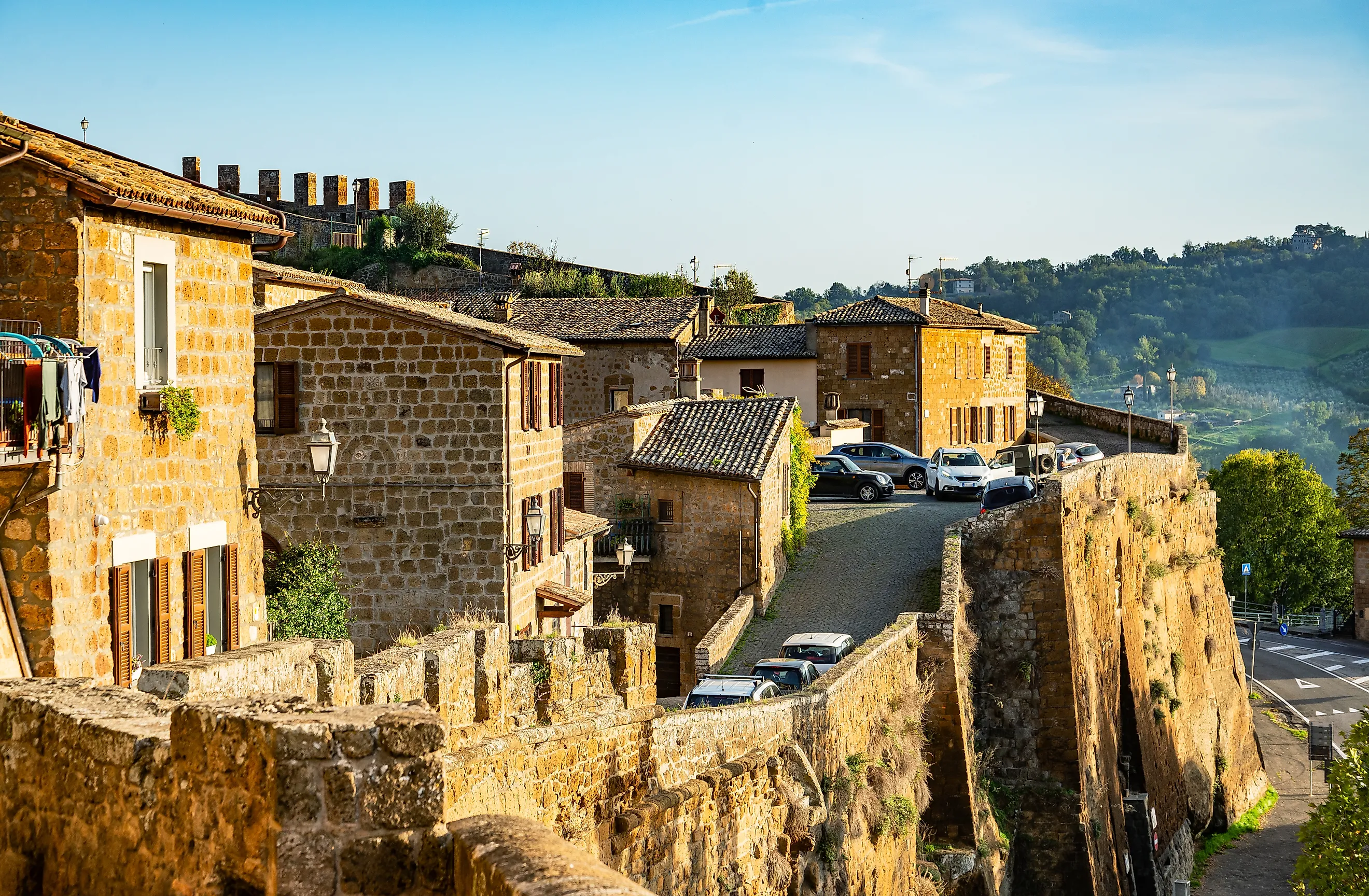
Perched on a volcanic plug in Umbria, Orvieto offers a slower pace of life and lower everyday expenses than large cities like Rome, while still allowing residents to conveniently take a train to the capital for shopping or sightseeing. The town is walkable, with a funicular linking the station area to the historic center. Orvieto has local medical facilities that handle routine care, and residents also rely on larger hospitals in nearby cities for more specialized treatment. This setup allows retirees to live in a compact historic setting while maintaining access to broader regional services.
Things to see and do: Visit the Duomo di Orvieto, known for its detailed façade and interior decoration. Explore the Orvieto Underground, a network of caves and tunnels connected to Etruscan and medieval history. Spend time in Piazza della Repubblica and nearby streets with cafés, shops, and local food and wine.
Pacentro

In the Abruzzo region, Pacentro is a medieval hill village with mountain views and a population under 1,000, appealing to retirees who prefer a close-knit community. Daily costs, including housing and food, are generally lower than in larger Italian towns. Pacentro does not have a major hospital, but residents commonly use medical services in nearby Sulmona, where full hospital care is available. This arrangement is typical of smaller villages in the region and works well for those comfortable with short drives for healthcare needs.
Things to see and do: Tour the Castle Cantelmo-Caldora overlooking the village. Join excursions into Majella National Park for hiking and wildlife observation. Attend local festivals that support long-standing village traditions.
Chiavari

Located on the Ligurian coast, Chiavari combines a seaside setting with the services of a medium-sized town of around 27,000 residents. The local climate benefits from Liguria’s coastal conditions, and daily amenities are readily available. Healthcare access includes facilities in Chiavari and the nearby hospital in Lavagna, which is accessible by train. This makes it possible to live in a coastal town while remaining connected to regional medical services and transportation networks.
Things to see and do: Walk along the lungomare and beaches along the Italian Riviera. Visit civic buildings and churches near the arcaded streets of the historic center. Shop for produce and regional foods in Chiavari’s markets and specialty shops.
Cefalù

On Sicily’s northern coast, Cefalù is a compact town of roughly 14,000 residents with a medieval center and a long-established beach area. Living costs are often lower than in major mainland cities. Residents have access to local healthcare facilities for routine needs, while full hospital services are available in the Palermo area. This balance allows retirees to enjoy coastal living without giving up access to larger medical centers.
Things to see and do: Visit the Duomo di Cefalù, a Norman cathedral with notable mosaics. Walk through the historic center and along the seafront areas overlooking the Tyrrhenian Sea. Spend time at Spiaggia di Cefalù and dine at local seafood restaurants.
Pitigliano

Pitigliano, in southern Tuscany, is a hill town set on tufa cliffs and known for its long history. The cost of living is generally lower than in Tuscany’s larger cities. The town is home to an integrated medical center that provides local healthcare services. For hospital care, residents often travel to nearby towns such as Orbetello or Grosseto, where full inpatient facilities are available. This arrangement reflects the town’s smaller scale while maintaining access to regional healthcare.
Things to see and do: Explore the Jewish Quarter, often called “Little Jerusalem,” with its synagogue and rock-carved lanes. View Medici-era structures, including the aqueduct shaping the skyline. Use the town as a base for visits to nearby thermal areas such as the Saturnia hot springs.
Castellabate

Castellabate, in Campania’s Cilento area, is a coastal commune with fewer than 10,000 residents divided between a historic hilltop borgo and seaside districts. Living costs are relatively moderate compared with larger coastal towns. Castellabate offers clinics and basic medical services, while residents typically travel to hospitals in the Salerno area for specialized or advanced care. Travel times are longer than in urban areas, which is an important consideration for retirees planning long-term healthcare needs.
Things to see and do: Visit Castello dell’Abate and walk through the old hill town. Spend time in Santa Maria di Castellabate and nearby seaside areas with beaches and promenades. Enjoy local cuisine focused on seafood and traditional Campanian dishes.
Ostuni

Ostuni in Puglia, known as the “White City,” has roughly 30,000 permanent residents. The historic center favors walking due to narrow streets and compact blocks. Ostuni has local healthcare facilities that address routine needs, and residents use full hospitals in nearby towns such as Brindisi for more comprehensive care within the SSN system. This setup allows residents to live in a historic setting while remaining connected to regional medical infrastructure.
Things to see and do: Walk through the centro storico with whitewashed houses and hillside views. Visit the cathedral at the highest point of town. Take short trips to nearby beaches and olive groves, where masserie offer olive oil tastings.
Settle Into Italian Life

Retiring in Italy does not require chasing postcard scenery or headline destinations. The towns discussed here reflect places where daily needs are manageable, communities are established, and regional connections matter more than novelty. For retirees willing to look past major cities, these locations offer stable services, familiar routines, and a way to settle into Italian life without turning everyday living into a logistical project.