6 Charming Old Railroad Towns In Illinois
If the railroad had never arrived in Illinois, with the Northern Cross Railroad linking Meredosia with Jacksonville, the state would look a lot different today. It would likely have remained a sparsely populated region with little to no economic growth. Those who stayed would have had to rely on stagecoaches and canals for transportation, which is far slower than the rail network that sprang up over the years. Fortunately, the 19th century saw rail lines carving paths across prairies, connecting settlements and allowing more towns to be established. Many of these charming old railroad towns still exist throughout Illinois, offering incredible stories and equally incredible natural beauty. When you travel through the following railroad towns, you will quickly see what makes each one of them so special.
Rochelle

The town of Rochelle is located at one of the most famous railroad intersections in America. Originally called Lane, the town became a key rail crossing in the mid-1800s when lines of the Chicago & Iowa Railroad intersected with those of the Air Line Railroad. This location helped propel the town’s growth, earning it the nickname ‘Hub City.’ Rochelle was incorporated in 1868 and remained an important rail town as freight rail expanded. Two major Class I railroads still cross here, making the town one of the busiest rail intersections in the country.

It is no wonder, then, that ‘train spotting’ is still so popular in Rochelle today. People flock to Rochelle Railroad Park to watch the trains come and go from the observation area. This has become such a fun pastime that a gift shop, picnic areas, and other amenities have popped up in and around the park. For a day in nature, head to the Rock Cut State Park, around 40 minutes from Rochelle. There are several hiking trails to enjoy here, and you can birdwatch along the way. If you want to get out on the water, the Kishwaukee River is 30 minutes away and perfect for fishing and canoeing.
Kewanee

Kewanee is known today as the Hog Capital of the World, but it got its start as a small settlement near a railroad stop in 1854. The arrival of rail service helped Kewanee grow into a regional center for agriculture and industry. Farmers used the railroads to ship livestock and crops, which attracted manufacturers who needed dependable transportation. Eventually, Kewanee focused strongly on industrial activities, allowing the town to expand.
If you visit the town in 2026, you can walk through the Kewanee Historical Society and Museum, where you will find fascinating historical artifacts and exhibits. You can also visit the Kewanee Boiler Corporation Tower, a towering remnant of the city’s industrial heritage. At Windmont Park, you can stroll around the lake before having a picnic on the shore. If you want to go on a proper hike, the Johnson Sauk Trail State Recreation Area covers 1,300 acres and features several hiking trails. You can also camp overnight, fish, and go boating on the 58-acre lake.
Elizabeth

Charming Elizabeth existed before the railroads arrived in the area, but a regular rail service gave it new economic life. Elizabeth was once a frontier settlement until the Chicago Great Western Railway connected it to regional trade networks. This event helped encourage locals to look beyond subsistence farming. Elizabeth was incorporated in 1868, and the railway arrived in the late 1870s, allowing the town to regularly send and receive mail and goods. Still, the town never really grew, but remained relevant even as populations in surrounding areas declined.
Today, there are fewer than 700 permanent residents in Elizabeth, but the town is very popular with history enthusiasts and those who want to have unique small-town experiences. You can visit the Great Western Railroad Museum to see the different historical displays or pass through Paul’s Vintage Bicycle Museum. This quirky museum is filled with rare and vintage bikes that have been meticulously restored. For more history, stop by the historic Apple River Fort, where you can learn more about the 1832 Blackhawk War. You can stroll along the Apple River or settle in for a couple of hours of fishing.
Chenoa

Chenoa was designed with existing rail services in mind. The town was founded in 1856 and laid out at a specific location where rail lines were expected to intersect. This expectation came to life, and the railway ensured that Chenoa became a shipping point for grain and agricultural goods. Merchants jumped on the chance to build businesses near the tracks while farmers used the railroad to move their crops to market. Chenoa was formally incorporated in 1869, and the railway passenger service eventually declined. But even in 2026, the town’s layout still highlights its railway origins.
Chenoa lies at the point where U.S. Route 24 and Route 66 cross, 110 miles southwest of Chicago and 190 miles northeast of St. Louis. You can stop by the Route 66 Highway Marker for a selfie or two and to enjoy a picnic in the designated area. You can also explore the Chenoa Historical Society before taking a short 55-mile road trip to Eagles Landing Park, which offers an observation tower and wildlife views.
Geneseo

Geneseo bloomed fast after the railroads reached the town in the early 1850s. The railway linked Geneseo to Chicago and the Mississippi River trade routes, making it easier for the economy to expand and the population to grow. A variety of people settled in Geneseo thanks to its newfound prosperity. These included investors, professionals, and merchants. The town was incorporated in 1865, with the railroad influencing nearly every aspect of daily life, including job opportunities and building styles. In 2026, many of Geneseo’s railroad-era buildings still stand, inviting visitors to explore them.
In addition to viewing the 19th-century homes in Geneseo and booking a night’s stay in the Central Schoolhouse Inn, you can also see permanent displays and unique presentations of history at the Geneseo Historical Museum. As you take a stroll through Geneseo’s streets, keep an eye out for the murals presenting the town’s past and present. At the nearby Hennepin Canal, you can go paddling or hiking while taking in the historic waterway that has been listed on the National Register for Historic Places.
Princeton

Princeton is another town that existed before the railroad, and the rail service eventually helped it become a civic and agricultural center. The railway linked Princeton to critical markets that supported education, commerce, and farming. Rail access quickly expanded, and the town attracted both businesses and workers. The town was incorporated in 1884, and more commercial districts were developed near the railway tracks.
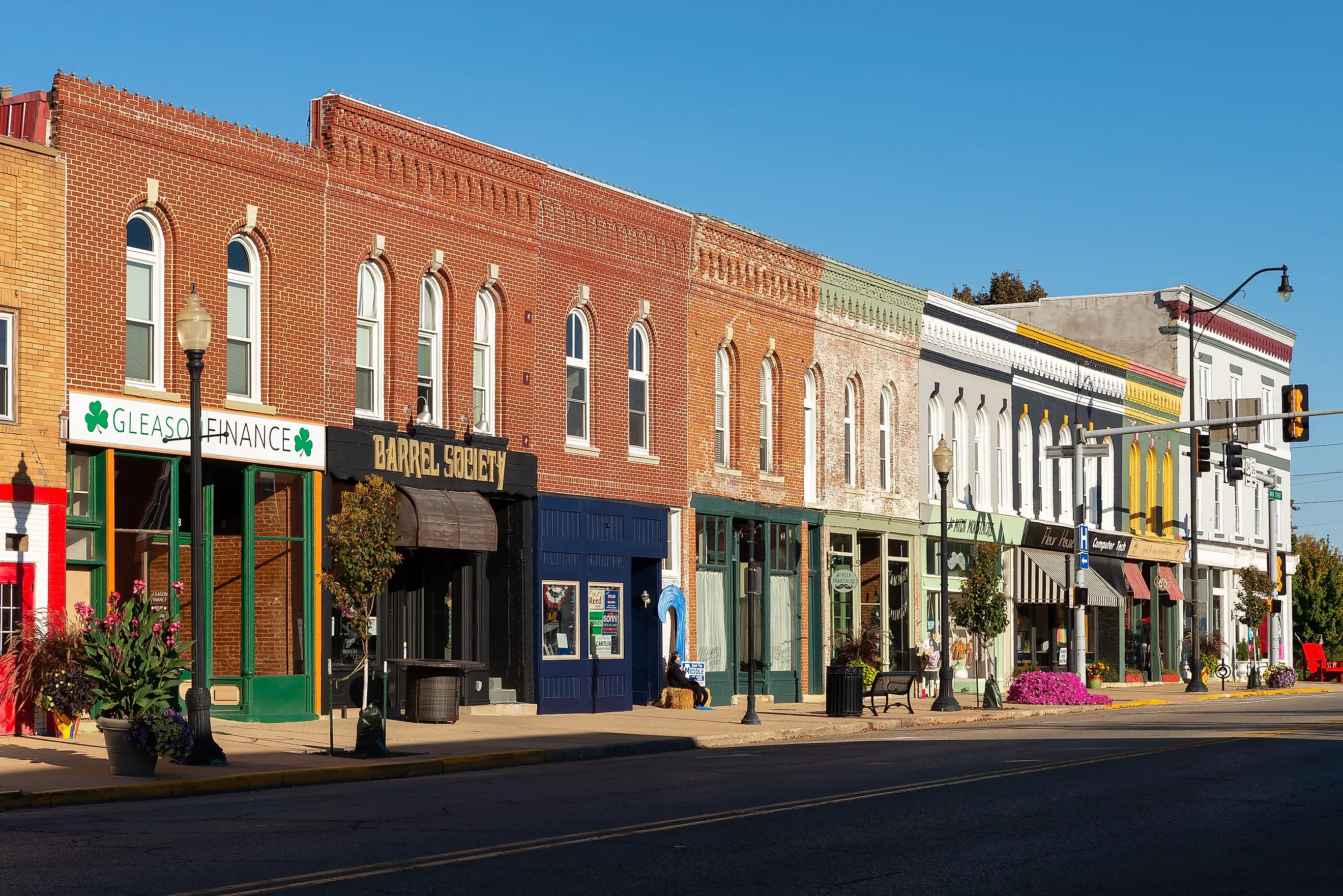
Taking the Amtrak to Princeton is an apt way to kick off your visit to this charming railroad town. You can catch a movie at the Apollo Theatre (a new release or an arthouse film), which was built in 1882. Afterward, you can get an ice-cold craft beer at Barrel Society. Other places to explore in Princeton include the Bureau County Historical Society and History Center, and Zearing Park, where you can play soccer and have a picnic. There is also a private pond for fishing.
Railroad Towns Make Memorable Stops
A trip to a railroad town is more than just a weekend away or a much-needed vacation. You will see how each town helped its residents settle down and build a life, mostly thanks to the arrival of railroads. Illinois towns incorporated during the railroad era mostly enjoyed sustained growth, and when train travel declined, they preserved their history and pivoted to tourism and other industries. In each town, you will experience the possibilities of the past and present for yourself. You will also find a warm welcome and most likely experience a strong urge to extend your journey through this beautiful part of the country.