5 Old Mill Towns To Visit In Virginia
One of the first parts of the United States to be settled by Europeans, Virginia has no shortage of historic landmarks. Few, however, can tell the story of everyday lives of the past quite as well as the old mills that still stand along the state’s creeks and rivers.
From the 1700s through the early 1900s, water-powered grist mills were at the very heart of countless communities across the Shenandoah Valley and the Blue Ridge foothills, grinding wheat and corn into flour and cornmeal for local families and distant markets alike. Today, Virginia is home to some of the best-preserved historic mills in the eastern United States, several of them still using traditional water-powered methods that were standard two centuries ago.
Millwood

There’s no need to guess how Millwood came by its name. Completed in 1785, the Burwell-Morgan Mill became the center of the small commercial settlement that grew around it. Still functioning, it’s one of the oldest operational grist mills in the country and makes for a wonderful excuse to visit Millwood.
Owned and operated by the Clarke County Historical Association, Burwell-Morgan Mill is open to visitors most weekends. Saturdays, though, are the best days to visit. It’s then that volunteer millers engage the gears of the mill’s 20-foot interior wooden waterwheel to grind local corn into meal and grits using the building’s original French buhr stones. Buy a bag or two to take home with you and pack a picnic to enjoy this incredibly picturesque setting along Sprout Run.
Across from the mill, the Locke Store has served the community for 200 years and now operates as a gourmet deli and wine shop. And if antique shopping’s your thing, Red Schoolhouse Antiques is fun for a browse. As for when to visit, spring sees the Art at the Mill show attract artists and enthusiasts from across the state.
Edinburg

The destruction of the Shenandoah Valley's agricultural infrastructure during the Civil War saw countless mills, barns, and granaries across the region destroyed. Known simply as "The Burning," the Union’s attempt to deprive the Confederate States of their “breadbasket” farming region left most of the Valley's milling capacity in ruins. Most… but not all.
Just how the Edinburg Mill survived remains a bit of a mystery. But survive it did. Built in 1850 on the banks of Stony Creek and one of the most historically significant structures in the Shenandoah Valley, the mill remained in continuous operation until 1979. Eventually purchased by the Edinburg Heritage Foundation, it’s now home to the Shenandoah Valley Cultural Heritage Museum and is a must-visit tourist attraction.
Highlights include three floors of exhibits covering the history of the mill, the town, and the surrounding farming community. Much of the mill's original inner workings remain visible as you explore, and the on-site theater shows a fascinating film about the wartime destruction of the Valley. The mill's ground floor is home to the Edinburg Mill Restaurant and Heritage Mill Wines 1848 wine shop.
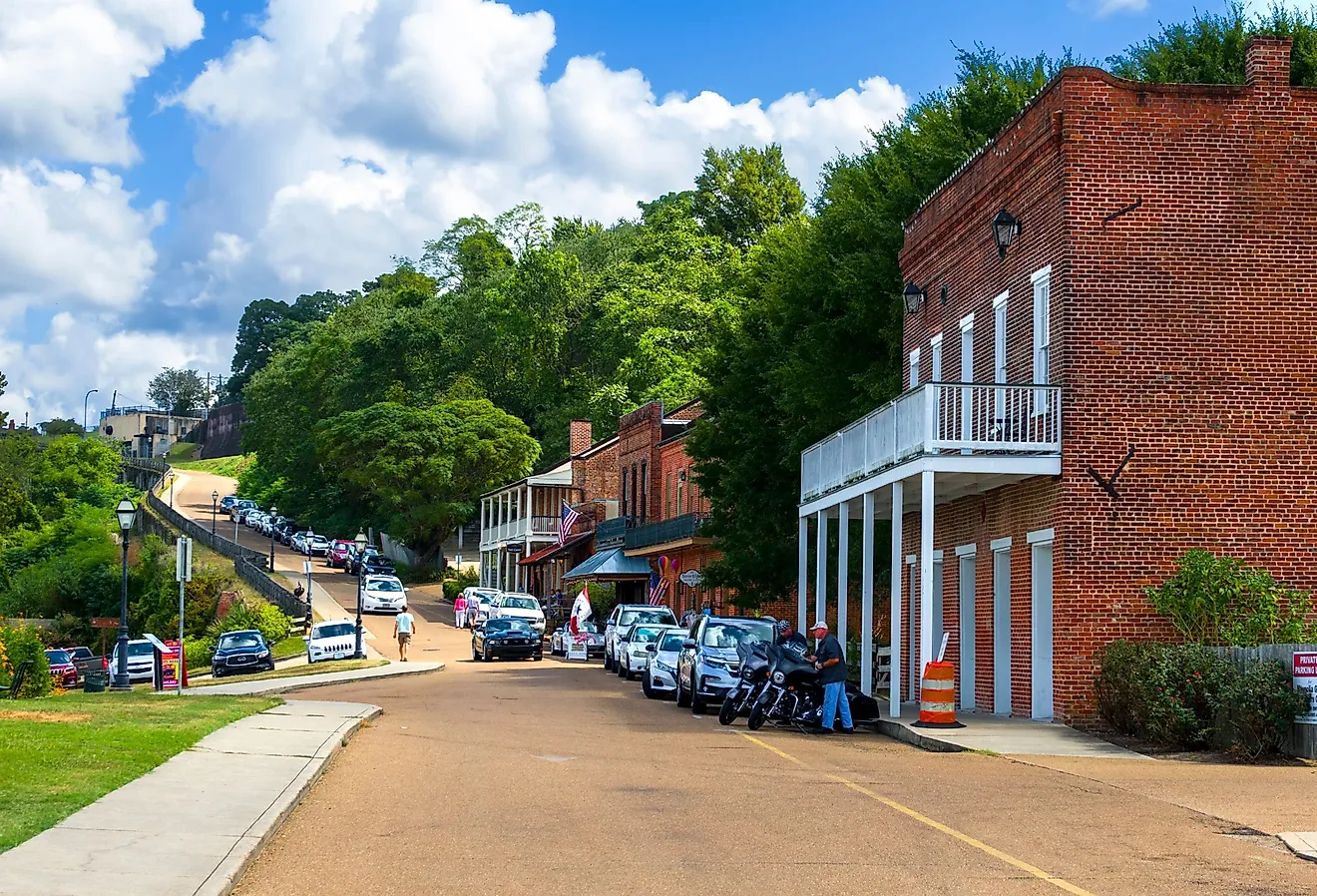
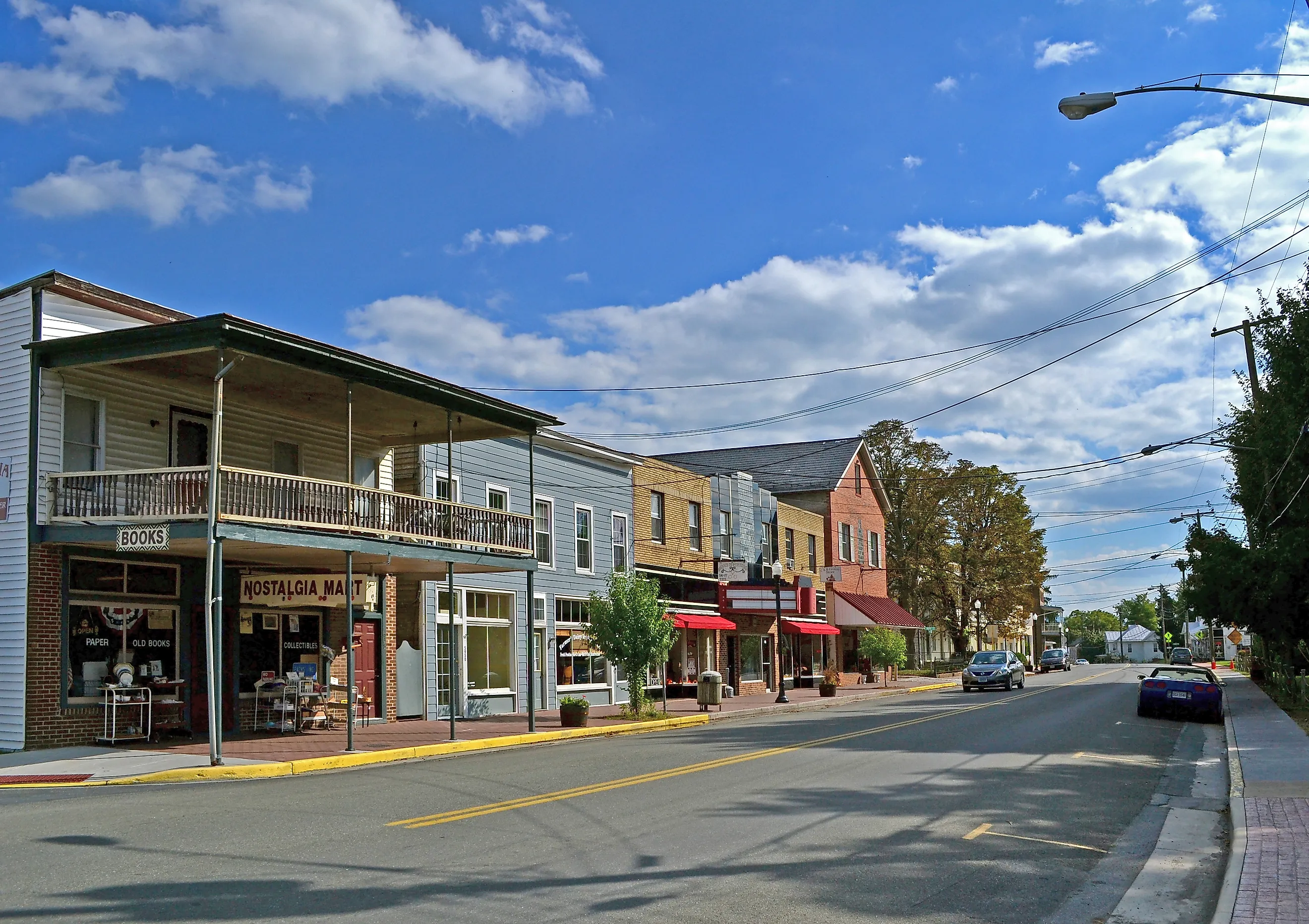
The town of Edinburg has clung on to its old-time character, with restored houses and storefronts along Main Streetbeing fun to explore. A great time to visit is during the September’s Ole Time Festival with its quirky bed races, beard contests, and old-timers' basketball game. The 204-foot-long Meems Bottom Covered Bridge, one of the longest in Virginia, is a short drive away, and Shenandoah Caverns is less than 10 minutes south.
Lexington

Settled in 1778 and named after the Massachusetts town where the first shots of the American Revolution were fired, Lexington is found at the southern end of the Shenandoah Valley. It was here that the Maury River provided water power for a network of mills, furnaces, and forges that drove the local economy for well over a century. The most significant of these sites is Wade's Mill, located about 12 miles north of Lexington in the community of Raphine.
In use by 1750, Wade's Mill is Virginia's oldest continuously operating commercial grist mill and still grinds grain using a 21-foot waterwheel. Pay a visit, and you can tour the building, watch the traditional milling process, and afterwards browse the gift shop for stone-ground products like Bloody Butcher Cornmeal and Wapsie Valley grits.
The milling connection runs deep at Cyrus McCormick Farm, too. Famous as the birthplace of the inventor of the mechanical grain reaper in 1831, the farm is now managed by Virginia Tech and preserves several original buildings, including the family's 1822 brick manor house, a blacksmith shop, and a log cabin gristmill. Tours are available.
Back in Lexington, Miller's House Museum does a good job pulling together the region’s industrial history, including the role of its grist mills. Built in the early 1800s, Miller's House is open to visitors on weekends.
Luray

Though now best known for its magnificent caverns, Luray first earned a place on the map for its water-powered milling. Willow Grove Mill is a superb surviving example of this history. Located on Hawksbill Creek, this five-story timber frame building dates to the 1870s when it replaced a log mill that was burned in 1864 by Union troops.
The “new” Willow Grove Mill is certainly impressive. Clad in red weatherboard and topped by a gambrel roof, its steel overshot waterwheel is still in place. Milling machinery from the late 1800s and early 1900s survives inside, including a separator, bran duster, rolling mills, and flour packers, all of which produced flour from 1885 through 1943. It’s very photo-worthy, as is the mural of Willow Grove Mill in downtown Luray.
In addition to visiting the magnificent Luray Caverns, there’s plenty else to do in Luray, too. The Luray Valley Museum, included with your Luray Caverns admission, displays artifacts from the 1750s to the 1920s in a reconstructed 19th-century farm village. In addition to a blacksmith shop and a meetinghouse, there’s also one of Virginia's oldest surviving African American one-room schoolhouses, built in1885.
Abingdon

You’ll find the pretty small town of Abingdon at the southwestern tip of the state. One of Virginia's oldest towns, it’s also one of its most culturally rich. Founded in 1778 and named for Martha Washington's ancestral home of Abingdon in England, it became a major distribution point on the Great Road West and an early center for the arts.
The town's connection to milling is preserved at White's Mill, located about three and a half miles from downtown Abingdon. Dating to the mid-19th century, it’s one of the oldest water-powered grist mills in Southwest Virginia. Highlights of a visit to this quaint two-story structure include seeing its original Fitz waterwheel and gears; an onsite shop sells stone-ground cornmeal and grits produced using traditional methods.
While you’re in the area, don’t pass up the chance to visit Abingdon Historic District. Buildings here date from the late 18th century through to the mid-20th century, among them The Tavern, built around 1779 and once having hosted President Andrew Jackson. The Martha Washington Inn and Spa, a former women's college converted into a luxury hotel, is a great place to stay. Fun horse-drawn carriage rides can be booked here that take you back to the days when horses (and water) powered the colonies.
Virginia's Mill Towns Are Worth the Detour
Virginia's old mill towns provide an excellent way to discover how the state grew from humble settlements and farm communities into the nation’s early industrial powerhouse. These communities have turned the state’s industrial roots into a compelling reason to visit, offering road trippers the rare chance to experience what life was like in the country’s early years. So, get out there and have fun, learn something new… and pack a bag of authentic stone-ground grits to take home with you.