5 Breathtaking Alpine Towns In Arizona
Arizona is typically known for its desert heat, but winter is still evident in the state's highest elevations. Towns within the White Mountains, the San Francisco Peaks region, and the Catalinas receive frequent snowfall, and there is active tourism during the cold season, with a variety of ski hills to try. Destinations such as the Arizona Snowbowl and Mount Lemmon Ski Valley offer amazing ski hill options, not just small novelty runs. In addition, these towns do not shut down when temperatures drop. They serve skiers and visitors who want a mountain setting without leaving the state. Uncover five breathtaking alpine towns in Arizona where winter actually feels like winter.
Flagstaff

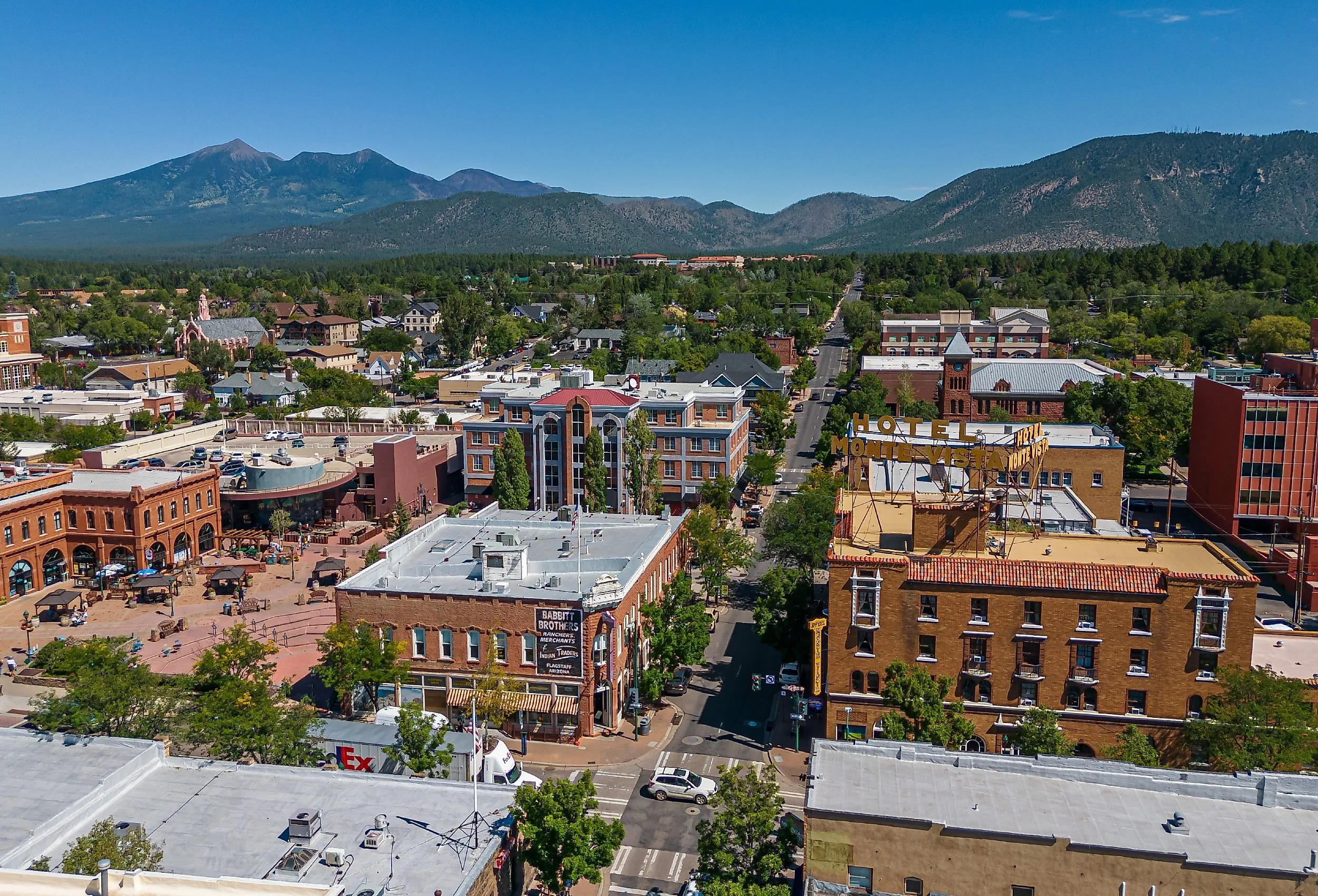
Flagstaff has not one, but two kinds of hills to tackle. Flagstaff Snow Park sits at Fort Tuthill and runs timed tubing sessions on maintained snow lanes. Tubes are included with admission, which makes the experience straightforward for families. From town, keep heading toward the San Francisco Peaks, and Arizona Snowbowl rises above the tree line with ski lifts that run through the cold mountain air and wide fields that stretch below. Together, these two options anchor winter activities and keep Flagstaff from feeling like a summer-only destination.

Beyond the snow, the town has other landmarks that stand on their own. Want to stare at the stars? Lowell Observatory offers programs where staff members guide visitors through telescope observations, explaining what is visible in real time. Downtown Flagstaff remains lively during the cold season. Heritage Square becomes a primary gathering spot, offering opportunities to dine or shop, and foot traffic remains steady even when the temperature drops. Also, the Walnut Canyon National Monument is located about ten miles east of town. Here, the Island Trail winds into the canyon and passes by several Sinagua cliff dwellings constructed directly into the cliff walls.
Greer

Sunrise Park Resort sits in the White Mountains southeast of Show Low and functions as the main winter hill for this part of Arizona. Greer is the closest community, with lodging and easy access, and lots of visitors treat it as the base area for ski days. Sunrise has multiple chairlifts when conditions allow, and has defined trails for various ability levels, and changes operations based on snow and weather through the season. The drive time from Greer is usually about 15 to 20 minutes when roads are clear, though winter storms can slow that down.
Greer is the state’s highest town, so snowy winters are no strangers here. The town spreads across a small valley with cabins and a number of local businesses that stay active for visitors. When you visit, stop by the Butterfly Lodge Museum when it is open for the season. The museum lies inside a historic 1913 cabin with documented regional history and exhibits tied directly to Greer. Much of the draw in winter comes from the simple appeal of staying in consistent snow country. Sunrise Lake and the nearby Apache-Sitgreaves National Forest lands give people space for winter walks and quiet time outdoors when they are not on the lifts.
Summerhaven

At almost 8,000 feet of elevation on Mount Lemmon, this small alpine community serves as the main stop-off for visitors going up the mountain. At the top of the Catalina Highway, the first thing that individuals notice is nearby Mount Lemmon Ski Valley, which gives skiers and snowboarders a serious mountain run to try. It runs on natural snow, so the season shifts with each winter system, and the pace of the place reflects that reality. Lifts sit close to the slope, and the views drop toward low desert country in a way that reminds you how unusual this ski area really is.

Summerhaven sits close to the lifts and functions as the daily support system for anyone skiing or boarding. Mt. Lemmon General Store & Gift Shop gives visitors a place to warm up and get what they need, while nearby cabin rentals provide overnight lodging when conditions are good. The Mt. Lemmon Cookie Cabin is a great place to stop, no matter the season, where visitors buy oversized cookies and hot meals, and it regularly stays busy on ski days and crowded weekends. Higher on the peak, University of Arizona facilities host scheduled astronomy programs at the Mount Lemmon SkyCenter, at select times, which gives the mountain a second purpose once the snow melts or after a day on the hill.
Pinetop-Lakeside

This town is found right in the White Mountains, along Highway 260. It is another good option for skiers who want to visit Sunrise Park Resort. The travel time from Pinetop-Lakeside to Sunrise will take you around 30 minutes, but that may change based on the weather. Many decide to stay here because the town has more lodgings and services available throughout the cold months, compared with some smaller towns also close to the lifts. The elevation of this town sits near 7,000 feet, so if you are someone who is looking for snow during winter, you will not be disappointed.
Aside from the ski runs, come find out about the other places to see, regardless of the season. Woodland Lake Park offers paved paths and views of the lake, providing an opportunity to enjoy walking and spending time outside, even in the winter. The White Mountain Nature Center, located in town, focuses on the local ecosystem with exhibits and scheduled educational programs. Or, for more time outside, the White Mountain Trail System spreads through nearby forest land and includes groomed winter routes in certain conditions, which gives people a practical option to get outdoors when they don't feel like skiing over on Sunrise.
Williams

Right along the famous Route 66, this town functions as a four-season locality, with accommodations and dining still available in the winter months. They get snowfall often during the colder months, and the nearby Kaibab National Forest provides an opportunity to access outdoor activities throughout the season. The closest skill hill is the Arizona Snowbowl, and from Williams to the ski hill, plan on about an hour to an hour and 15 minutes, but winter weather can sometimes make the travel time a bit longer.

The town presents a unique way to see one of the world's greatest landmarks. The Grand Canyon Railway provides scheduled rail service from Williams to the South Rim of the Grand Canyon. In addition, inside the depot, there are exhibits that show off the railroad's history. In Williams, the Bearizona Wildlife Park offers visitors the opportunity to drive or walk through large animal enclosures and view major North American wildlife species in settings that feel more natural than a typical zoo. For American history, the Route 66 Museum focuses on the transportation history of northern Arizona, featuring historical displays that explain how this highway shaped daily life in Williams and the surrounding towns.
Winter travel in Arizona does not end at sledding hills or novelty snow days. These places function as real alpine towns, with winter as a defining part of daily life. From the White Mountains to the high country near Snowbowl, each location offers a viable winter base and access to consistent alpine conditions within the state. So, if skiing is on your mind, don’t wait. Head out to these Arizona alpine destinations today!