5 Arkansas Towns Where Famous Movies Were Filmed
When considering film locations or settings, Arkansas may not seem like a top choice. But if you do a little bit of digging, you may be surprised to discover that the diverse landscape of Arkansas provides the backdrop for a wide variety of films. From cult classics to iconic films, Arkansas boasts a distinct and varied collection of movies that complement its diverse landscape. Below are just a few examples of Arkansas towns where some famous films were shot.
Benton
Out of all the films, one of the most acclaimed to be filmed in Arkansas is Sling Blade, a haunting drama about redemption and mortality. It was especially notable in that Billy Bob Thornton, the film's director, also wrote and starred in it. Sling Blade went on to earn an Academy Award for Best Adapted Screenplay, and the entire production took place in the little town of Benton.
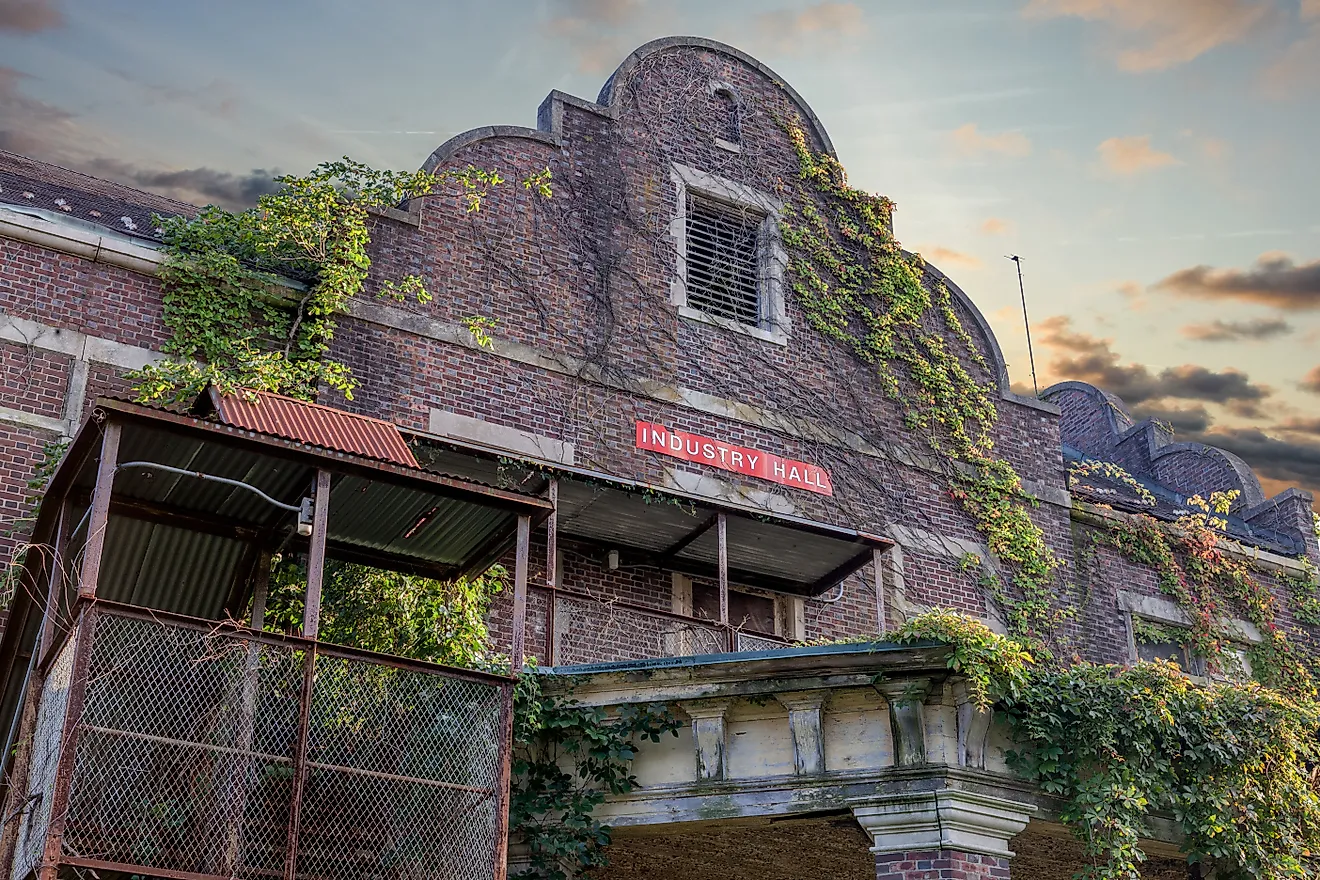
Benton isn't shy about showing off its pride for this film either. Swing by the aptly named Garry's Sling Blade Drive-in for a great burger and some fries. That spot also happens to be the exact location for Sling Blade's iconic diner scene. Other notable places include the Arkansas Health Center (which is best viewed from a distance due to the presence of asbestos and lead paint in the building!), as well as the home field of Benton High School.

Outside of the film locations, Benton's Royal Theatre is listed on the National Register of Historic Places and hosts live theatrical productions that are open to the public. And if you prefer to wind down with a more scenic and natural view, Sunset Lake is an excellent spot to unwind. It includes a fishing pier, a boat ramp, a mile-long walking trail, sand volleyball courts, and a dog park.
Dumas

Although Benton has an award-winning film, one of the more widely recognized films in Arkansas is Mud. Filmed in Dumas, as well as in the Mississippi River Delta, Mud is a coming-of-age drama where both the town and the river played a crucial part in this film. The scenic beauty of the river enhanced its themes of adventure and discovery, and Dumas just tied it all together.
You can get a sense of that, as exploring Dumas means exploring the vast outdoors it has to offer. To start, Dumas is close to various lakes, bayous, and the Arkansas River. This alone provides enough space to enjoy fishing, boating, or, in the case of the Arkansas River, being the best spot for bass tournaments in the nation.

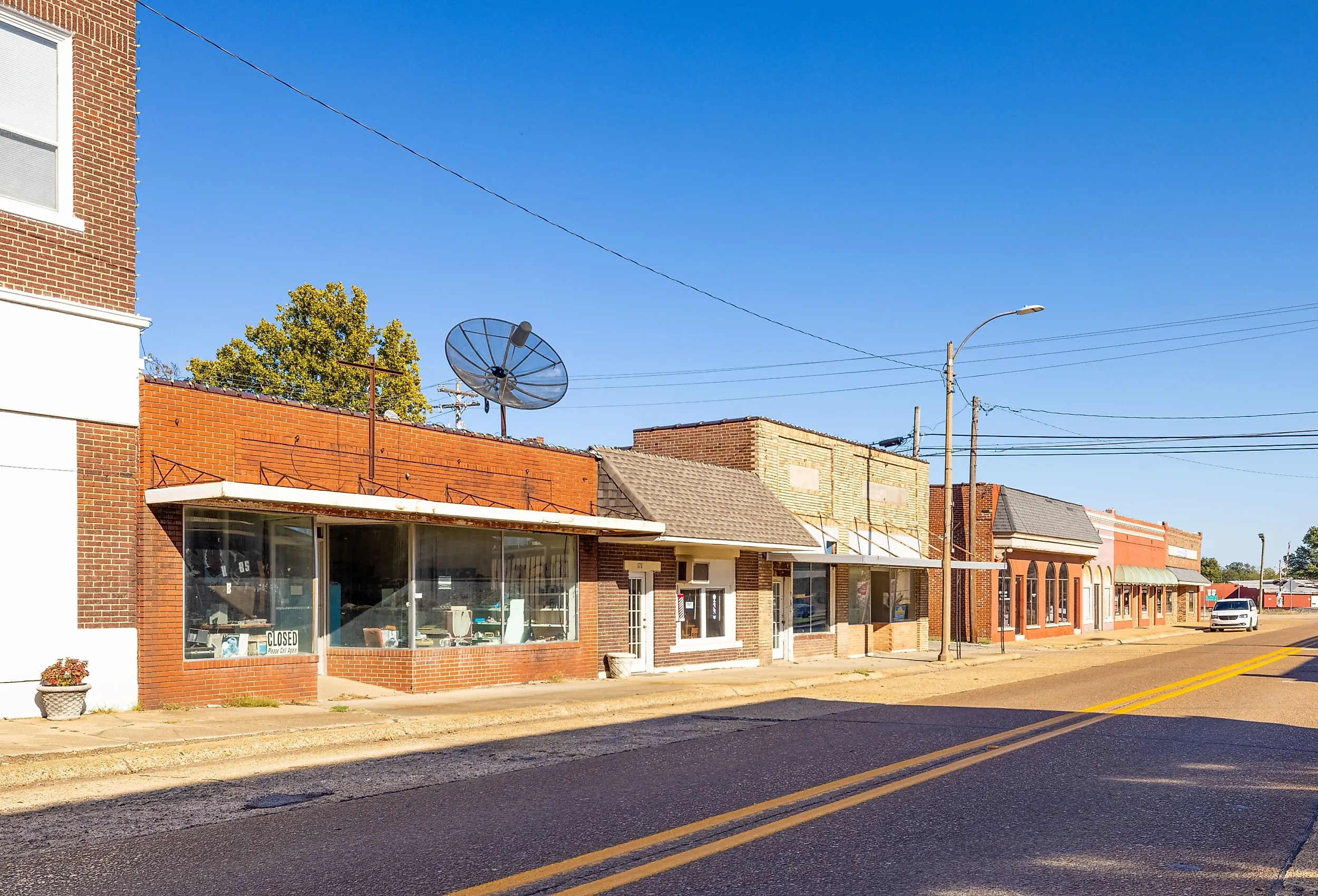
Dumas' Main Street is also a historic downtown district registered in the National Register of Historic Places, ensuring that its historical buildings are well-maintained. Looking around, you'll find places like the Dumas Area Arts Center, which hosts community theater productions as well as a popular annual Gospel fest. In addition, Dumas is also home to the Desha County Museum, a series of ten buildings that re-create the life of a typical south Arkansas farming community.
Piggott

About 180 miles northeast of Little Rock is the town of Piggott, the filming location for a film that initially flopped but gained popularity as more people were exposed to it through movies! The film in question is A Face in the Crowd, a political satire that tells the story of a small-town drifter who becomes a media sensation. Despite being filmed in 1957, the film remains relevant to this day, thanks to its enduring messaging, making it a significant part of cinematic history.

Beyond the film, Piggott is home to a wide variety of attractions. There is the Matilda and Karl Pfeiffer Museum and Study Center, which features over 1400 mineral specimens that Matilda Pfeiffer collected over her lifetime. In addition to the museum and study center, there is also the Hemingway-Pfeiffer Museum and Educational Center, a barn where Ernest Hemingway wrote portions of his acclaimed war novel, A Farewell to Arms. Or, if you prefer to soak up Piggott's cozy atmosphere, swing by the Hen House Cafe, a nice place to eat that features country decor and amazing cinnamon rolls.
Fouke

In southwest Arkansas, the small town of Fouke rests, and with it, a film that was low-budget but a cult classic, especially among its residents. The Legend of Boggy Creek is a film that blends documentary-style storytelling with dramatized accounts of a Bigfoot-like creature living in the nearby swamps, creating a surprise hit and a favorite among those with a love for horror and cryptids.

Due to the unexpected success, the film, or more specifically, the swamp beast, became an integral part of the town's identity. You can see this in places like Monster Mart, a simple convenience store that also has displays and information on the Fouke Monster. For a bigger bite to eat, Allen's Burger Center is a nice family restaurant despite its outward appearance. In addition to all that, the town of Fouke hosts an annual Fouke Monster Festival in the spring to celebrate the legend and raise funds for Fouke High School.
Dyess

In the town of Dyess, a legend was born. His name is Johnny Cash. And if you're not familiar with him, the film documenting his legacy, Walk the Line, will give you a taste of that. It needs to be noted that most of Walk the Line was filmed in Tennessee and Mississippi, but parts of it were also shot in Dyess, Cash's hometown.
Now largely a farming community, the population of Dyess has dwindled to approximately 400 people, with many of the colonization efforts documented in buildings that have been preserved over the years. One of the first is Johnny Cash's Boyhood Home, which can be both viewed and entered. A plaque outside discusses a bit of Johnny Cash's story, and the home itself retains the same furnishings it had when he was growing up. Alongside the home, there is also the Administration Building, which includes exhibits of the colony that settled here, as well as the impact Dyess had on Cash's life and his music.
The remaining colonizing buildings that didn't stay around have been removed and replaced with images and information at their former locations. These additional plaques can be viewed through a driving tour and include the school, hospital, cannery, cotton gin, cooperative store, café and shops, community building, and many other sites.
From small films to cult classics and iconic films, Arkansas has actually provided a diverse and compelling landscape of filmmakers, creative legends, and diverse films. From the eerie legends of the swamps to the beautiful rivers, The Natural State continues to leave behind lasting impressions even now. So the next time you watch one of those films, be sure to keep an eye out for those familiar sights of Arkansas. They could just be the next inspiration for you to hit the road and explore.