4 Snake Hotspots In Tennessee
If you have ever hiked through Tennessee’s wild places and felt the snap of a twig behind you, or caught a flicker of movement beneath the leaves, you already know: the state is alive. Its forests whisper, its wetlands pulse, and its trails hide more secrets than most hikers ever notice. Among the most fascinating and widely misunderstood of those secrets are the snakes that call these landscapes home. Learn more about ideal hotspots for snakes in Tennessee, from rocky plateaus, shadowy gorges, marshy shorelines, to sun-soaked cliffs.
Great Smoky Mountains National Park

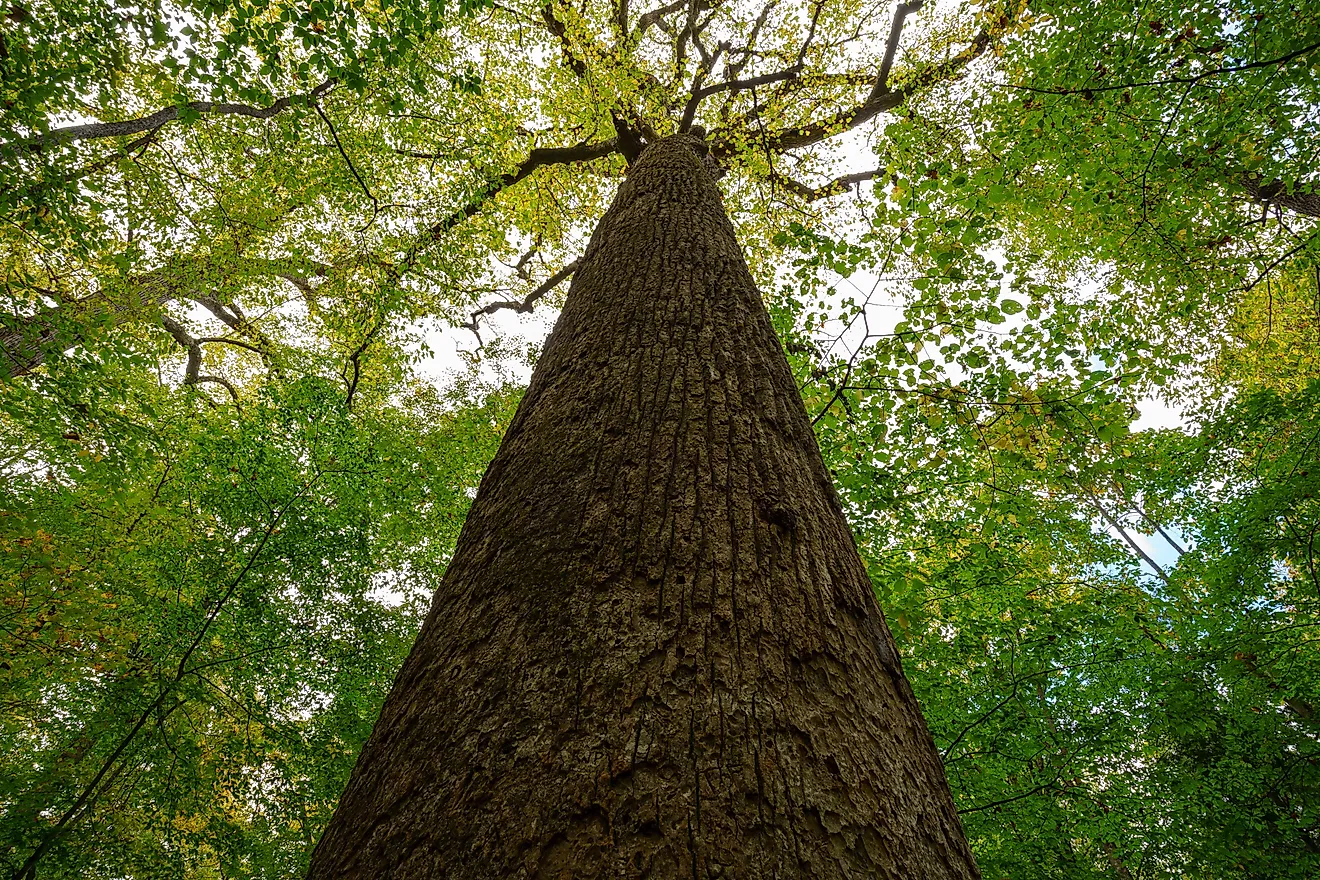
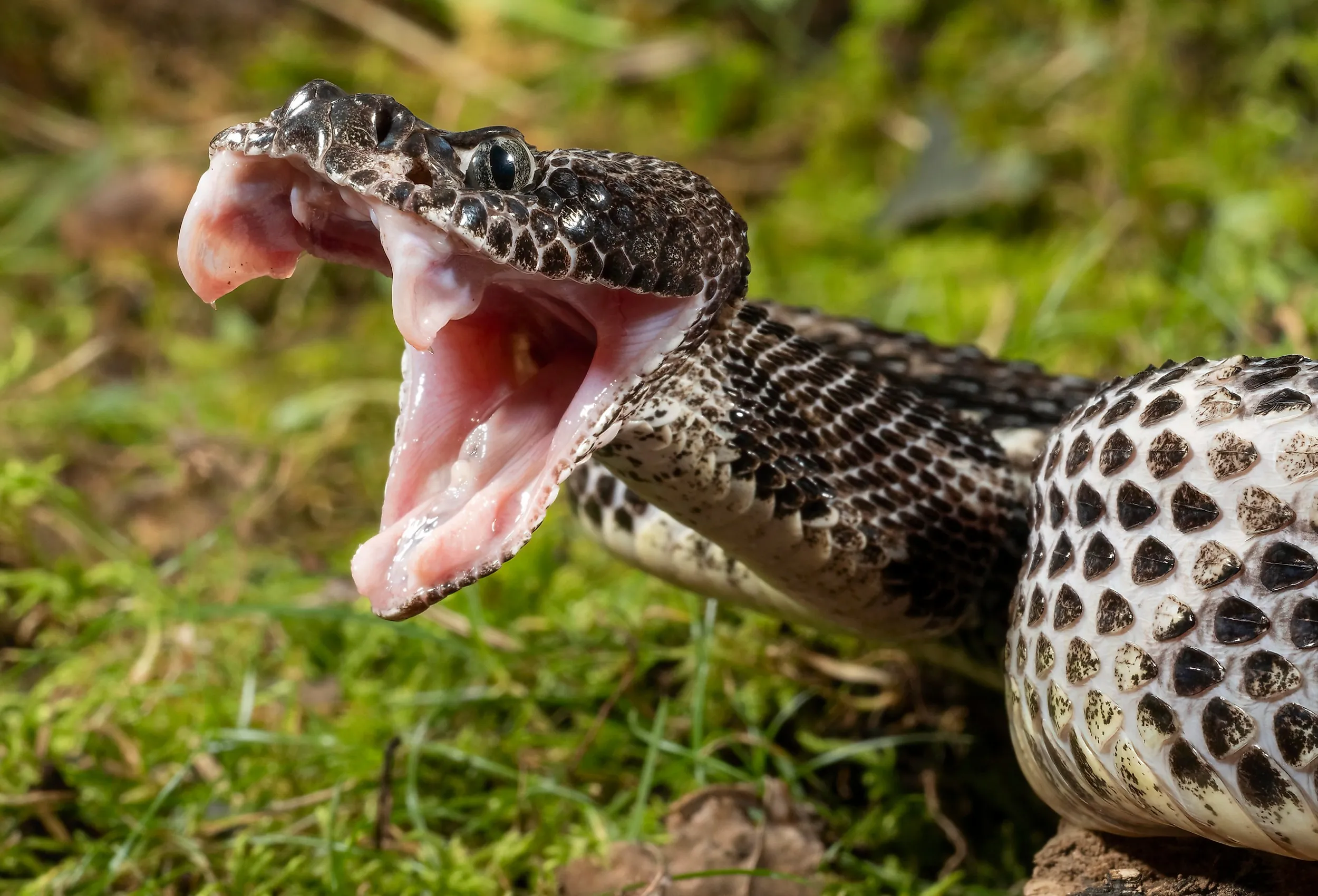
One of the most biodiverse protected regions in the eastern United States is Great Smoky Mountains National Park, which stretches along the Tennessee-North Carolina border and is home to rocky Appalachian mountains, mature forests, streams, and a variety of habitats at different elevations. The park is home to 23 snake species, only two of which are venomous, the Timber Rattlesnake and the Northern Copperhead, while non-venomous species like Black Rat Snakes, Northern Water Snakes, garter snakes, Corn Snakes, and kingsnakes are more common.

Timber Rattlesnakes may appear on low slopes to high ridges, whereas copperheads are typically found at lower to mid-elevations in forested or rocky areas, though both species are generally elusive and human encounters are rare, with no recorded fatal snakebites in park history. To keep safe, visitors should stay on trails, watch their step, and refrain from upsetting any wildlife.
Reelfoot Lake State Park

Reelfoot Lake is a natural lake surrounded by bottomland hardwood forests, cypress swamps, marshes, and wetlands, encompassing roughly 10,900 acres of water and marsh and another 7,100 acres of swamp and forested bottomlands. A designated National Natural Landmark, it is a major wildlife destination renowned for boating, fishing, and exceptional bird-watching, with over 270 bird species reported in the area.

Numerous non-venomous snake species, such as water snakes, milk snakes, and corn snakes, as well as the venomous Cottonmouth, thrive in its swampy, water-rich habitat. Both locals and visitors should exercise caution when walking along shorelines, near logs, and in shallow water, as these are common areas for snake sightings.
South Cumberland State Park

South Cumberland State Park, found on the Cumberland Plateau, has sandstone cliffs, rocky overlooks, forested plateaus, and deep gorges that create a wide range of microhabitats ideal for reptiles. This varied terrain, sunlit ledges, shaded forests, and rocky slopes make the park a known spot for snake encounters, particularly the Timber Rattlesnake, which often basks on warm, south-facing rock outcrops.

Non-venomous species, including green snakes like the Smooth Green Snake, are also reported along the park’s trails and forested areas. Because the landscape is filled with cliffs, rocks, and uneven ground where snakes may rest or hide, hikers should stay alert, keep to marked trails, wear sturdy footwear, and avoid reaching into leaf litter, under rocks, or into crevices, giving any snake encountered plenty of space.
Fall Creek Falls State Park

Located on the Cumberland Plateau, Fall Creek Falls State Park is renowned for its waterfalls, which are among the tallest east of the Rockies. The park features numerous waterfalls, streams, gorges, caverns, and wooded plateaus, as well as a resort, cabins, campsites, a lake, boat docks, and a comprehensive hiking path system.

Non-venomous species, like the Gray Rat Snakes, North American Racers, and common garter snakes, are found in these more populated areas, while the venomous Northern Copperhead is frequently observed in more leaf-littered woodland habitats. Although this area is classified as a snake hotspot, the diversity of snakes varies among habitats, seasons, and microregions.
It goes without saying that the habitats in these four parks demonstrate the great variety of Tennessee's ecosystems. Each of these hotspots boasts a diverse array of snakes that contribute to the balance of flora and fauna.
Instead of being scared of these reptiles, hikers, campers, and nature lovers should respect them while on their territory. Everyone can feel more at ease and connected in the great outdoors, the more they understand about snakes, including where they hide, how they behave, and why they are needed.