13 Most Charming Town Squares In The Adirondack Mountains
Spend enough time moving through the Adirondack Mountains, and a clear pattern starts to show itself. Across one of the largest publicly protected landscapes in the contiguous United States, many towns developed around a shared center rather than a single attraction. Daily life often orbits a waterfront park, a village green, a depot lawn, or a short Main Street loop where errands, events, and casual stops overlap. In towns such as Lake Placid, Saranac Lake, and Lake George, the center sits beside recognizable places like Mirror Lake, Lake Flower, and the Lake George waterfront.
On a normal weekday, you can grab coffee, walk a few blocks, and arrive at the place where the town naturally gathers. These 13 Adirondack towns stand out because their town squares still function as working centers of community life, whether the anchor is a lakeside bandshell, a crossroads green, or a riverside park beside an old rail line.
Lake Placid

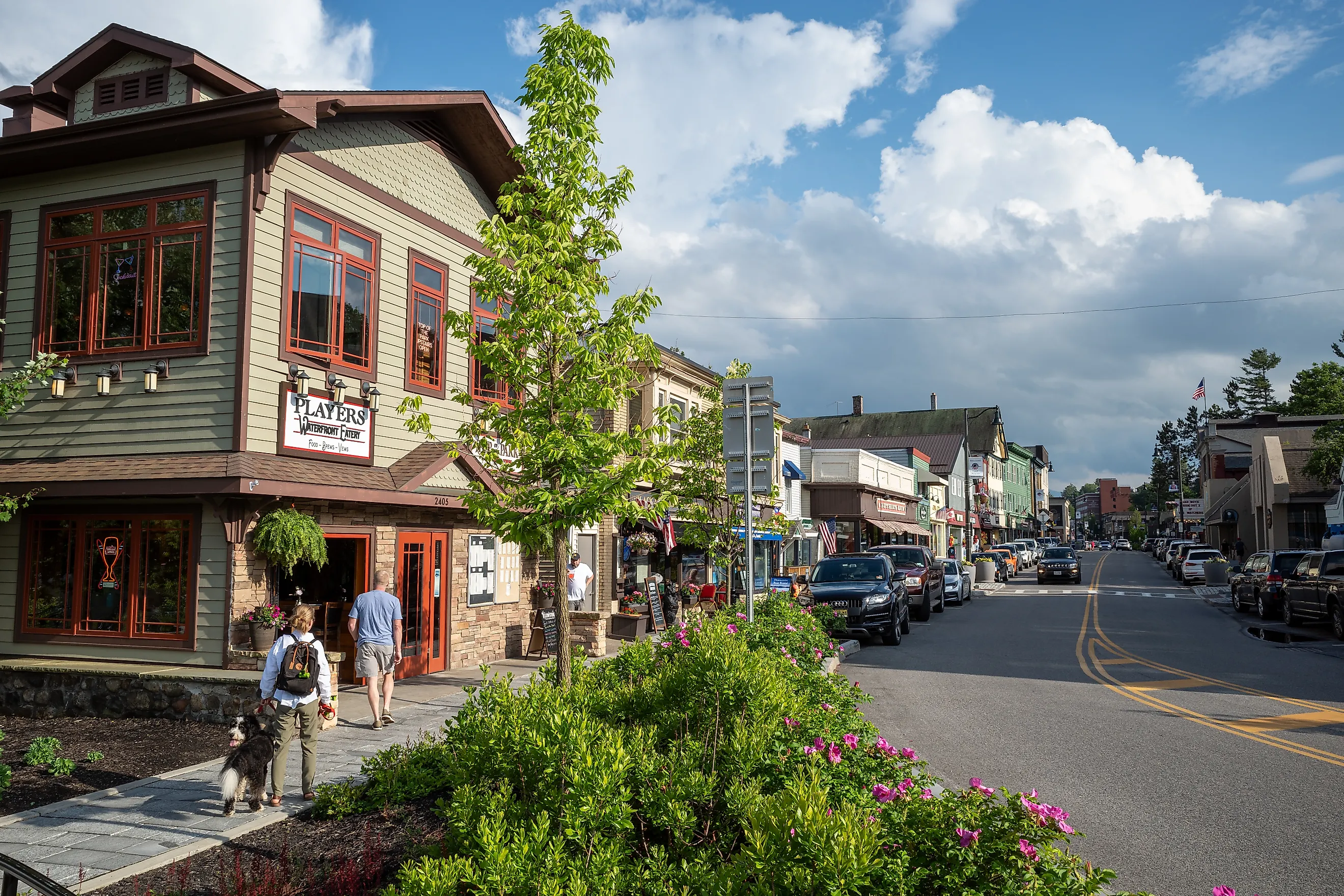
In Lake Placid, downtown activity consistently pulls toward Mid’s Park and the edge of Mirror Lake, right where Main Street meets the shoreline. The bandshell, lakeside path, and loop around the water all meet here, which makes it the most natural place to pause or reset while moving through town. On summer Tuesdays, Songs at Mirror Lake uses the bandshell and lawn for weekly concerts that fit neatly into the existing downtown flow.
Just beyond the park, Olympic landmarks stay close enough to feel like part of the same walkable core. The Lake Placid Olympic Center & Museum sits nearby and gives the downtown loop a clear historical anchor. Along the same shoreline, the Mirror Lake Walkway is a 2.7-mile loop that circles the lake, which makes it easy to build a simple “walk, browse, repeat” day around the water. In winter, when conditions allow, crews can maintain skating tracks and cleared rinks on Mirror Lake, and the James C. Sheffield Speed Skating Oval offers another nearby option for public skating.
Lake Placid works best when you keep the route loose. Start on Main Street, drift toward Mid’s Park, then loop the Mirror Lake shoreline before circling back along Main Street storefronts.
Saranac Lake

Riverside Park on Lake Flower functions as Saranac Lake’s downtown center, sitting just off Main Street and reading immediately as the town’s gathering place. The park handles everyday foot traffic and larger community events without shifting its role. In summer, Music on the Green uses the bandshell for weekly concerts, while the Saranac Lake Village Farmers Market sets up in Riverside Park on Saturdays, keeping the space active on ordinary weekends as well as special ones.
From there, several attractions sit close enough to feel like part of the same footprint. The Adirondack Carousel is a short walk from Riverside Park, making it an easy add-on without committing a full afternoon. Nearby, the Saranac Laboratory Museum adds depth to the village’s history through its connection to Dr. E. L. Trudeau and the cure-cottage era that shaped the community.
The downtown arts scene stays tightly clustered as well. NorthWind Fine Arts and the Adirondack Artists Guild sit within a few blocks of the park, and Pendragon Theatre adds a year-round performance venue nearby. Along the water, the Adirondack Rail Trail runs beside Lake Flower, reinforcing how Riverside Park connects recreation, culture, and downtown movement. In winter, the Saranac Lake Winter Carnival spreads activity across the waterfront and village streets, but Riverside Park remains the geographic center even outside event weekends.
Lake George

Shepard Park anchors Lake George’s village core along Canada Street, and it works because the waterfront pieces are concentrated in one walkable place. The park gives you a lakefront promenade, an amphitheater for concerts, and beach access, so the “town square” feel stays tied to the shoreline from morning through evening. In season, Fridays at the Lake uses the Shepard Park stage for free summer concerts, which keeps weekly programming rooted in the same central space.
Just as important, the surrounding landmarks reinforce that loop. Fort William Henry Museum sits close enough to pair with a park walk without turning it into a driving day. Nearby, the Lake George Steamboat Company docks keep narrated cruises tied directly to the village core instead of splitting the day into separate zones. Later on, Lake George’s summer fireworks draw attention back to the village waterfront, which naturally pulls people back toward Shepard Park and Canada Street.
When winter arrives, the Lake George Winter Carnival returns scheduled activity to the same waterfront core, with Shepard Park remaining the place everything circles back to.
Tupper Lake

Flanders Park along Raquette Pond serves as Tupper Lake’s town square, and its strength comes from how tightly everything lines up. The park sits directly against the downtown blocks, so moving between the water, the green space, and the downtown footprint never feels like a transition. The waterfront path traces the edge of the pond, while the open lawn and play areas give the space everyday usefulness beyond event days. You can walk the loop, sit by the water, or use the park as a natural pause point while moving through town. During summer, the Summer Sunset Series uses the Sunset Stage for concerts and scheduled programming that fit easily into the park’s regular rhythm rather than overtaking it.
From that core, several attractions fit naturally into the same day. The Wild Center sits just outside the downtown core and works well as a longer stop, especially with the elevated Wild Walk offering a different perspective on the surrounding landscape. Back near the park, the Raquette Pond Waterfront Walkway brings you right back into the downtown footprint and resets the visit without needing a car.
Nearby, the Adirondack Sky Center & Observatory gives Tupper Lake’s dark-sky reputation a clear, public-facing place that complements the town center instead of competing with it. Seasonal events like Woodsmen’s Days reinforce the same pattern, keeping attention on the downtown core and nearby gathering spaces rather than spreading activity outward.
Old Forge

Old Forge’s civic center is compact and easy to read the moment you arrive. Point Park sits at the Four Corners intersection, right where Route 28 meets the heart of town, and it anchors the Main Street loop without needing much explanation. The green itself is small, but that works in its favor. The blocks around Point Park keep downtown movement tight, so moving between storefronts and basic services never feels drawn out. From the park, it is only a short walk to the waterfront along the Fulton Chain of Lakes, which keeps water access folded into the same downtown routine rather than pushed to the edge.
That same “one-loop” layout holds even when you add bigger stops. Enchanted Forest Water Safari sits close enough to the core that it does not break the rhythm of the day. You can spend the morning there and still return downtown for lunch or an evening walk without treating it as a separate destination. Long-running businesses such as Old Forge Hardware help anchor the center year after year, blending everyday errands with seasonal foot traffic.
Community events stay centered for the same reason. Adirondack Christmas on Main Street uses the downtown blocks for parades, tree lighting, and holiday gatherings. July 4 activities stay centered around Main Street and waterfront viewpoints along the Fulton Chain, keeping attention on the core. For a quieter stop, VIEW Arts Center adds rotating exhibitions and programs that fit naturally into the same walkable loop.
Speculator

Speculator’s center works as a connected cluster rather than a single large lawn, and that is what gives it its town square feel. The Four Corners intersection acts as the organizing point, linking village green spaces, pavilion areas, and access to Lake Pleasant within a short, walkable radius. You can stand at the crossroads and see how the pieces fit together without needing a map. On the July 4 weekend, the parade route follows the same layout, running along Route 30 from Four Corners down to the Speculator Pavilion and Ball Field, which makes the town’s center easy to understand even on its busiest day.
On regular days, the same setup stays practical. The public beach and boat launch on Lake Pleasant sit close to downtown blocks, so lake access feels like part of daily life rather than a separate trip. The pavilion area provides a clear gathering spot for small events, picnics, and casual meetups, giving the center a reason to stay active even when nothing is scheduled.
Oak Mountain Ski Center adds another layer without pulling attention away from the core. In winter, it supports skiing close to town. In warmer months, it keeps activity nearby with non-ski uses. The easiest way to handle Speculator is still to keep the route simple. Start at Four Corners, walk toward the Lake Pleasant waterfront, then choose one larger outing without stretching the day or covering much ground.
Inlet

Arrowhead Park along Fourth Lake anchors Inlet’s town square and makes the center of town easy to understand the moment you arrive. The park brings together beach access, docks, a gazebo, and open lawn space, all tied directly to the downtown loop along Route 28. You can move from the shoreline to the Route 28 downtown blocks and back again in just a few minutes, which keeps the park involved in everyday routines rather than limited to special occasions. During July and August, the Sunsets by the Lake Concert Series brings weekly live music to Arrowhead Park, and the setup works because the park already functions as the town’s natural gathering point.
Right around the park, everyday stops keep the loop active. The Woods Inn sits next to the lakefront, making Arrowhead Park part of the stay rather than a destination you drive to later. Arrowhead Park Beach & Pier remains the main public access point to Fourth Lake, and the docks stay active with boat traffic throughout the season. A short walk brings you to Inlet Department Store and Northern Lights Creamery, which keeps foot traffic circulating between Route 28 and the water.
When Inlet hosts the Black Fly Challenge, Arrowhead Park serves as the start area in years when the race begins in Inlet, reinforcing its role as the town’s center. Even outside event days, the park continues to hold the layout together. Arrowhead Park makes the loop easy to follow, with Route 28 shops a short walk away and Fourth Lake waiting right where you started.
Northville

Waterfront Park along the Great Sacandaga Lake forms Northville’s civic core and gives the town a clear, easy-to-read center. The park sits just off Main Street and works as the natural gathering lawn for both daily use and scheduled events. Its role is defined by location more than design. The southern terminus of the Northville-Placid Trail begins right here, which places one of the Adirondacks’ best-known long-distance routes directly at the edge of downtown. That connection shapes how the park is used, with hikers, locals, and visitors all moving through the same space.
During summer, town events keep the focus on that same core. Northville DOINS brings vendors, food, and a Main Street parade together with waterfront activity, using Waterfront Park as the anchor point for the weekend. Trail Day programming tied to the Northville-Placid Trail reinforces the same layout, keeping outdoor recreation and downtown life connected.
On a quieter day, the park still holds the town together in a simple way. You can step from Main Street to the Great Sacandaga shoreline in minutes, sit near the water, then loop back past storefronts without needing a plan. For overnight stays, The Inn at the Bridge keeps visitors close to both Waterfront Park and Main Street, which supports the kind of low-key, browse-and-loop day that fits Northville’s scale.
Bolton Landing

Rogers Memorial Park functions as Bolton Landing’s town square and makes the village center easy to understand the moment you arrive. The park sits directly beside the main downtown blocks and provides public access to Lake George through docks, open lawn space, and the park’s shoreline edge. That setup keeps the lake involved in everyday movement rather than something you look at from a distance. In summer, the Tuesday Tribute Concert Series uses the park’s bandstand for weekly performances, and the crowd naturally spills out across the lawn and toward the water without needing extra staging.
A few steps from the green, cultural stops reinforce the same compact footprint. The Bolton Historical Museum & Gallery sits next to the park, so it fits naturally into a walk rather than feeling like a separate destination. The Sembrich adds a recognizable arts presence nearby, tying the waterfront village to a longer cultural history. Offshore, The Sagamore Resort remains the most familiar name on this stretch of Lake George, and its long-standing presence helps explain why Bolton’s public waterfront commons still matters.
Day-to-day use stays simple for the same reason. You can park once, walk through Rogers Memorial Park, step onto the docks, then loop back through the village blocks beside the park without changing gears. The square works because Lake George access, a museum stop, and downtown browsing all stay in the same small radius.
Ticonderoga

Bicentennial Park along the La Chute River anchors Ticonderoga’s downtown core and makes it clear where the town gathers. The park sits directly beside Montcalm Street, with green space, river access, and walking paths that keep downtown activity centered rather than scattered. On a normal day, it works as a place to pause between errands or take a short river walk. In early July, Best 4th in the North spreads across the park and surrounding streets with parades, rides, food vendors, and concerts that rely on this compact layout to work smoothly.
From Bicentennial Park, the town’s best-known draws connect without much effort. Fort Ticonderoga sits a short drive away and gives the community a nationally recognized historical anchor that pairs well with a downtown afternoon. Back on Montcalm Street, the Star Trek Original Series Set Tour adds an unexpected but well-established attraction that stays firmly within the village core. Nearby, the Hancock House Museum helps link the civic center to earlier periods of local history.
The La Chute River Walk extends from the park and offers a simple way to stay close to downtown while adding movement to the visit. Use Bicentennial Park as the reset point, then build the day outward in small pieces, whether that is Fort Ticonderoga, Montcalm Street, or a short walk along the river.
Long Lake

Long Lake’s town square centers on Long Lake Town Beach and the tight downtown loop near the bridge. The reason it works is simple: the public waterfront pieces are right where you already are. The town beach setup includes a designated swimming area, docks, and a pavilion, so you can treat it like the default meet-up spot instead of something you have to plan around. When winter hits, the same core still stays relevant. The Long Lake Winter Carnival brings organized activity back to town, using the Mount Sabattis Recreation Area for its main events, which keeps the season from feeling like the lights shut off after fall.
From the waterfront, a few specific add-ons keep the day grounded in the same place. Helms Seaplane Rides operate out of Long Lake, tying the aviation piece directly to the water. Hoss’s Country Corner fits the Main Street rhythm as well, which makes it a practical stop that still feels like part of a town-square loop.
When you want a short nature break without turning the day into a long drive, NY Route 3 in the Long Lake area gives you direct access to Buttermilk Falls. That makes it realistic to do the falls, then return to the Long Lake Town Beach loop for a walk by the water.
North Creek

North Creek’s civic center forms where the Hudson River meets the rails, and it works because everything important lines up within a few short blocks. The North Creek Depot Museum anchors the space, sitting right beside Riverfront Park and the Hudson River. From the park, it is an easy walk to Main Street, which keeps the town’s center feeling compact rather than spread out. You can move from the riverbank to downtown blocks without needing to reset the day or relocate the car.
The community calendar returns to this same core again and again. Whitewater Derby weekend keeps attention on the Upper Hudson corridor right by town, turning the riverfront near the depot area into a natural place to watch and gather. In early December, the Lights On! Christmas Celebration brings seasonal programming back to the same space, using the park and depot for tree lighting and gatherings that stay tied to downtown rather than drifting elsewhere.
Some activities begin right at the center itself. Revolution Rail Co. operates rail biking trips that depart directly from the depot, which keeps the experience rooted in the town’s rail corridor. During winter, Gore Mountain Ski Resort drives visitor traffic to the area, and North Creek’s downtown remains the place people return to after the slopes for meals and errands.
Schroon Lake

Schroon Lake Town Park anchors the village’s town square at the base of the downtown blocks near Dock Street, and it does the job in a straightforward, practical way. The park places a public beach, gazebo, dock access, and open lawn directly beside Main Street, so moving between town and water never feels like a separate task. You can step off the sidewalk and be at the lake in minutes, which keeps the park in constant use beyond scheduled events.
Because the shoreline is so close to Main Street, the park supports everyday routines as well as big weekends. The public dock and lake access make it easy to treat the park as the default stop before or after errands downtown. In warmer months, the beach area and lawn handle casual traffic throughout the day, which keeps the town-and-water connection feeling immediate rather than occasional.
Seasonal events reinforce the park’s role as the village center. The Adirondack Marathon finishes here, turning the waterfront into a gathering space for runners and spectators. July 4 activities rely on the same park and nearby Main Street blocks for parade routes and fireworks viewing, keeping everything concentrated in one walkable area.
Just off the park, the Strand Theater adds an evening option that fits easily into the same loop. Nearby, the Schroon-North Hudson Historical Museum provides local context without pulling you away from the town center.
The Walkable Heart of the Adirondacks
The Adirondacks are known for wilderness, but the best town-square days happen when you do not have to overplan. A clear center makes everything else feel easy, whether you start with a coffee on Main Street or head straight to the water.
Park once, walk a few blocks, and let the town’s anchor set the rhythm. Mid’s Park, Riverside Park, Shepard Park, and Bicentennial Park all do the same job in different settings: they pull you toward the waterfront, keep downtown close, and make it simple to loop back for one more stroll before you head out.