11 Best Places To Call Home In The Northern United States In 2026
Across the Northern United States, a growing number of smaller cities are standing out in 2026 for reasons that go beyond scenery. Places like Astoria and Coos Bay offer ocean access and working ports without the housing costs of larger West Coast metros, while Port Angeles and Aberdeen benefit from proximity to Olympic National Park and stable employment tied to healthcare, maritime industries, and regional government services. In the Upper Midwest, towns such as Bemidji and Ashland combine access to major freshwater systems with regional hospitals and universities, supporting year-round populations rather than seasonal economies.
In the Northeast, communities including Rutland, Plattsburgh, Lewiston, and Berlin remain among the more affordable options in their states, with median home prices well below nearby metropolitan areas and direct access to mountains, lakes, or navigable waterways. Many of these towns also serve as county or regional service centers, meaning residents do not rely on long commutes for healthcare, education, or employment.
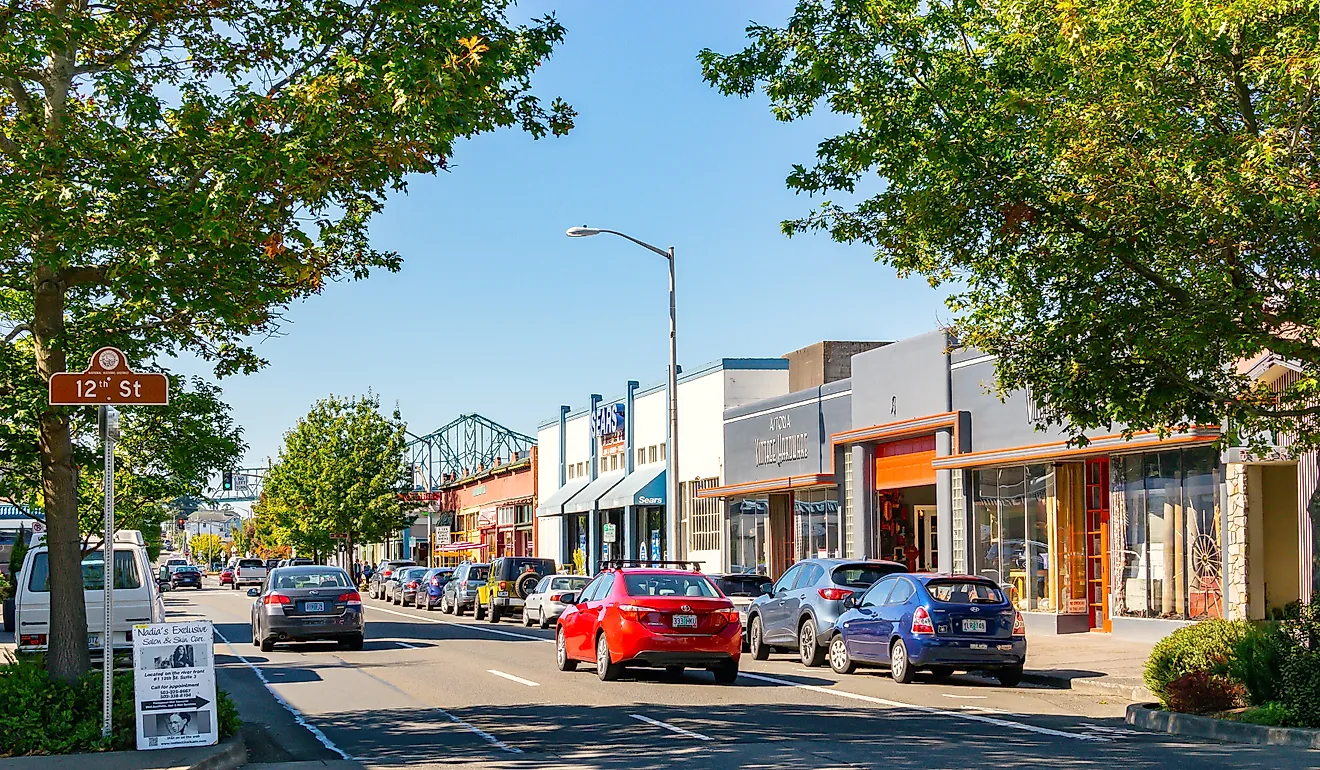
Astoria, Oregon

Astoria is situated along the Columbia River on Oregon’s northern coast, where maritime history is still an integral part of daily life. The city’s rhythm is shaped by fishing boats, river pilots, and cargo traffic, with many residents having family roots in industries connected to the river. One of its most recognizable landmarks, the Astoria Column, stands atop Coxcomb Hill and is deeply embedded in local traditions and the city’s identity. Residents often hike the nearby trails or drive up to the summit to enjoy stunning views of the river’s mouth, the Pacific Ocean, and the forested hills surrounding the city.
The Columbia River Maritime Museum highlights commercial fishing history, historic shipwrecks, and the challenging navigation of the Columbia River Bar. The museum’s short film about crossing the bar is well-known among residents, many of whom have firsthand experience or family ties to the river. These features exemplify why Astoria's identity remains closely connected to the water, with the community taking pride in a city shaped by working boats, accumulated expertise, and a landscape that commands respect.

Housing in Astoria continues to be competitive compared to many other Oregon coastal towns. Recent data shows the median home value around $470,000, slightly below Oregon's median and significantly lower than prices in larger coastal and city markets. For those interested in a historic river town with vibrant civic life and water-based recreation opportunities, Astoria’s blend of history and livability is a key attraction.
Port Angeles, Washington

Residents of Port Angeles cherish their vibrant waterfront, local arts, and welcoming public spaces. The Port Angeles Farmers Market every Saturday year-round, making it both a lively shopping spot and a great place to socialize. People enjoy browsing seasonal produce, baked goodies, and unique handmade items, often lingering to chat with familiar neighbors and friendly vendors. Just around the corner, 9/11 Memorial Park offers gorgeous views of the harbor and port, along with meaningful memorials honoring public service workers. It’s a peaceful haven where residents like to reflect, watch ships go by, or take relaxing evening walks along the shoreline.
Compared to many other coastal cities in Washington, Port Angeles remains more accessible. The median home value is estimated at about $440,000, significantly lower than the state average of nearly $580,000. For residents, the combination of affordability, water access, and a vibrant cultural scene makes Port Angeles an appealing choice for those seeking long-term northern living instead of a seasonal retreat.
Aberdeen, Washington

Aberdeen is nestled just inland from the charming southwestern coast of Washington, right at the meeting point of the Chehalis and Wishkah Rivers. This wonderful location offers residents easy access to beautiful waterfront areas without the heavy price tags often found in coastal towns. One beloved spot is Morrison Riverfront Park, where wide lawns and peaceful walking paths gently follow the Chehalis River. Locals love visiting the park for fishing, relaxing walks in the afternoon, and watching the river traffic pass by, making it a meaningful part of everyday life rather than just a popular destination for visitors.
Along the Wishkah River, Kurt Cobain Memorial Park offers a unique glimpse into Aberdeen’s character. The area connects deeply to Cobain’s early days of songwriting and features a guitar sculpture along with murals that honor his legacy, all in a way that feels welcoming rather than overpowering. For locals, it’s both a lovely neighborhood river walk and a heartfelt reminder of the city’s rich cultural history.

Housing remains one of Aberdeen’s defining practical advantages. Recent estimates place the average home value around $270,000, well below Washington’s statewide average, which is closer to $585,000. For residents, that affordability, combined with river access and a strong sense of place, makes Aberdeen a realistic option for long-term living rather than a seasonal stop.
Coos Bay, Oregon

Coos Bay is a lively coastal city where daily life beautifully revolves around its harbor, nearby forests, and charming public spaces that have been enjoyed for generations. The Egyptian Theatre, a lovingly restored 1920s movie house downtown, is one of the city’s beloved cultural landmarks. Residents frequently visit it for first-run films, classic movie nights, and lively live performances—it’s a place for community moments, not just special occasions. Just a short distance inland, Mingus Park serves as a welcoming neighborhood green space, offering scenic looped walking paths, quaint footbridges, and a peaceful central pond. Here, people walk their dogs, watch ducks and herons, or simply unwind and enjoy nature away from the busy streets. Together, these wonderful spots show how Coos Bay masterfully combines its working waterfront with inviting public spaces that residents treasure all year round.

Learn about the area’s maritime and cultural past at the Coos History Museum, where exhibits trace the stories that built this city, Indigenous communities, maritime traditions, and industries such as mining and construction. Monthly events such as the Wine Walk and summer performances of Shakespeare in the Park reinforce Coos Bay’s strong sense of place beyond its coastal setting. The average home value of $315,000 keeps this town significantly lower than Oregon’s state average of $487,000.
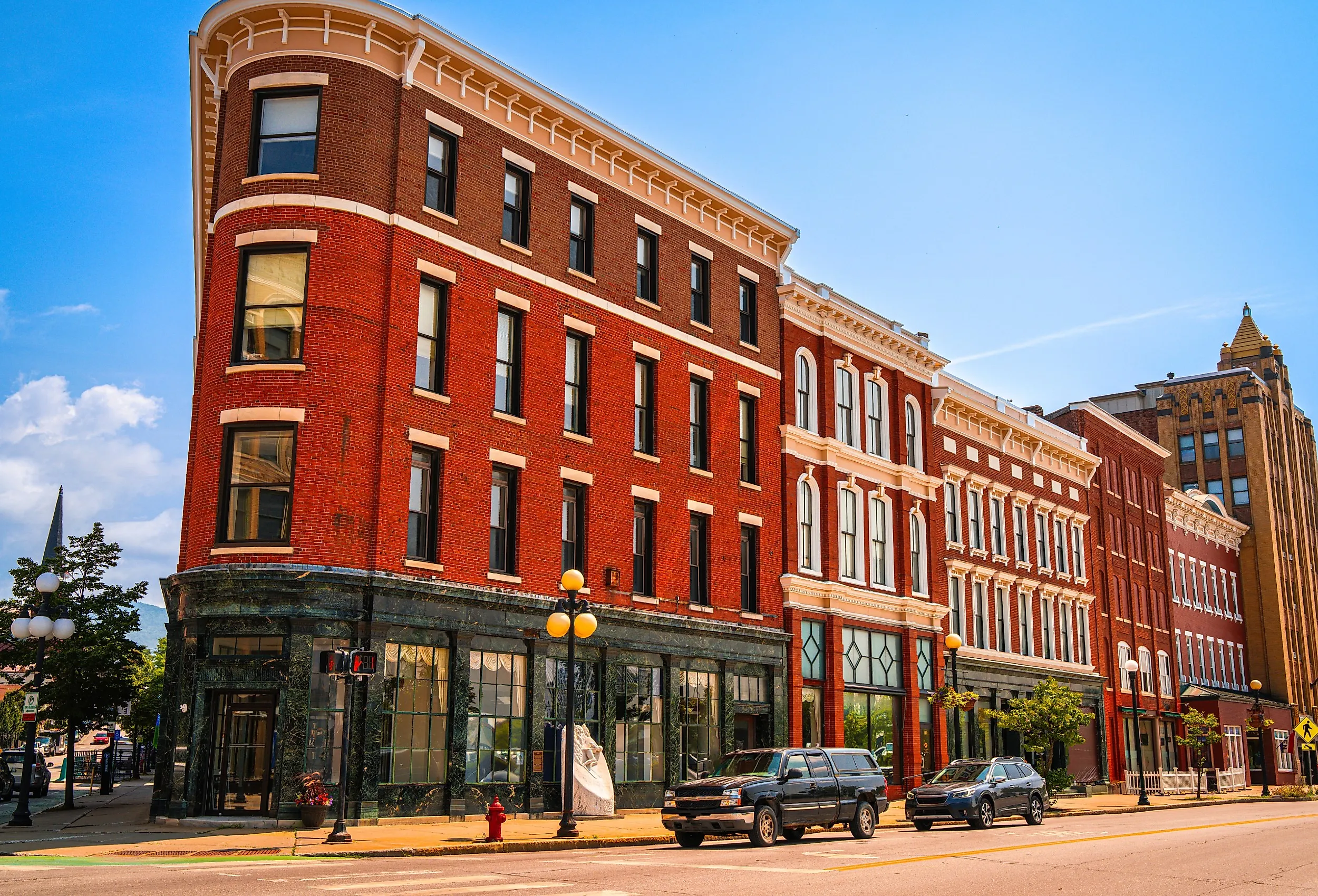
Rutland, Vermont

As one of Vermont’s larger towns, Rutland provides everyday convenience with easy access to culture and green space, all while maintaining an average home value of around $264,000, more than $100,000 below Vermont’s average of $380,000. At the heart of downtown, the Paramount Theatre is the spot for film screenings, live music, and touring performances in a burgundy-and-gold auditorium painted and designed with stunning detail.
Just beyond downtown, the Vermont State Fairgrounds hosts year-round events, most notably the Vermont State Fair, held annually in late August and early September, along with agricultural shows, concerts, and community festivals throughout the warmer months. This New England community gathers on an even more regular basis at the Vermont Farmer's Market. Along with an opportunity to talk with locals, the market is packed with empanadas, farmstand baked goods, and more. The market space also holds craft shows throughout the winter with hand-made soap, jewelry, lotions, and knitted crafts.
Bemidji, Minnesota

Bemidji is beautifully centered around Lake Bemidji, where so much of the town’s daily life revolves along the picturesque shoreline rather than busy city streets. Locals often enjoy the Lake Bemidji Waterfront Trail, walking or biking between the charming downtown area, the lively marina, and the serene Lake Bemidji State Park at the lake’s northern end. The scenic route takes you by fishing access points, offering stunning open water views, and past stretches of pine trees that make you feel miles away from town, even though they’re just minutes apart. Inside the state park, residents love strolling along the shoreline trails and boardwalks, participating in seasonal outdoor events, or simply relaxing by the water. Thanks to the park’s direct connection to the city, the lake becomes a cherished shared space, shaping a sense of community and connection in Bemidji all year round.

Just down the road, Bemidji’s most recognizable figures stand as familiar landmarks, not just novelties. The Paul Bunyan and Babe the Blue Ox statues beautifully honor the region’s logging-era folklore and have become cherished symbols of local pride. Creativity is alive and well in the community at the Watermark Art Center, where rotating exhibitions showcase regional artists, and workshops warmly invite residents to actively participate and engage, making everyone feel like a part of the vibrant local culture.
That wonderful sense of community really shines through in everyday life around the city! From spirited choir and music events to creative painting classes and friendly chess clubs, there's always something fun to join. Bemidji takes pride in being a regional hub, offering lively cultural events along with handy amenities that make daily life more enjoyable. One of its most charming features is its affordability in housing, the current average home value is about $207,000, which is over $100,000 less than the statewide average for Minnesota. It's truly a warm, welcoming lakeside city where community spirit and outdoor adventures are at the very heart of everyday life.
Ashland, Wisconsin

Ashland offers a Lake Superior lifestyle at a more accessible price point, with an average home value of around $190,000 compared to Wisconsin’s statewide average of $316,000. Local life mostly takes place along the waterfront, where wide Chequamegon Bay views reach toward the horizon. The 11.5-mile asphalted pedestrian trail takes walkers past historic structures, public art, and along Lake Superior’s shoreline. Families often gather at Vaughn Library, where townfolk take part in activities ranging from card trading and casual conversation to live music events.

Just inland, the Northern Great Lakes Visitor Center has exhibits that weave together ecology, regional history, and Indigenous knowledge tied to the waters and forests. Prentice Park makes for another ideal gathering spot where locals picnic or stroll along the rugged pathways. This welcoming space also has six primitive campsites, as well as seven RV sites with water and electricity.
Jackson, Michigan

Ella Sharp Park is Jackson’s vibrant, multi-purpose area that beautifully combines recreation and education on the city’s west side. Local residents enjoy strolling along the scenic walking paths, playing on the athletic courts, and teeing off at the charming 18-hole golf course. The open lawns and inviting pavilions are perfect spots for community gatherings and casual meetups. Inside the park, the Ella Sharp Museum is dedicated to local history and regional art, and hands-on science displays.
Downtown, Jackson’s creative life takes center stage at the Michigan Theatre of Jackson, where concerts, films, and live performances have drawn residents together since 1930. The grand auditorium makes for a lavish experience, no matter what is on the screen or stage. And with an average home value of $180,000, significantly lower than Michigan’s statewide average of $250,000, this town is also wallet-friendly.
Plattsburgh, New York

With an average home value of $237,000, less than half of New York’s $498,000 statewide average, Plattsburgh has a surprisingly gentle entry point into life along the western shore of Lake Champlain, one of the Northeast’s great waterways. Living beside the lake grants ample beach day opportunities at places such as Plattsburgh City Beach, where over a mile of sandy shore rests along the lake.
Locals play volleyball on the sand and paddle through the water’s easy waves on warm days, and take long walks along nature trails in the colder months. History is an important part of the city, as evidenced at the Kent-Delord House Museum, a carefully preserved 200-year-old home that offers insight into 19th-century domestic life, highlighting family life during wartime. Step back into modern-day at the Strand Center for the Arts for galleries and performances. The center also holds workshops for community members to learn printmaking, pottery, and comic creation.
Lewiston, Maine

Lewiston stands out as one of Maine’s more attainable cities, with an average home value of $286,000 compared to the state average of $395,000. Set along the Androscoggin River, the city’s layout and public spaces reflect its industrial past while supporting an active, community-centered present. Much of everyday life in Lewiston unfolds around the downtown mill district and green spaces such as Kennedy Park, where residents can gather for casual walks, outdoor events, and views overlooking the river. At Lewiston’s Farmers Market, vendors sell chemical-free fruit and vegetables, grass-fed meat, fresh flowers, and much more.
The market is a year-round gathering place for the town, held on Lincoln Street in the summer and at a nearby high school during colder months. The city’s history is preserved and interpreted at Maine MILL (Museum of Innovation, Learning & Labor), which explores Lewiston’s textile industry, labor movements, and immigrant communities through interactive exhibits. The museum also hosts film screenings, workshops, and hands-on programs that encourage ongoing community engagement. For arts and culture close to home, The Public Theatre remains a local fixture, offering intimate productions that bring residents together year-round.
Berlin, New Hampshire

Berlin offers one of the most accessible housing markets in New Hampshire’s North Country, with an average home value of around $180,000 compared to the state average of $490,000. Much of that sense of openness comes from immediate access to places like Jericho Mountain State Park, which stretches right up to the city’s edge. The park is known for its sweeping views, trail systems, and multi-season recreation, giving residents a front-row seat to northern New Hampshire’s rugged beauty without ever leaving town. Berlin’s history is preserved with equal care at the Moffett House Museum, where exhibits share the town's history through sports memorabilia, period medical equipment, and extensive records that are great for genealogy research.
The annual Riverfire event “burns brighter every year,” where locals dress in costumes to play poker, show off their talents, and enjoy live music. This city’s legacy continues in a modern form at TreeCity Arts, a community-driven arts hub that brings exhibitions, classes, and creative programming into the heart of downtown. This is a place where townfolk can learn to communicate in sign language and paint their first landscapes, all in the same place.
Choosing where to live is about more than price alone. It’s about how a place feels day to day. From river culture to seeing shows at historic theaters, each town on this list has a distinct way of living that remains financially attainable. As the northern United States continues to evolve, these smaller cities stand out in 2026 as places where people can settle in, stay rooted, and build a life without overextending their budgets.