10 Perfect Destinations for a Long Weekend in Florida
A long weekend is enough time to settle into one Florida town and still get home rested. The working waterfronts come first, with shrimp boats and oyster heritage at Apalachicola and clam docks at Cedar Key. The inland towns trade on old streets, the 1821 main street at Micanopy under its live oaks and the 1565 Spanish grid at St. Augustine. The beaches round it out, with white quartz sand at Destin and Greek sponge docks at Tarpon Springs. Any one of them is a full weekend, slow enough to enjoy and small enough to walk.
Apalachicola

Apalachicola is a port town on the Gulf of Mexico where the Apalachicola River meets the bay. Shrimp boats still tie up along Water Street, and seafood houses sell the day's catch a few steps from the docks. The bay once produced most of Florida's oysters, then closed to harvest in 2020 after the reefs collapsed. It reopened to a small permitted harvest in January 2026, so oystering here runs on short seasons now rather than the old year-round trade.
The Raney House, an 1838 home near the center of town, is kept as a museum with period furnishings and town records. Cotton money built much of the old downtown, and the brick storefronts and warehouses still stand along the river. The Gibson Inn, a three-story 1907 inn with wraparound porches, is the first building most people see coming over the bridge. The Scipio Creek boardwalk runs north of downtown into the river marsh, a flat walk under the pines.
Dunnellon

Dunnellon lies in Marion County where the Rainbow River runs into the Withlacoochee. The Rainbow is spring-fed and stays near 72 degrees all year, clear enough to see the bottom from a kayak. Rainbow Springs State Park, north of town, has the headspring, swimming areas, and old garden paths left from a roadside attraction that ran here in the mid-1900s. Outfitters in town rent kayaks and tubes for the run downriver.
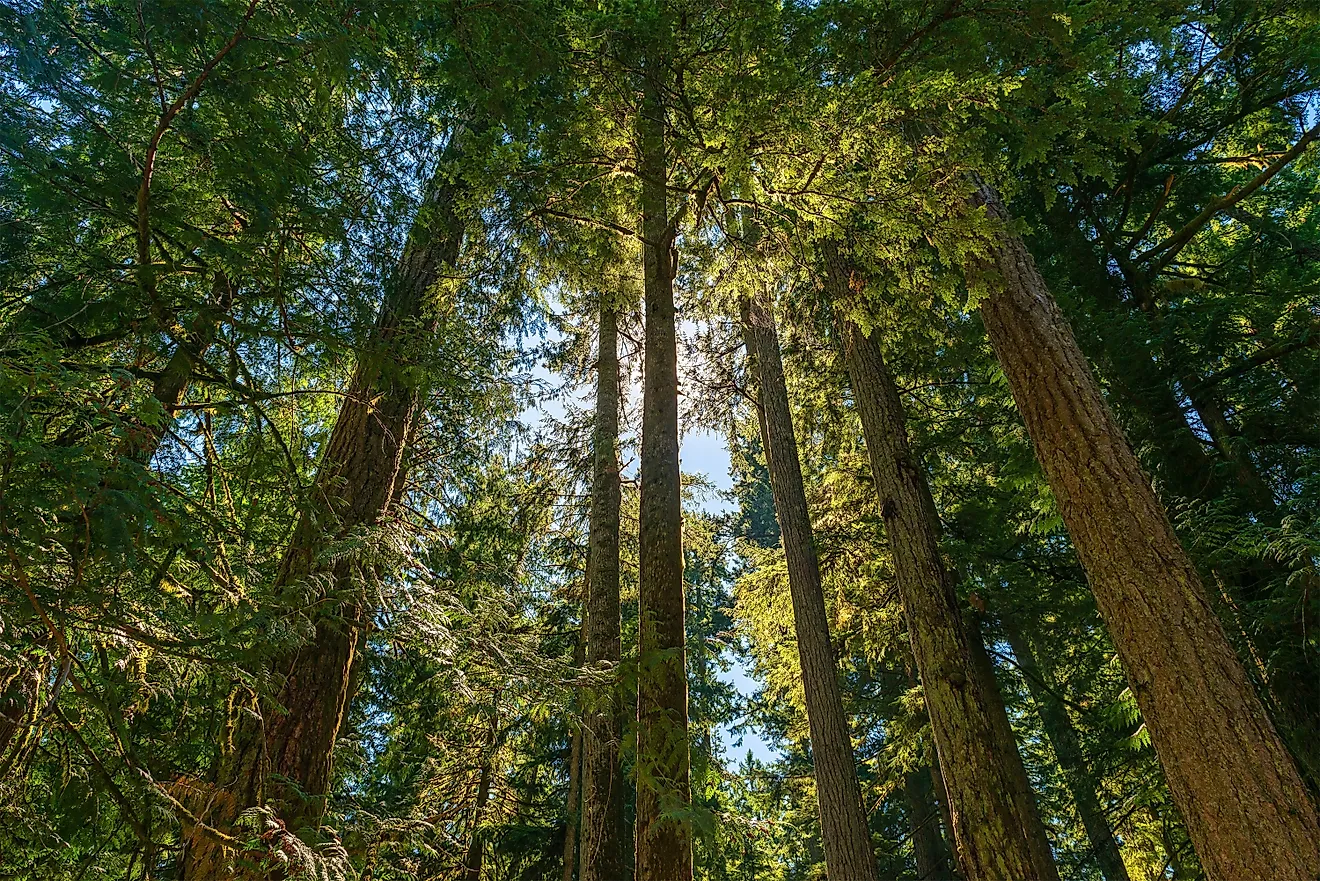
KP Hole Park, on the river, is the main launch for tubing and draws a crowd on summer weekends. Across the county line, the Withlacoochee State Forest has hiking through pine and hardwood, including a loop around Johnson Pond. The forest is one of the larger tracts of public land in this part of Florida, and the trails stay quiet on weekdays.
Chiefland

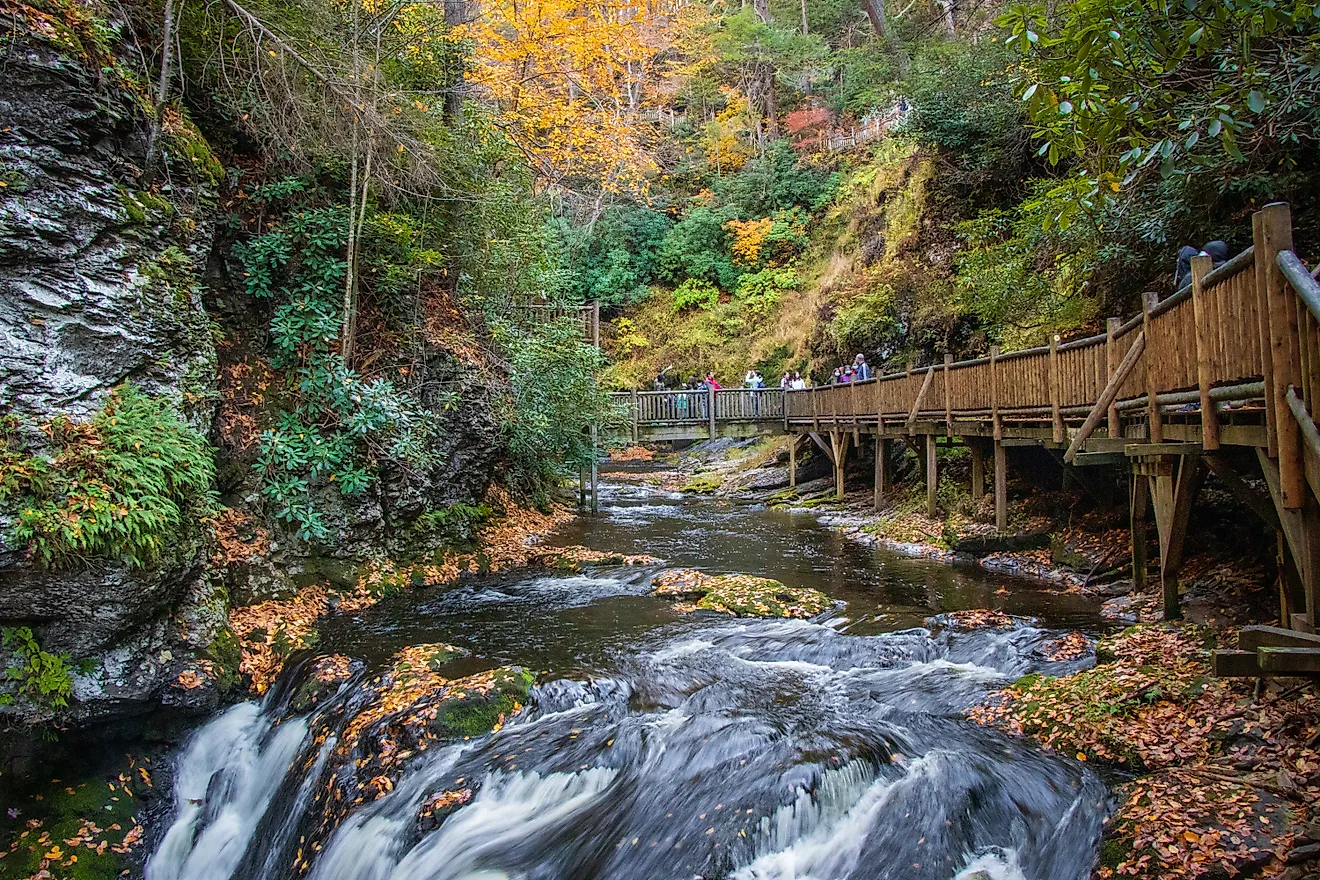
Chiefland is a small Levy County town a few miles inland from the Gulf. Manatee Springs State Park, west of town, is the reason most travelers stop. A first-magnitude spring pushes clear water down a short run to the Suwannee River, and in cold months manatees move into the warmer spring water. A boardwalk follows the run to the river through cypress and swamp.
In town, the Chiefland Farmers Flea Market runs on set days with produce, baked goods, and secondhand tables. The Levy County Quilt Museum keeps a rotating display of handmade quilts in a former church building. The town is mostly a base for the springs and the Suwannee, with motels and diners along the highway.
Mount Dora

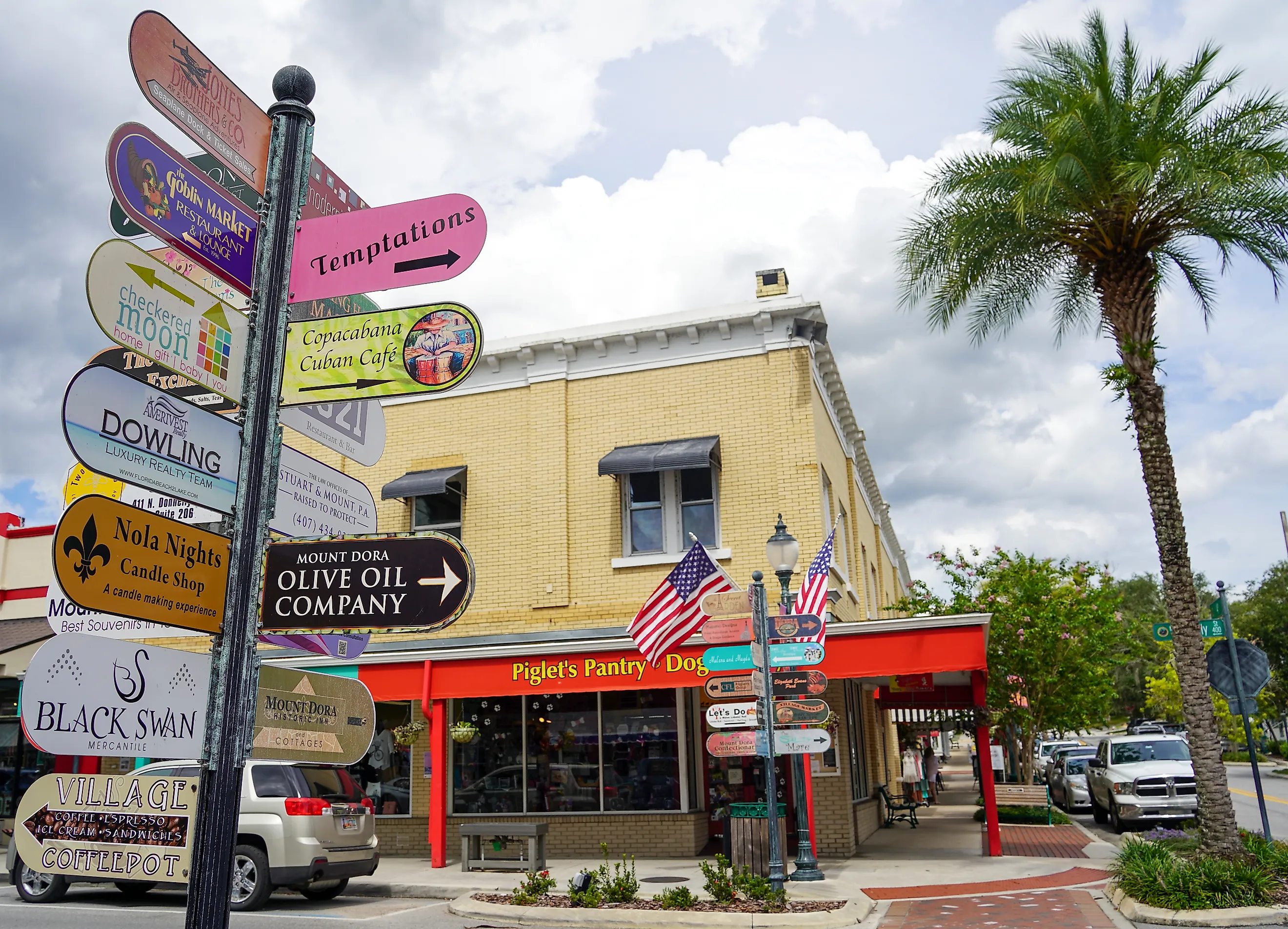
Mount Dora rises on a hill above Lake Dora, northwest of Orlando. The downtown is built for walking, with antique shops, a 1920s movie theater, and a lighthouse on the lakefront. Palm Island Park, at the edge of downtown, has a boardwalk through cypress wetland and a fishing pier on the water. Boat operators run lake tours and connect Lake Dora to the Dora Canal, a short cypress-lined stretch between lakes.
The town fills up for its festivals, the antique fairs, an arts festival, and a winter craft show that draw weekend crowds from across central Florida. The historic district holds a regular outdoor market with produce and crafts. Off the main blocks, the streets are residential and shaded, easy to wander between stops.
Micanopy

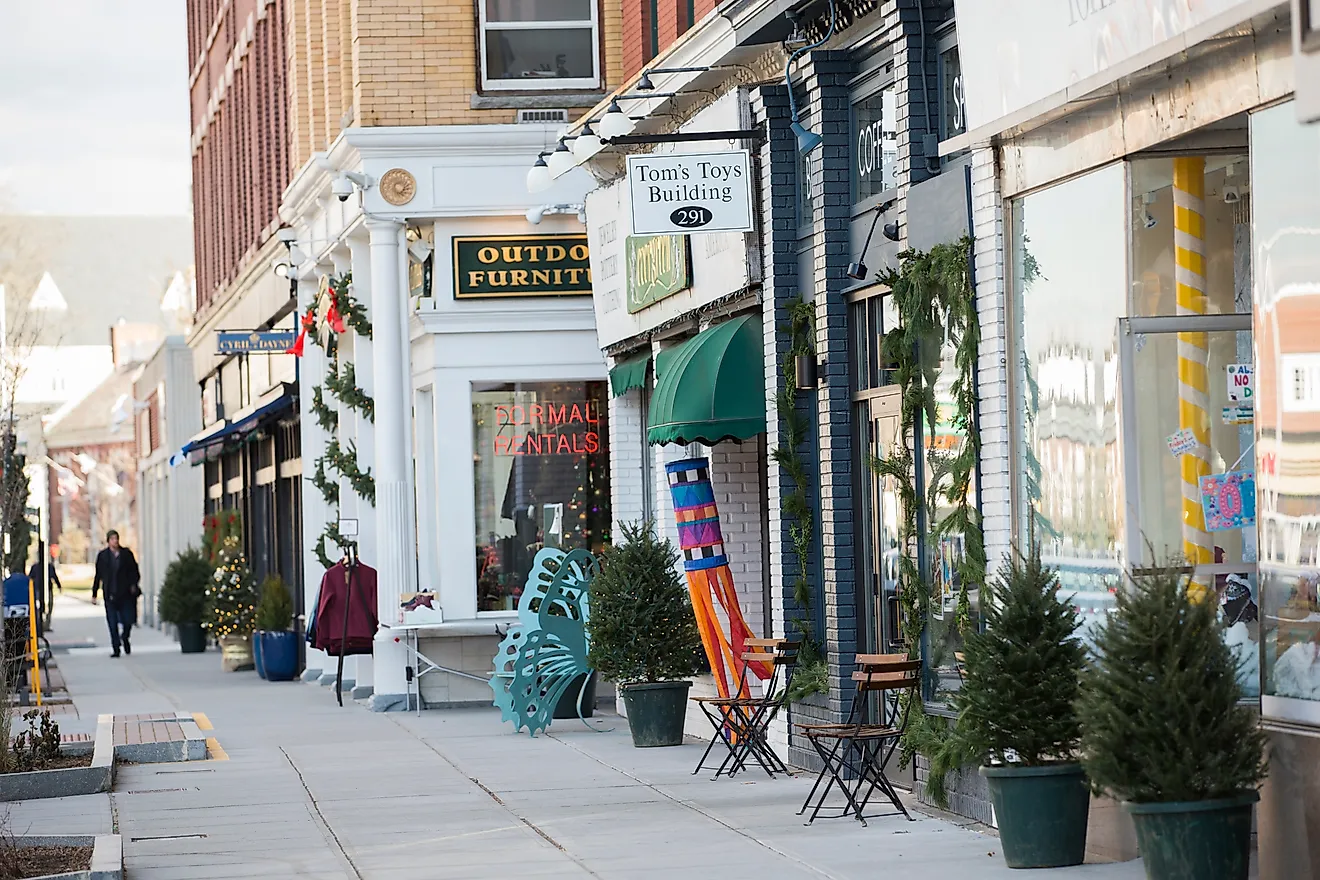
Micanopy is the oldest inland town in Florida, settled in 1821 and named for a Seminole leader. The main street, Cholokka Boulevard, runs under a canopy of live oaks hung with Spanish moss, lined with antique shops and old storefronts in the historic district. The Herlong Mansion, dating to an 1845 farmhouse later built up into a columned house, runs as a bed and breakfast on the boulevard. The Micanopy Historical Society Museum covers the town from the Timucua and Seminole periods forward.
Paynes Prairie Preserve State Park spreads north of town across more than 21,000 acres of wet prairie. A herd of bison and a band of wild horses live on the prairie, along with alligators, sandhill cranes, and several hundred bird species. An observation tower near the visitor center looks out over the open grassland, and the Gainesville-Hawthorne State Trail crosses the top of the preserve.
Cedar Key

Cedar Key marks the end of a road that runs out through salt marsh to the Gulf, southwest of Gainesville. It is a fishing and clamming town now, the clam farms having replaced an oyster trade that faded years ago. The waterfront has docks, stilt houses, and restaurants serving local clams and fish, and the sunsets over the Gulf draw people to the dock most evenings. Boat operators run trips out to the nearby keys and the Cedar Keys National Wildlife Refuge, where pelicans and herons nest.
The Cedar Key Museum State Park holds shell tools, old photographs, and the collection of a longtime resident, covering the town's days as a pencil-cedar and fishing port. The Island Hotel, a tabby-and-oak building from 1859, still operates downtown with a restaurant. The public beach near the city park is small but easy to reach on foot.
Destin

Destin stretches along the Panhandle coast, built around a harbor that calls itself one of the largest charter fishing fleets in the country. The beaches are white quartz sand and the water reads green over the shallows. Henderson Beach State Park, on the east side of town, keeps a stretch of dune and beach undeveloped, with a boardwalk and campground behind the sand.
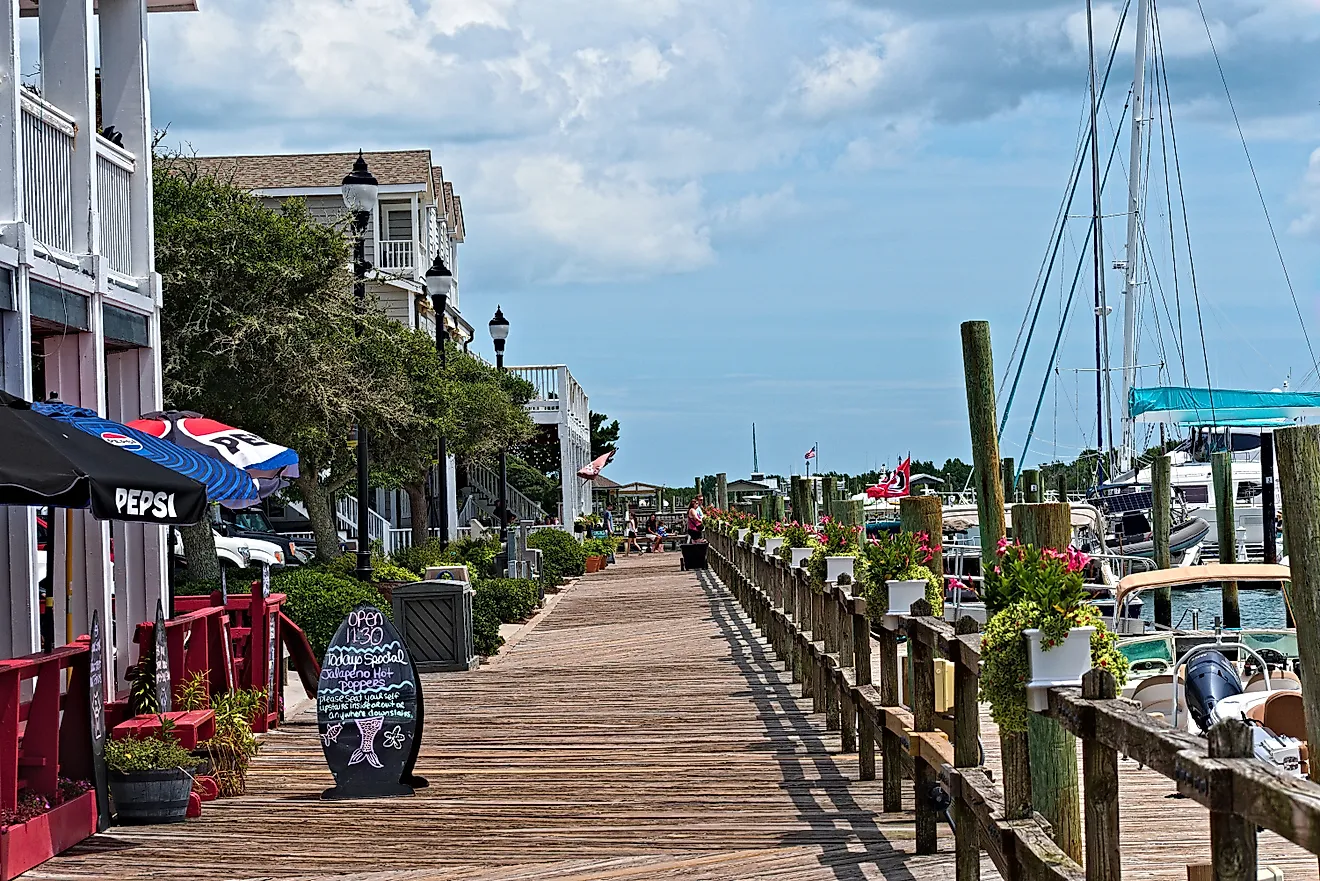
HarborWalk Village runs along the harbor with restaurants, boat docks, and the charter offices where trips leave for grouper and snapper. The fishing is the draw, and the docks are busiest in the afternoon when the boats come in to weigh the catch. Destin is the most developed town on this list, with the traffic and shopping that come with a Gulf resort strip.
St. Augustine

St. Augustine is the oldest continuously occupied European-founded city in the United States, settled by the Spanish in 1565. The Castillo de San Marcos, a coquina-stone fort built between 1672 and 1695, stands on the bayfront and still shows the angled walls and gun decks the Spanish laid out. The old town behind it is a grid of narrow streets, with St. George Street closed to cars and lined with shops and old houses.
The Cathedral Basilica faces the central plaza, its bell tower a marker across the low rooftops. The Old Jail, built in 1891, runs tours of its cells and yard. Matanzas Bay edges the historic district, and the seawall along it gives a long walk with the fort at one end.
Fernandina Beach

Fernandina Beach is on Amelia Island, in the far northeast corner of Florida near the Georgia line. The downtown along Centre Street is a Victorian district of brick storefronts, built when the island was a shipping port and the southern end of Florida's first cross-state railroad. Peters Point Beachfront Park, on the ocean side, has dunes, a boardwalk, and a wide beach.
The Amelia Island Museum of History, set in the old county jail, runs guided tours covering the eight flags that have flown over the island. The Amelia Community Theatre stages plays a few blocks off the main street. Fort Clinch State Park, at the north tip of the island, holds a brick coastal fort and beach overlooking the sound.
Tarpon Springs

Tarpon Springs spreads along the Gulf coast north of Tampa and was settled by Greek immigrants who came for the sponge trade. The Sponge Docks along Dodecanese Boulevard still sell natural sponges, and boats run out to demonstrate the old hard-hat diving. The Greek heritage runs through the town, in the bakeries, the markets, and St. Nicholas Greek Orthodox Cathedral a few blocks inland.
Hellas Restaurant and Bakery on Dodecanese Boulevard serves gyros, dolmades, and Greek pastries from its bakery counter. The Tarpon Springs Aquarium, near the docks, keeps tanks of local Gulf fish along with a shark tank and reptiles. The bayou and the docks make for a short walk, with the boats and sponge warehouses close together.
Pick One and Go
None of these towns needs more than a weekend, and several pair up easily for a longer one. Apalachicola and Cedar Key run on the water and the seafood that comes off it. Micanopy and St. Augustine trade on old streets and older history. Destin and Fernandina Beach put a beach within walking distance of dinner. The drive between any two of them passes through enough Florida, pine flatwoods, spring runs, salt marsh, to make the trip itself worth the time.