10 Best Small Towns To Retire In Italy
In Italy, retirement may involve becoming attuned to the timing of saffron harvests near Città della Pieve, knowing which bakery in Matera sells the freshest Pane di Matera, or taking a ferry across Lake Como before lunch. Taormina calls for mornings in lively piazzas and afternoons beneath the Ancient Theatre with Etna rising in the distance. In Cefalù, daily life moves between walks along the seafront promenade and evenings gathered beneath the Norman cathedral in Piazza del Duomo. From Sicily to Umbria, these towns suggest retirement may be at its best where regional cuisines still follow harvest calendars and everyday errands are set against vineyards, centuries-old cathedrals, or the Tyrrhenian Sea.
Matera

Matera’s Sassi districts, cave dwellings carved into limestone above the Gravina ravine, form one of the oldest continuously inhabited urban landscapes in the world. Walking through Sasso Caveoso and Sasso Barisano is akin to moving through a city written directly into rock. The terrain is steep in places, but that doesn't keep daily walks from being a major part of local life. Weekly markets, bakeries selling thick-crusted Pane di Matera, and cafés tucked into former cave dwellings elevate ordinary routines. Local cuisine also features peperoni cruschi, crisp sun-dried red peppers that add a smoky sweetness and signature crunch to many favourite dishes. Outside town, Murgia Park offers scenic trails and more cultural immersion, while the immense Palombaro Lungo cistern beneath Piazza Vittorio Veneto reveals centuries of water engineering.
Taormina

In Taormina, Sicily, retirement runs on sea views, pasta di mandorla pastries, and the unique pleasure of having nowhere urgent to be. Daily life settles along Corso Umberto between Porta Messina and Piazza IX Aprile, where cafés spill into stone piazzas and mornings often begin with granita from Bam Bar, one of the region's best-known institutions. The Ancient Theatre, framed by Mount Etna and the Ionian Sea, rewards repeat visits rather than one-time sightseeing. Those wanting exercise without committing to a long hike can climb toward Castello di Taormina or ride the cable car to Mazzarò Beach below. Evenings often involve outdoor dinners lingering near Piazza Duomo long after the heat fades.
Ischia

The volcanic island of Ischia off the coast of Naples has attracted people seeking thermal waters since Roman times, and its slower pace remains easy to appreciate. Mornings at Poseidon Thermal Gardens in Forio, naturally heated pools overlooking the Tyrrhenian Sea, set a restorative tone. Maronti Beach, the medieval Aragonese Castle, and concerts at La Mortella Gardens, created by composer William Walton and Susana Walton, keep daily routines varied. Sant’Angelo’s waterfront is ideal for evening strolls, and retirement here often takes shape through ferry rides to the city, seaside walks, and thermal bathing traditions.
Cefalù

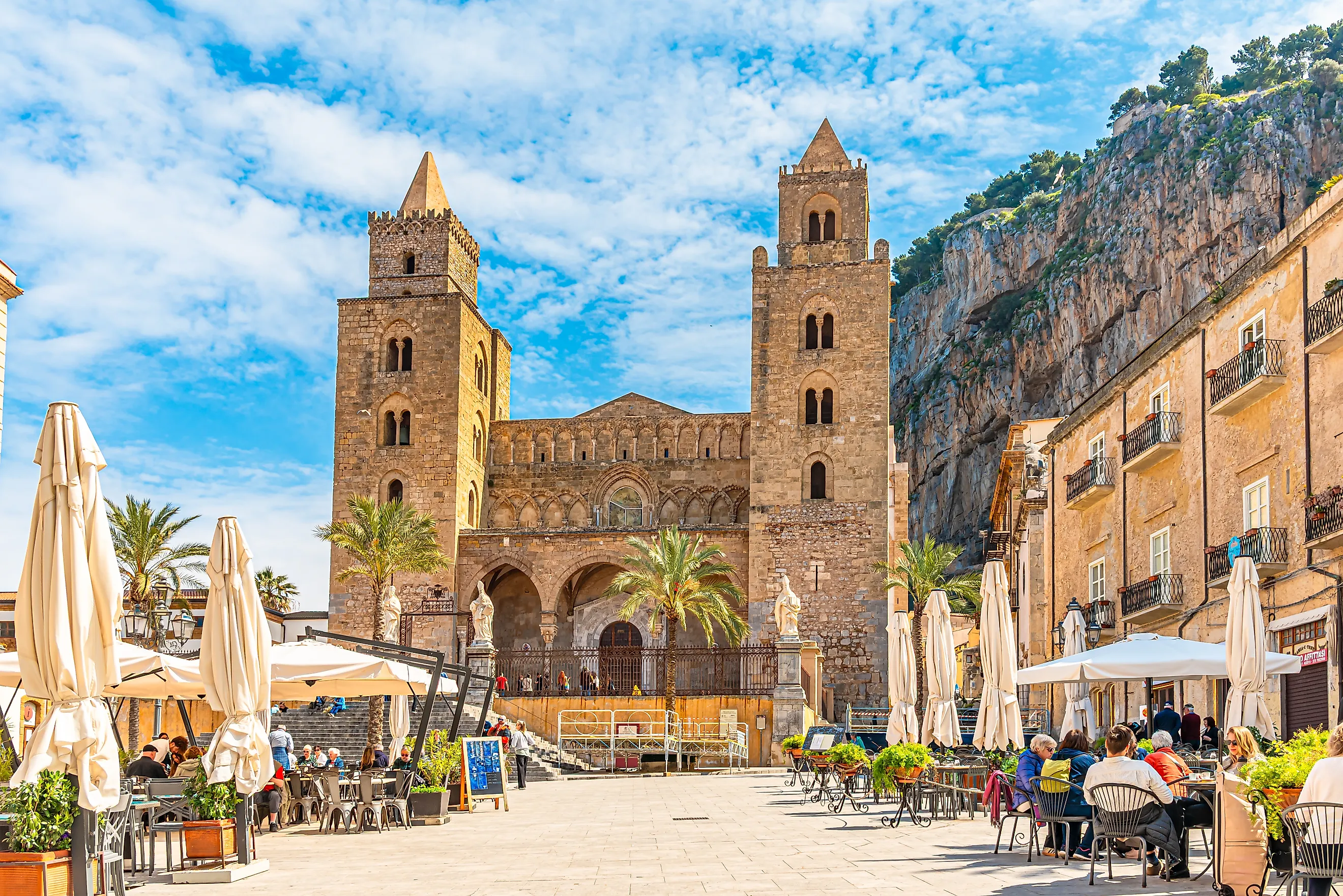
Cefalù’s Norman cathedral rises above terracotta rooftops with an authority that tends to stop visitors in their tracks to take it in. Tradition holds that Roger II ordered the cathedral built after surviving a storm at sea, and standing in Piazza del Duomo beneath its twin towers, the story feels believable. The cathedral is one of nine structures included in the UNESCO World Heritage Site known as the Arab-Norman Palermo and the Cathedral Churches of Cefalù and Monreale. The Lungomare Giuseppe Giardina promenade follows the shoreline for easy daily walks lined with cafés and boutiques, while La Rocca di Cefalù rewards a climb with views over the Tyrrhenian Sea and ruins of the ancient Temple of Diana.
Assisi

The rose-colored hill town of Assisi climbs Monte Subasio beneath the Basilica of Saint Francis, one of Italy’s most important pilgrimage sites. The entire town is a designated UNESCO World Heritage site and represents one of the best-preserved medieval towns in the world. To retire here is to claim a piece of history for your own, and then to share it with millions of visitors who flock to the town each year. Walking trails through Monte Subasio Regional Park pass olive groves and shepherd routes overlooking the Umbrian countryside. Piazza del Comune remains lively beneath the Roman Temple of Minerva, and annual celebrations like Calendimaggio pull residents into medieval reenactments each spring. Pallotta is a popular restaurant in front of the temple for authentic Umbrian cuisine.
Città della Pieve

Near the border where Umbria softens into Tuscany, Città della Pieve offers the kind of place where day-to-day life still unfolds on foot. Renaissance painter Pietro Perugino was born here, and his Adoration of the Magi remains inside the Oratory of Santa Maria dei Bianchi. Wandering narrow brick streets often leads to Vicolo Baciadonne, among the narrowest alleys in Italy. The surrounding countryside has cultivated saffron for centuries, celebrated through the annual Zafferiamo festival, when saffron appears in desserts, pasta dishes, and risottos throughout town. The slower rhythm and proximity to larger Umbrian cities make retirement in Città della Pieve practical yet slow-paced, without feeling isolated.
Orvieto

The historic funicular carrying residents to Orvieto from the valley below has operated since the late 19th century and gives this town a unique character. The cathedral’s mosaic-covered façade remains among Italy’s most striking Gothic landmarks, while beyond the Duomo, retirees can spend afternoons walking through the Albornoz Fortress gardens overlooking vineyards or descending into Orvieto Underground, a network of caves, wells, and storage chambers carved beneath the city over centuries. Orvieto's main street, Corso Cavour, is ideal for browsing ceramic shops or stopping for crisp glasses of Orvieto Classico made from grapes cultivated in the surrounding volcanic soils.
San Gimignano

San Gimignano’s Tuscan landscape is unmistakable. Fourteen of its medieval towers have survived centuries, including Torre Grossa, whose summit has overlooked the Elsa Valley since 1310. Piazza della Cisterna remains the social heart of town, while nearby estates produce Vernaccia di San Gimignano DOCG, among Italy’s oldest documented white wines. Retirement here often means afternoons at family vineyards during grape season or browsing shops selling saffron products, another local specialty cultivated in the surrounding countryside for centuries, and stops at Gelateria Dondoli, known internationally for award-winning flavours, turns ordinary errands into rituals.
Lecco

Many visitors to Lake Como head toward Bellagio and miss Lecco entirely, which helps preserve its slower pace and laid-back feel. Set along the lake’s eastern arm beneath the Grigna Mountains, the Lungolago promenade is the go-to spot for daily strolls. The Piani d’Erna cableway lifts visitors to alpine meadows above town, while the nearby Pescarenico district, once a fishing village and now one of Lecco’s most atmospheric neighbourhoods, remains lined with narrow streets and waterfront restaurants. Weekly outings might include browsing the Mercato di Lecco before stopping for risotto con pesce persico, butter-finished risotto with local perch, or missoltini, preserved lake fish tied to centuries of Como traditions at lakeside restaurants such as Trattoria Vecchia Pescarenico.
Bellano

Bellano offers Lake Como’s scenery without much of the performance. Positioned along the lake’s eastern shore, the town provides ferries to larger communities, including Bellagio and Varenna, making shopping, appointments, and day trips manageable without driving in tourist traffic. The dramatic Orrido di Bellano gorge, crossed by suspended walkways above rushing water, serves as the area’s standout natural attraction, while the nearby Sentiero del Viandante hiking route follows historic paths connecting villages above the lake with views toward the surrounding mountains. The Lido di Bellano is the perfect spot for lunch with friends, and the waterfront promenade encourages daily walks or summer swims, while seasonal markets maintain a distinctly local atmosphere. The Church of Saints Nazaro and Celso, with Renaissance artwork and a fifteenth-century bell tower, adds another layer of history near the center of town.
A Different Kind of Renaissance
Italy’s best retirement towns often measure time through ordinary pleasures: a market day in Matera, vineyard tastings near San Gimignano, morning walks along Cefalù’s seafront, or an evening ferry across Lake Como. Regional food is woven into daily and staying active can mean walking to buy bread, climbing toward a viewpoint, or lingering at a harvest festival. Retirement in these towns is less about slowing down and more about leaning into a life of leisure.