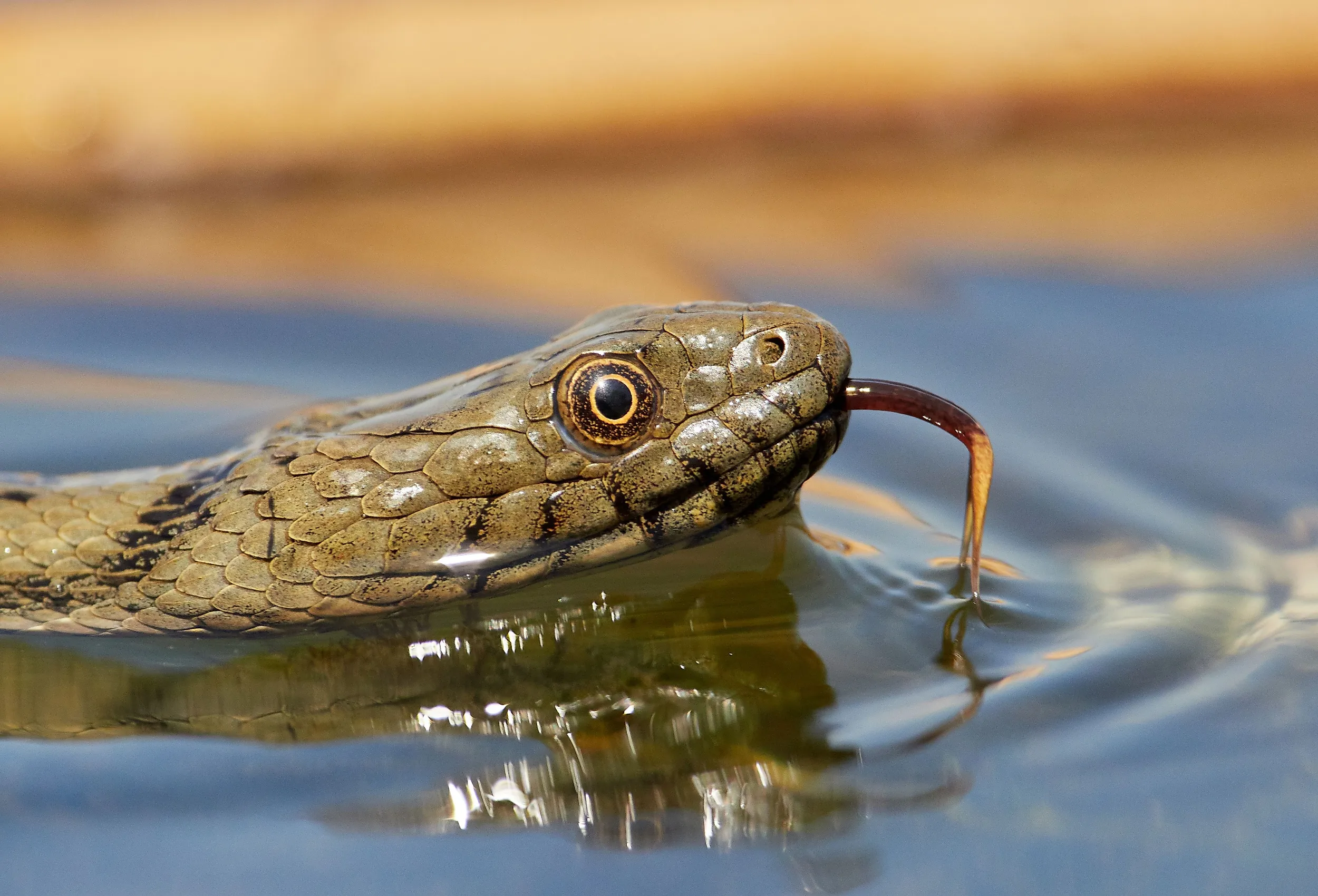
The 6 Most Snake Infested Lakes in the US
A perfect day on the water sometimes comes with an uninvited swimmer. Across the US, several popular lakes double as prime snake habitat, and the residents are often stronger swimmers than the tourists. Most want nothing to do with people and vanish long before anyone notices them; a few, like the cottonmouth, would rather hold their ground. These six lakes all carry a reputation for snakes. Here is what actually moves through the water at each one, and how worried you should really be.
Lake Tahoe, California

Lake Tahoe straddles the California-Nevada line high in the Sierra Nevada, and at 1,645 feet it is the second-deepest lake in the country, behind only Crater Lake. The water is famous for its clarity; on a calm day you can pick out objects 70 feet down, which means you can also spot whatever is swimming near you.
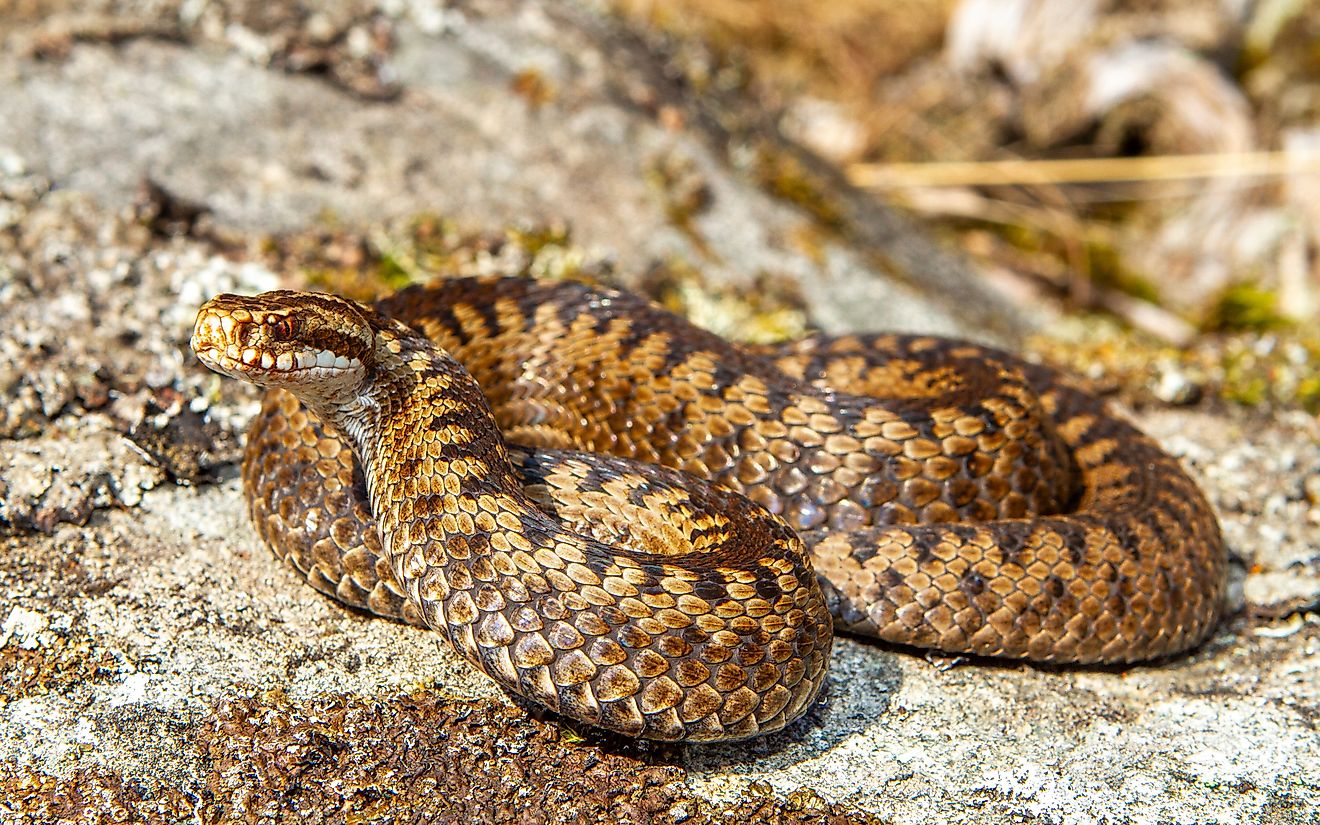
What you are most likely to see is a garter snake. They are common around the shoreline, harmless to people, and surprisingly strong in the water, so a thin dark shape cutting across the surface is usually one of them. Western rattlesnakes live in the Tahoe Basin too, mostly down at the warmer, lower elevations, though they are turning up higher more often as the climate warms. Both keep to themselves. Give a coiled snake room, and the worst part of your Tahoe day will still be the cold water.
Lake Martin, Alabama

Lake Martin is one of the South's great man-made lakes: more than 40,000 acres of water with around 750 miles of shoreline, all created when Martin Dam plugged the Tallapoosa River in 1926. It draws boaters, anglers, and swimmers all summer, which puts a lot of people in snake country.
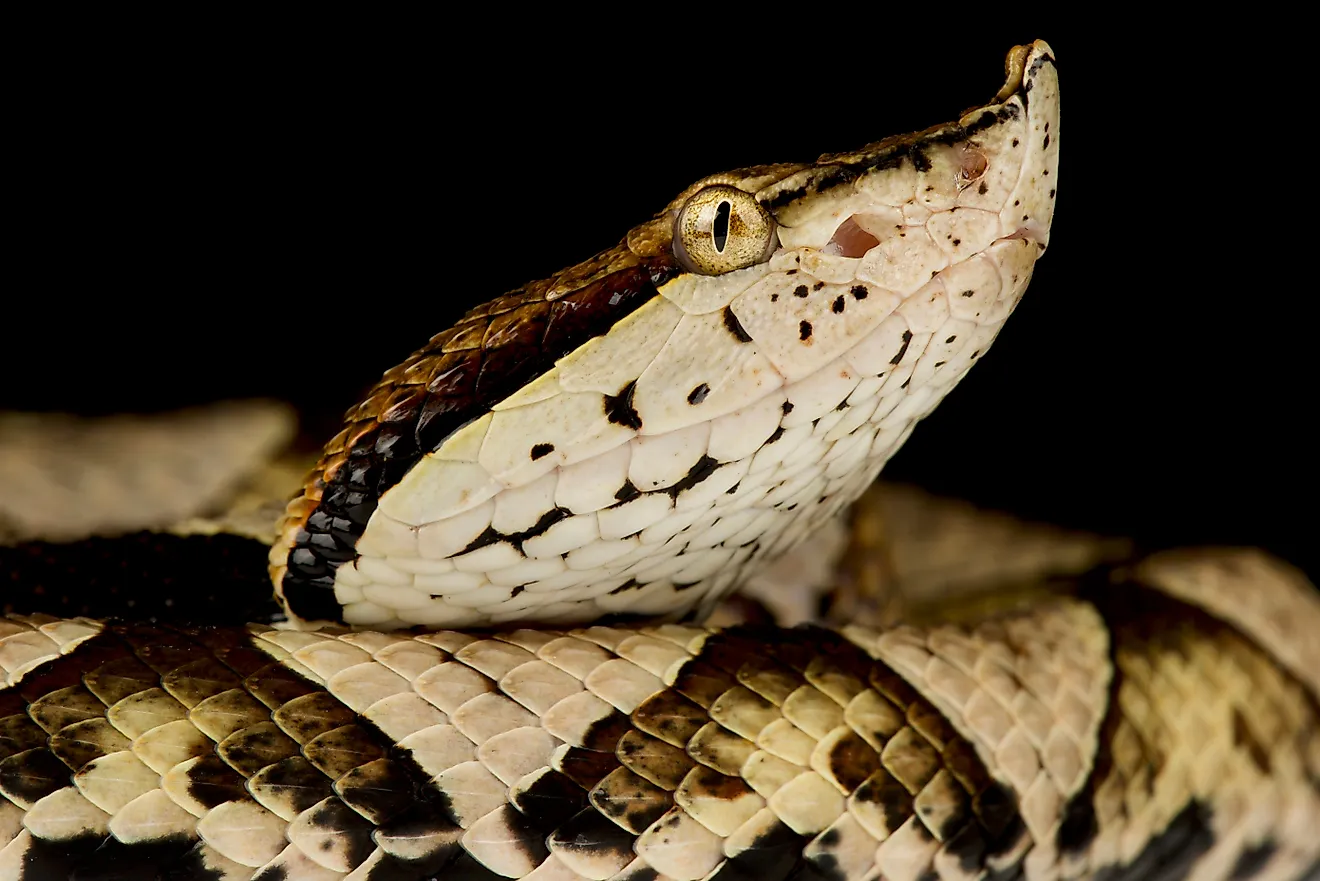
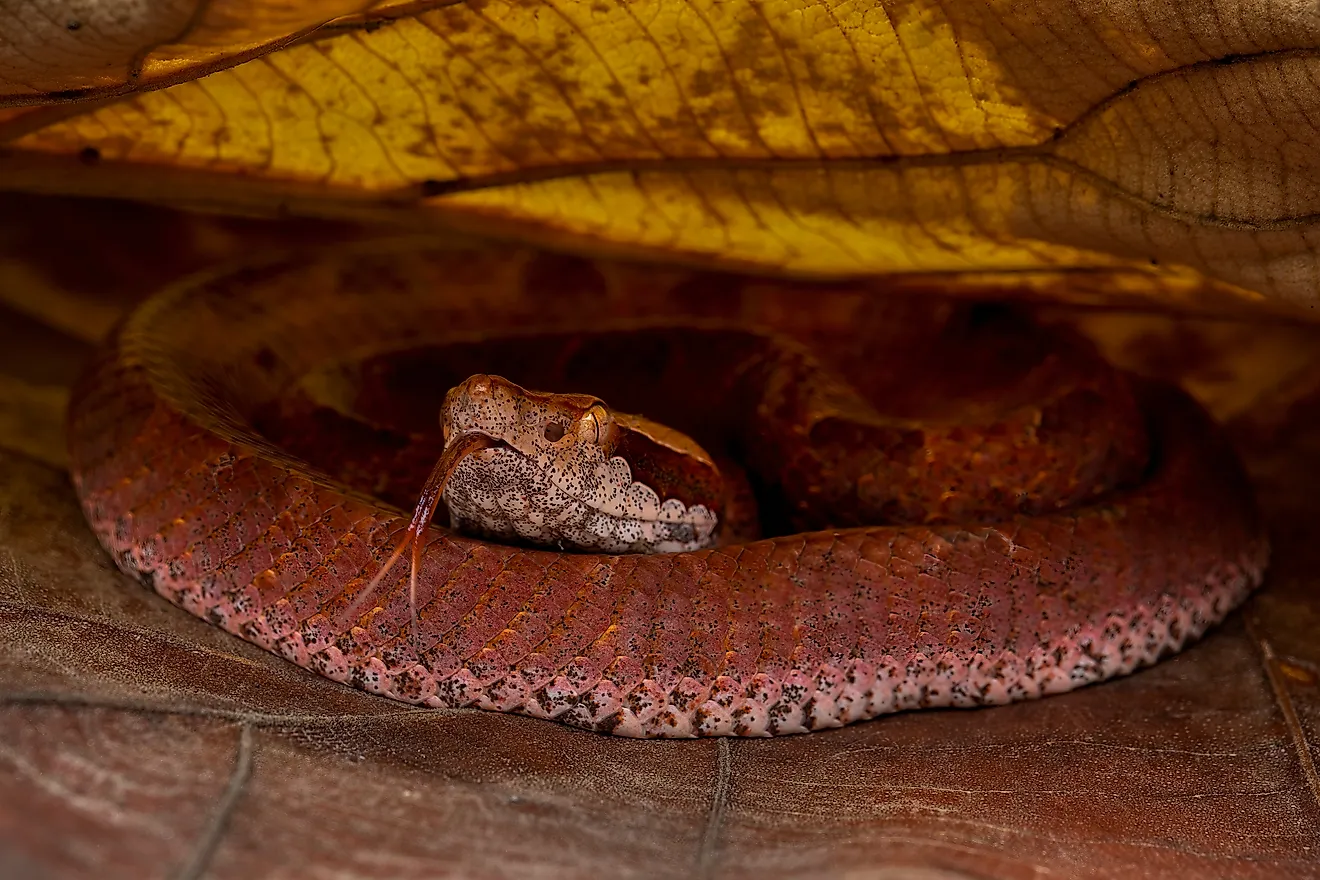
The one to know is the cottonmouth, also called the water moccasin. It is the only venomous snake in the region genuinely at home in the water, and unlike most snakes it will often stand its ground, mouth open, rather than flee. On land you might also cross a copperhead, a timber rattlesnake, or a pygmy rattlesnake. The copperhead is behind a lot of bites but relatively little danger; its venom is mild and its bites are rarely fatal. The cottonmouth is the one that earns real caution.
Lake Sweetwater, Texas

Lake Sweetwater is a modest water-supply reservoir built on Bitter and Cottonwood creeks in the late 1920s, a few miles from the West Texas town that shares its name. The lake itself is small, but its corner of Texas has a serious snake reputation, and the town leans all the way into it.
Every March, Sweetwater hosts the World's Largest Rattlesnake Roundup, a festival that has run since 1958 and pulls in tens of thousands of visitors; hunters brought in a record 24,262 pounds of western diamondback rattlesnakes at the 2025 event. Texas snakes outnumber those of any other state, with more than 100 species and subspecies, and around Lake Sweetwater that means western diamondbacks above all, with copperheads and cottonmouths in the mix. Swimming is off the table at this reservoir, but if you hike the trails, stay on them and watch where you put your feet.
Lake Erie, Ohio

Lake Erie is the fourth-largest of the Great Lakes by area and the shallowest, with shoreline in Ohio, Michigan, Pennsylvania, New York, and the Canadian province of Ontario. Ohio claims the longest stretch, along with the warm, sandy beaches that make the lake a summer magnet.
Its signature reptile is a comeback story. The Lake Erie watersnake was listed as threatened in 1999, when fewer than 2,000 were left; after habitat protection and an unexpected assist from invasive round gobies, which became its main food, the population climbed past 12,000 and came off the federal list in 2011. Today the nonvenomous snakes pile up by the hundreds on the rocky shores of the western islands, like Kelleys and South Bass. They will bite if you grab one, but the real surprise is that a snake once near vanishing is now almost impossible to avoid out there.
Lake Seminole, Georgia

Lake Seminole sits where the Chattahoochee and Flint rivers meet behind the Jim Woodruff Dam, a 37,500-acre reservoir in the southwest corner of Georgia, right where the state meets Florida and, a little farther west, Alabama. Its bass fishing is good enough to pull tournament anglers from across the country.
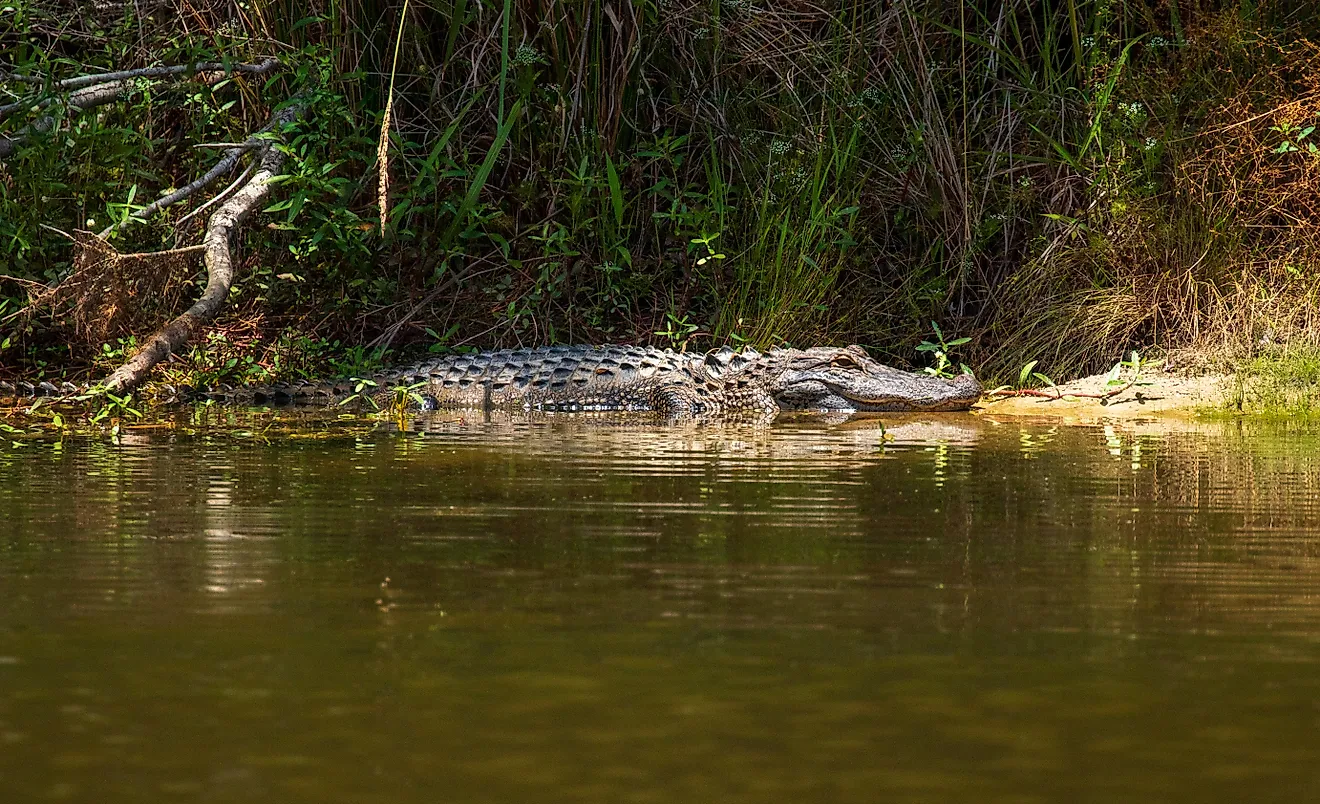
The snake worth identifying correctly is the cottonmouth. It is routinely confused with the harmless watersnakes that share the shallows, and the difference matters: a cottonmouth tends to stand its ground and gape that cotton-white mouth as a warning, while a watersnake bolts for cover. Rattlesnakes turn up in the surrounding pine woods, and the lake's largest reptile is not a snake at all but the American alligator, which is common throughout these waters.
Lake Mead, Arizona

Lake Mead is the bright blue surprise of the Mojave: the largest reservoir in the country by capacity, held back by the Hoover Dam on the Colorado River and ringed by stark desert. Drought has dropped its level sharply in recent years, but it still draws millions of boaters, swimmers, and anglers.
Desert heat suits snakes, and Mead has four kinds of rattlesnake to prove it: the Mojave, the western diamondback, the sidewinder, and the southwestern speckled. The Mojave is the one herpetologists single out, carrying a potent neurotoxic venom that ranks it among the most dangerous rattlers in the country. All four are capable swimmers, so open water is no guarantee of distance. The good news is that the harmless kingsnake patrols the same shoreline, and it happens to eat rattlesnakes.
Sharing The Water
None of this is a reason to stay home. Snakes are part of a healthy lake, and the vast majority would rather avoid you than meet you; most bites happen when someone steps on a snake or reaches blindly into cover. Keep your distance, watch your footing near the shoreline, and never try to handle or kill one. If a venomous snake does bite, skip the folk remedies and get to medical help quickly. Treat the water and its residents with a little respect, and the snakes stay what they should be: a story you tell afterward, not the reason the day went wrong.