The Beach Towns Where Winter Is The Best Season
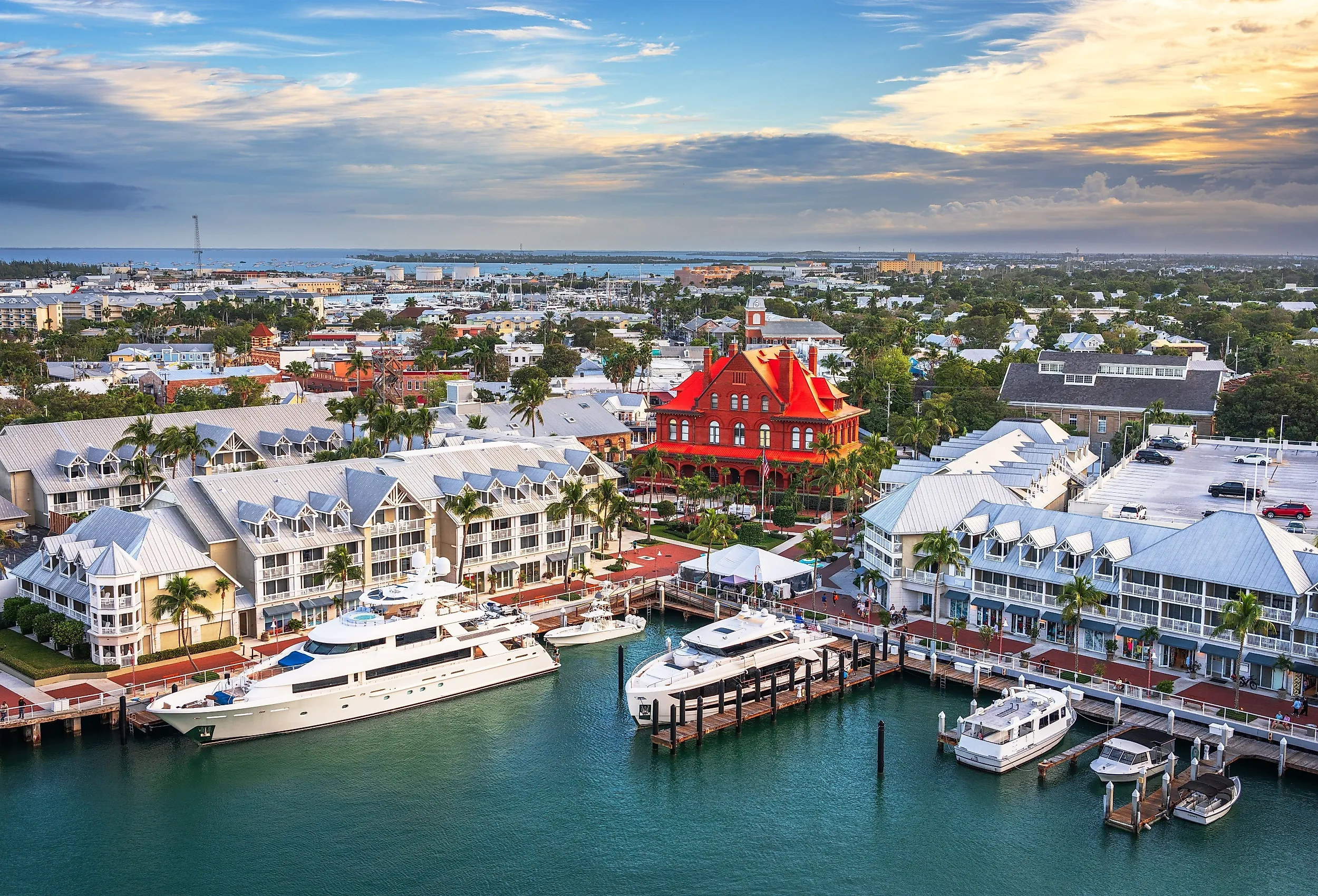
Winter empties most beach towns. In seven of them, it is prime time. Their best stretch runs December through March: the driest skies, the biggest events, the thinnest crowds of the year, and summer is the stretch to skip. The clearest case is Key West, where the summer rain is gone, the days sit near 74 degrees, and the island fills for its food and wine festival. The other six run on the same winter logic, built around an event or an arrival that only happens in the cold months. Catch them before spring, when the season is over for the year.
Cambria, California

On the central California coast, the biggest winter event takes place on a beach up Highway 1 from Cambria, where January is the busiest month of the year for elephant seal births. The Piedras Blancas rookery, seven miles north of San Simeon, is free and open every day from sunrise to sunset, with a wheelchair-accessible viewing platform above the sand. Pups weigh about 70 pounds at birth, and a recent season produced about 4,000 of them, while bulls up to 16 feet long fight for mating rights through December and January. Docents from Friends of the Elephant Seal are often on hand, and a morning visit beats the colder, windier afternoons.
Closer to town, the Moonstone Beach Boardwalk runs about a mile along the shore, and the one-mile Bluff Trail in Fiscalini Ranch Preserve follows the cliffs above the water, where migrating whales pass offshore. After dark, the Cambria Christmas Market covers the grounds of Cambria Pines Lodge and Cambria Nursery with more than 3 million lights on select nights through December 31, 2026, open 5 to 9 p.m., with tickets starting at $25.
Dana Point, California

Farther down the coast in Orange County, Dana Point's headlands sit right on the gray whale migration route, and the whales are believed to use them as a landmark while traveling within a mile or two of shore. The southbound run peaks in December and January, and the northbound return lasts into spring. A trail system of more than three miles crosses the Dana Point Headlands Conservation Area, starting near the Nature Interpretive Center on Scenic Drive, with overlooks facing the open water. One branch connects to a free funicular that carries walkers down the bluff to Strands Beach. Below the headlands, Dana Point Harbor is the departure point for whale-watching cruises and home to the Ocean Institute, and on March 5 through 7, 2027, the 56th Festival of Whales fills the harbor and Lantern Bay Park with a parade and marine science displays timed to the northbound migration. Doheny State Beach, just east of the harbor, has picnic areas and a campground steps from the sand.
Rockport, Texas

Texas has a winter wildlife trip of its own, and it leaves from Fulton Harbor in neighboring Fulton, just north of Rockport. Birding boat tours run November through March, usually last about three hours, and follow the shoreline of Aransas National Wildlife Refuge, the winter home of the only naturally migrating wild flock of whooping cranes.
The U.S. Fish and Wildlife Service estimated that about 540 whooping cranes wintered around the refuge in the 2025-26 season, including at least 57 juveniles. Adults stand over five feet tall with a seven-foot wingspan, and they spend the season wading the salt marsh for blue crabs, their main food. Winter is the refuge's busiest wildlife-viewing season, and local tourism officials point to the weeks between Thanksgiving and Christmas for mild weather and small crowds.
Rockport Beach on Aransas Bay was the first in Texas certified as a Blue Wave Beach, and vehicles and dogs are kept off the sand. Goose Island State Park, north of town, is home to the Big Tree, a centuries-old coastal live oak, along with a 1,620-foot fishing pier. Downtown, the Rockport Center for the Arts on South Austin Street charges no admission, and fall and winter are prime months for landing a bull red in the surrounding bays.
Naples, Florida

Across the Gulf in Southwest Florida, winter is the dry season in Naples, with long sunny days December through April and January highs averaging about 74 degrees. The dry weather matters most inland at Audubon's Corkscrew Swamp Sanctuary, where a 2.25-mile wheelchair-accessible boardwalk crosses the swamp. As the water drops through the season, fish and other prey collect in deep pools such as the Lettuce Lakes, and wading birds gather to feed within sight of the boardwalk. Painted Buntings are among the winter visitors, and the sanctuary's Rooney Café is open December 16 through April 30.
In town, the Third Street South Farmers Market sets up on Saturday mornings from 7:30 to 11:30, and Fifth Avenue South, the main downtown strip, is lined with restaurants. Naples Botanical Garden has subtropical plantings and walking trails that are most comfortable to explore before the humid months return.
Key West, Florida

Farther south, at the end of the Florida Keys, the island's winter calendar peaks with the Key West Food & Wine Festival, held January 27 through 31, 2027. The five-day festival is built around walking wine strolls down Duval Street and chef dinners inside historic houses. Every event requires an advance ticket and is limited to guests 21 and older, and most sell out. Late January sits in the middle of the Keys' dry season, when less than two inches of rain falls in a typical month and daily highs bottom out around 74 degrees.
During the day, the island is the jumping-off point for trips to Dry Tortugas National Park, about 70 miles west, and on the island's southwestern tip, the beach at Fort Zachary Taylor Historic State Park has shore snorkeling over colorful fish and soft corals. On any winter evening, the Sunset Celebration at Mallory Square starts about two hours before sundown, with jugglers and musicians working the dock while food carts fry conch fritters.
Haleiwa, Hawaii

The last two towns are in Hawaii, where the winter draw is the surf. Haleiwa sits on Waialua Bay at the west end of Oahu's North Shore, and the summer and winter coastlines there look like two different places. Sharks Cove and Three Tables are calm snorkeling spots in summer, but they turn dangerous once the winter swells roll in, and those swells can reach 50 feet along this shore.
That surf is the whole reason to come in December. Haleiwa Ali'i Beach Park, on the edge of town, is a World Surf League contest venue where spectators can watch heats from the sand and walk a few minutes to food stands and shave ice between them. The Pipe Masters runs December 8 through 20, 2026, at Banzai Pipeline, a short drive up Kamehameha Highway, and watching from the seven-mile stretch of road between Haleiwa and Sunset Beach requires no ticket. Waimea Bay, a favorite for summer swimming, becomes a big-wave break on the largest winter days. Matsumoto Shave Ice has been serving shave ice in town since 1951, and the galleries and surf shops along Kamehameha Highway fill the hours when the ocean goes flat.
Kihei, Hawaii

Over on Maui, winter whale watching can start right on the beach in Kihei, on the island's south shore. The Hawaiian Islands Humpback Whale National Marine Sanctuary runs a beachfront visitor center at 726 South Kihei Road, at the south end of Kalepolepo Park, with spotting scopes on its viewing area. Humpbacks are in Hawaiian waters roughly November through May, and February is usually the single busiest month. The center is open on weekdays and hosts public lectures three mornings a week at 10 a.m.
World Whale Day lands in February at the height of the season. In 2026, Pacific Whale Foundation's parade ran along South Kihei Road between Kamaole Beach Park I and Kalama Park, and past festivals have filled Kalama Park with hula performances and Made on Maui craft booths.
For a more hands-on morning, shoreline whale counts take place on the final Saturday of each peak-season month, with volunteers tallying humpbacks from sites around the island, the sanctuary visitor center among them.
Every one of these winter seasons has an end date. At Piedras Blancas, the last adult elephant seals are gone by March, and by April the whooping cranes near Rockport are beginning their 2,500-mile trip back to Canada. Maui's season lasts a little longer, since the last humpback mothers and calves usually leave Hawaiian waters for Alaska by early May, and Dana Point's gray whales keep passing northbound into May as well. Florida's dry season runs through April, and hotel occupancy in Key West peaks between January and March. Timing decides these trips, because a visit to Kihei in June or Rockport in July lands in a pleasant beach town with no whales offshore and no cranes in the marsh until the following winter.