7 Snake Infested State Parks In Kentucky
Kentucky offers wild corners where limestone caves open into shaded hollows, cliffline overlooks frame plunging streams, and quiet shorelines invite anglers and hikers alike. Those who seek adventure and natural history will find both in Kentucky’s state parks: cavern systems and karst corridors, sandstone arches and river gorges, broad lakes and bottomland forests. Below are highlights of where karst and cliffline habitat intersects with the ranges of the copperhead, and where the timber rattlesnake appears in more remote ridgelines, so visitors can plan outdoor time with awareness and respect.
Expect guided cave tours, miles of hiking trails, abundant birdlife, and the occasional encounter with local herpetofauna where rock outcrops, ledges, and leaf litter provide ideal cover. Ready your pack and lace up your boots for seven parks where karst topography and native snakes play a central role in the landscape and visitor experience.
Carter Caves State Resort Park

Carter Caves State Resort Park is defined by its subterranean wonders and the karst landscape that forms natural bridges, cavern entrances, and cave passages. Aboveground trails lead to open rock shelters and cliffline overlooks where the forested slopes drop into ravines, and underground excursions reveal speleothems and a 30-foot underground cascade. The park’s cave system, which includes show caves available by guided tour, supports cool, humid microhabitats that differ sharply from sunny ridge tops, and those microhabitats attract an array of invertebrates, amphibians, and occasionally reptiles that use cave mouths and rocky outcrops for shelter.

Hikers in oak-hickory woods should watch their step on talus slopes and along cliffline edges, since venomous snakes such as the copperhead prefer shaded, rocky hillsides and downed wood for ambush sites. Nonvenomous species are also common, including the black rat snake and the northern water snake, which use rock ledges and riparian edges for hunting and shelter. Park staff operate educational programs that explain karst formation and the fragile cave ecosystems, and visiting during an interpretive program will deepen understanding of why karst landscapes support unique plant and animal communities.
Natural Bridge State Resort Park

At Natural Bridge State Resort Park, a dramatic sandstone arch crowns a plateau of cliffs and gullies, and the area sits adjacent to the Red River Gorge geological area, where cliffline habitat and steep sandstone canyons are dominant. Trails wind past overlooks, through mixed mesophytic forest, and to the stone span itself, where generations of visitors have paused for the view. The cliffline and talus below provide crevices and sun-warmed rock for reptiles, while nearby forest floors and streamside thickets support amphibians and small mammals that form a food base for predators.

The park’s proximity to the larger national geologic area means the regional ecology includes timber rattlesnakes and copperheads in appropriate habitats, particularly on ridges and in shaded rock fissures. Nonvenomous species such as the eastern ratsnake and the northern water snake are also part of the local herpetofauna, and they commonly use the talus and forest edge for foraging. Naturalists and photographers will find endless compositional opportunities among the bridge, the cliffs, and the trails, and guided hikes and interpretive materials explain both the human and deep-time history of the landscape.
Cumberland Falls State Resort Park

Cumberland Falls State Resort Park centers on a spectacular waterfall that plunges into a rugged gorge carved through bedrock, creating misty spray and an atmosphere unlike the surrounding uplands. The gorge walls and surrounding forests create a mosaic of microhabitats: north-facing coves with cool, mesic conditions; sunlit ledges that warm in the day; and zones that hold moisture into late summer. These varied niches support abundant birdlife and a range of reptiles and amphibians, and the park is famous for the optical phenomenon known as the “moonbow” that appears in the falls’ mist under a full moon.
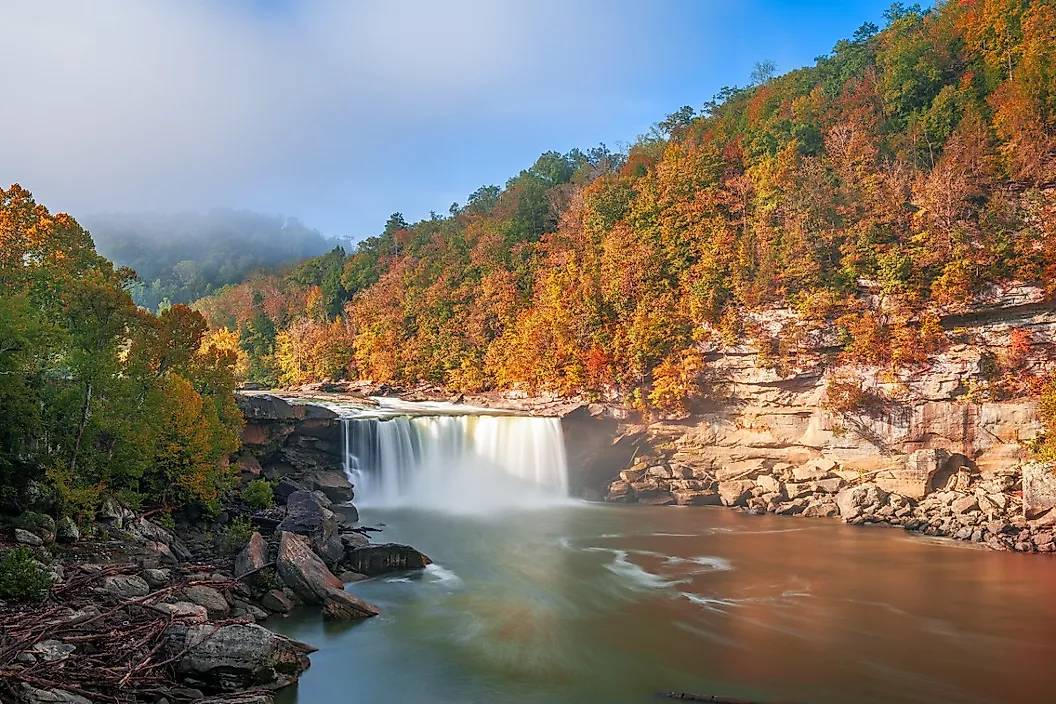
Visitors should be mindful of narrow overlooks and along unpaved, rocky trails where snakes may sun themselves or shelter in crevices. Venomous species such as the copperhead and the timber rattlesnake may occur in remote rock fissures and ridge habitat, while water-associated species, including the northern water snake, frequent riparian edges. Visitors should take note of the geology that created the falls and the importance of leaving wildlife undisturbed while enjoying views from designated overlooks and trails.
Grayson Lake State Park

Grayson Lake State Park surrounds a large reservoir whose coves carve into sandstone ridges and produce a shoreline of steep bluffs and shallow benches. The combination of open water, woods, and sandstone cliffs creates habitat diversity that supports fishers, paddlers, and hikers, and that also provides denning and hunting ground for snakes that use shoreline debris, rocky outcrops, and adjacent forest for cover. The lake’s recreational focus includes fishing for largemouth bass and smallmouth bass, trail networks that follow ridge lines and lake edges, and paddling routes into quiet coves where geology and vegetation meet the water.

Common species along the lake include the northern water snake and the black rat snake, and the copperhead may use adjacent forested slopes for ambush hunting. Park signage emphasizes safety and conservation around the lake, and anglers and campers should store food properly and practice caution when walking among rocks and logs at the water’s edge. The Army Corps of Engineers and park managers provide rules and resources to help visitors enjoy the lake while protecting the habitats that support its diverse wildlife.
Greenbo Lake State Resort Park

Greenbo Lake State Resort Park features a small lake set into rolling forestland, a fieldstone lodge, and trails that traverse mixed hardwoods and rocky knolls. While the lake offers calm waters for boating and fishing, the shorelines and adjacent upland forest include rocky outcrops, old stone walls, and downed logs where snakes and other reptiles find cover. The park’s topography is gentler than the cliffline parks farther east, but where rock outcrops appear, the local herpetofauna will use them as basking or ambush sites. Expect to encounter nonvenomous species such as the eastern ratsnake and the common garter snake on trails and near the water, and take care in areas where copperheads may shelter among stone walls and brush.
Hikers should remain on maintained trails, and families visiting playgrounds and picnic areas should supervise pets and children, especially near brushy or stone-filled edges. Park programs include naturalist-led walks that identify native plants and animals, and learning to recognize common species and safe behavior in snake country reduces risk while increasing enjoyment of the outdoors.
John James Audubon State Park

John James Audubon State Park protects a blend of floodplain forest, a bald cypress slough, and upland bluffs along the Ohio River that combine to give a distinct mosaic of habitats. The park honors the naturalist and painter whose work chronicled regional birdlife, and it preserves mature, north-facing mesic forest on bluffs where trees more than two hundred years old still stand. Wetlands and sloughs provide breeding habitat for amphibians and waterbirds, while woods and park areas shelter reptiles that favor shaded crevices and leaf litter.

Common species in the riverine and bluff habitats include the northern water snake and the eastern ratsnake, while copperheads are occasionally recorded in bluffline woods and talus pockets. The park’s museum and nature center offer field guides and programming that explain local ecology, and birders who visit during migration will find abundant species alongside the quieter presence of snakes that rarely seek human contact. Respectful observation and simple precautions, such as staying on trails and wearing sturdy footwear, allow visitors to appreciate the diversity of plants and animals without unnecessary disturbance.
Pennyrile Forest State Resort Park

Pennyrile Forest State Resort Park occupies a large tract within the western uplands where oak and hickory dominate, and a 56-acre lake complements miles of hiking trails. The park’s forested hills, scattered limestone outcrops, and riparian corridors create suitable habitat for snakes that use rock ledges, hollow logs, and dense leaf litter. Recreational offerings include golf, picnic areas, and trail loops for hikers and equestrians, and management notices sometimes adjust beach or access policies to protect visitor safety and the resource itself.
Venomous species such as the copperhead and timber rattlesnake may be present in remote ledges and ridge habitat, while nonvenomous species such as the black rat snake are common in forest interiors and near structures. Visitors with an interest in herpetology will find field observation opportunities, but the primary advice is to keep a respectful distance from any wild animal and to report sightings of venomous snakes to park staff if they are in high-use areas. Park staff and materials provide guidance on safe coexistence, and seasonal changes shift animal behavior, so spring and fall offer different experiences for wildlife viewing.
Explore Kentucky’s Wild Parks Responsibly
Kentucky’s state parks combine dramatic geology, living history, and a lively roster of wildlife that includes snakes adapted to karst and cliffline habitat, and to lake and river shorelines. The state’s parks are home to well-maintained trails and resources to help visitors enjoy the outdoors while minimizing impacts on fragile cave systems, riparian zones, and forest ecosystems. The terrain and habitats create a patchwork of cool, moist caves and warm, sunlit ledges, and those contrasts produce predictable places where reptiles will appear.
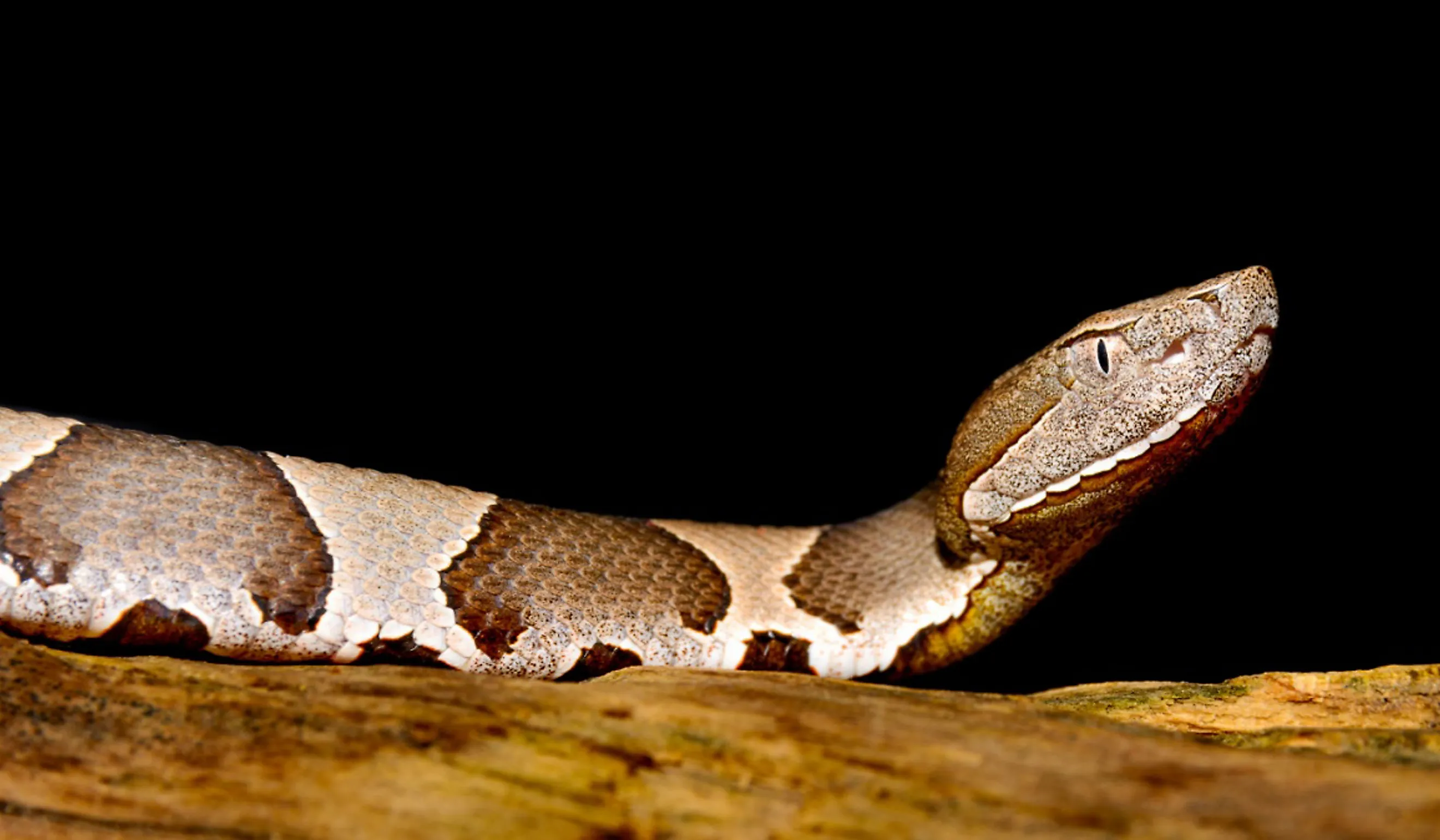
The copperhead, which occurs widely across Kentucky, favors rocky, wooded hillsides, lowlands near streams, and areas with abundant ground cover, while the timber rattlesnake concentrates on forested ridges and remote rock outcrops. Knowledgeable visitors treat snakes as an expected part of the landscape rather than a reason to avoid these parks, and simple precautions such as staying on trails, watching where one steps, keeping dogs on leash, and giving any snake a wide berth reduce risk greatly.