7 Snake Infested State Parks In Colorado
Colorado has a diverse landscape, ranging from grass-covered prairies in the east to the Rocky Mountains in the west. Many state parks have been established in Colorado that draw in outdoor enthusiasts from far and wide to experience Colorado’s natural scenery. However, people are not the only ones frequenting Colorado’s state parks. Many different species of snake, both venomous and nonvenomous, are found living in these habitats. These are the seven most snake-infested state parks in Colorado.
Lake Pueblo State Park

Lake Pueblo State Park’s main focal point is the lake it is named after, which comprises 4,600 surface acres of water, 60 miles of shoreline to relax in, and almost 10,000 acres of land surrounding the lake. The park offers activities both on and off the water, including swimming, fishing, boating, hiking, biking, and picnicking. Regardless of what activities you indulge in here, you can always enjoy views of the Greenhorn and Wet mountain ranges.
Some visitors to the park report seeing snakes with pinkish, reddish, or light-toned backs, which are often coachwhips (Coluber flagellum). Coachwhips are fast-moving snakes with coloration that can range from tan to brown and occasionally reddish tones. They predominantly live in short grass or hilly prairies but may also inhabit canyons, sandhills, and riparian woodlands. As snakes that can attain lengths of 80 inches, their prey ranges from small mammals and birds to turtles.
Roxborough State Park

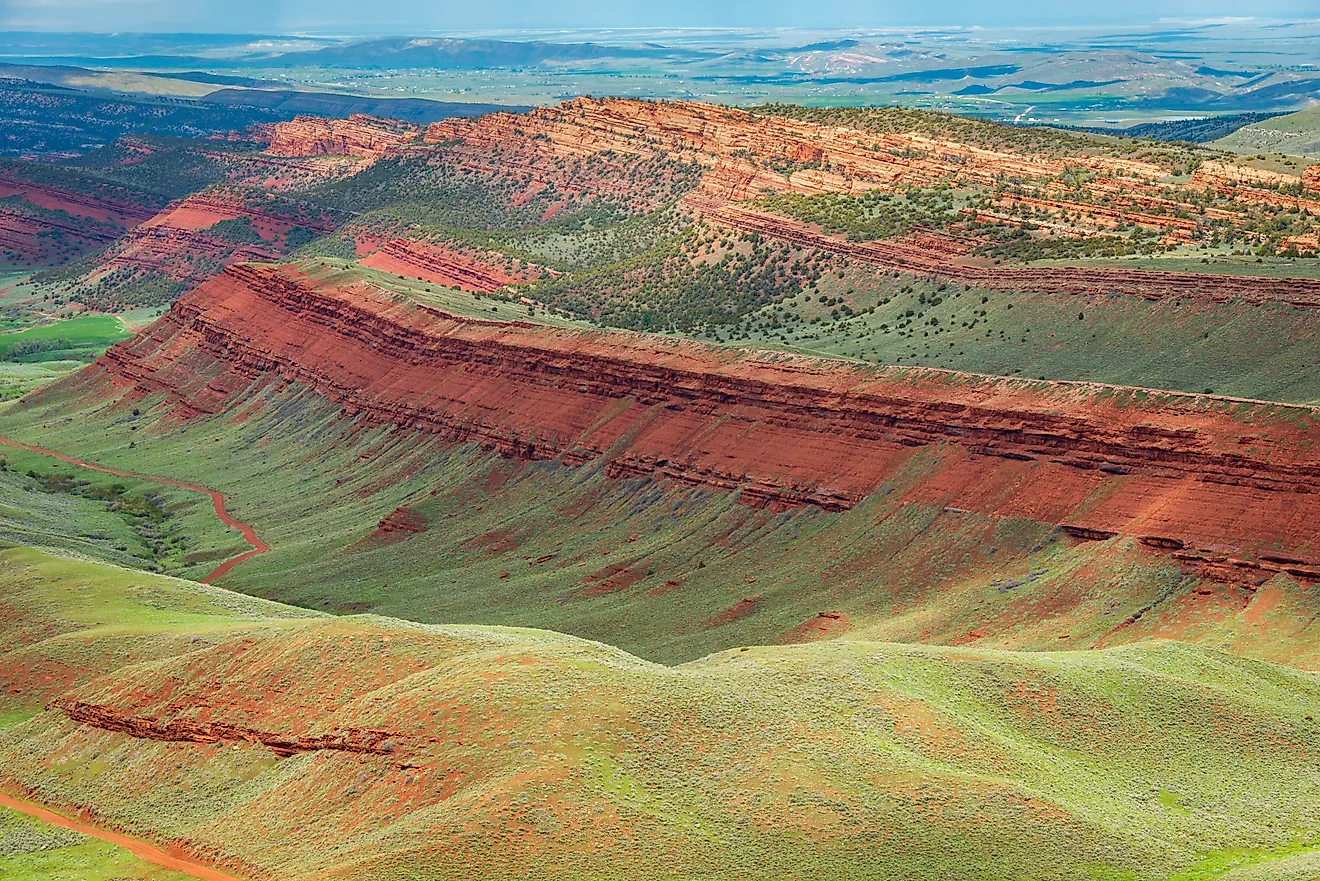
Just a short drive southwest of Denver, Roxborough State Park features impressive red rock formations. The park spans 3,413 acres of diverse flora and wildlife habitat. The park is open year-round, with activities changing with the seasons. Hiking and picnicking are popular activities in the summer, whereas cross-country skiing and snowshoeing take their place in the winter.
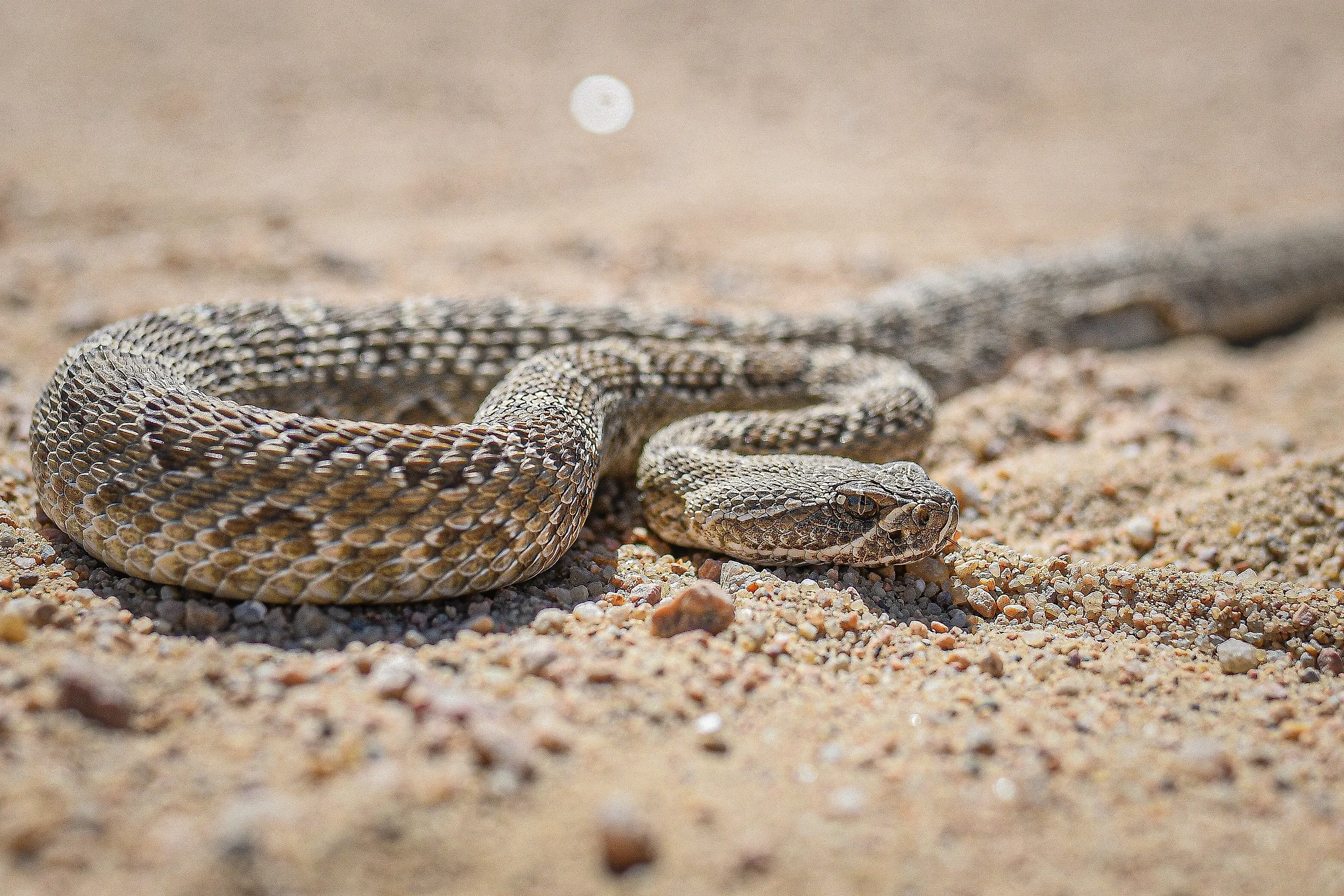
But beware, the most widely-distributed rattlesnake in the United States, the prairie rattlesnake (Crotalus viridis), inhabits the park. They are found statewide in Colorado, occupying almost all terrestrial habitats from plains, sandhills, riparian zones, and woodlands.
Luckily, these snakes hibernate in dens during the colder months of the year and reemerge between late March and early April. They are generally inactive snakes that lie and wait for prey to come by. If humans get too close, they will shake the rattle on their tail to make people aware of their presence. Unfortunately, bites occur when people get too close and accidentally step on the snakes.
Eldorado Canyon State Park

Eldorado Canyon State Park is nine miles south of the mountain town of Boulder. It is known as a premier climbing destination in the United States, with over 500 technical rock climbing routes within the park. The park also features many scenic trails that lead through lichen-covered walls and are accessible year-round for hiking, biking, cross-country skiing, and snowshoeing.

The Western terrestrial garter snake (Thamnophis elegans) is but one of the snakes that inhabit Eldorado Canyon State Park. Prairie rattlesnakes are also present in the park. The Western terrestrial garter snake is a commonly encountered snake and is nonvenomous. It can be found throughout Colorado, found throughout terrestrial and wetland habitats. It has a varied diet consisting of insects, amphibians, reptiles, small mammals, and birds.
Chatfield State Park

Chatfield State Park is a haven for outdoor enthusiasts, drawing in visitors year-round for recreational activities on the water and adventures in the snow with the foothills of the Platte River valley in the background. Highlights of the park include 26 miles of hiking, biking, and horseback riding trails, 69 acres designated for dogs to roam off leash, and 197 campsites.
Western hognose snakes (Heterodon nasicus) are a rear-fanged venomous species of snake, meaning that while they contain venom, it has a poor delivery method. This means that these snakes are not dangerous to humans and actually make good pets. They live in sandhills, grassland, and sandy floodplains, often with a water source nearby. As a ground-dwelling species, they spend much of their time inactive, occupying the pre-established burrows of mammals.
Castlewood Canyon State Park

Castlewood Canyon State Park is a prime spot for outdoor activities, including 12 miles of hiking trail, which is the park’s key attraction, picnic areas, of which there are over 30 sites, and rock climbing walls up to 60 feet in height. Altogether, the park protects 2,628 acres of Colorado’s Black Forest region. Wildlife viewing opportunities are available within the park, with birding popular in the summer.
The park is also home to several species of snake, including the gopher snake (Pituophis catenifer). This is a large snake, reaching lengths of up to 100 inches. They inhabit both dry and wetland habitats, ranging from semidesert shrublands to riparian areas. Most of their activity takes place on the ground, although they are known to be capable of climbing high into trees. Although they are nonvenomous, they mimic the postures of a Rattlesnake to prevent threats.
St. Vrain State Park

Unlike the other parks on this list, St. Vrain State Park provides visitors with a peaceful outdoor setting. The park has 604 acres of land, and 236 acres of water spread across a handful of different ponds. With 87 campsites, 14 picnic sites, and full RV hookups, it is a perfect, quiet pit stop to spend the night while travelling through Colorado.

Lurking in the bodies of water in St. Vrain State Park is the Northern water snake (Nerodia sipedon). These snakes are seldom seen far from a permanent source of water, often observed cruising the water close to the edge, or basking on vegetation or debris on the shore, where they will retreat into the water if startled or alarmed. Although nonvenomous, they are extremely defensive and will not hesitate to bite if captured.
Cheyenne Mountain State Park

Cheyenne Mountain State Park offers 2,701 acres of year-round outdoor activities just south of Colorado Springs. Activities include hiking, biking, horseback riding, archery, camping and picnicking. The diverse landscape of the park, ranging from valley floors to mountain tops, provides ample habitat for a wide array of wildlife, including snakes.
One such snake of Cheyenne Mountain State Park is the Western milk snake (Lampropeltis triangulum), which is known for the distinct red, black, and white bandings going down its body. Milk snakes are characteristically shy by nature and found in prairie, sandhills, canyons, and river valleys. They attain lengths of up to 33.5 inches, feeding on small mammals, birds, and reptiles.
Colorado, being one of the Mountain States, has many scenic state parks that vary in activities, whether that be climbing 60-foot-high rock walls or relaxing at a campsite and taking in views of the water and surrounding mountains. However, it is good practice to learn about what animals live in the areas you recreate in, whether that be bears, deer, or snakes. Regardless of whether you fear them or love them, snakes play a crucial role in the ecosystem to manage pest populations. These are the seven most snake-infested state parks in Colorado.