7 Best Natural Wonders To Visit In Alaska This Year
One of the best things about visiting natural wonders in Alaska is that you have a great chance of also seeing the northern lights. This two-in-one experience is one of the reasons why people flock to wonders like Denali and the Matanuska Glacier. You can marvel at nature's incredible ingenuity by simply taking in the views around you and then looking up. And it is predicted that 2026 will bring a period of high solar activity, so if you want to see the aurora borealis dancing across the night sky while taking in some of Alaska’s most iconic landmarks, this is the year to visit.
Denali

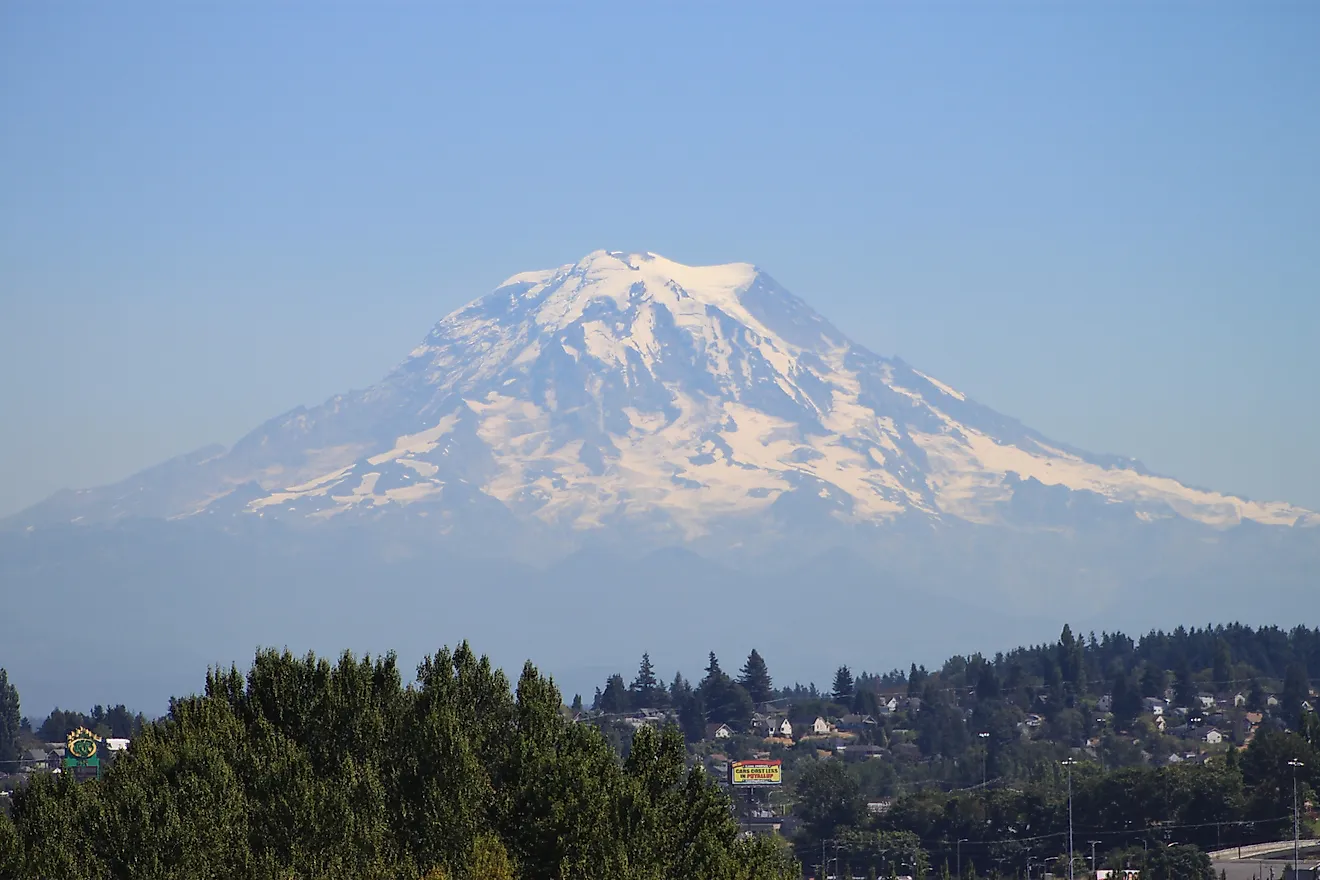
Denali is the highest mountain in North America at an elevation of 20,310 feet above sea level. No photograph can do the sheer size of this mountain justice, which is why you have to see it in person. It is so big that it even has its own climate. This means even on a clear day, there may be clouds and storms around the peak. When you drive towards Denali National Park and Preserve, you will see the mountain from hundreds of miles away. You might also see the peak (it is usually covered in clouds). Once you are in the park, you can take a ride on a tour bus along the 92-mile Denali Park Road to see the incredible local wildlife, including bears, moose, and wolves. You can also hike some of the trails near the visitor center, including the Savage River Loop or the Horseshoe Lake Trail. No matter what side of the park you explore, you will be able to see the mountain in all its splendor.
The best time to visit Denali is during the summer, when you have full access to park services and can enjoy more than 20 hours of daylight. If you want to hike and see wildlife, late June to early August, as well as September, are good times to visit. September through March is also the best time to see the northern lights. There is virtually zero light pollution in the park, and the cold air of late winter typically provides clear skies.
Chena Hot Springs

The Chena Hot Springs near Fairbanks has been in use for a hundred years and is still one of the most popular natural wonders in Alaska. The springs were discovered in 1905 by brothers Robert and Thomas Swan. Today, you can soak in the outdoor hot springs pools, enjoying the pleasant contrast between the hot water and the freezing air. The hot springs are located at the Chena Hot Springs Resort, which is a remote wilderness setting perfect for viewing the northern lights.
The springs are great for recharging after a day out in the cold. The water relieves body aches and soreness, and can also increase blood flow and improve sleep. After a long soak, cast your eyes upwards to see if you can spot the glow of the aurora borealis. If you can stay awake until around 3 a.m., you have a good chance of seeing them. You can even head back to the hot springs, soak in the warmth, and enjoy the lights shimmering across the sky. Visit the springs at the end of winter to also see the Aurora Ice Museum. The optimal time to see the green ribbons of the northern lights overhead is between December and February. Fairbanks and Chena are directly under the ‘auroral oval’, so you will likely have a sighting if you stay for at least three nights.
Kenai Fjords National Park

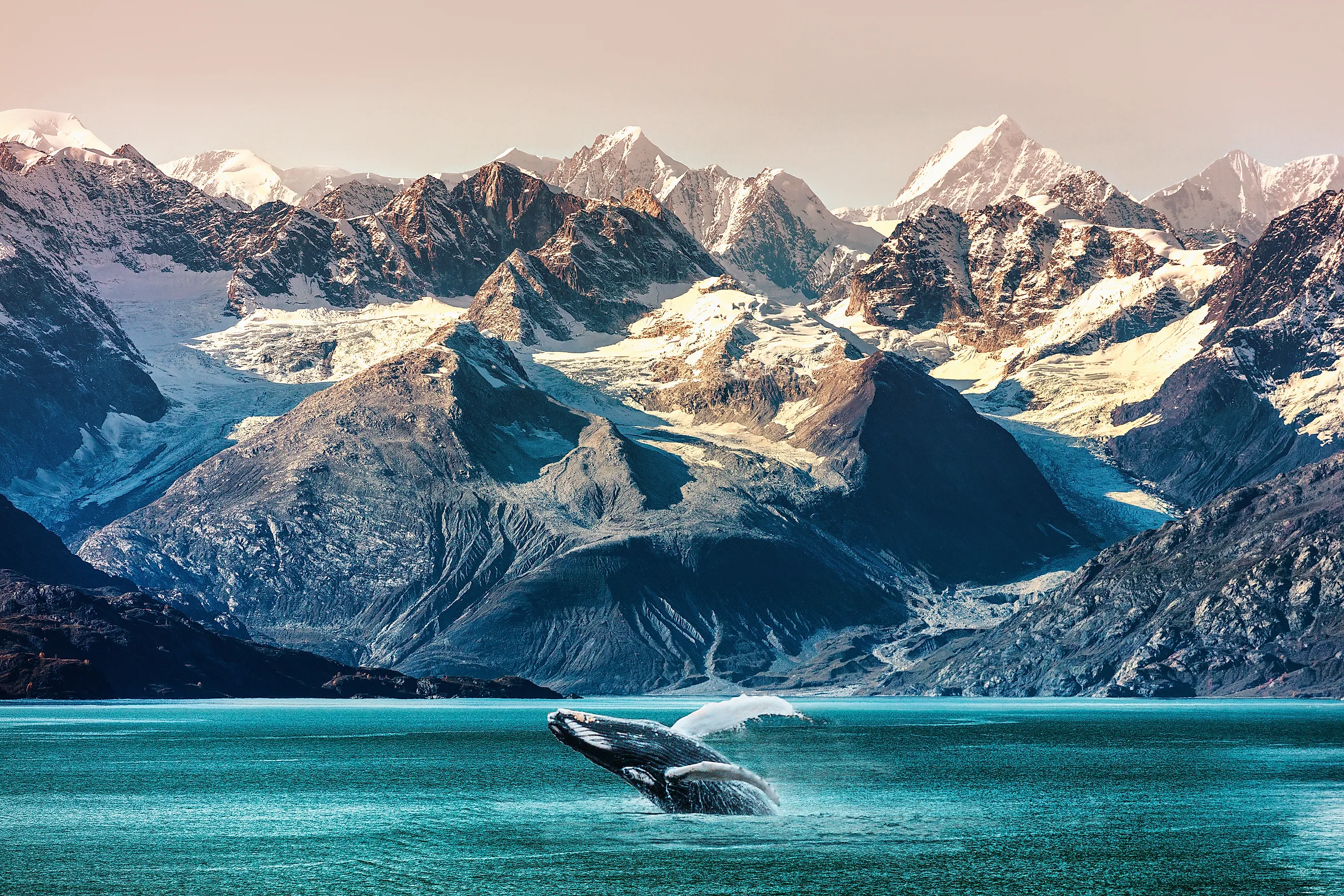
At the breathtaking Kenai Fjords National Park, you can experience dramatic fjords, rainforests, and blue glaciers that are at least 23,000 years old. More than 50% of the 670,000-acre park is covered in glacial ice. Its Harding Ice Field is one of only four left in the U.S. One of its standout features is Exit Glacier, one of the only glaciers in Alaska that you can reach by road, with marked signs along the trail showing how far it has retreated over time. In addition to these incredible sights, you can also spot some of the 191 species of birds that frequent the area, including eagles and puffins. The park is also home to moose and wolverines, while orcas and humpback whales inhabit the waters off the coast. If you are a whale watching enthusiast, you will be excited to know that Kenai is one of the best locations in Alaska to see these majestic creatures.
After enjoying a whale watching boat tour, you can catch a small plane to see Kenai and its natural wonders from the air. Flightseeing tours are exceptionally popular, especially those that offer glacier landings. And if you visit between late August and mid-April and plan to stay up late, you might also catch a glimpse of the northern lights overhead.
Gates of the Arctic National Park and Preserve

There is no other national park in the U.S. quite like the Gates of the Arctic National Park and Preserve. For one, there are no paved roads, designated trails, sidewalks, or a visitor’s center within the park. And it is the place where you will find some of the most awe-inspiring scenes you have ever come across. There are jagged mountain peaks, glacial valleys, lakes, rivers, tundra, and so much more spanning nearly 8.5 million acres (7.5 million of this is park area), making it the second-largest park in the United States. Traversing the wilderness in the park is not for everyone, however, so there is the option of flightseeing. If you choose flightseeing, a small plane will take you right into the heart of the Arctic Circle, where you can see glaciers, peaks, and other wild landscapes below.
If you prefer to stay on the ground and explore the park on foot, you can go fishing and canoeing on any of the six Wild and Scenic Rivers, including the Noatak and Alatna Rivers. If you want to hike, keep in mind that you will have to navigate and chart the path you want to take. It is better to ask a local guide for help if you have not done this before. If you visit between late May and late July, you can experience the midnight sun firsthand in one of the last unspoiled natural areas in the world. Visiting between June and August is great for more daylight hours for hiking and rafting. And, if you want to see the northern lights, the peak viewing time is between February and March.
Matanuska Glacier

Alaska’s glaciers are a massive draw for visitors, especially the highly accessible Matanuska Glacier. This glacier is around 27 miles long and at least four miles wide and consists of bright blue ice. It sits a hundred miles east of Anchorage and can be seen from the Glenn Highway. If you are up for a bit of adventure and do not just want to sit in the car while looking at the glacier, head to the G2 Zipline at Howdy Hall at mile marker 99. The G2 features a dual zipline so you can zip alongside friends and family. It is 2,200 feet long and reaches speeds of up to 60 miles per hour. As you zip along the line, you will have the glacier in view the entire time. Should you want to get right up close to the ice, you can book a glacier hiking tour (you will need to pay a Glacier Park Access Fee to walk on the ice itself).
Hiking in the Matanuska Glacier area is more comfortable during the summer, but you will have to contend with crowds. If you want to photograph the ice caves, winter is the best time to visit. You can also see the northern lights in the area from late August to mid-April, with the best viewing times during the darkest months of December through March.
Inside Passage

Alaska’s Inside Passage region is one of the most beautiful places in all of America. Along the 1,000-mile-long coastal route, you can see islands, channels, glaciers, and fjords all in one gorgeous setting. The best way to access and experience the Inside Passage is on a cruise. When you are on a boat, you will get to see some of the most exceptional natural wonders, including Frederick Sound, which houses one of the largest concentrations of humpback whales on Earth. You will also pass by Admiralty Island, where brown bears fish for salmon. There are natural hot springs on Baranof Island and hundreds of waterfalls on Baranof’s Waterfall Coast. Some of the fjords you will see include Lynn Canal, Endicott Arm, and the Tracy Arm Fjord. These fjords are home to wildlife, icebergs, and waterfalls.
To view said wildlife and enjoy somewhat warmer temperatures, visit the Inside Passage between June and August. If you want to see bears and whales, plan for late July to early August. Visiting in September means fewer crowds and a better chance of seeing the northern lights. Various cruise operators, such as Alaska Marine Highway and BC Ferries, run regular routes here, so there is always a way to take in the scenery with unique ferry experiences.
Prince William Sound

Prince William Sound is a sheltered inland sea on Alaska’s south coast. It sits within the Gulf of Alaska and is flanked by the Chugach Mountains and the Kenai Peninsula. There are more than 10,000 square miles of fjords, islands, waterways, and an estimated 150 glaciers to see. Some of these glaciers, like Columbia Glacier, have retreated more than 12 miles since the 1980s, making it one of the fastest-changing glacier systems in Alaska. These landscapes provide a gorgeous habitat for seals, sea otters, porpoises, and whales. You can access Prince William Sound from various towns, including Whittier, Valdez, and Cordova, and there is plenty of opportunity for camping, fishing, and kayaking. If you take a cruise on the sound, you can see some of these marine animals and the glaciers up close. There are many different types of glaciers to see, including tidewater and cirque glaciers. You can also go fishing on the calm waters of the sound and take in the unforgettable views at the same time.
Book your Prince William Sound trip between June and August to enjoy warmer weather and longer days. These months are great for wildlife viewing, but they are also the busy season. Between August and April, you might just spot the northern lights overhead as well.
Go On An Alaska Adventure In 2026
Nothing will make the noise and problems of everyday life fade away faster than standing in the Alaska wilderness, gazing at Denali or the Matanuska Glacier. Prepare to hold your breath as you watch bears make their way through the tundra or as the icebergs calve away in deep waters. Then, turn your eyes skyward as the sun sets to watch the northern lights continue their dance among the stars. With the 2026 solar cycle peaking, the night sky in Alaska is about to be just as active as the stunning landscape below.