5 Most Alligator Filled Places in Texas
Texas Parks and Wildlife tracks alligator numbers every year because the species has rebounded so strongly that it now supports regulated harvests in parts of the state.
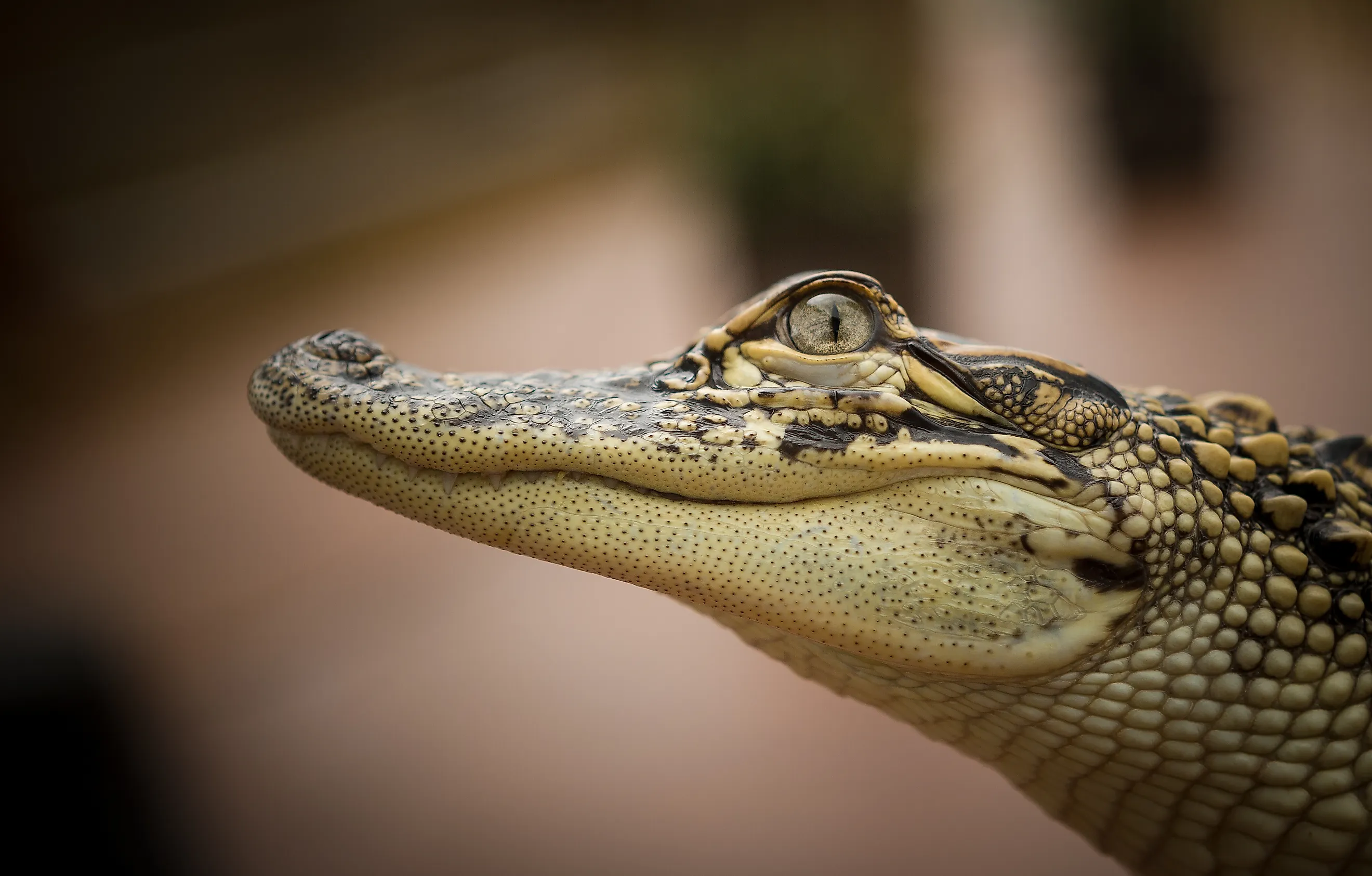
The American alligator’s core range covers the eastern third of Texas, where warm, shallow water and vegetated shorelines create nurseries for hatchlings and ambush lanes for adults. Reservoir coves, cypress swamps, and marshy backwaters can hold far more gators than most visitors expect, sometimes within a short walk of boat ramps and fishing piers!
As apex predators, they influence wetland food webs, and their “gator holes” retain water. The five destinations below are landscapes built for alligators, with food, cover, and nesting habitat in abundance.
Lake Tawakon

Beautiful view of Lake Tawakoni in Texas.
Lake Tawakon is located in rural North Texas and is surrounded by pristine wilderness with a few residential communities. This lake is home to a large community of alligators, which is estimated to be around 400. Despite its relative quietness, the lake's untouched environs provide these amazing predators a suitable home.
Sightings at Lake Tawakoni are fairly common; alligators here seem to avoid any human interaction, preferring to keep to their natural waters. Explorers are encouraged to observe responsibly, refrain from feeding or provoking the animals, and record any sightings to Texas Parks & Wildlife to assist in the cautious management of the lake.
Lake Fork

Lake Fork is home to 15 of the top 20 state records for largemouth bass, making it one of Texas's best trophy bass fishing locations. This famous lake has long been a popular destination for fishermen looking to set new records.
The shallow coves of Lake Fork, which are isolated from the wind and extend into ponds off the main lake, are a haven for alligators in addition to being well-liked fishing spots. Not surprisingly, these calm waters sustain a variety of life, including the notorious predators, and make an excellent backdrop for outdoor pursuits like kayaking and birdwatching.
Caddo Lake

Caddo Lake is a vast wild wonder that spans 25,400 acres and runs along the Texas-Louisiana state line into Marion County. This enormous swamp is well-known for its thick cypress forests, wide ponds, canals, and creeks. Its reported depth is 8 to 10 feet, with the deepest areas being around 20 feet. One of Texas's densest concentrations of alligators flourishes in the shallow waters, which are teeming with plants and prey.
When engaging in outdoor exploration at Caddo Lake, locals and tourists have the chance to appreciate its distinct landforms and watch for the alligators basking in the heat from a safe distance, of course.
Choke Canyon Reservoir

Choke Canyon Reservoir, managed by the James E. Daughtrey Wildlife Management Area, is renowned for its substantial alligator population. Although sightings are infrequent, the alligators observed are remarkably large. The reservoir hosts a population of mature alligators, some exceeding 14 feet in length, a result of historically limited hunting that has allowed them to attain advanced ages. Alligators at Choke Canyon Reservoir are typically found along the shoreline or in secluded coves, making it essential for visitors to exercise caution, particularly when fishing or participating in other water-related activities.
Lake Livingston

Lake Livingston Dam in Polk County, TX. By i_am_jim, CC BY-SA 3.0, Wikimedia Commons
Lake Livingston is Texas ' largest single-purpose reservoir, with around 450 miles of shoreline and 83,000 surface acres. There is fauna and woodlands all around this large reservoir, showcasing a picturesque spot for angling, kayaking, and nature hikes. Known for its outstanding white bass and catfish concentrations, locals and visitors alike flock to Lake Livingston to test their luck in its waters.
The substantial population of alligators in Lake Livingston attests to the area's rich ecological environment. According to the records of the Texas Parks and Wildlife Department, it is recognized as one of the most densely populated alligator habitats within the State of Texas. These formidable reptiles are frequently photographed in the wetlands and adjacent marshes of the lake, which provide abundant sustenance and suitable nesting sites.
Respecting Texas's Alligator Habitats
Texas’s outdoor areas, home to numerous alligators, serve as important ecosystems supporting diverse wildlife. Although alligators can be intimidating, they are remarkable creatures that have thrived for millions of years by adapting to their environment and maintaining crucial roles within their habitats. Understanding their natural place and following safety guidelines can help ensure the safety of both humans and these ancient reptiles. Next time you're at a Texas lake for water sports or sightseeing, remember that these waters are shared with wildlife that warrants our respect and compassion.