5 Copperhead Snake Hotspots In North Carolina
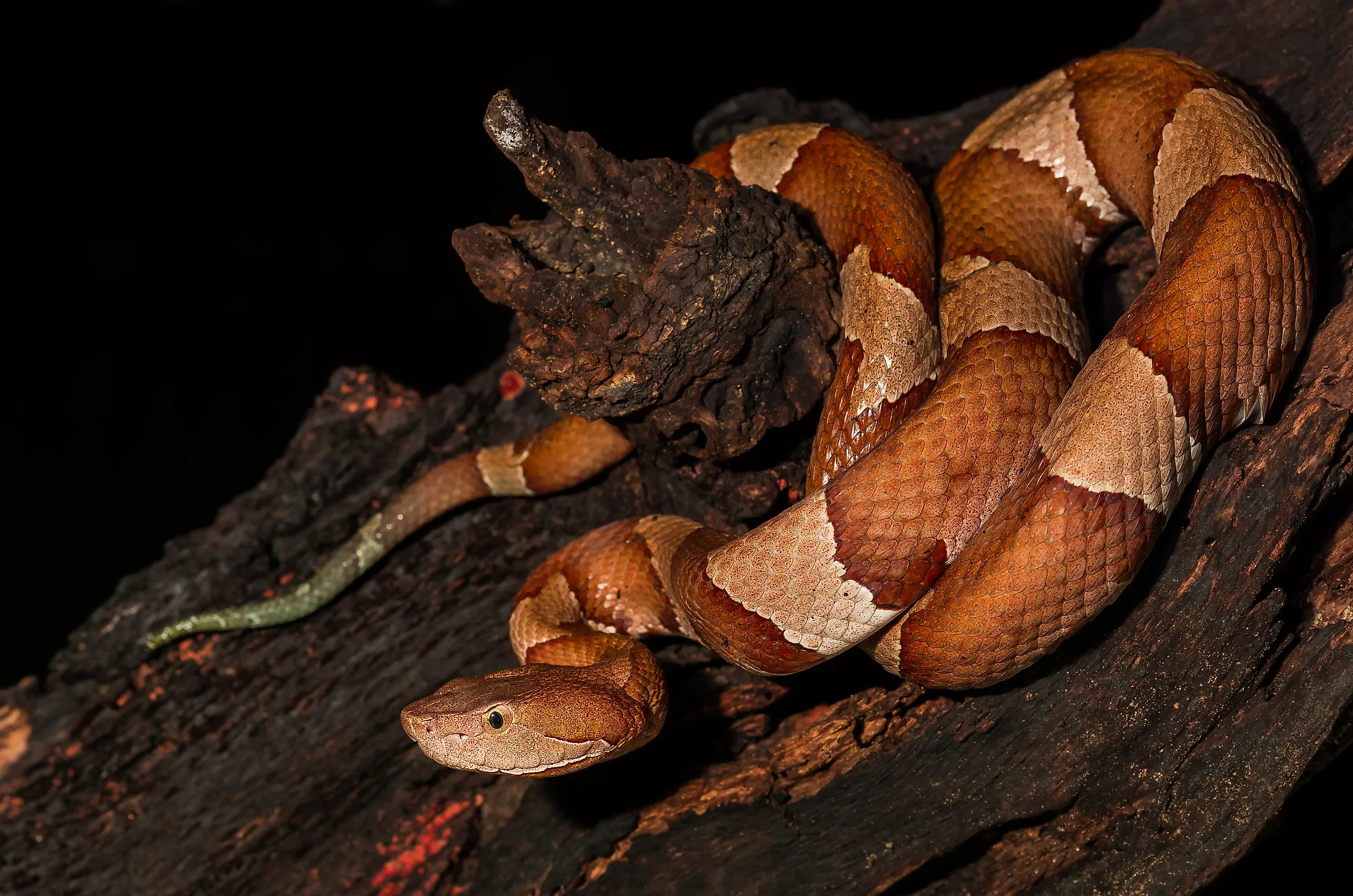
North Carolina is one of the most naturally beautiful states in the Southern United States, with a trail taking you by its majestic Appalachian Mountains all the way to its underrated Atlantic coastline. These environments are ideal for snakes, including copperheads, which are found throughout North Carolina. The copperhead is a pit viper, measuring 20 to 37 inches long, heavily built, and named for the bronze-hued color of its head. The snake, found in parts of the eastern and southern US, is responsible for most snake bite cases in the region. Fortunately, however, its bite is rarely fatal but demands prompt medical attention to prevent complications. Most of the time, people can avoid being bitten altogether by following common-sense protocols, such as wearing good shoes or boots and maintaining good spatial awareness while outdoors. These snakes can be found across the mountains, rivers, and coastline of North Carolina, but these 5 hotspots below are especially known for copperheads.
Goose Creek State Park

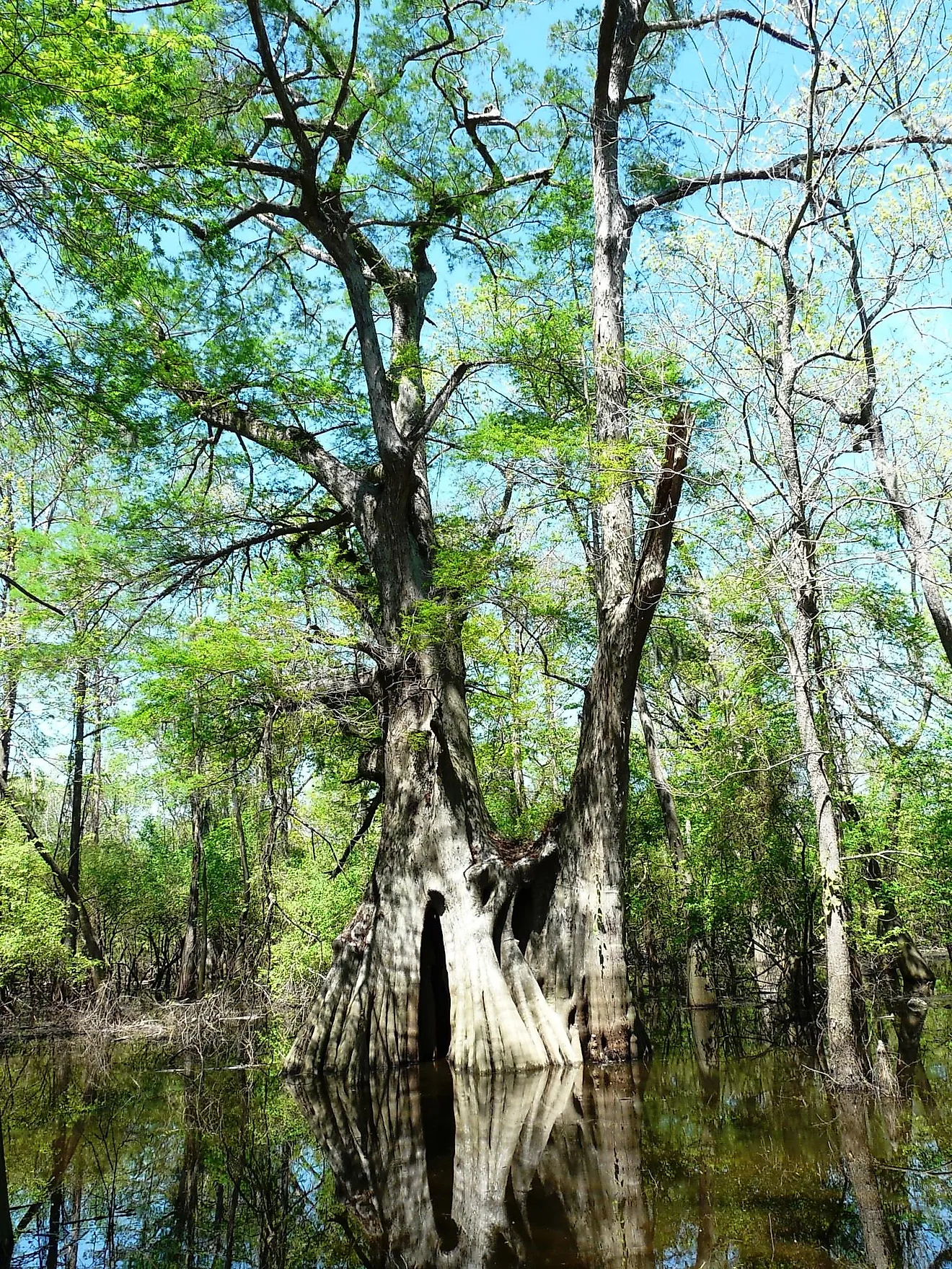
Goose Creek State Park is an eastern North Carolina state park near the coast. It sits next to the Pamlico River, attracting more than 275,000 people annually, eager to go on its sandy river beach or take boardwalk trails through cypress and black gum swamps and wetlands. Its trails also pass through wild huckleberry patches and Spanish moss canopies.
Wildlife viewing is another popular activity here, such as spotting red-winged blackbirds and herons at the Mallard Creek Trail. Copperhead snakes hide in the cypress trees or leaf piles lying in the woods or in the wetlands. These snakes are opportunistic hunters, snacking on small mammals, cicadas, and other lizards.

Unlike other venomous snakes, a copperhead will not flee if a human walks up to it. It will instead freeze in place, letting its camouflage keep it invisible. Due to this behavior, it's far more likely for a human to step on them or accidentally touch the snake. Thankfully, most of the time, the snake won't even inject any venom into the person, opting for a dry bite instead. If you have been bitten by any snake, it's recommended to seek medical attention immediately. After all, even if you only received a bit of venom in the bite, you might still be allergic to the venom.
Great Smoky Mountains National Park

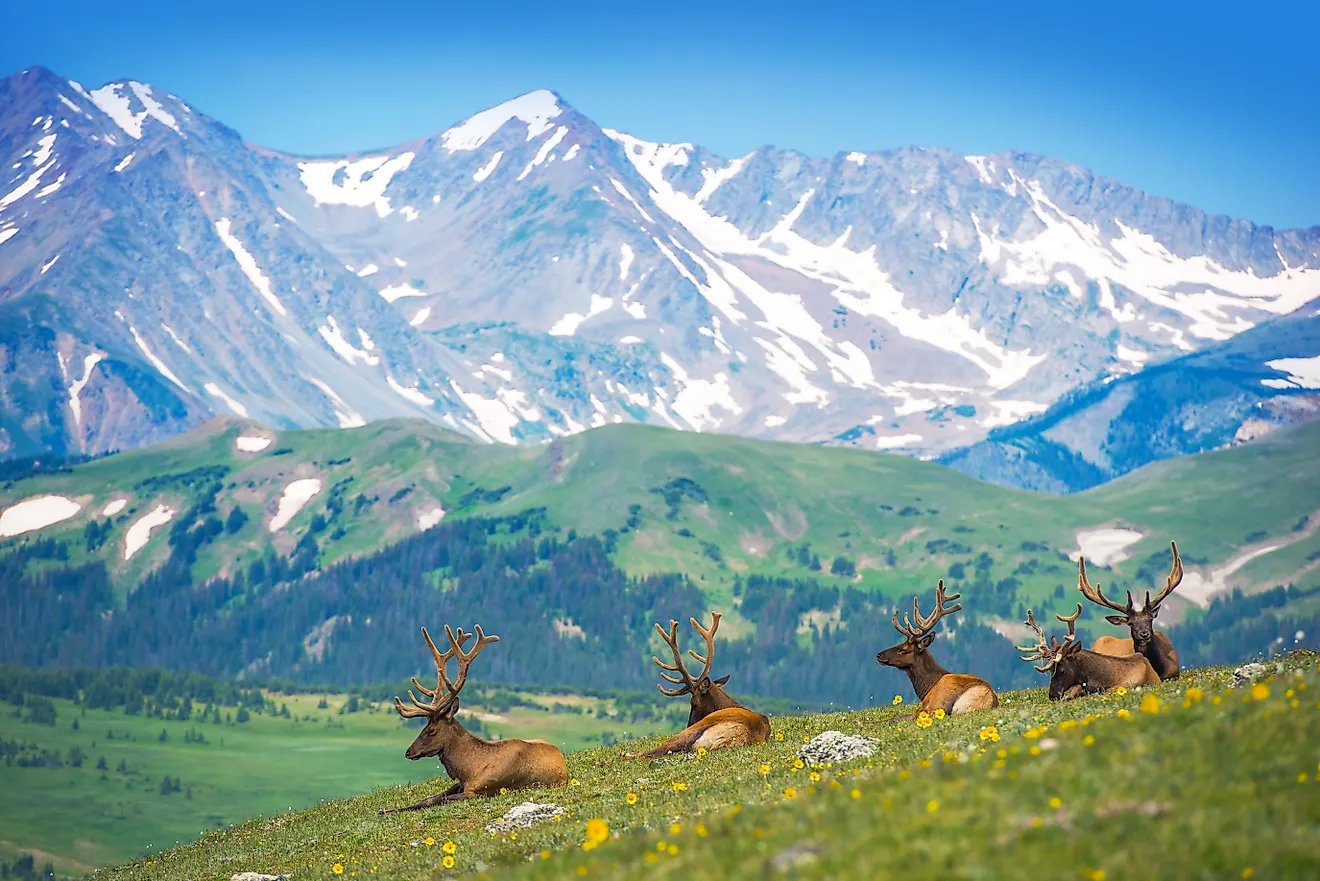
The Great Smoky Mountains National Park sits on the border between Tennessee and North Carolina, and gets its name from the misty mountain peaks. The park draws in all types of people, from determined backpackers going on the vast Appalachian Mountain Trail that stretches from Georgia to Maine to day hikers ascending Clingman's Dome right on the Tennessee/North Carolina border. On the North Carolina side, one can hike up Andrews Bald or experience Cherokee culture in Cherokee, North Carolina, especially at the Museum of the Cherokee People.
With its vast mountains, rivers, waterfalls, and ridges, the park supports ecosystems suitable for a wide range of animals, including two venomous snakes: the timber rattlesnake and the eastern copperhead.

The National Park Service states that there are 23 snake species in total in the park, meaning you are much more likely to find a nonvenomous snake in the park than a copperhead. The copperhead typically hides among leaves in the park and serves an important role in the park's ecosystem, helping keep certain prey populations from growing too large. These snakes are also federally protected, meaning you could face legal consequences for harassing or harming one of them.
Cape Hatteras National Seashore

The Cape Hatteras National Seashore is a beautiful seashore that's a part of the Outer Banks of the state, stretching from Bodie Island to Ocracoke Island. This area was very difficult for ships, which earned it the nickname Graveyard of the Atlantic. During the 17th and 18th centuries, pirates also frequented the seashore, preying on unsuspecting vessels. None other than Captain Blackbeard would attack ships up and down the seashore.
Today, the most popular activity at the seashore is going swimming at one of the sandy beaches, hiking out to the Cape Hatteras Lighthouse, or learning about the devastating shipwrecks at the Graveyard of the Atlantic Museum.

Despite being a coastal park, the cape has reported multiple venomous snakes in the area, including cottonmouths and copperheads. The National Park Service posts warning signs around known snake habitats to avoid them. Copperhead snakes are not known for being aggressive and their bites do not usually contain the right amount of venom to kill a human. The average amount of venom from a copperhead bite is 30 milligrams, but it takes around 40 milligrams to kill a person, if left untreated.
Neuse River

The Neuse River is a 275-mile river that begins at the confluence of the Flat and Eno Rivers in Durham and flows down to the Pamlico Sound. It's the longest river entirely within North Carolina's borders. Its name comes from the Neusiko Native American tribe, who gave it the word for peace. Much of the river is muddy, providing soil for trees growing right in the river and the nearby river basin.
Several state parks and trails run along the river and its surrounding wetlands, such as the Neuse River Greenway, which uses boardwalks over the wetlands before eventually connecting to the Mountains-to-Sea Trail. Copperhead snakes can also be found in the surrounding marshes and river bluffs of the Neuse River.

Copperhead snakes can swim in the river itself, using their tail as a rudder to stay straight, or they can dive into creeks running alongside the river. The snake uses the water to cool off during hot summer days. Copperhead snakes are cold-blooded, so their internal temperature always matches the external temperature. As a result, copperheads are highly sensitive to temperature and must carefully manage it to survive.
Hanging Rock State Park

Nestled on the northern border of North Carolina, Hanging Rock State Park was originally planned as a mountain resort until the state acquired the land and the Civilian Conservation Corps built park facilities for everyone to enjoy in the 1930s. Its most impressive locale is the Hanging Rock itself, which stretches out overlooking the Sauratown Mountain Range. Hikers come here to view many other mountainous places, from waterfalls to a mountain cave. They can also get on the Mountains-to-Sea State Trail, a trail crossing through the mountainous landscape of North Carolina all the way to the state's Atlantic coast.

The rock outcroppings, CCC structures, and underbrush can hide many types of animals, including copperhead snakes. Visitors to Hanging Rock State Park have seen copperhead snakes while out on trails. There have been no reports of bites, even after hikers have narrowly avoided stepping on these snakes. Of course, it's rare you'll encounter these snakes as they spend most of their time hiding in wait for prey, but they might come out onto well-trekked trails to sunbathe or simply looking for a better hiding spot.
Copperheads Roam All Over North Carolina
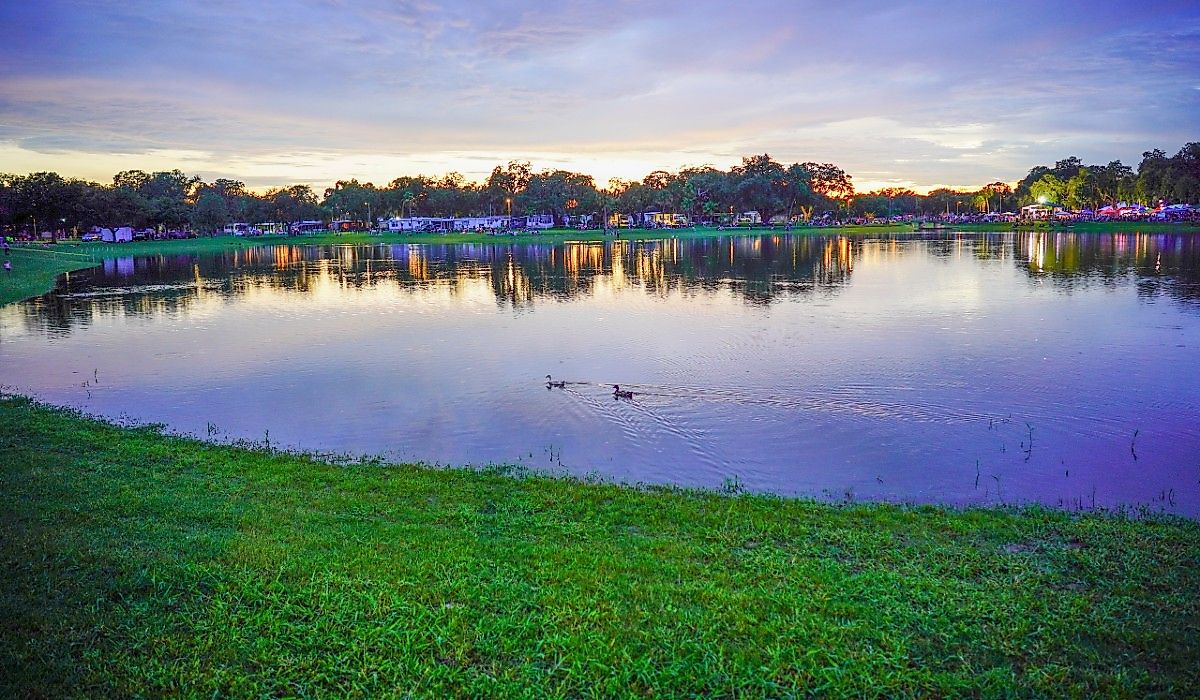
Copperheads call all of North Carolina home, as the state is ideal for it to survive and thrive. They can easily find leaf piles to rest in or hunt for prey in the mountain trails of the Great Smoky Mountain National Park, or they can cool off in the waters of the Goose Creek State Park. Since the snake can survive just about anywhere, it's very important for any hiker, swimmer, or traveller to be aware of these snakes while visiting North Carolina.
As the snake freezes when encountering a human, it's more likely to accidentally step on a copperhead, leading to an unfortunate bite. As mentioned above, show good spatial awareness and be ready to give these snakes a wide berth if you see them at any of these 5 copperhead hot spots in North Carolina.