4 Wild Animal Hotspots in Colorado
In Colorado, diverse wildlife including elk, bears, deer, sheep, and hundreds of bird species inhabit the state's mountains and forests. These animals are most often found in the state's parks, forests, and conservation areas. Bighorn sheep wander through Rocky Mountain National Park, and bald eagles soar above Rocky Mountain Arsenal National Wildlife Refuge just outside of Denver. Whether hiking, driving, or visiting an animal refuge, there is plenty of wildlife to discover in every part of the state.
Rocky Mountain National Park

Before even setting foot into Rocky Mountain National Park, the gateway town of Estes Park is home to dozens of elk (Cervus canadensis) that can be spotted throughout the small town, sometimes right from the car. On the drive into the park, it is common to see herds of elk gathering in open fields, wandering through grocery store parking lots, or crossing the street in front of you. In Estes Park and throughout the park itself, early mornings and evenings, especially in the fall, are the best times to spot wildlife.

Different trails and hikes offer opportunities to spot a variety of wildlife. For a closer look at deer, consider hiking the Deer Mountain Trail, where they are often seen lingering and grazing near the path. A few miles from the Fall River Entrance, Sheep Lakes looks out over the surrounding meadows and makes a good setting for wildlife watching. The best time to see the bighorn sheep (Ovis canadensis) the lakes are named for is from May through August, when they descend from the mountainsides to lick the mineral-rich soil below. Visitors at the lakes may also spot coyotes (Canis latrans), squirrels, and elk.
Rocky Mountain Arsenal National Wildlife Refuge

Rocky Mountain Arsenal National Wildlife Refuge is one of the largest urban refuges in the country. Located just outside Denver in Commerce City, it is home to more than 330 species of mammals, birds, reptiles, amphibians, and fish, with each season bringing a new opportunity to view the refuge's wildlife.
Migrating songbirds, bull snakes, and turtles are most commonly seen in spring and summer, while coyotes, mule deer (Odocoileus hemionus), white-tailed deer (Odocoileus virginianus) bucks, eagles, and hawks are more active in fall and winter. During the colder months, snow makes the refuge's large populations of cottontail rabbits and black-tailed prairie dogs (Cynomys ludovicianus) more visible, which in turn attracts more predators. Bald eagles (Haliaeetus leucocephalus) migrate from the north to seek shelter in the cottonwood trees.

Through wildlife management, the nearly 16,000-acre site provides a refuge for many species, including the endangered black-footed ferret (Mustela nigripes), which has been reintroduced to the refuge in recent years. Bison (Bison bison) also help maintain the native grasses that provide shelter and nesting areas for other species. These efforts extend to visitors as well. Hiking and biking trails, along with opportunities for fishing, archery, and photography, let visitors experience one of Colorado's best wildlife areas up close.
State Forest State Park

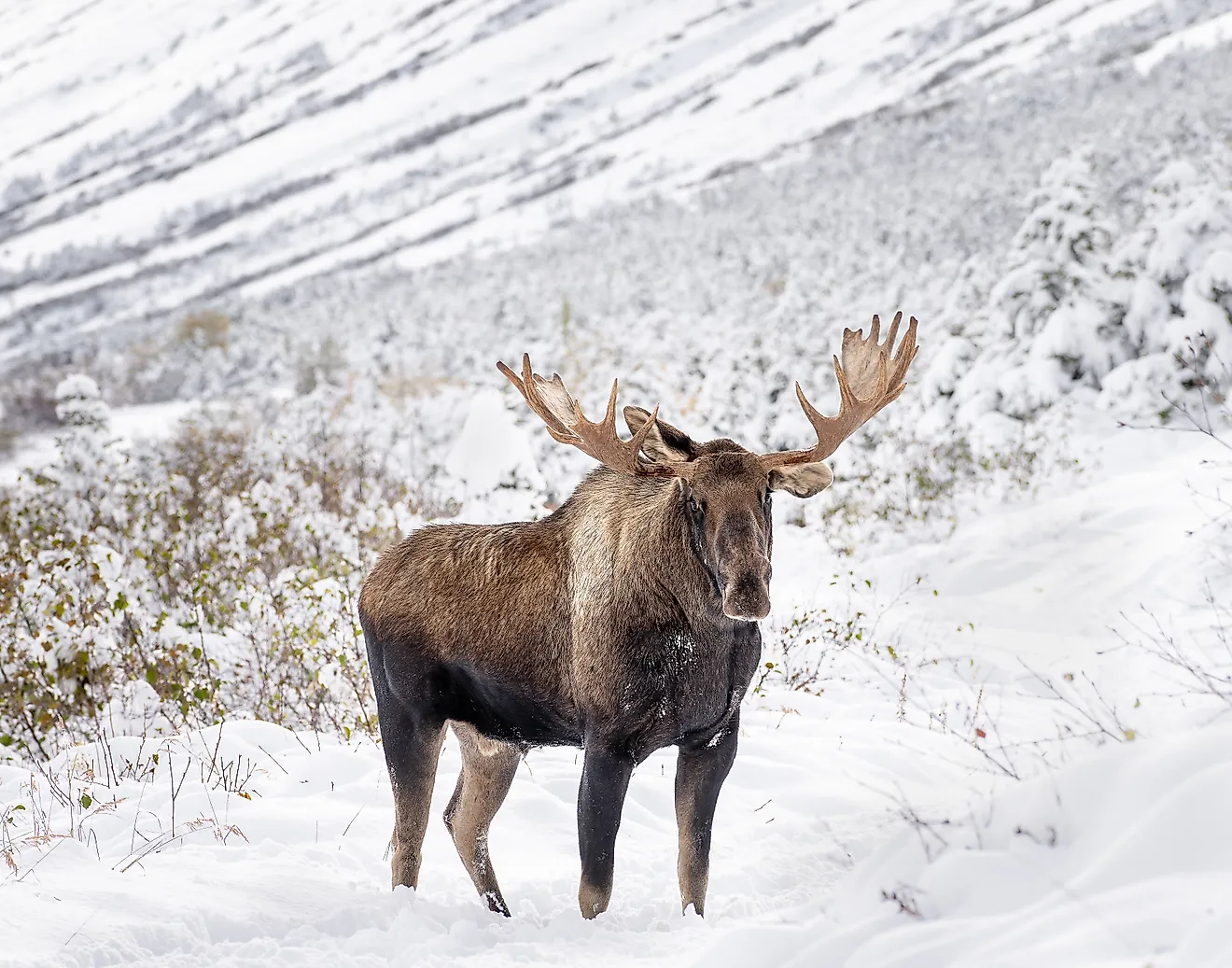
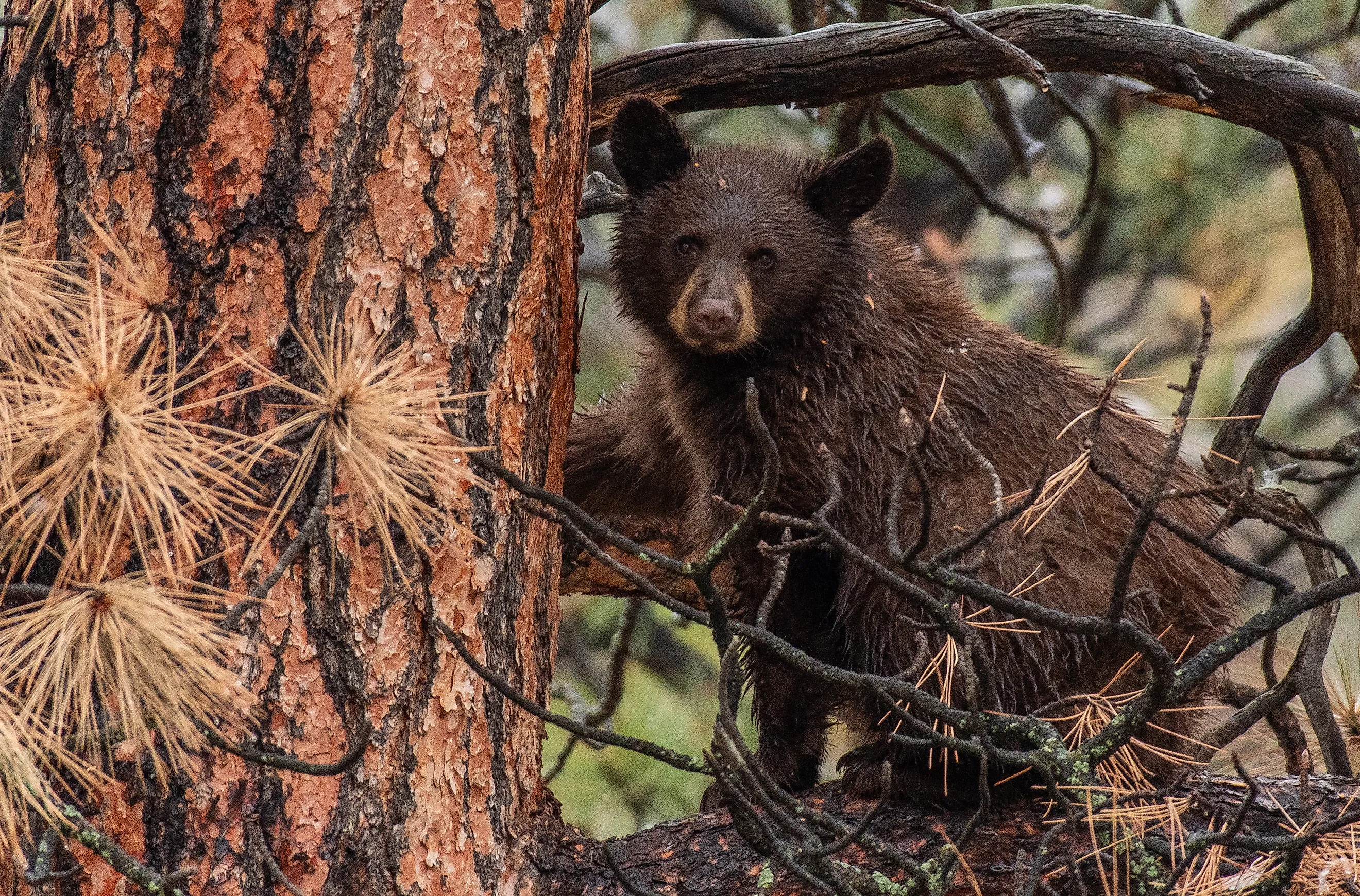
State Forest State Park has been named the Moose Viewing Capital of Colorado and sits in the state's North Park region. The park and its surrounding basin support more than 600 moose (Alces alces) year-round, along with elk, mule deer, beavers, foxes, eagles, and black bears (Ursus americanus). The park's headquarters lie near the small town of Walden, and moose are most often found in the mountains around the communities of Gould and Rand, though spring can bring up-close sightings at lower elevations.

In April and May, the lower elevations of North Park offer good opportunities to spot a moose. They are often found near rivers, wetlands, and around North Michigan Reservoir, or along park roads close to sunset. Always keep a safe distance, as moose can be unpredictable, and binoculars are recommended for observing from farther away. For more insight, stop in at the Moose Visitor Center to learn about the park and its wildlife.
Pawnee National Grassland

Pawnee National Grassland is a prime destination for birding, as well as for spotting pronghorn (Antilocapra americana), mule deer, and coyotes. It is one of the remaining stretches of short-grass prairie on the Great Plains, and nearly 300 bird species call the grassland home, including Ferruginous Hawks (Buteo regalis), Mountain Plovers (Charadrius montanus), Burrowing Owls (Athene cunicularia), Grasshopper Sparrows, and Colorado's state bird, the Lark Bunting (Calamospiza melanocorys). The Crow Valley Campground is a strong spot for birding, where dozens of species can be seen during the spring and fall. The area is widely considered one of the state's top wildlife-watching destinations.

Wildlife at Pawnee National Grassland is most active at dawn and dusk, making those the best times to explore. Pawnee Buttes feature bluffs that provide nesting sites for many birds, while pronghorn and black-tailed prairie dogs are also seen throughout the area.
For a longer scenic drive, the Pawnee Pioneer Trails is a Colorado Scenic and Historic Byway that offers a chance to experience the diverse landscape and encounter some of the grassland's wildlife hot spots.
Colorado's Wild Animal Hot Spots
Wildlife hot spots such as elk and bighorn sheep in Rocky Mountain National Park, bison and bald eagles in Rocky Mountain Arsenal National Wildlife Refuge, moose in State Forest State Park, and hundreds of bird species at Pawnee National Grassland show the diversity of wildlife across Colorado.
Whether you are exploring from your car along a Colorado Scenic and Historic Byway, hiking the Deer Mountain Trail, or visiting the reservoirs of State Forest State Park in search of moose, there are countless opportunities to see these animal hot spots.
No matter the setting, always maintain a safe distance from wildlife. Never approach or feed wild animals; keeping that distance helps ensure they remain wild and continue foraging on their own. Take in the sights from afar and appreciate these animals in their natural habitats.