4 Rattlesnake Hotspots In Wisconsin
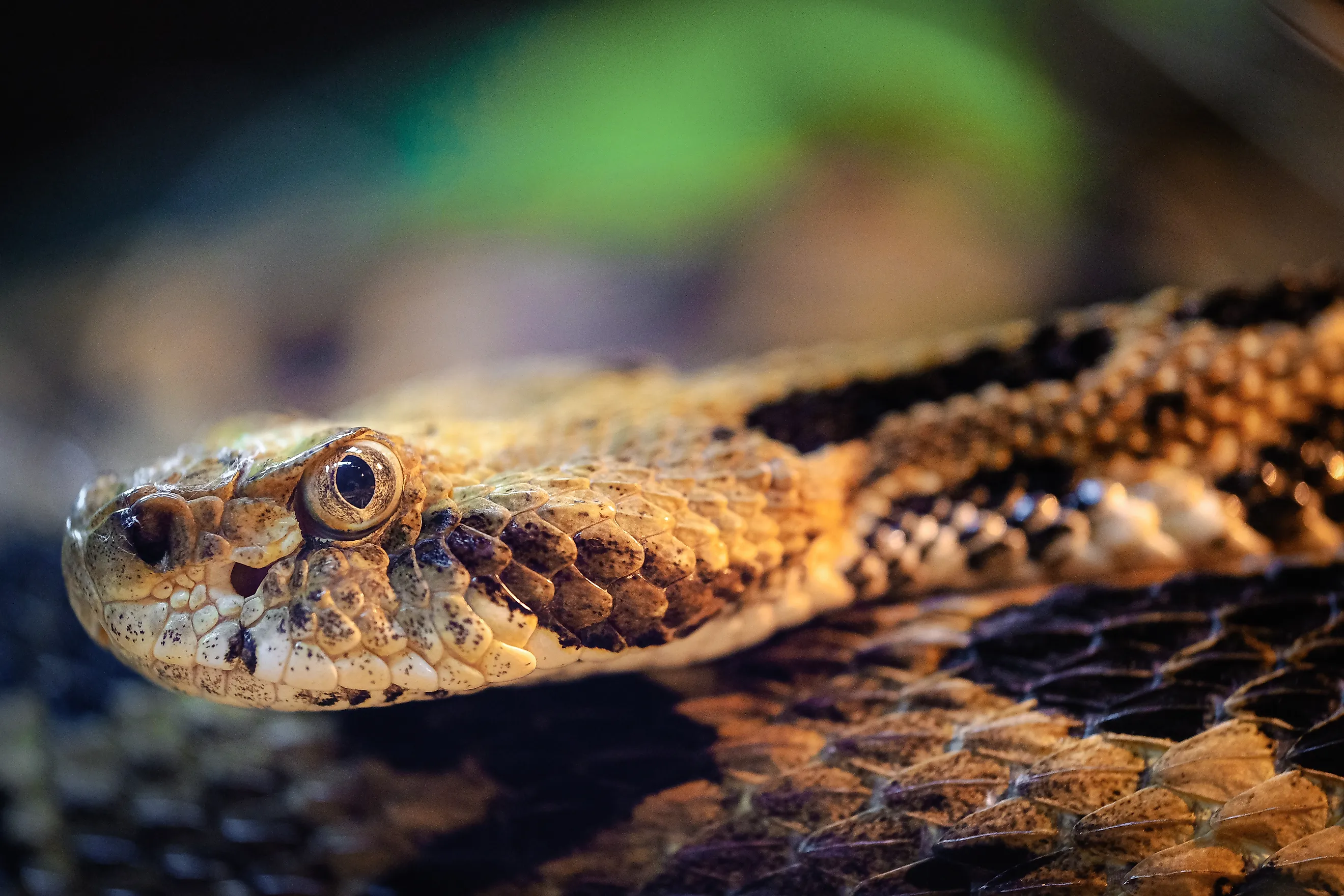
For some, rattlesnakes are an immediate deterrent, sending travelers scrambling in the opposite direction. For the more adventurous types, their presence is simply a chance to glimpse one of nature’s most iconic and beautiful predators. Wisconsin is home to 21 snake species, including two venomous rattlesnakes, the timber and eastern massasauga.
The state's thousands of lakes and rivers create habitats where these snakes can thrive, albeit not in the quantity found in Arizona. Before planning a hike or camping experience in places like Hixon Forest or Devil's Lake State Park, it pays to be cautious, prepared, and aware that you're sharing space with these elusive and sometimes dangerous reptiles.
Devil's Lake State Park

Devil’s Lake State Park has a reputation that makes some hikers uneasy and others quietly thrilled. This wildly popular park is found in the quartzite bluffs of the Baraboo Range and is one of the few places in Wisconsin where you might cross paths with a timber rattlesnake in the wild. (The key word is might.) Despite nearly 3 million visitors each year, sightings are very uncommon, largely because timber rattlesnakes want nothing to do with people and usually slip away long before you notice them.
Female and juvenile timber rattlesnakes are often found in more open bluff areas where they can regulate their body temperature, while adult males are more frequently associated with forested slopes. Devil's Lake itself is wrapped in steep, rocky bluffs, sun-warmed ledges, oak forests, and woodland edges, giving these reptiles the variety in landscapes that allows them to thrive. From April through mid-October, they can be seen moving between these habitats, hunting rodents and other small prey that live in the park.

It is far more common to see northern water snakes along the shoreline, basking on rocks near the 360-acre lake or slipping through the reeds near picnic areas and beaches. Devil’s Lake is home to roughly 13 snake species in total, ranging from foot-long, red-bellied snakes to black rat snakes that can stretch close to five feet. The timber rattlesnake is the only venomous species in the park, and it's important to note that it is legally protected as a species of special concern.
With nearly 30 miles of hiking trails, designated swimming beaches, boat launches, campgrounds, and sections of the Ice Age National Scenic Trail, Devil’s Lake offers constant human activity. Staying on marked trails and watching where you step is usually enough. The snakes are not looking for conflict. They are simply part of what makes this ancient, rugged place feel alive.
Lake Pepin

Lake Pepin is a long, naturally formed widening of the Mississippi River and stretches roughly 22 miles along the Wisconsin-Minnesota border. It's framed by steep limestone and sandstone bluffs, floodplain forests, wetlands, and grasslands, all of which are cozy homes for rattlesnakes. Not to mention, there is cover, heat, water, and prey in nearly every direction.
Several nonvenomous snake species are common around the shoreline and nearby woods, including garter snakes, northern water snakes, ring-necked snakes, eastern milk snakes, and Dekay’s brown snakes. Northern water snakes are the ones most people notice, often basking on rocks or slipping into the shallows near docks, beaches, and boat launches. They are not venomous, but they are defensive if cornered, which explains many of the close calls reported by swimmers and anglers. The prevalence of water snakes may have also helped to inspire the local legend of Pepie, the lake's mythical serpent.
But the real headline species is the timber rattlesnake. In western Wisconsin, including Buffalo County around Lake Pepin, timber rattlesnakes inhabit the wild, unglaciated bluffs that rise above the river valley. These snakes favor sunny, south-facing rock ledges and wooded slopes. Just like the timber rattlers found in Devil's Lake State Park, these snakes can most frequently be seen April through October.
While these snakes are rarely spotted by visitors, Lake Pepin is one of the few places where their habitat overlaps with a large variety of recreation. Due to covering more than 25,000 acres, Lake Pepin supports boating, kayaking, fishing, swimming, lakeside camping, and winter activities like ice fishing and eagle watching.
Jackson County

We have already looked at the parts of Wisconsin where timber rattlesnakes show up with some regularity. Jackson County stands out for a different reason. This is one of the few counties in the state with recent, confirmed sightings of the eastern massasauga rattlesnake. After more than three decades without a verified record, the species has now been documented five times in the county over the past three years. In a state where the massasauga is both endangered and threatened, that's pretty amazing.
The eastern massasauga is Wisconsin’s smallest rattlesnake, rarely longer than three feet, and often mistaken for fox snakes or pine snakes because of its dark, blotched patterns. Instead of a fox snake's tail ending in a pointed tip, the massasauga's ends in a short rattle. This species of snake also behaves differently. The eastern massasauga is strongly associated with wet ground, not rocky bluffs. It is tied to floodplain forests, sedge meadows, wet prairies, and lowland hardwoods, moving between open clearings to warm up and dense cover to stay hidden. In winter, it disappears into crayfish burrows and root channels near water.

Black River State Forest covers roughly 68,000 acres near Black River Falls in Jackson County. It's shaped by two forks of the Black River and surrounded by wetlands and forest edges that are perfect for the massasauga. And while their appearance around humans has been limited, the state forest does provide some opportunity for it with its hunting, camping, hiking, and extensive all-terrain vehicle (ATV) and snowmobile trail systems.
Nearby places like Wazee Lake Recreation Area, Washburn Marsh State Natural Area, and Wildcat Ridge add even more wetland and grassland habitat within the county where this variety of snake can be found. In fact, Jackson County remains one of the few places in Wisconsin where this shy snake has been documented.
Hixon Forest

Just east of La Crosse, Hixon Forest is tucked into the rugged bluffs and river valleys that define southwestern Wisconsin. Just like Devil's Lake State Park, about an hour and 45 minutes away, Hixon Forest is home to timber rattlesnakes. According to multiple sources, they are most active from the month of May through October, with sightings peaking in August.
It's important to note that timber rattlesnakes are rarely aggressive, though they are venomous. If you see them sunbathing on the rocks, only admire them from a safe distance. Timber rattlesnakes are a protected wild animal in Wisconsin. It’s illegal to harm them except in life-threatening situations. Bites are extremely rare, and the state of Wisconsin has recorded only one rattlesnake death since 1900 — and roughly one bite every four years.

Hixon Forest trails cover nearly 10 miles, connecting to Upper Hixon Forest and leading hikers and mountain bikers to Grandad Bluff and several other lookout points with sweeping views of La Crosse and the Mississippi River valley. The Great River State Trail runs nearby, offering more than 24 miles of scenic biking along the Mississippi.
Visitors can explore forested bluffs, watch for wildlife, and take in the mix of oak, pine, and maple that shelters rattlesnakes and other snake species. Whether you’re hiking, biking, or just taking in the bluffs, Hixon Forest is a wonderful opportunity to experience southwestern Wisconsin’s wildlife, and if you spot a timber rattlesnake, consider yourself lucky.
Wisconsin’s rattlesnakes are masters of camouflage, but you can still see them in places like Hixon Forest, Devil’s Lake, and Jackson County if you know where to look. Timber rattlesnakes and massasaugas are apprehensive and will retreat if given space, so stay alert, watch the trails, and respect their boundaries. Wear long pants and sturdy shoes, keep hands out of crevices, and take your time observing. Plan your hikes carefully and embrace the thrill of spotting one of Wisconsin’s most elusive reptiles.