11 Old-Timey General Stores In Pennsylvania
In Pennsylvania, general stores never quite disappeared, with a number of shops still in operation today. Many date back to the 1800s and continue to exist in the same structures, exuding that old-timey ambiance. Dotting the state in places like Lumberville, where its general store sits directly along the road beside the Delaware River, offering scenery while you shop. While in Intercourse, the Old Country Store spreads across a series of smaller rooms that take us back to country domestic life. In Shawnee-on-Delaware, a long counter still handles everything from ice cream to prepared food. The rooms stay narrow, counters take up much of the space, and shelving is built into the walls. No matter which quirky spot you visit, these 11 old-timey general stores offer something unique.
Lumberville General Store, Lumberville
Right along River Road, the Lumberville General Store sits almost level with the Delaware River behind it, with the towpath running past the front. It has been here since the 18th century, and the building has not been altered to match modern retail layouts. Inside, everything stays close together: coffee is brewed behind the counter, sandwiches are assembled within view, and baked goods are set out in small groups rather than large displays. There are only a few tables, fitted wherever space allows. Most people step in, order, and then move outside to the porch or back toward the road. The whole place still runs on short stops for travellers passing through the area.
Birchrunville Store Cafe, Birchrunville

The Birchrunville Store building dates to 1898, and one thing that hasn’t changed is the post office inside. It is still part of the space, which means the layout was never fully reworked into something else. Instead of one open room, the interior breaks into smaller sections: You move through the space one room at a time, passing through doorways rather than crossing a single open floor. Tables are set wherever they fit, and the service area works alongside the post office counter instead of replacing it. The menu leans toward soups, sandwiches, and seasonal dishes, brought out from the kitchen in the back and served in the same rooms where people sit. Because nothing has been opened up or reorganized, different parts of daily life still happen in the same place, mail is picked up, meals are served, and people come and go at different paces. That overlap gives it a familiar, nostalgic feel, working less like a standalone restaurant and more like a shared space, the way small-town stores once did.
Milanville General Store & Post Office, Milanville

Milanville sits on a quiet stretch of the Delaware River in northeastern Pennsylvania, a town so small that daily life still centers on a handful of familiar places. The Milanville General Store & Post Office has stood here since the 1800s, when it first served as a company store for local farms and mills. The wooden building still rests close to the road, its porch shaded in summer and dusted with snow in winter. Inside, the floors creak underfoot, and the walls are lined with shelves filled with canned goods, baked goods, and small necessities. A post office counter sits along one side, surrounded by paper, mail slots, and handwritten notes. The rhythm of the space feels unchanged. People come for bread or a letter, often staying to talk. Movement happens naturally, from one task to the next, without separation between errands and conversation. What makes Milanville’s store feel so lasting is how these functions remain fused together. It continues to act as a store, a post office, and a communal space all at once. The blend of smells, from coffee to fresh bread to the faint scent of envelopes, creates a quiet reminder of how life once moved at a slower pace.
Shawnee General Store, Shawnee-on-Delaware
The Shawnee General Store has been operating since 1859, and the building still stands along the main road through the village. It hasn’t been expanded, and that shows as soon as you step inside, a long counter runs along one side, handling most of what happens there. Ice cream is scooped to order, with floats and sundaes still made the same way, while sandwiches are prepared alongside it and packaged items sit behind glass or along the walls. There’s not much distance between any of it. You order, wait, and pick up your items at the same spot. The store draws both locals and people passing through the Pocono resort area, and that mix, along with the counter-style service and focus on simple, made-to-order items, is what gives it its old-time feel.
The Old Country Store, Intercourse
The Old Country Store in Intercourse dates to 1833 and reflects the kind of goods that were once part of everyday life in Lancaster County. It sits within the heart of Pennsylvania Dutch country, where handmade items and practical household goods still shape what’s sold. Inside, the store is divided into rooms, each holding a different type of goods. Quilts fill one space, fabric and sewing supplies another, while kitchen tools, cookbooks, and pantry items are arranged elsewhere. Many of the products connect back to traditional crafts and home use rather than modern retail trends. Shelving is built into each room, and displays are stacked rather than spread out. You move through it gradually, one room at a time, with each space focused on a different part of domestic life.
Kitchen Kettle Village, Intercourse

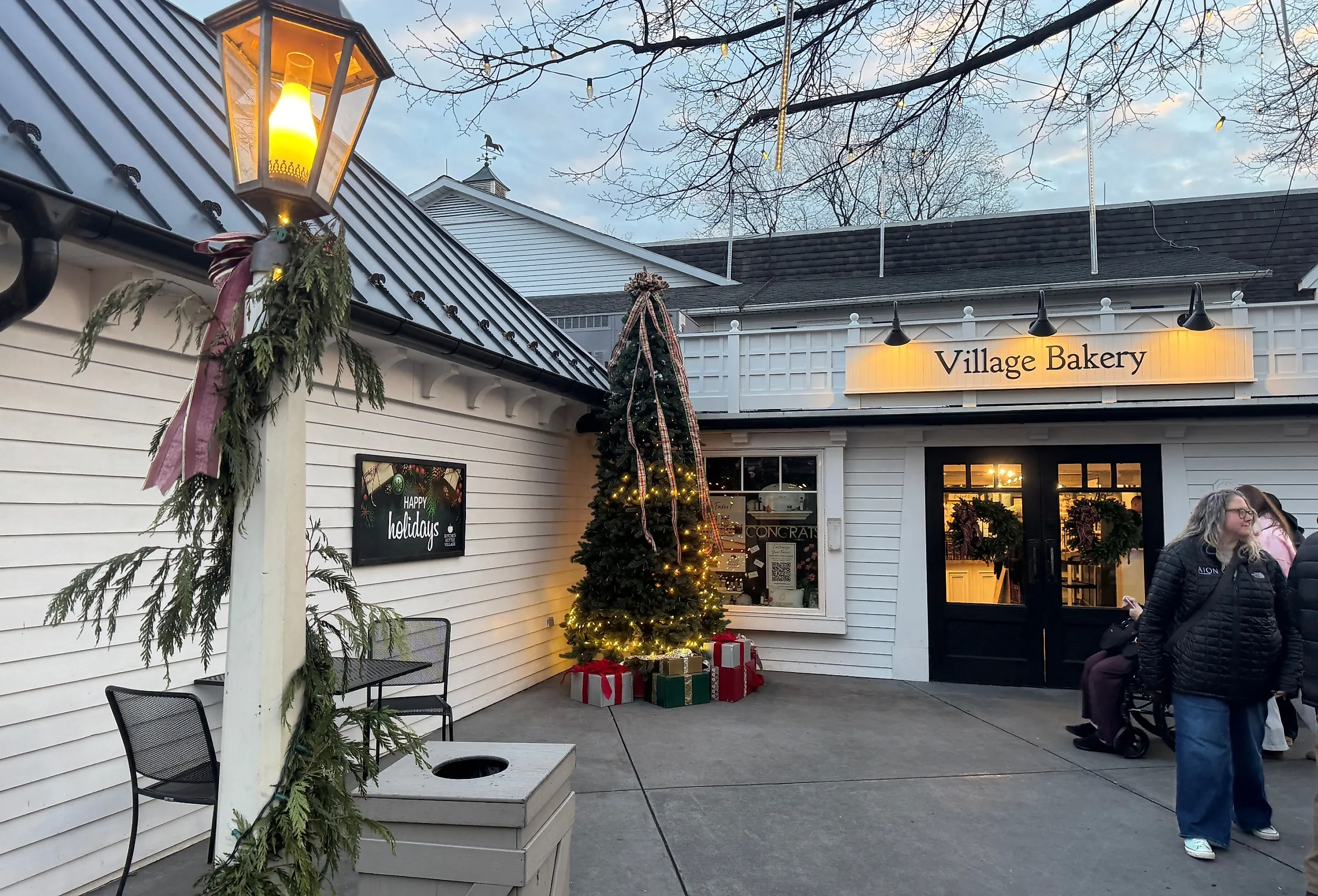
Kitchen Kettle Village grew out of a canning operation, and that still shapes what’s there now. Instead of one store, the space is made up of smaller shops connected by narrow walkways. Jars of jam, relishes, pickles, and sauces are packed closely on shelves, many made on site using local fruits and vegetables that follow seasonal harvests. In some areas, you can see food being prepared before it’s sold, with recipes tied to Pennsylvania Dutch cooking rather than modern production. Other shops carry baked goods, fudge, and pantry items rooted in the same tradition. Each space stays small, so you step in and out of different rooms rather than moving through a single interior, with the focus staying on locally made, traditional products.
The Old General Store, Donegal & Mount Pleasant
The Old General Store is arranged around low shelving and wooden counters that keep everything within reach, but what stands out more is the mix of items it carries. Glass-bottle sodas, old-fashioned candy, simple kitchen tools, candles, and small locally made goods are grouped together in a way that reflects how general stores once stocked essentials alongside extras. Some items, like classic sweets or basic household tools, aren’t as common in modern stores, which makes them immediately recognizable. Nothing is spread out very far, so you move slowly from one section to the next, noticing things you might not have come in for. It’s that kind of browsing, picking something up because it’s familiar or useful, that gives the store its more quaint, old-style character.
Pennsylvania General Store, Philadelphia
Inside Reading Terminal Market, the Pennsylvania General Store works from a counter rather than a full walk-through layout. The space is sung, with most goods kept behind the counter or on nearby shelves. Soft pretzels, pies, cookies, chocolate, and pantry items from across the state are all handled directly rather than picked up from aisles. Customers can place their orders, ask questions, and receive their items at the counter, which keeps the exchange more direct. That kind of interaction, speaking with the person serving, waiting while items are gathered, and having them handed over, adds a level of attention that reflects how goods were once sold before self-serve became standard.
Country Junction, Lehighton

Country Junction is much larger than the other stores on this list, but it still follows the older idea of a general store carrying a bit of everything in one place. Different sections hold candy, baked goods, gifts, and specialty items, all arranged across open shelving and counters rather than separated into formal departments. Fudge is cut behind the counter, glass-bottle sodas are stacked nearby, and locally made products sit alongside everyday items, so the selection feels mixed rather than streamlined. Even with more space, the experience stays hands-on, and that sense of abundance and variety, where useful items and small extras are grouped together, is what gives it its old-time character, even at a larger scale.
Baumunk’s General Store & Post Office, Shunk
Shunk lies deep within the Endless Mountains, connected by long, winding roads that tie together small towns and farm valleys. Baumunk’s General Store & Post Office opened in 1905 and still looks much the same as it did then. Once surrounded by sawmills and timber camps, it served a community that relied on it for everything from provisions to connection with the outside world. The store sits close to the road where locals and travelers stop without ceremony. Wooden benches line the front porch, often holding a waiting coffee cup or an idle conversation. Inside, the shelves are closely packed with practical goods: groceries, tools, soap, postcards, and freshly made sandwiches. The post office counter remains inside the same room, so mailing a letter and ordering lunch happen within the same few steps. Baumunk’s feels nostalgic not because it tries to preserve a particular era, but because its daily rhythm never really changed. It continues to serve whoever passes through, at the same steady pace. The familiar smell of brewed coffee, worn wood, and paper creates a small pocket of continuity in a place where time seems to sit more lightly.
Wanamakers General Store, Kempton
Kempton rests among rolling farmland in the Pennsylvania Dutch region, where roads stretch between fields and barns rather than shopping centers. Wanamakers General Store began serving this farming community in the late 19th century and remains family-run today. The two-story building is covered in white siding, with old lettering on the windows that speaks to decades of use. Inside, the space feels full but calm. The worn floors lead past shelves of local preserves, hand-carved toys, and pantry staples. At the deli counter, fresh sandwiches and daily soups are served alongside talk about the weather or the harvest. The smell of baking and coffee fills the air, joined by the sound of the screen door closing behind regulars. The store’s inventory reflects the surrounding farmland. Fresh bread, honey, cheese, and seasonal vegetables come directly from nearby producers. This closeness to its landscape gives the place a genuine sense of belonging. Wanamakers is old-timey not as a recreation of the past, but because it continues to operate through relationships and trust in the same way it always has.
What stands out across these 11 general stores is not just how old they are, but also how little their setups have changed and their niche offerings. The buildings are still narrow, counters still define how things are handled, and shelves are fitted into the space rather than expanded. In river towns, the stores sit right along the road, while in villages, they stay part of the same cluster of buildings. Stepping inside one of these stores is like entering another tempo. The air smells of coffee and paper. Voices carry across narrow aisles. A bell rings as the door closes behind someone who already knows half the room. In these moments, the line between errand and gathering disappears, and what remains is a small, still piece of continuity in a world that rarely pauses anymore.