11 Best Places To Retire In Spain
In 2025 alone, nearly 100 million people visited Spain, drawn by more than 5,000 miles of coastline, layered Roman and medieval history, and town centers built for daily life on foot. In Guadix, the cave district still marks the edge of town with homes carved into clay hillsides. In Adra, the harbor remains close to the plazas, markets, and everyday shops that shape local routines. In Ronda, the gorge, bridge, and old plazas still define how the town comes together. This list of the 11 best places to retire in Spain highlights towns where that traditional structure remains intact. According to Idealista, Spain’s median home listing price is about €2,673 per square meter, and every town here comes in at or below that level.
Ronda

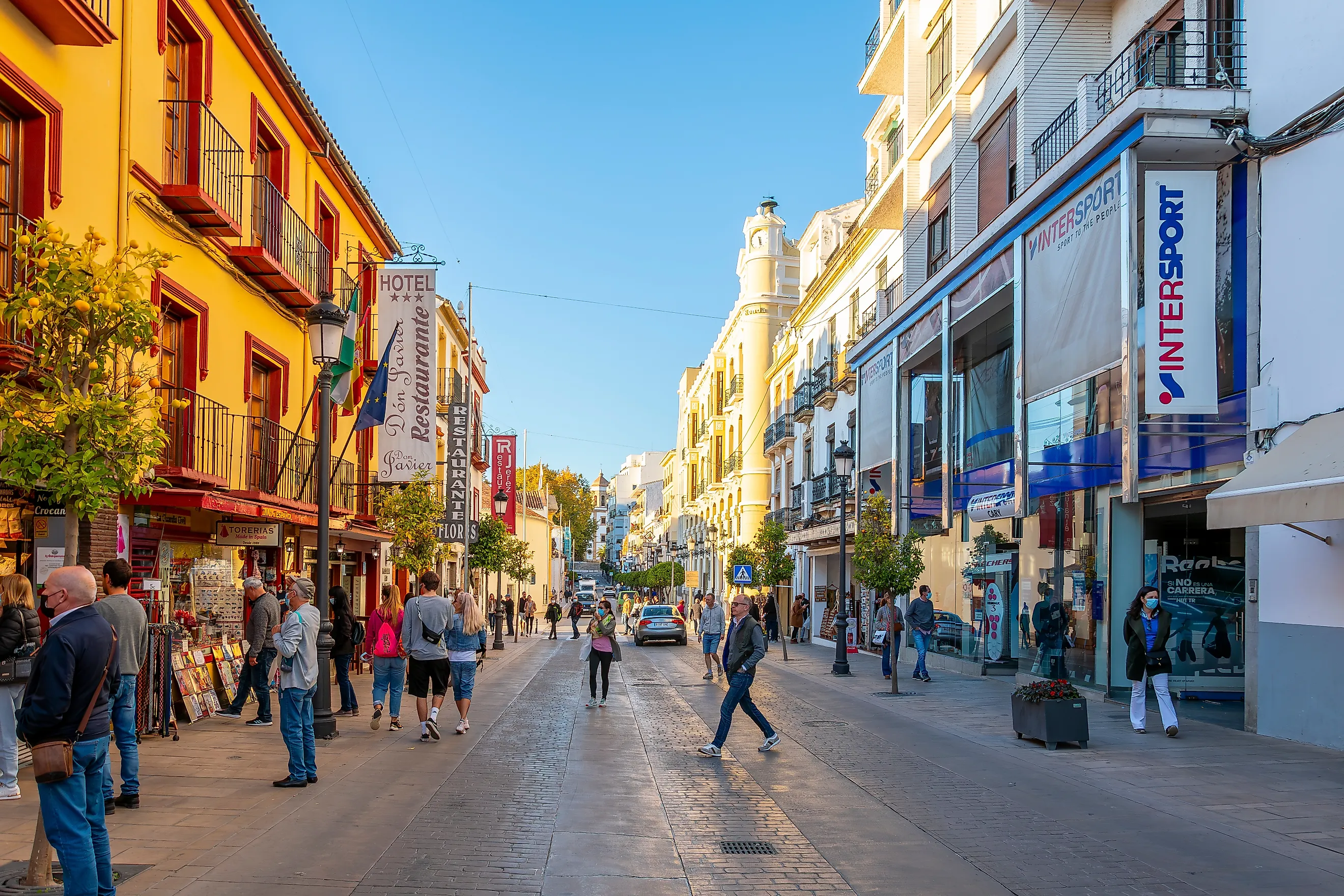
Ronda sits on a plateau in Andalusia, with the El Tajo gorge running through the town and the 18th-century Puente Nuevo bridge joining the cliffs. From the bridge, there are clear views down into the ravine and across the surrounding countryside, showing how the town is set within the landscape. The old center is compact, with cobblestone streets that lead to courtyards, churches, and the Plaza de Toros, one of Spain’s oldest stone bullrings. Many retirees enjoy walking in the tree-lined Alameda del Tajo Park, where paths follow the edge of the gorge, or visiting the Mondragon Palace to learn about local history and earlier Moorish influence. Vineyards and olive groves surround the area, and the air stays clean because there is little industry. This layout allows daily routines to remain close by, with shops, services, and outdoor space all within easy reach.
Guadix

Guadix is a town in the province of Granada. The town is famous for its cave houses, especially those built into the soft clay hills on the outskirts, particularly in the Barrio de las Cuevas, where many are still inhabited and keep a steady temperature. The town center is anchored by Guadix Cathedral, a 16th- to 18th-century building that stands over streets lined with shops, pharmacies, and the town hall. The town also has markets with fresh produce from the surrounding agricultural land. The median home listing price in Guadix remains below the national figure.
Priego de Córdoba

This town sits in the Subbética mountains and has a historic center with a slower pace shaped by its setting. The Barrio de la Villa has narrow, whitewashed streets and balconies filled with flowers, leading into small plazas where local shops and cafés are concentrated. Nearby, the Fuente del Rey fountain area provides shaded paths, fountains, and benches, offering a quieter place for regular walks without much change in elevation. Churches and small museums are also within a short distance, and the olive groves surrounding the town continue to supply the markets with local produce. Because everything is gathered within a short distance, it is easy to settle into a routine without needing to travel far.
Loja

Loja, located between Granada and Málaga, offers a relaxed way of life. The town sits along the Genil River, with walking paths by the river that lead to the center. The Alcazaba, a well-preserved 9th-century fortress, is nearby and offers impressive views of the town. Bakeries such as Panadería Pan de Paco, along with fruit shops and cafés, remain part of the town’s daily routine, while the small plazas and surrounding countryside add to Loja’s appeal. The median home listing price is well below the national figure, with central apartments and larger homes both within reach.
Monforte de Lemos

Monforte de Lemos sits in inland Galicia, within the Ribeira Sacra wine region, shaped by steep vineyard terraces along the Sil and Cabe rivers. The town center is compact and organized around its main square, where cafés, pharmacies, and small shops remain within a short walk of one another. Just above it, the Monastery of San Vicente, now part of the Parador complex, overlooks the town and connects to a group of historic buildings that reflect its role as a regional center. Paths follow the Cabe River through green stretches on the edge of town, while nearby vineyards remain part of the local economy. With most places reached on foot and little need to move beyond the center, it is a setting that supports a steady, predictable routine.
Baza

Baza is an inland town in Granada province, surrounded by open countryside and natural parks. The historic center has many plazas, traditional churches, and busy local markets. The Arab Baths and the archaeological museum give a look into the area’s long history, and visitors can walk through the preserved bath chambers to see how heating systems and water channels were used in daily life. Green spaces and parks have well-kept walking paths that everyone can use. Most daily needs and services are found in the town center, so residents have everything close by. The median home listing price is well below the national figure, which adds to Baza’s appeal for retirees looking for a lower-cost option.
Adra

Adra is a small coastal town in Almería province, known for its long history as a fishing port and farming center. The town is built around a busy harbor, with flat paths and plazas that make it easy for seniors to get around. Local markets offer fresh produce from nearby greenhouses, and most daily services are close together. The beaches here are usually quieter than those in bigger resorts, so there is plenty of space to walk by the sea. You can also find Roman-era ruins and old watchtowers that show Adra’s strong ties to maritime trade. The median home listing price is lower than the national figure, making Adra one of the more affordable retirement spots on Spain’s southern coast.
Úbeda

In Jaén province, Úbeda has a historic center known for its Renaissance style. The Plaza Vázquez de Molina acts as the focal point of the town, with administrative offices, churches, and museums accessible within a short walk. The streets connect small businesses, restaurants, and basic services in a compact area. The surrounding landscape features olive groves, and local markets still sell olive oil, seasonal vegetables, and bread through small shops and weekly stalls, making it easier to manage everyday needs without relying on large supermarkets.
Antequera

Antequera is in the center of Andalusia, close to Málaga and Córdoba, but still has a local feel. The center features the Alcazaba fortress, baroque churches, and convents. The Dolmenes de Antequera, ancient stone monuments and a UNESCO World Heritage Site, are nearby. The Plaza de San Sebastián forms a flat central square lined with cafés, where morning coffee is often ordered as a café solo or cortado and served with tostada and olive oil. Shaded tables fill gradually through the day, with familiar faces returning to the same spots. Weekly markets bring in olive oil from nearby cooperatives, along with local goat cheese and seasonal produce sold directly by growers. Nearby roads lead to the El Torcal Natural Area, where marked paths pass through limestone formations, giving residents easy access to walking routes without needing to travel far.
Luarca

Luarca is a fishing town in Asturias, with a harbor and steep, terraced streets that rise from the water toward the hills above. The port is the center of daily life, where fishing boats bring fresh catch that is served in the waterfront restaurants nearby. Flat walkways with benches line the harbor, offering people a place to sit and watch boats come and go throughout the day. Above the town, the white La Atalaya chapel and lighthouse look out over the Bay of Biscay and the surrounding hills, with paths leading up to these viewpoints. Asturias has a cooler climate, which appeals to those who prefer milder summers and a more temperate coastal setting.
Santillana del Mar

Santillana del Mar is known as the “town of three lies” because it is not considered holy, not flat, and not by the sea. Instead, it is a well-preserved medieval village inland from Cantabria’s coast. Cobblestone streets are lined with stone manor houses and churches, such as the Colegiata de Santa Juliana, a prominent example of Romanesque architecture. The Museo Diocesano displays religious artwork, and the Altamira museum’s Neocave offers a replica of the cave and its prehistoric art. Small shops sell local cheese and handmade items, and there is café seating in the squares to unwind. The compact layout makes it easy to spend time within the same few streets without needing to go elsewhere.
Spain’s small towns offer retirees many choices, from mountain gorges and subtropical gardens to harbors and traditional streets. Each of these 11 towns in Spain offers a traditional setting, easy walkability, and beautiful scenery. These towns have more affordable housing than big cities or tourist spots, making them both practical and attractive. With cafés, markets, museums, and a climate that supports time outdoors through much of the year, these towns show why Spain remains a popular place to retire.