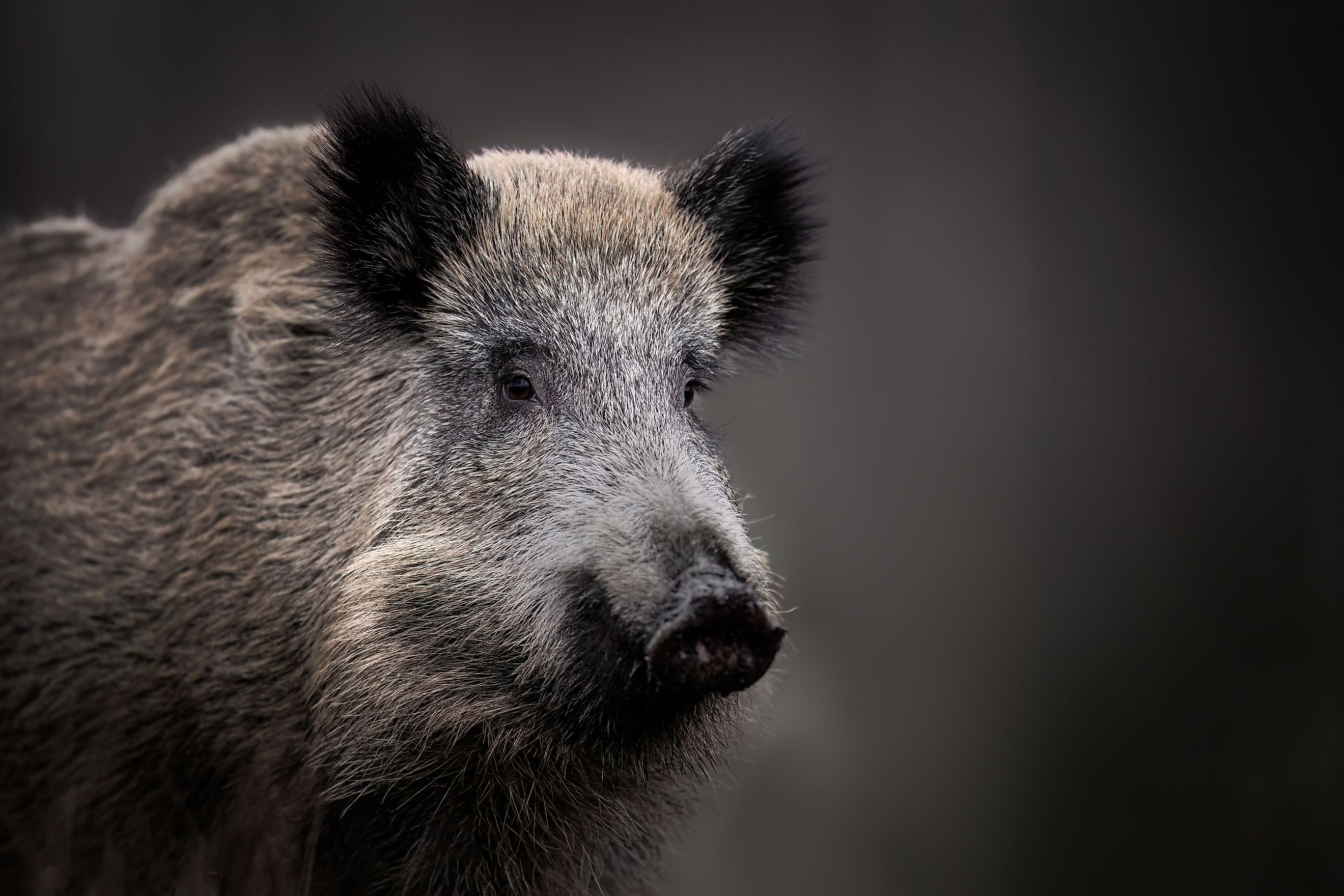
The Forests Where Wild Boar Have Taken Over
Wild boars have been an ever-growing problem since they were first introduced to the United States in the 16th century. While domesticated pigs are an excellent source of meat and sustenance, wild pigs serve as an omnipresent threat to ecosystems, agriculture, and the general safety of humans.
The population of wild boars has steadily grown in number over the centuries, and in 2026 there is an estimated population of 6 million wild boars, which can be found in at least 35 states. Primarily located in the Deep South, wild boars have significant population sizes in California, Oregon, New Mexico, and even Hawaii. There are entire swathes of American forests that have been overrun with these stubborn and invasive pests, which has resulted in all manner of problems.
Ouachita National Forest

Located in Arkansas and eastern Oklahoma, Ouachita National Forest is just one of the many American woodlands that have had to endure the shortcomings of wild boar infestations. Wild pigs are infamous for their destruction of ecosystems and local habitats.
This is often caused when wild pigs tear up soil and wetlands as they root through the earth in search of food. Wild boar commonly compete with other native species in search of resources and are known to prey on the eggs of birds that make their nests on the ground and even attack and kill young fawns that are too young to evade such dangers.
With very little in the way of natural predators, especially in Arkansas, these pigs are left uncontested in these environments and grow rapidly in number. The number of wild boar in Arkansas is estimated to be around 200,000.
Sam Houston National Forest

Sam Houston National Forest can be found just a short 1-hour drive north of the Houston area. Texas has the largest wild boar population of any state and has consequently become the epicenter of the national struggle against these animals. There are an estimated 3 million wild boars in Texas, which makes up nearly half of the entire population found in the United States.
As a way to try and keep the population under control, hunting wild boar in Sam Houston is permitted all year round. Various regulations and licensing to hunt within the forest vary depending on whether the hunt is taking place on public or private land. Regardless, forest and state authorities have made hunting wild hogs as accessible as possible.
While hunting wild boars has become quite the popular pastime in Texas and other states afflicted by their impact, some experts are critical of how effective hunting is in actually removing wild boars from an area. Individual hunting parties are often unable to wipe out an entire sounder, or herd, during a hunt, which only scatters the surviving pigs to another place where they are free to breed and reproduce.
Tombigbee National Forest

Tombigbee National Forest, found in Mississippi, is no stranger to wild boars. Mississippi, like many southern states, is home to a wild hog population numbering close to 200,000. Visitors are often warned via various signage posted around the forest to avoid these pests as best they can. To the shock of some, wild pigs can become incredibly aggressive in the right circumstances.
While domesticated pigs are usually harmless and docile, once feral, they are known to attack humans with surprising ferocity. Some feral pigs can weigh between 150 lbs and 300 lbs. If a group of pigs charges a human, they are more than likely going to get knocked down, trampled, and gored.
There have only ever been a small handful of deaths at the hands of wild hogs recorded in the United States. However, attacks often lead to serious injuries that can take months or even years to recover from.
How Did The Boar Problem Spiral Out of Control?

The feral pig problem first began when domesticated pigs were introduced to North America by early European explorers and settlers. Over the centuries, these domesticated pigs would escape captivity and inhabit the various woodlands and forests across the country.
Pigs are incredibly adaptive and rugged creatures that can overcome even the most hostile and unforgiving conditions. Wild boars also reproduce at an astounding rate. A sow can birth between three and ten piglets in a single litter and can sometimes give birth twice in a year. Pigs are able to begin reproducing at only 6 months old, making it quite easy for a small infestation to balloon and snowball rapidly if not addressed.
Feral pigs typically have little in the way of natural predators aside from wolves, mountain lions, alligators, and, of course, humans. What has held them back in the northern United States is not predation but cold, since long spells of snow and ice make it much harder for pigs to root for food. The Southern United States does not have this check and often relies on human efforts to do what they can to push back the tide of wild boars.
The True Cost of Wild Boars

Aside from the well-established impact they have on the ecosystems they stumble into, they have a profoundly negative impact on agriculture and local economies. As previously established, when boars search for food, they dig up the top layer of soil in search of insects, plants, and roots. When this is done in woodlands, it is a problem. However, when this is done in a farmer's field in the middle of harvest, it is devastating.
Wild boars cost the United States over 1.5 billion dollars in damages and control costs each year, and the most recent USDA assessment puts agricultural losses at 1.6 billion dollars across the 13 states surveyed. It is not only crops that are impacted but also livestock. Wild boars famously carry all types of diseases that can transfer onto farm animals, leading to serious sickness and death.
According to the Texas Farm Bureau, each year wild boars cause roughly $871 million in total damages in Texas alone. There has been recorded success in bringing down the total population of wild hogs. However, it often takes a coordinated effort from various government agencies and is difficult to organize. Whenever the pressure is taken off, the wild boar population usually rebounds shortly after.
What Pushing Back Actually Takes
The explosion of the wild boar population has caused much stress and heartache to American conservationists and farmers. The damage they cause to the environment and the agricultural landscape is astounding for such a seemingly harmless animal. Their innate ruggedness and adaptability make them an especially tough problem to root out. That being said, the situation is not hopeless. It has been proven that coordinated efforts can have an effect as long as they are well funded and sustained over a long period of time.