The 10 Windiest Places in the World
The English writer Christina Rossetti once wrote that no one has ever seen the wind, only felt it pass. Her words capture something true. Wind is invisible, yet its force is unmistakable whether it arrives as a gentle breeze or a tropical storm. Around the world, powerful winds remind us that nature is the dominant force over us all. Understanding how wind comes to exist and where it blows strongest is an acknowledgement of the Earth's strength.
The Study of Wind
The study of wind is called anemology (an-uh-MOL-uh-jee). This word is from the Greek words anemos (meaning "wind") and the suffix -logia (meaning "study of"). For centuries, humans have been trying to study, harness, predict, and stay safe from rough-and-tumble winds. Some ancient cultures thought deities created the winds. In medieval times, the wind was thought to be the breath of God. These ideas were the understanding people had of how wind formed.
Wind Formation
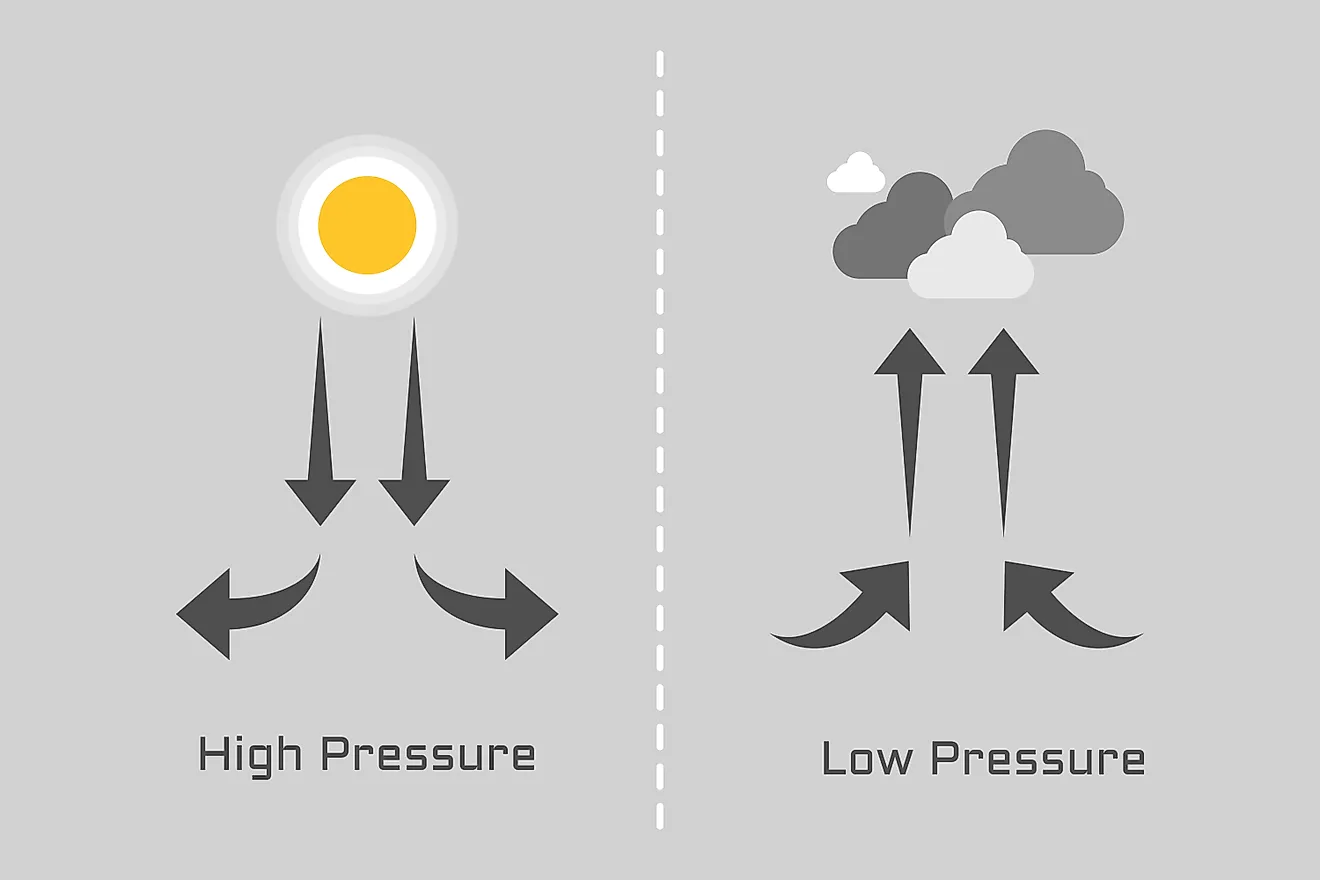
Pre-scientific explanations faded as people developed weather and climate studies technology. Instead of deities, wind formation is based on complex solar, water, and earth interactions. Solar radiation heats the Earth's surface unevenly throughout the world and generates warm air. The heated air is less dense than cold air and rises. This rising warm air creates low-pressure areas. Cold air is denser and sinks, creating high-pressure areas. Air moves from high-pressure to low-pressure areas to equalize pressure. The movement of warm and cold air creates an energy release called wind.
Wind Barriers
Wind force is also based on obstacles in the wind's path. Buildings and trees, for example, create barriers to fast winds. Mountain tops or other exposed geographic features, areas without buildings or trees, lack obstructions to blunt wind force. Bodies of water are obstacles or conduits of cooler or warmer air, creating wind energy and patterns.
Places with Strongest Winds
Wind speed and intensity depend on the interplay between geography and meteorological situations. Mountain formations, bodies of water, and local weather affect wind speed. The windiest places in the world are typically on high elevations or near water. Some places in the world that are the windiest are:
Baku, Azerbaijan

Baku is the capital of Azerbaijan, the largest city in the country. The city has a reputation for being breezy and is called "City of Winds." In summer, warm southern winds called the Gilavar cool the city. These are pleasant breezes, but in winter, cold northerly winds called the Khazri reach speeds of up to 89 mph.
Barrow Island, Australia

Barrow Island in Australia is a stormy yet beautiful environment. A haven for spectacled hare-wallabies, sea turtles, and large lizards, this island can be harsh to humans. Storm season sees cyclonic speeds of over 180 mph. The island currently holds the Guinness World Record for the highest recorded wind speed not linked with a tornado. During Cyclone Olivia on April 10, 1996, 253-mph winds were recorded.
Cape Blanco, Oregon

Cape Blanco is the westernmost point in Oregon. West of the town of Port Orford, Cape Blanco juts 1.5 miles out into the Pacific Ocean. As a headland, the area is often exposed to powerful winds. The area usually gets winds of about 20 miles per hour (mph). Winds have been recorded reaching 70 to 100 mph. Winter weather can bring winds of 100 mph, but during the Columbus Day Storm in October 1962, gale winds were 180 mph.
Cape Denison, Commonwealth Bay, Antarctica

Commonwealth Bay, Antarctica, has the world's most powerful winds. The bay is situated at the Indian Ocean's southernmost point. Cold polar air masses collide with warmer air from the ocean, causing powerful winds. The Southern Ocean's closeness to Commonwealth Bay plays a substantial role in the bay's high winds. Noted for its fierce storms and powerful ocean currents, the Southern Ocean sends ripping gales inland. Winds in Commonwealth Bay average 50 mph, but have reached 200 mph.
The Cairngorms, Scotland

The Cairngorms in Scotland are notorious for the harsh weather. Cold gusts of wind are an average of 40 mph throughout the year. On the bare mountain face, this treacherous environment is lethal for climbers, especially in winter. During the frozen months, hikers and climbers face intense gusts up to 120 mph. In stormy weather, winds have reached 173 mph!
Kirkwood Mountain, California

Like many mountainous places, Kirkwood Mountain is known for its high winds. Situated in California's Sierra Nevada, this mountain is known for fierce winter weather. In the summer months, winds are mild at 13 mph but exceed 100 mph in the winter months. The highest wind recorded on Kirkwood Mountain was 209 mph in February 2020.
Mount Everest (Sagarmatha, Qomolangma)

Wind on Mount Everest is fierce, except for a few days in spring and fall. For 250 days a year, the mountain is beset with a northern jet stream, producing wind speeds over 100 mph. This jet stream causes winds to gust up to 177 mph. During a few rare days, usually in May or September, these dangerous gales ebb to 5 mph. Climbers should be wary. Mount Everest, with its own microclimate among neighboring mountains, can turn deadly with ever-present cold and surprise windstorms.
Mount Washington, New Hampshire

Mount Washington is renowned for extreme weather. As the tallest peak in the Northeast, the mountain's sides remain exposed to winds funneled upwards from surrounding mountains. Calm summer days see 40 mph winds. Winter is the most brutal, with winds exceeding hurricane force more than 100 days per year. The mountain's most dangerous winds occurred on April 12, 1934. Summit instruments measured a record wind speed of 231 mph. This wind speed is equivalent to wind speeds of a level-5 tornado.
Patagonia, Argentina

Patagonia is a desolate place where wind speeds vary depending on location and season. The area is close to westerly wind belts, an intersection of the Roaring Forties (latitudes 40-50 degrees South) and the Furious Fifties (latitudes 50-60 degrees South). These latitudes are regions where temperature differences, cold and hot, between the equator and poles create powerful west-to-east airflows. Average wind speeds are between 40 and 60 mph, but gusts often exceed 80 to 100 mph.
Wellington, New Zealand

Wellington is considered the windiest city in the world. The average wind speed is 16 to 17 mph, but wind gusts are typically stronger. Gusts of at least 40 mph occur 178 days of the year. The highest recorded wind speed was 154 mph, recorded on Hawkins Hill in 1962. The city is on the Cook Strait, a passage between New Zealand's North and South Islands. The Roaring Forties, heavy gusts from South America, funnel into the 14-mile gap, creating a river of wind.
Wind Safety Precautions
High winds are dangerous. Storms and other high-velocity winds cause property loss, injury, and death. Context is also essential. What are not high winds to most people are deadly to other occupations. Winds as low as 30 miles per hour, for example, may be hazardous to construction workers. Standing on a roof or handling bulky materials like plywood is dangerous even during low wind conditions. In general, some tips for wind safety are:
Take Shelter
Make a plan to get inside a solid building before high winds hit. Recreational vehicles and mobile homes are not sturdy buildings. Identify a nearby sturdy building to shelter in during the storm. If you live in a one or two-story house, go to an interior, windowless room, preferably a basement. In a multi-story building, go to the lowest level, preferably an interior room. In any scenario, stay away from glass windows and doors.
Storm Drills
Practice storm drills with everyone in your household. Have a shelter plan and an escape plan. Designate a safe meeting place. Create a buddy system where guardians, older siblings, or caregivers help those who need assistance.
Electronics
Keep electronics charged when aware of impending windstorms. Losing communication during a storm can complicate the recovery process. Staying connected to family members is vital to keeping them safe.
Loose Objects
Patio furniture, trash cans, and outdoor equipment are airborne hazards during high winds. If you have a garage, put these in temporary storage. Tie down furniture together or to nearby structures if you lack a garage.
Windows and AC Units
Debris can filter into the house from open windows. Since air conditioning units conduct outside air to flow through a house, an AC unit can admit dust and debris. Not only can this cause damage to the house but also threaten inhabitants' health.
Caught Outside or Driving
Take shelter in your car if you are unable to reach a sturdy building. Move to an area where it is less likely to sustain damage from falling trees and power lines. Avoid the side of the road with power lines and trees. Don't drive near high-profile vehicles such as buses, trucks, and vehicles towing trailers. Buses, trucks, and vehicles towing trailers easily flip in high winds.
Local News
Pay attention to local news. An emergency radio is useful for being aware of weather events. A hand-cranked or battery-powered radio works when the power goes out. External cell phone chargers help keep your phone charged. Wi-Fi signal may be lost after a violent windstorm, hampering this information tool.
The Wind's Lasting Power
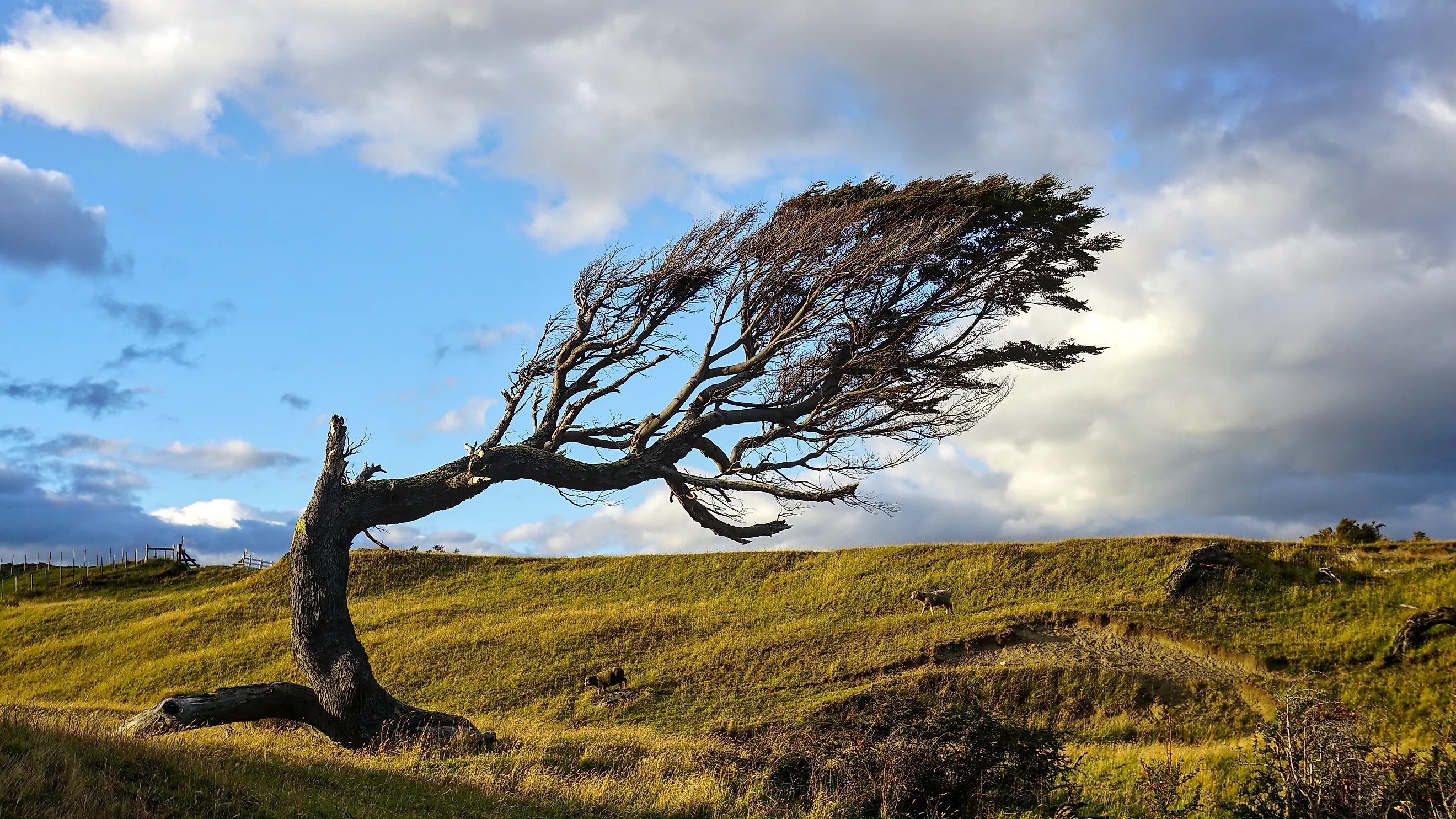
High winds are shaped by and shape the landscape. The wild beauty of a windstorm shows the awe-inspiring power of Nature. While these winds are brutal to human habitation, their strength manifests a wild beauty echoed in Rossetti's words, "But when the trees bow down their heads, The wind is passing by."