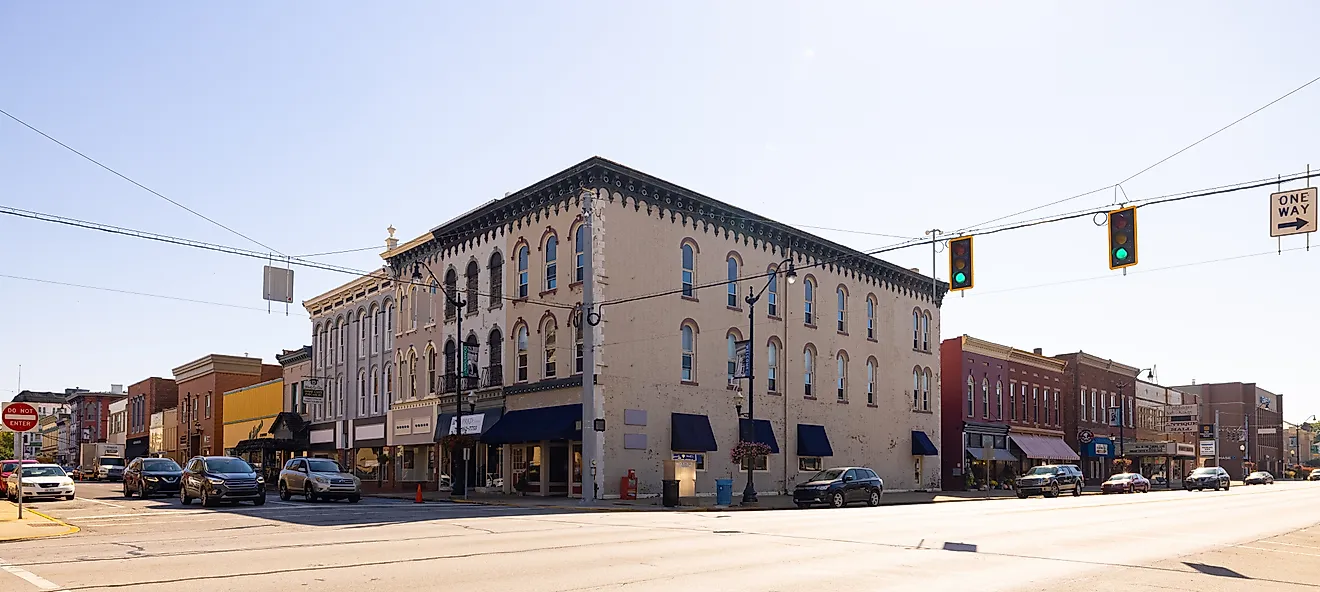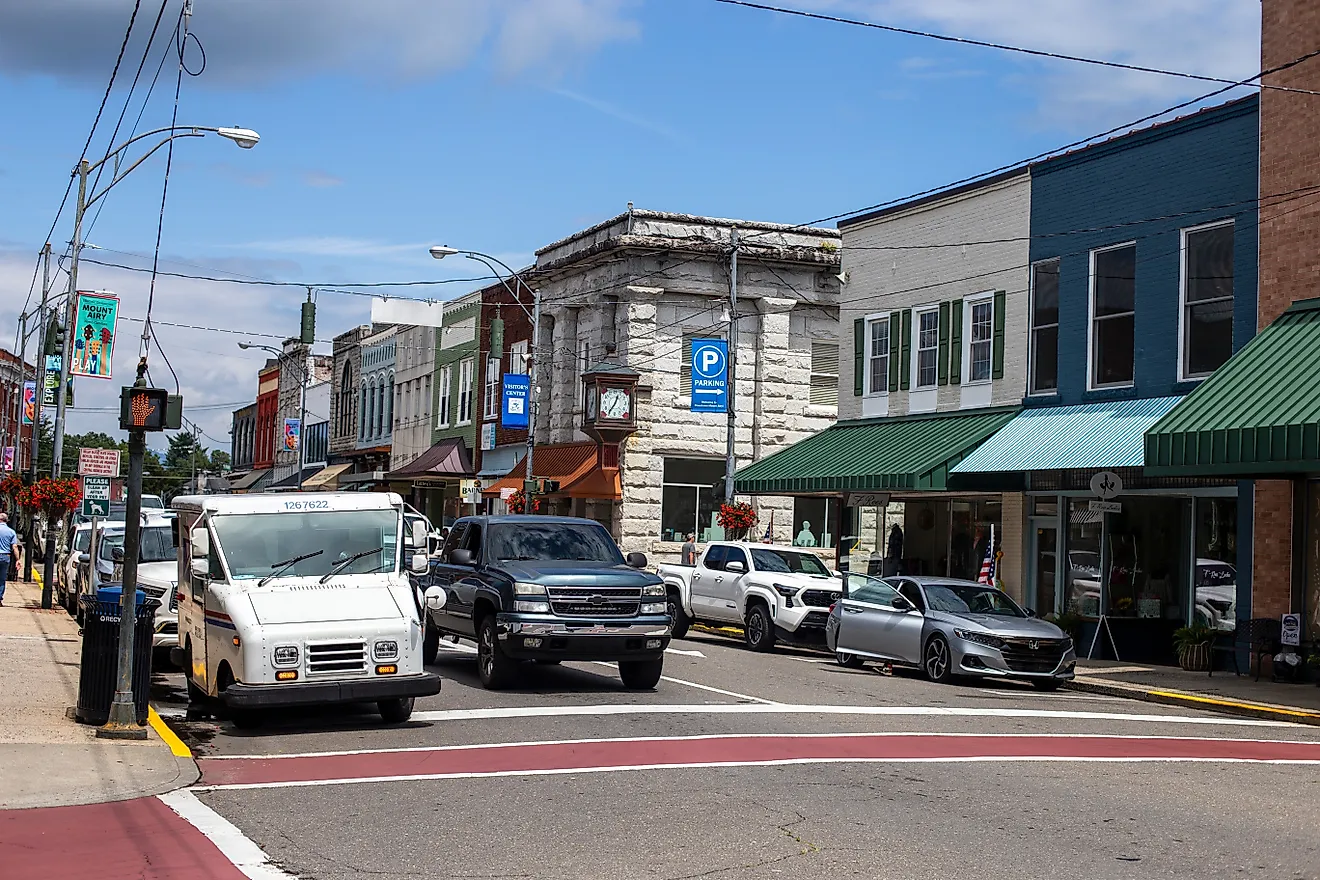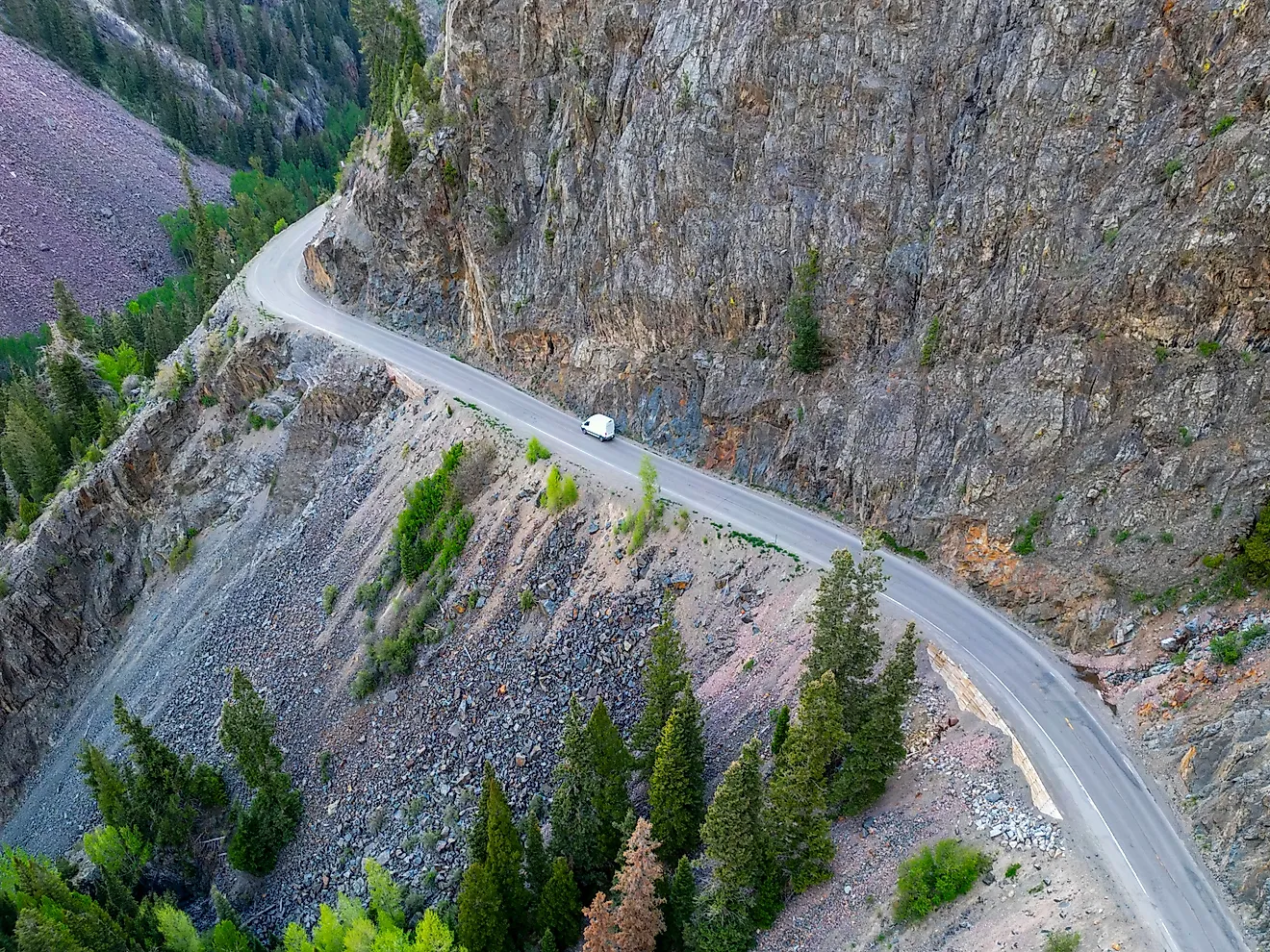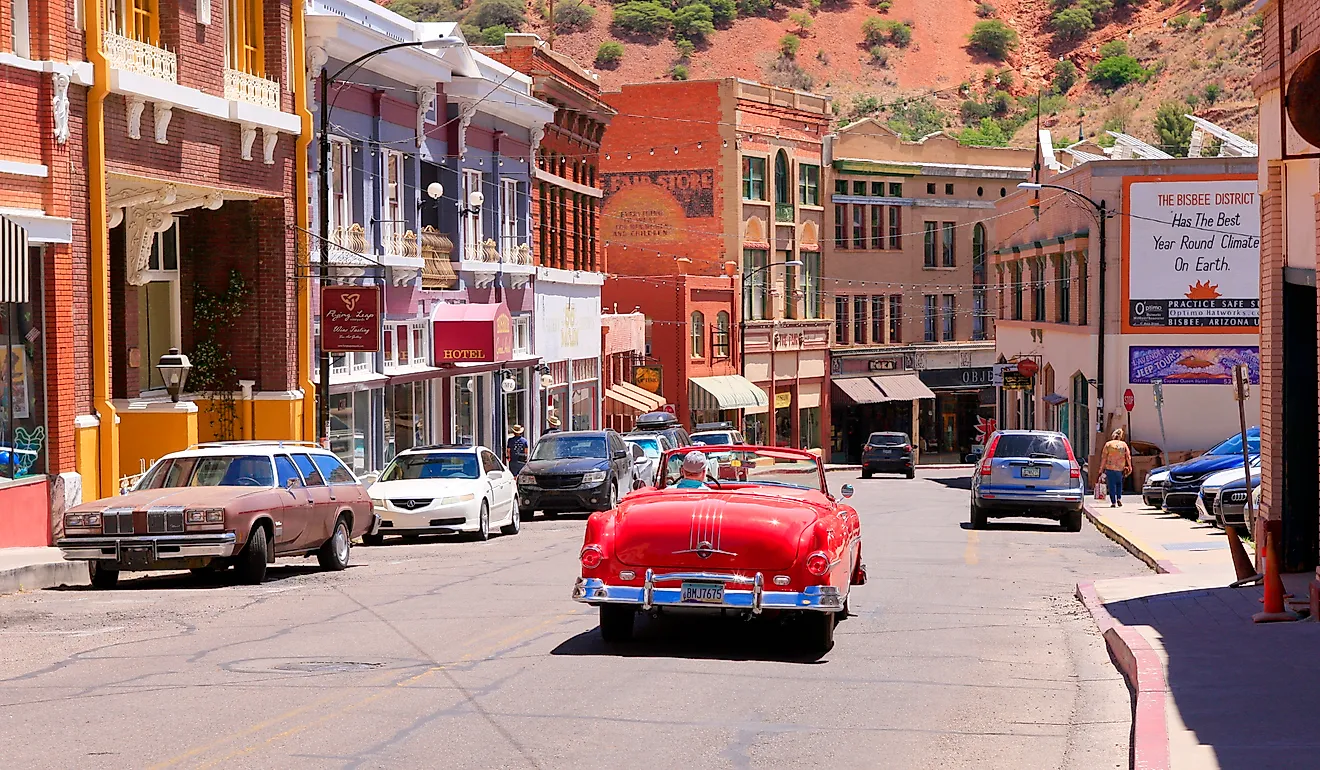
9 Picture-Perfect Main Streets In Alberta
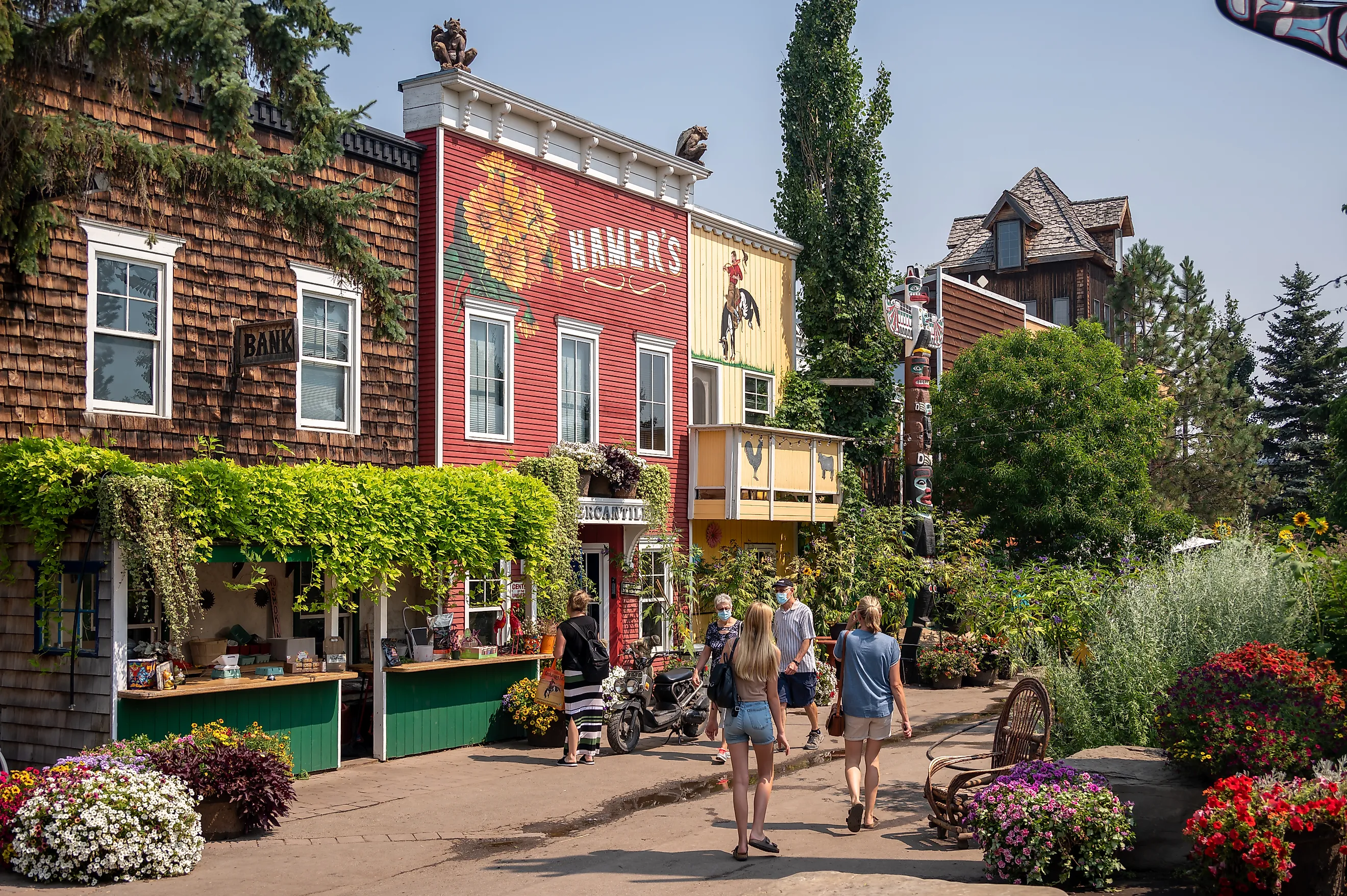
Alberta is so geographically rich and fascinating that its small towns tend to follow suit. From the mountain-backed streets of Banff to the heritage-lined blocks of Fort Macleod, some of the most photogenic moments in the province happen at street level, where a town's main street still looks like it was built to be walked.
In the strongest places, the brickwork runs block after block, the theatre marquee still does its job, and a mountain face drops into the background as it belongs there. Here are nine Alberta towns where the main streets look and feel undeniably "Alberta".
Drumheller

Around Drumheller, the valley folds into badlands coulees and sandstone ridges, and downtown sits right in the middle of it like it's part of the geology. Coal built the early economy; fossils built the modern identity. That story shows up on the main drag, where dinosaur sculptures mark intersections and long sightlines keep the ridges in frame behind the storefronts.

1 Street is the main-street photo zone: brick blocks, older storefronts, and mid-century facades that line up cleanly as you move block to block. Bernie & the Boys Bistro sits right on the strip for the "Bronto Burger." The World's Largest Dinosaur (a 26-metre steel giant) overlooks the downtown core and adds a literal landmark to the streetscape. The Royal Tyrrell Museum sits north of town as the obvious add-on once you've worked the main street, and Midland Provincial Park keeps the badlands feel close to downtown with trails along the river corridor.
Fort Macleod

Fort Macleod feels like a prairie service town that never ripped off its original face. The place grew around the North-West Mounted Police fort (established in 1874), and the NWMP headquartered here from 1876 to 1878, a timeline that still explains why the downtown blocks look built for permanence.
24 Street is the reason the town photographs so cleanly: brick and sandstone storefronts, recessed entries, false fronts, cornices that line up, buildings snug to the sidewalk. The Empress Theatre (opened in 1912) sits right in that heritage run for live performances and seasonal screenings. Stronghold Brewing Co. keeps the evening energy on 24 Street in a taproom that fits the streetscape. The Fort Museum of the North-West Mounted Police works as the history stop that stays tied to the town's core. Head-Smashed-In Buffalo Jump is best treated as the short-drive extension after the main street, with excavation galleries and cliffside viewpoints.
Okotoks

Okotoks has a cheat code: Big Rock. The Okotoks Erratic is a 16,500-ton quartzite boulder carried hundreds of kilometres by glacial ice, and it gives the town an instantly recognizable landmark to pair with its walkable core.

Elizabeth Street is where Okotoks actually looks like itself. The Olde Towne blocks stay neat and visually tidy, consistent storefront windows, recessed doorways, and spacing that keeps the street calm and cohesive in photos. Tribal Connection Market adds a strong main-street stop for First Nations art and beadwork, and Home Ground Coffee keeps the café moment on the same strip. The Okotoks Museum and Archives sits close enough to stay part of the downtown loop, offering ranching, settlement, and early rail context without breaking the main-street flow. Big Rock sits east of town in its protected reserve as the quick landmark detour once you've covered the street.
Cochrane

Cochrane's 1 Street West is short, confident, and very good at the working-western look. Buildings sit close to the sidewalk, the blocks don't sprawl, and the signage stays readable without screaming for attention, so the street photographs like a complete downtown instead of a single nice corner.
MacKay's Ice Cream (operating since 1948) sits right in the main-street rhythm and makes an easy first stop. Fence & Post keeps the dining option on the same corridor, with a menu that leans into Alberta beef. The Cochrane Ranche Historic Site connects the story back to the 1881 ranch era as the nearby history add-on once you've done the street. Big Hill Springs Provincial Park works the same way as the nature extension, north-east of town, with spring-fed waterfalls and short limestone trails; access can shift with maintenance and construction, so it's best treated as conditional after the main street.
Camrose

Camrose gets a boost from something a lot of prairie cities don't have right beside downtown: water and parkland that sit close enough to be part of the same main-street outing. Mirror Lake and the connected green space create a ready-made backdrop just off the commercial blocks.
50 Street is the core, with early-1900s growth-era buildings that still show off brick facades and big street-facing windows. The Bailey Theatre (opened in 1911) gives the street its marquee moment for concerts, screenings, and community productions. Fox & Fable Book & Game Café keeps the linger stop directly on the strip with coffee, books, and tabletop nights. The Camrose and District Centennial Museum sits near enough to stay in the downtown orbit for pioneer buildings and agricultural collections. Mirror Lake Park reads as the natural extension of the main street rather than a separate destination, with bridges and viewpoints stitched into the city's linear park system.
Lacombe

Lacombe wins on continuity. The railway and grain-trade era left a dense run of early-1900s brick buildings, and the downtown blocks still read like one coherent scene, which is exactly what a "picture-perfect main street" needs.
50 Avenue is the focus, where cornices, window spacing, and setbacks keep a steady line across multiple intersections. The Lacombe Flatiron Building (completed in 1904) sits right in the streetscape as a local icon and heritage exhibit space. Michener House Museum and Archives adds another layer nearby with period rooms and the local-history angle tied to Roland Michener. Sweet Capone's Italian Bakery and Cannoli Shop works as the sweet stop in town, now located in the Lacombe Centre Mall on 45 Street, close enough to keep it part of a downtown-based outing. Len Thompson Trout Pond sits west of downtown as the quiet outdoor extension once the main-street loop is done.
Banff

Banff Avenue ends in a mountain, which is very on-brand for Alberta. Cascade Mountain closes the view like a backdrop on purpose, so the main street arrives with a built-in composition from the curb.
The avenue stays the town's promenade, with tightly spaced storefronts, railway-era stonework, and chalet-style touches that keep the walk lively block to block. The Whyte Museum of the Canadian Rockies sits just off Banff Avenue as the cultural stop that still fits a main-street loop, with mountaineering artifacts, regional art, and archival photos. Evelyn's Coffee Bar keeps the caffeine stop right on the strip. Bow Falls works as the easy, close-to-downtown nature break, linked to paths that lead toward the Fairmont Banff Springs grounds. Banff Upper Hot Springs sits above town as the classic add-on, but the pools are temporarily closed for essential maintenance and upgrades through early 2026.
Canmore

Canmore has a clean before-and-after story with coal-mining roots, then a pivot into mountain recreation after the mines closed in 1979. The best part for photos is practical; downtown stays low enough that the Three Sisters remain part of the streetscape.
8 Street is the walkable main-street stretch, with restored storefronts and short cross streets that keep the scene tight and coherent. The Canmore Museum and Geoscience Centre sits close to downtown as the history-and-geology stop tied directly to the town's origins. Rocky Mountain Bagel Co. keeps the grab-and-go moment right on the corridor. Policeman's Creek Boardwalk runs near the commercial core as the gentle nature loop that still feels connected to the street. Grassi Lakes Trail works as the bigger outdoor extension once the main street is covered, climbing to turquoise lakes above the Bow Valley.
Jasper

Jasper feels different because it is different: it's a townsite inside Jasper National Park, with governance shared between the Municipality of Jasper and Parks Canada. That structure shows up on the main street, where commercial blocks still feel like they belong to the surrounding landscape.
Connaught Drive is the main corridor, shaped by the railway era and kept low-rise by design guidelines that preserve open views from the sidewalks. The Jasper Park Information Centre (a 1914 National Historic Site) anchors the street as one of the town's signature log buildings and a natural downtown starting point. Bear's Paw Bakery keeps the coffee-and-baked-goods stop on Connaught Drive itself. The Jasper-Yellowhead Museum and Archives sits close enough to stay part of the downtown loop, covering Indigenous history, rail development, and early exploration. Pyramid Lake, just north of town, works as the short-drive add-on once the main-street walk is done, with shoreline paths and the wooden bridge out to Pyramid Island.
Main streets are Alberta's easiest souvenir: a few blocks of brick, caffeine, and skyline, framed by coulees or peaks. String these towns together and you get a road trip built on curbside views, dinosaur silhouettes in Drumheller, false fronts in Fort Macleod, café windows in Okotoks, and mountains closing the frame in Banff, Canmore, and Jasper. Keep your camera handy, leave room for pastries, and let the main drag set the pace. Every stop is small, walkable, and unmistakably local too.