8 Unpretentious Towns To Visit In North Carolina
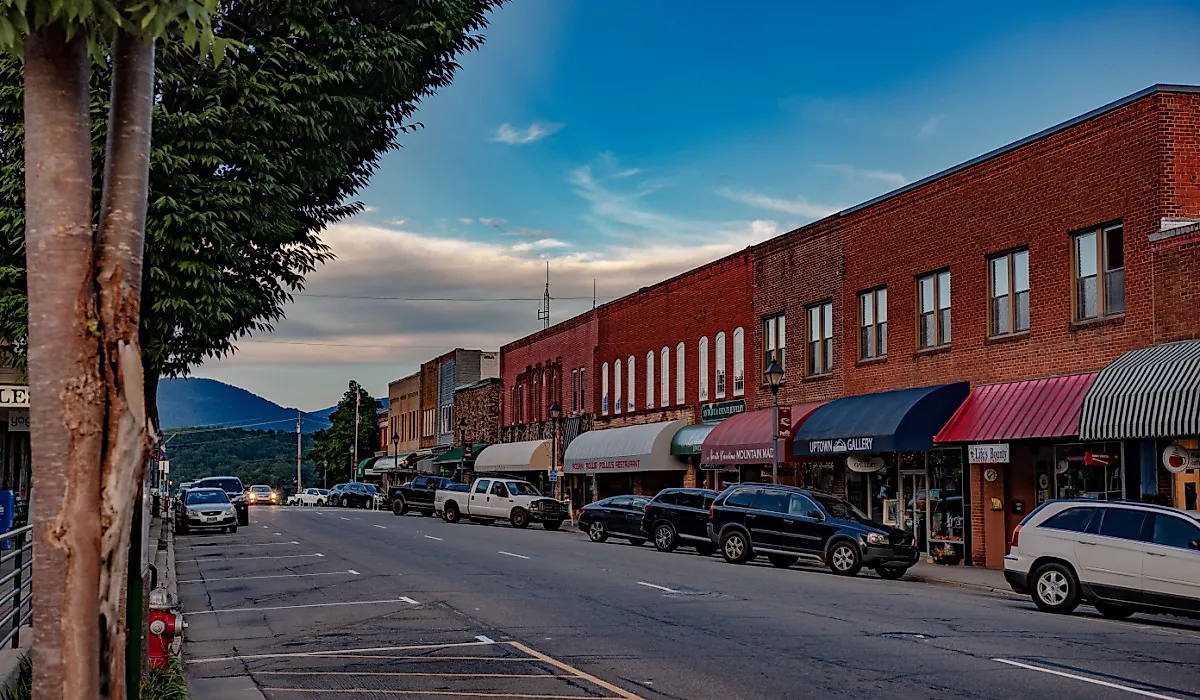
North Carolina’s well-known destinations, such as Asheville and the Outer Banks, are popular for good reason, drawing visitors with their scenic beauty, rich history, and established food and arts scenes. But beyond those familiar names are smaller towns that may not show up on travel roundups, even though they have plenty to offer. These places tend to fly under the radar, growing at their own pace, built around local businesses, longtime residents, and traditions that have been continued over generations. A visit might include a walk through a modest downtown area, a meal at a family-run restaurant, time spent exploring nearby parks and forests, or a stop at a small gallery or studio. Nothing is designed to impress at first glance, but the appeal becomes clear once you take the time to slow down. Together, these eight towns offer a quieter, more intimate way to experience North Carolina beyond the usual tourist destinations.
Franklin
Franklin sits quietly at the edge of the Great Smoky Mountains, known for its connection to the region’s natural resources and small-town character. Dubbed the “Gem Capital of the World,” a visit often begins with a bucket of soil at Rose Creek Mine, where you can sift for native rubies, sapphires, and other stones. In town, Lazy Hiker Brewing Company offers locally brewed beer with a laid-back atmosphere. Art and geology converge at the Franklin Gem & Mineral Museum, a small exhibit of native and exotic specimens that tells the story of the region’s unique resources.
For visitors who want to connect more deeply with the place and people, Franklin has a robust list of voluntourism opportunities. You can join trail stewardship days with the Nantahala Hiking Club, help care for the Little Tennessee River Greenway with Friends of the Greenway (FROG), or assist with conservation efforts through Mainspring Conservation Trust.
Four Oaks
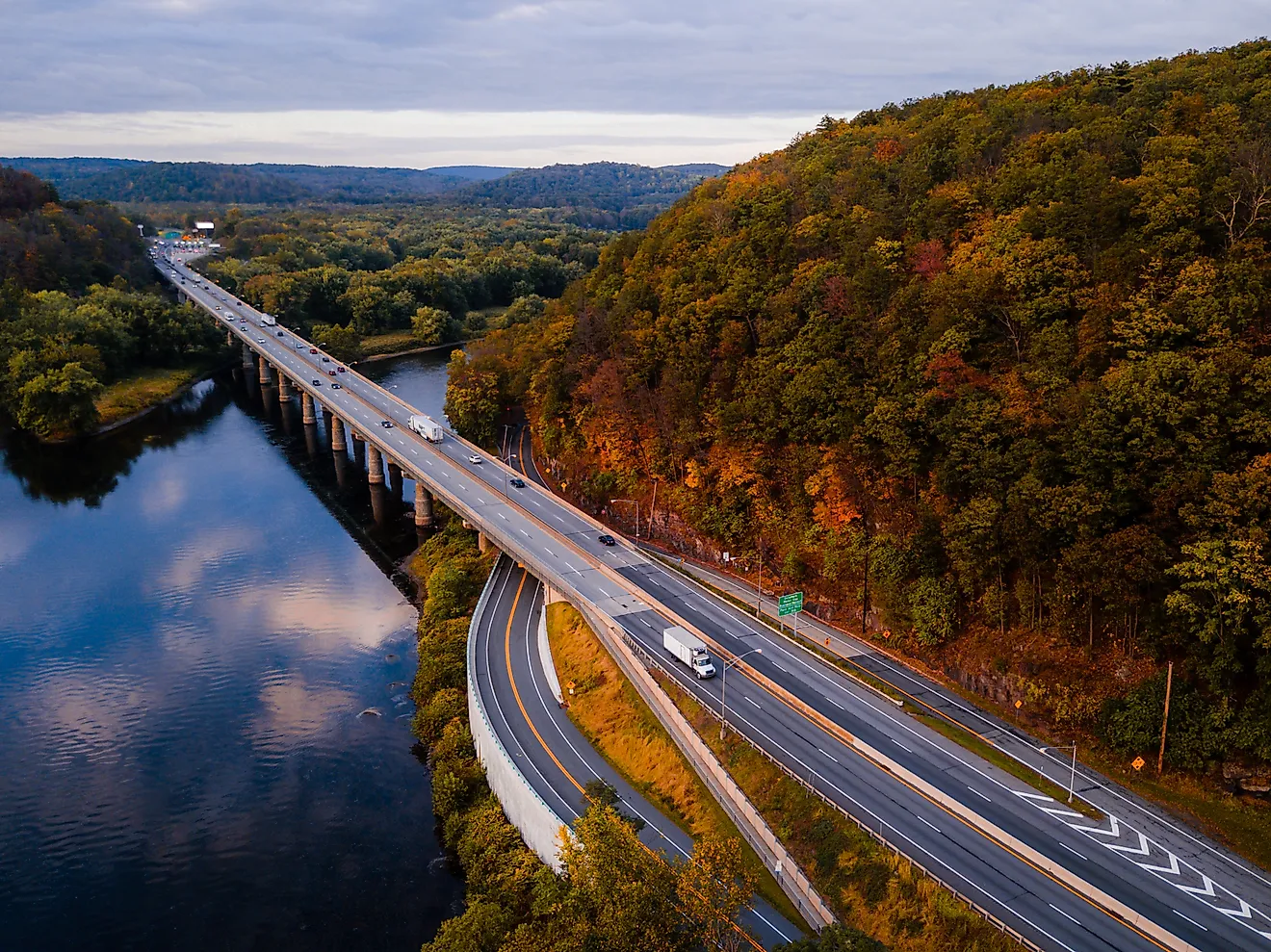
Located almost exactly halfway between New York City and Miami, Four Oaks is a natural stopping point for travelers along I‑95, and this small but lively town is worth the pause. Its downtown is lined with historic buildings and longtime businesses, and it remains a hub for community gatherings and events, including the locally loved Acorn Festival and Car Show. Settled in Johnston County, between Raleigh and Fayetteville, the town honors its rural heritage by highlighting its local history and nearby natural attractions. Visitors can stroll through the downtown area and discover unique offerings, such as Stanfield’s General Store, which features antiques, regional wines and art, specialty gifts, and classic candies.
For a meal, Food City Grill is known for serving local Bright Leaf red hot dogs, a beloved regional tradition that’s celebrated along the county’s Red Hot Dog Trail. Just 15 minutes from Exit 90, the Bentonville Battlefield State Historic Site brings Civil War history to life with museum exhibits, driving and walking trails, and the Harper House field hospital. The historic site also offers seasonal events, including battle reenactments and the Bentonville Battlefield Fall Festival. Nearby, Howell Woods Environmental Learning Center spans thousands of acres of forest and wetlands with hiking trails and birdwatching opportunities.
Hot Springs

Hot Springs sits in a valley along the French Broad River and is the only town in North Carolina where the Appalachian Trail travels directly through town. The city has been a destination for its natural mineral spring since the 1700s, and visitors still come to soak in the water at Hot Springs Resort and Spa, enjoying views of the river and surrounding mountains.

Strolling downtown, visitors can browse local outfitters, pick up Appalachian antiques, or stop by the Hot Springs Welcome Center to learn about the town’s history and outdoor adventures waiting just beyond the streets. The French Broad River offers opportunities for kayaking or fishing, while the surrounding trails provide day hikes suitable for all skill levels. For a bite or a break, visitors can enjoy coffee and local art at Artisun Gallery and Cafe, or relax with a craft beer at Big Pillow Brewing, both perfect stops between hikes or soaks in the spring.
Littleton
Littleton sits on the southern banks of the Roanoke River, just south of Lake Gaston, offering easy access to water recreation. Its downtown is compact and walkable, with historic brick buildings housing locally owned shops. Visitors can browse Appalachian antiques at Once Upon a County Line Emporium, pick up artisan goods at The Village Market, or stop by Frank’s Fine Arts to see local art in a restored department store.
A standout cultural attraction is The Acorn Center, a live arts venue hosting concerts, theater performances, dance classes, and community events and workshops throughout the year. The town also embraces its quirky side at the Cryptozoology & Paranormal Museum, with exhibits on Bigfoot, ghost stories, and other unexplained phenomena. Outdoor recreation here includes renting kayaks or paddleboards from Lake Gaston Outfitters, which supplies gear for exploring Lake Gaston’s shoreline and calm coves.
Louisburg
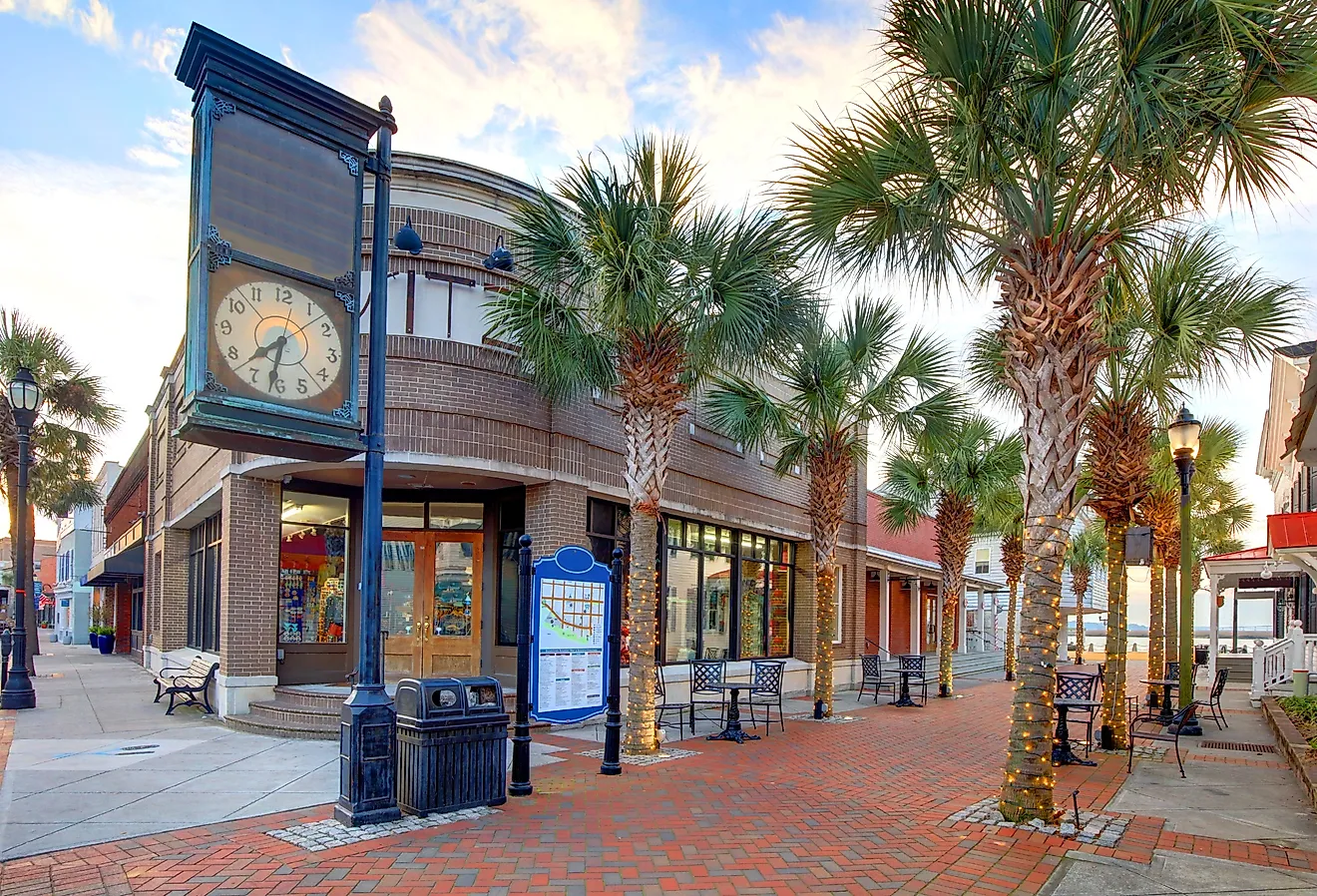
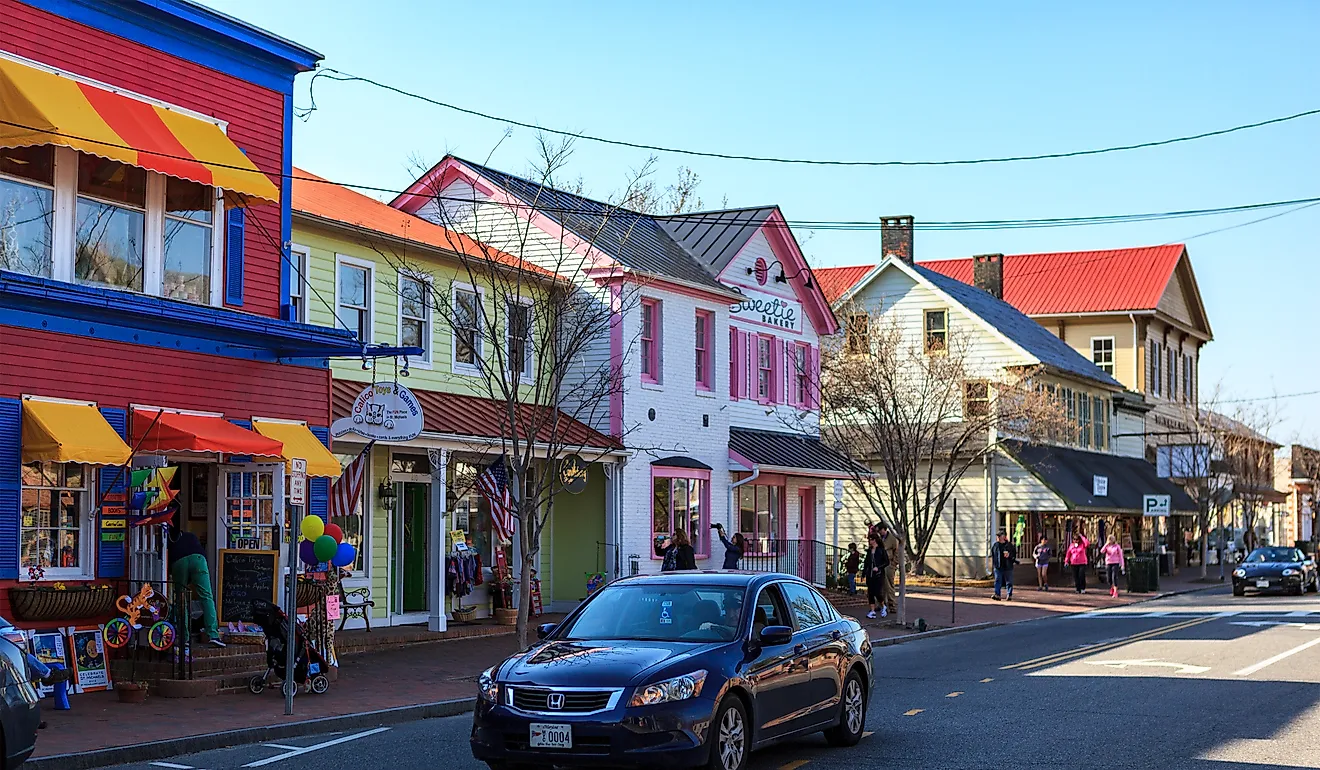
Situated in Franklin County, Louisburg’s downtown is built for people on foot, one of the few areas in the region where pedestrian traffic is the primary mode of transportation. The open, walkable streets encourage casual conversation and community interaction along brick‑lined streets filled with locally run businesses like Blue Collie Coffee, great for a morning pick‑me‑up, Tar Banks Brewing Company, serving up craft beer and housemade root beer, and thrift stores such as Safe Space Inc. and Thrifties, where visitors can find unique goods.
The town preserves its history through landmarks like the Fuller House, a Greek Revival home built in 1856 and listed on the National Register of Historic Places, and Portridge, an 18th‑century Georgian house surrounded by The Garden at Portridge, where seasonal plantings, workshops, tours, and botanical displays attract garden lovers. Louisburg’s calendar features lively local events, including Friday Nights on the Tar, a summer concert series with food trucks and music, and BBQ in the BURG. This annual whole‑hog barbecue competition draws contestants and spectators downtown.
Mount Gilead
Mount Gilead sits at the foot of the Uwharrie Mountains, the oldest mountain range in North America, and its location makes it a gateway to outdoor recreation. Visitors can enjoy boating, fishing, or taking lakeside walks at Lake Tillery, while Uwharrie National Forest, just a short drive away, offers hiking and nature exploration opportunities.
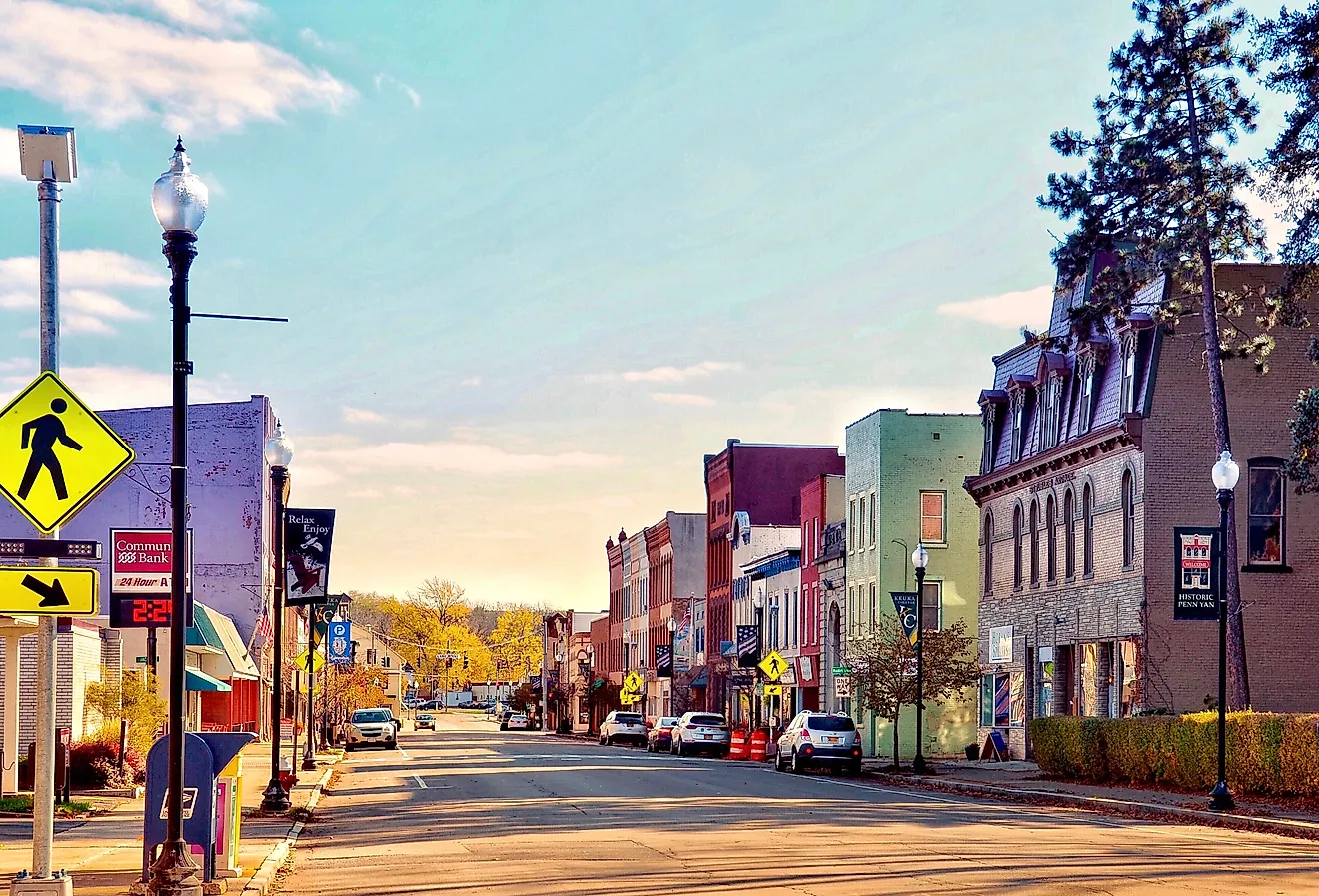
In town, the Mount Gilead Downtown Historic District showcases early 20th-century commercial and Romanesque buildings that reflect the town’s development. Mount Gilead began in the mid‑1800s as the Providence settlement and grew through agriculture and later manufacturing, with textile and timber industries shaping its early 20th-century economy. The Mount Gilead Museum on Allenton Street preserves this history with exhibits ranging from Native American relics to early pioneer tools, Civil War artifacts, and displays on local schools and churches. A short drive outside town, the Town Creek Indian Mound stands as a National Historic Landmark and the only site in North Carolina devoted entirely to Native American history, offering interpretive trails and reconstructed structures that convey the historical and cultural importance of the site.
Saxapahaw
Saxapahaw began as a 19th‑century cotton mill village on the banks of the Haw River, and today its historic mill complex has been repurposed into a mix of homes, businesses, and gathering places that take full advantage of the river setting. Visitors can stroll along the water, explore nearby trails, and enjoy the arts, food, and music scene that has come to define the town.
Rather than a traditional main street, Saxapahaw is organized around the river, with a small collection of well-loved gathering places forming the center of town life. One of them is the Saxapahaw General Store. Once a humble gas station, it is now unofficially known as the local “five-star gas station,” offering fuel outside and, inside, a restaurant, small grocery, and a thoughtfully curated selection of regional goods. Nearby, The Eddy Pub serves elevated pub fare, Haw River Farmhouse Ales focuses on Belgian-inspired beers, and Cup 22 offers coffee and snacks from a deck overlooking the river. Just down the way, Haw River Ballroom hosts live music, community events, and workshops inside a restored mill space.
Seagrove
Seagrove is widely recognized as the pottery capital of the United States, home to more than 100 working potters and studios clustered along scenic rural roads and tucked into historic storefronts. This tradition of handcrafted ceramics dates to the 18th century, when abundant local clay first drew makers, and it continues today with generations of artisans still producing functional ware, sculptural pieces, and decorative art.
A natural first stop is the North Carolina Pottery Center, where rotating exhibits trace the state’s ceramic traditions and offer maps to dozens of nearby studios you can visit in person. The nearby Village Pottery Marketplace brings together works from a range of local makers, featuring functional stoneware and experimental raku pieces. Throughout the year, seasonal studio tours let visitors see artists at work. Once annually, the Seagrove Pottery Festival gathers dozens of potters for a weekend of demonstrations, sales, and community celebration, making it easy to experience the town’s living craft heritage.
When you’re traveling, some of the most memorable moments come from small, unassuming places where history, craft, and community intersect. A quiet riverwalk, a local studio, or a weekend festival can reveal the rhythms of daily life and the stories that shape a town. These eight North Carolina communities reward attention to detail, offering encounters that feel personal and grounded rather than staged. Visiting them is about noticing the way people connect to their surroundings, from a familiar café counter to a family workshop, and discovering the unexpected layers of culture and craft woven into ordinary streets and back roads.