7 Safest Towns In Utah For Senior Living
Utah is a practical state for retirees. Hospital networks are strong along the Wasatch Front. Crime rates stay low in the smaller communities. Housing runs more affordable than in most of the West once you leave the major cities. The seven towns below cover a wide range of retirement lifestyles. Some favour mild southern-Utah winters over snowy mountain seasons. Others put retirees close to alpine ski resorts or full-service teaching hospitals. Each earns its spot through the everyday infrastructure that makes ageing comfortably possible.
Brigham City

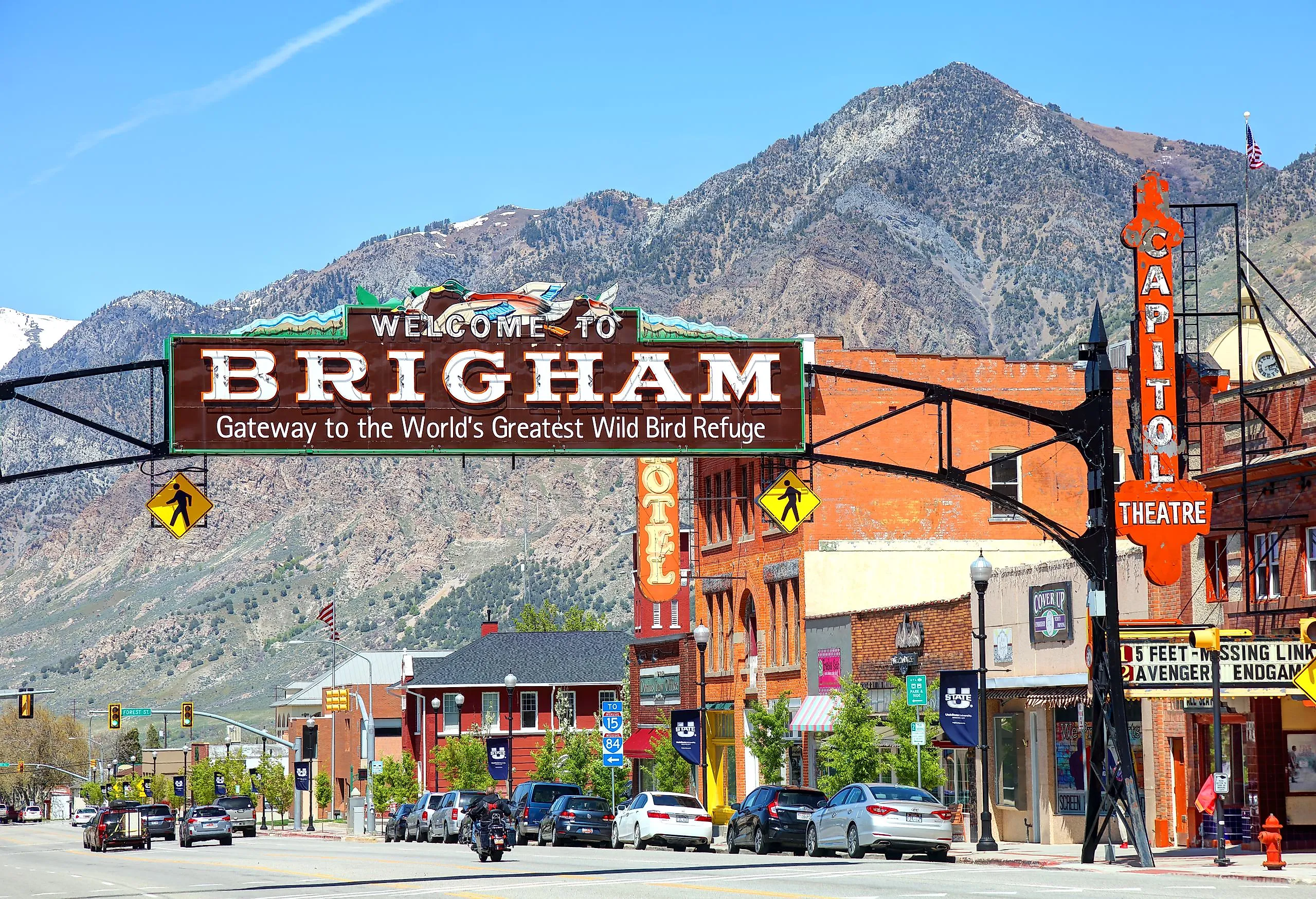
Brigham City sits at the mouth of Box Elder Canyon in northern Utah, 60 miles north of Salt Lake City. Population runs around 19,000, with median home values below the Utah state median. The town hosts Peach Days each September. It is Utah's oldest continuously running harvest festival, dating to 1904, centered on the state's largest classic car show and the 1938 Peach City Ice Cream Company drive-in on Main Street. Downtown's relatively flat layout and preserved historic storefronts support easy pedestrian access for older residents.
The Bear River Migratory Bird Refuge, 15 miles west of town, covers 77,000 acres where the Bear River empties into the Great Salt Lake. A 12-mile gravel Auto Tour Route loops through the wetlands and can be driven without leaving the vehicle, which makes birdwatching accessible for retirees with mobility limitations. Over 250 species use the refuge, including tundra swans, American white pelicans, and white-faced ibis. For healthcare, Brigham City Community Hospital handles acute and emergency care in town as part of Intermountain Health, with Ogden Regional and McKay-Dee Hospital about 20 minutes south for specialist services.
Golden Spike National Historical Park at Promontory Summit sits 32 miles west, marking the 1869 completion of the First Transcontinental Railroad, with seasonal steam locomotive demonstrations. The town's 2012 LDS temple anchors its religious landscape and serves a large Latter-day Saint senior population.
Cottonwood Heights

Cottonwood Heights is a Salt Lake County suburb of about 33,000 people. It sits at the mouths of Big Cottonwood and Little Cottonwood Canyons, the gateways to four of Utah's top ski resorts. Big Cottonwood leads to Brighton and Solitude. Little Cottonwood leads to Alta and Snowbird. Alta's Super Senior Pass offers free skiing for skiers age 80 and over. All four resorts offer reduced senior rates, which makes alpine activity genuinely affordable for active retirees. Salt Lake County was the first Utah county to earn an AARP Age-Friendly designation.
The Silver Lake Boardwalk near Brighton is a 1-mile ADA-accessible loop around a glacial cirque lake at 8,700 feet elevation. It offers summer birdwatching and fall aspen colour without strenuous walking. Healthcare options are strong. Intermountain Medical Center is a 504-bed teaching hospital 10 minutes north in Murray. The University of Utah Hospital and the nationally ranked Moran Eye Center sit about 15 to 20 minutes away. City police report no violent crime in most reporting periods.
Hurricane

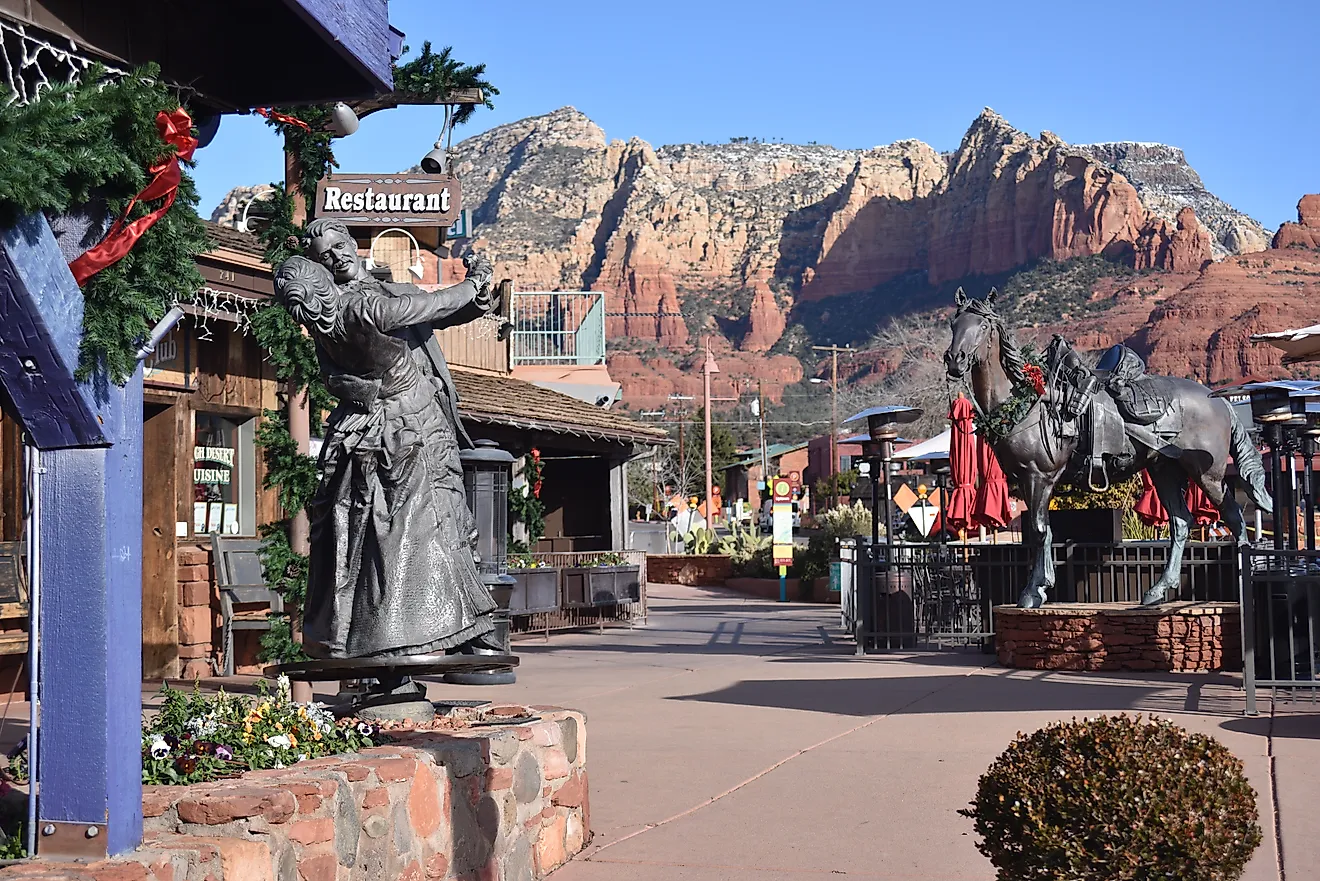
Hurricane sits in Washington County, in Utah's southwestern red rock country. It is 20 minutes east of St. George and has a population of around 22,000. The town records over 300 sunny days annually. Winter lows typically fall in the 30-40°F range, with summer highs exceeding 100°F. This climate is the main draw for retiring snowbirds. Median home values run around $500,000. Large active-adult master-planned communities including Sun River and Coral Canyon specifically target over-55 residents with HOA-run recreation and social programming.
Sand Hollow State Park sits 3 miles south. The park features a 1,322-acre reservoir ringed by Navajo sandstone. Sand Mountain's adjacent off-highway vehicle trail system sits nearby. Golfers have two choices: Sky Mountain Golf Course and Sand Hollow Resort. The latter was designed by John Fought in 2008 and is ranked among Utah's top courses. Zion National Park sits 25 miles east along SR-9. It puts a major national park within day-trip range for retirees with family visiting. Zion Canyon Hot Springs in adjacent La Verkin offers 106°F mineral soaking pools. For healthcare, Intermountain Health's Hurricane Valley Clinic handles primary care in town. St. George Regional Hospital is a Level II trauma center 20 minutes west for acute care.
Kaysville

Kaysville is a Davis County town of about 32,000 between Salt Lake City and Ogden. Median household incomes run among the highest in Utah. That affluence translates into well-maintained public infrastructure and reliable city services. Combined with low crime rates, it makes Kaysville a practical option for retirees with higher budgets. The town was incorporated in 1868 and retains a preserved historic Main Street.
The Utah State University Botanical Center covers 100 acres on the west side of town. Programming runs year-round and stays accessible to older visitors, with spring and summer blooms, a fall scarecrow festival, and a wintering bald eagle population along the Great Salt Lake flyway. Wetland boardwalks and flat trail loops work for limited-mobility walkers. The Central Davis Senior Activity Center serves multiple municipalities. Weekly programming includes art classes, Tai Chi, card groups, and structured fitness sessions. Davis Hospital and Medical Center in nearby Layton provides full-service acute care. Salt Lake International Airport sits 20 minutes south for family travel.
Mantua

Mantua is a small Box Elder Canyon village of about 700 people, seven miles east of Brigham City along US-89. The town was settled in the 1860s by Danish immigrants. Their descendants still maintain the Oriental poppy tradition that turns the hillsides orange-red each June. The local "Poppy Days" bloom is a naturalised legacy of seeds the Danish settlers brought with them from Europe.
The 560-acre Mantua Reservoir produces yellow perch, rainbow trout, and largemouth bass, with ice fishing popular December through February. A 4-mile gravel loop runs around the water, flat enough for walking, cycling, and horseback riding. The town has limited services, just a small market and a few community buildings, but Brigham City Community Hospital is seven minutes away and Ogden's full-service hospitals sit 30 minutes south. Housing is limited but generally more affordable than in Brigham City, and the enclosed canyon setting produces noticeably cooler summer temperatures than the valley floor, a meaningful comfort factor for retirees sensitive to summer heat.
Santaquin

Santaquin is a Utah County town of about 15,000 at the southern end of the valley. It sits at the foot of Mount Nebo, the highest peak in the Wasatch Range at 11,928 feet. The town is known as "Utah's Orchard City" for its apple production. Rowley's Red Barn is the largest local farm operation. Its seasonal market, cider, and pie draw Wasatch Front day-trippers in autumn. The rural pace combined with new-build master-planned subdivisions makes it attractive to retirees who want small-town life with modern housing.
Utah Lake sits 20 minutes north. It is the largest natural freshwater lake entirely within the state at 148 square miles. Mona Reservoir and Burraston Ponds offer smaller, quieter fishing and paddling options closer to town. Mountain View Hospital in Payson handles acute care 15 minutes north. Provo's 395-bed Utah Valley Hospital sits 30 minutes north for specialist care. The Santaquin Community Center runs Senior Luncheons twice weekly. The city also operates a volunteer program pairing active adults over 55 with homebound seniors for companionship and light assistance. Median home values run around $520,000.
Washington Terrace

Washington Terrace is an Ogden suburb of around 9,000, established in 1948 as a planned community for Hill Air Force Base personnel and Ogden Defense Depot workers. The "Terraces" name reflects its original stepped street layout. The housing mix now ranges from preserved postwar single-family homes to newer cottage developments and assisted living facilities, all with views east to the Wasatch Range, and it remains one of the more affordable retirement options within reach of the Wasatch Front's hospital systems.
The Weber River Parkway is a paved multi-use trail running along the Weber River, with multiple access points within a few minutes' drive. Rohmer Park on the south side of town has lighted pickleball courts and horseshoe pits. The pickleball courts stay popular with senior players well into evenings. The Washington Terrace Senior Community Center serves daily lunch and runs painting, bingo, and dance programming. Ogden Regional Medical Center is a 239-bed acute-care hospital sitting directly across the Weber River. The Pleasant Valley branch of the Weber County Library is next door.
Retirement Across Utah
The seven towns above cover a wide range of retirement priorities. Some offer sunny southern-Utah winters or Wasatch Front alpine access. Others put agricultural-heritage town life or affordable suburban housing within reach of major hospitals. A few offer quiet canyon-village isolation close enough to acute care. The common thread is infrastructure that actually supports ageing well: hospitals within twenty minutes, structured senior programming, low crime rates, and housing stock ranging from postwar starter homes to purpose-built active-adult communities. Retirees weighing Utah should decide first whether year-round sun or four seasons fits them better. Then they can match the medical and community services in each region to their likely long-term needs.