13 Most Welcoming Countryside Towns in the United States
The diner counter, the wave from a passing truck, the guy who fixes your tire and won't take the money; some of us grew up with it, and the rest of us drive a long way hoping to find it.
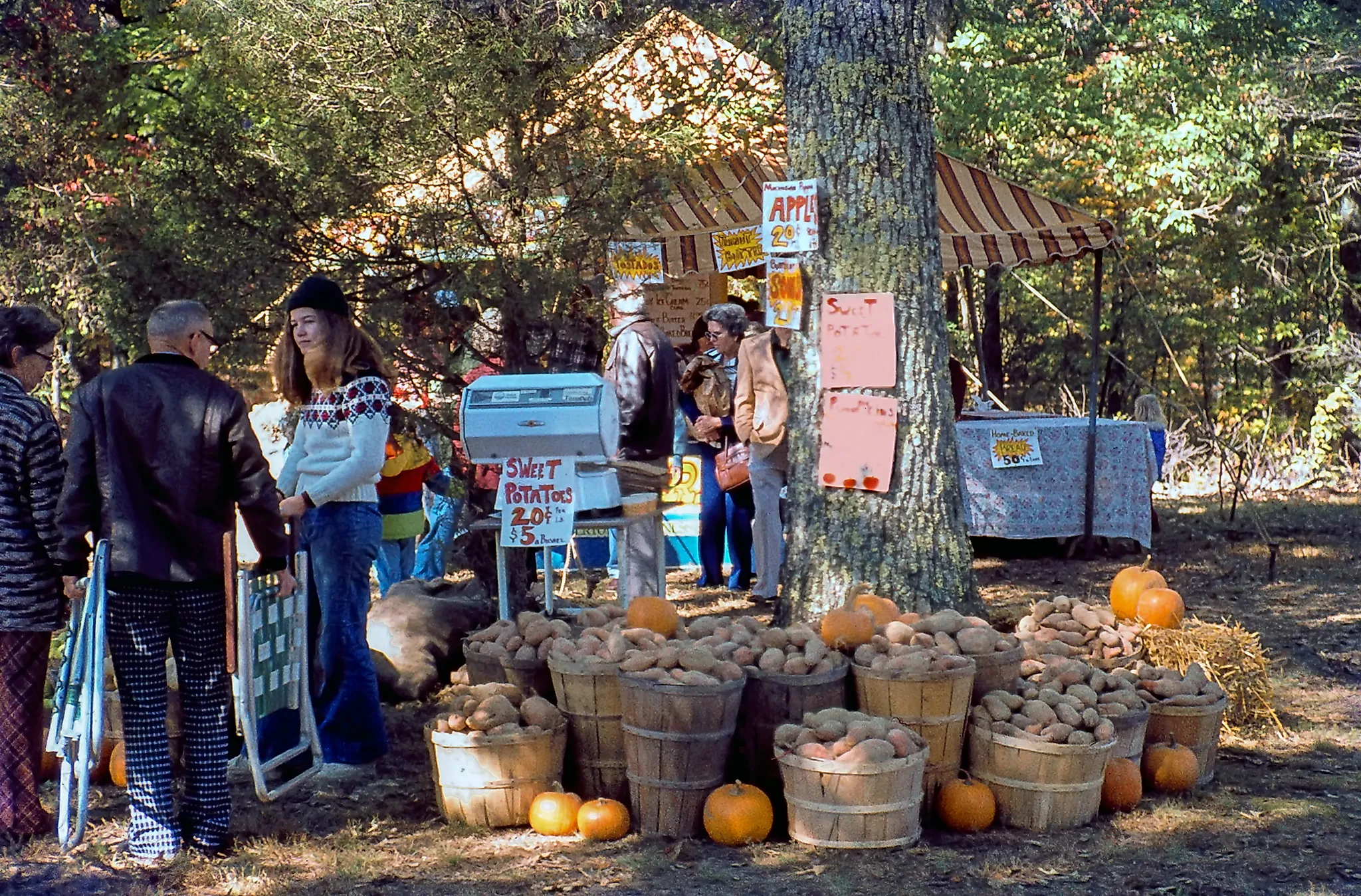
The thirteen towns here still have it, and the easiest way to see it is to show up when the whole town does. Decorah fills Water Street every July for Nordic Fest, with lefse, rosemaling, and folks in traditional dress. Paonia has been running its Cherry Days parade since 1946, less a tourist event than a town reunion that happens to let you in. Berea gathers its craftspeople at Indian Fort Theater and Little Falls packs its central blocks with artists every fall. Show up for any of them, and you stop being a stranger pretty fast. So pack light and plan to linger. Here are the thirteen most welcoming countryside towns in America.
Abingdon, Virginia

Abingdon sits northeast of Bristol, with old civic buildings still in active use. The Barter Theatre has kept a professional stage in the center of town since 1933. Dinner at The Tavern takes place in a building that dates to 1779, which puts the meal in some perspective. Regional work, decorative objects, and exhibitions on Southwest Virginia fill the galleries at William King Museum of Art. The Virginia Creeper Trail begins in Abingdon before crossing farmland and forest toward Damascus and Whitetop. In summer, the Virginia Highlands Festival brings juried art, antiques, concerts, and Appalachian craft into the public calendar.
Decorah, Iowa

Below Decorah's limestone bluffs, the Upper Iowa River runs past a town where Norwegian-American history remains visible and taken seriously. Vesterheim Norwegian-American Museum holds immigrant tools, folk art, textiles, and restored buildings, and gives the clearest account of that inheritance anywhere in the region. A brief walk at Dunning's Spring Park leads to a 200-foot waterfall among rock and trees. Nordic Fest takes over Water Street each July with rosemaling, lefse, stage acts, and traditional dress. Beer travelers come for Toppling Goliath Brewing Co., best known for Pseudo Sue and limited releases. Outside town, Seed Savers Exchange maintains heirloom crops at Heritage Farm.
Berea, Kentucky

Berea makes its claim as Kentucky's folk arts capital through the college, Old Town studios, and generations of craftspeople. The Berea College Visitor Center and Shoppe sells work from campus craft programs and regional makers. In Old Town, Fire & Fern Glass Studio, which opened in the former Weston Glass Studio space, lets visitors watch demonstrations, take classes, and browse glasswork in a working hot shop and gallery. Trails in the Berea College Forest climb to the Pinnacles and broad views over Madison County. Boone Tavern Hotel & Restaurant, opened by the school in 1909, remains the town's best-known heritage address and still serves spoonbread. Each July, the Berea Craft Festival gathers makers at Indian Fort Theater.
Mineral Point, Wisconsin

Southwest of Madison, Mineral Point is a former lead-mining settlement known for Cornish stonework, studios, and mine-era structures still in use. Pendarvis Historic Site preserves limestone cottages built by Cornish miners and explains the 19th-century lead boom with enough specificity to make the work feel real. Workshops in blacksmithing, writing, jewelry, and fiber work run through Shake Rag Alley Center for the Arts on a campus of restored buildings. Brewery Pottery occupies an 1850s brewery and sells stoneware, tiles, and sculpture made on site. The Mineral Point Opera House holds concerts, films, and civic gatherings in its 1915 theater. In September, the Mineral Point Cornish Festival features pasty suppers, stage programs, and heritage events.
Little Falls, Minnesota

Along the Mississippi River, Little Falls is known for aviator Charles A. Lindbergh while retaining the older blocks of a working county seat. The Charles A. Lindbergh House and Museum preserves the family home, riverside grounds, and exhibits on flight, politics, and public memory, covering more of the man than the mythology tends to allow. Boats, motors, lures, and angling records from across the state fill the Minnesota Fishing Museum and Hall of Fame. Linden Hill Historic Estate opens two lumber-era mansions for tours and events. Each September, the Little Falls Arts & Crafts Fair fills central blocks with artists, food vendors, and visitors. A.T. The Black & White Restaurant remains a serious local table, with polished service and a menu beyond roadside basics.
Madison, Georgia

In Madison, preservation is treated as civic work, with serious dining and public land close at hand. A slow walk through the Madison Historic District passes Greek Revival, Federal, and Victorian buildings that survived the Civil War intact, which is less common in Georgia than the tourism literature implies. Heritage Hall, built in 1811, opens furnished rooms for guided tours. Farmview Market on Eatonton Road sells Georgia-grown produce, meat from its butcher counter, and meals from its café. Private residences and gardens open each spring during the Madison in May Spring Tour of Homes. A short drive reaches Hard Labor Creek State Park, where wooded trails, paddling, golf, cabins, and a lake give the town a broader range.
Camden, South Carolina

Northeast of Columbia, Camden treats its past as public work rather than decoration. The colonial and Revolutionary period is explained at Historic Camden Revolutionary War Site through restored structures and battlefield interpretation, without the gloss that tends to soften these places elsewhere. Camden Archives and Museum holds genealogical collections, war records, and displays on Kershaw County. Each spring, the Carolina Cup brings steeplechase crowds to Springdale Race Course. Goodale State Park offers blackwater paddling through cypress and tupelo, with quiet paths near the lake. On Broad Street, Books on Broad and Coffee sells regional titles, coffee, and breakfast plates.
Ajo, Arizona

West of Tucson, Ajo sits near open Sonoran Desert country, with the New Cornelia Mine still central to its story. The Ajo Historical Society Museum keeps that mining history close to the workers and families who lived it, not just the output and the dates. Organ Pipe Cactus National Monument offers the Ajo Mountain Drive through cactus forests, volcanic ridges, and borderland terrain. During cooler months, the Ajo Farmers Market & Craft Fair brings growers, artists, food vendors, and musicians to the plaza. Art Under the Arches Gallery shows work by area artists in the historic plaza. Oasis Coffee serves coffee and breakfast there.
Paonia, Colorado

In Colorado's North Fork Valley, Paonia sits among orchards, mesas, and the nearby West Elk Mountains. Paonia Cherry Days, a Fourth of July tradition dating to 1946, brings a parade, community events, and reunions into the civic core, and feels less produced than most festivals of its size. The Paradise Theatre, a 1928 movie house on Grand Avenue, still gives the main corridor a public room after dark. Concerts, exhibits, and classes run through Blue Sage Center for the Arts in a restored building. Paonia State Park offers boating, fishing, and views of the narrow reservoir below the mountains. In nearby Hotchkiss, Big B's Delicious Orchards serves hard cider, meals, and music among fruit trees.
Farmville, Virginia

On the Appomattox River, Farmville keeps Main Street storefronts and former tobacco warehouses central to local business rather than converting them into atmosphere. High Bridge Trail State Park sends walkers and cyclists across the long steel trestle above the waterway valley. The Robert Russa Moton Museum gives a direct account of the 1951 student strike that helped lead to Brown v. Board of Education. Green Front Furniture fills former tobacco warehouses with rugs, antiques, and solid wood pieces. On September 12, 2026, the Heart of Virginia Festival is scheduled to bring music, arts, crafts, food, and community groups to downtown Farmville.
Yreka, California

From an 1851 Gold Rush camp, Yreka grew into a county seat where Miner Street still holds brick storefronts and 19th-century buildings in active use. The Yreka Historic District includes the Franco-American Hotel and other surviving structures from the early years. At the Siskiyou County Museum, exhibits trace the area from Native history through mining, ranching, and railroad growth. Greenhorn Park provides trails, a reservoir, disc golf, and picnic areas close to downtown. Rain Rock Casino, operated by the Karuk Tribe, adds dining and entertainment. In 2026, the Siskiyou Golden Fair is scheduled for June 24-28 at the Yreka fairgrounds, with livestock exhibits, fair food, family events, and entertainment.
Hohenwald, Tennessee

Southwest of Nashville, Hohenwald sits along the Natchez Trace corridor, far enough from the city to feel like its own place. The Elephant Discovery Center explains the work of The Elephant Sanctuary in Tennessee through exhibits rather than spectacle, which is the right call. Just off the Natchez Trace Parkway, Meriwether Lewis Park and Monument marks the explorer's final stop with a cabin, gravesite, and walking paths. Fall Hollow Falls has a brief trail to cascades and a forested creek outside town. The annual Hohenwald Oktober Heritage Festival includes a parade, music, crafts, and food vendors on Main Street. Junkyard Dog Steakhouse serves steaks, burgers, and sides after the drive.
Lewisburg, West Virginia

On Washington Street, Lewisburg keeps its core compact, walkable, and busy with brick storefronts, galleries, and local shops. Lost World Caverns drops visitors 120 feet below ground into a large chamber of stalactites, which earns at least an afternoon. Inside the early-19th-century North House Museum, exhibits cover frontier settlement, the Civil War, and Greenbrier Valley history. Carnegie Hall, built in 1902 for the former Greenbrier College for Women, now presents concerts, exhibits, and arts classes. The Humble Tomato serves pizza, pasta, and drinks downtown. During the Lewisburg Chocolate Festival, tastings, music, and vendor tables occupy the central blocks.
What these towns have in common is the genuine ease of a place where people still know their neighbors and mean it when they say hello. That quality does not appear on a trail map or a festival program. It shows up in the conversation at the counter, the local who stops to give directions without being asked, the sense that a stranger's presence is considered welcome rather than incidental.