11 Unforgettable Small Towns to Visit in Florida
Florida’s unforgettable small towns are found in both coastal and inland parts of the state. Some, like Silver Springs, are surrounded by freshwater springs, scenic beaches, and forests. Along the Gulf of Mexico and the Atlantic Ocean, towns like Sanibel feature coral reefs and tidal environments as part of the landscape. In Central Florida, Winter Park shows how artesian springs and protected lands such as Ocala National Forest add to the appeal. With walkable downtowns and a welcoming atmosphere, these 11 towns bring together all the best parts of Florida.
Silver Springs

Silver Springs is in North Central Florida, about 5 miles from Ocala and the Ocala National Forest. The town is a gateway to Silver Springs State Park and other nature-inspired activities and attractions. The park was the setting for the movies Creature from the Black Lagoon (1953), The Yearling (1949), and several early Tarzan films from the 1930s and 1940s. It has been a destination since the 1870s.
Silver Springs State Park is more than 4,000 acres and is known for its crystal-clear artesian spring water. About 30 artesian springs feed into the Silver River. Glass-bottom boat tours provide visibility into submerged vegetation and fish species. The river is also used for kayaking along waterways with wildlife such as wading birds and turtles. The Silver River Museum and Environmental Education Center, inside the park, tells the story of Florida’s archaeology and natural history.
Stuart

Stuart, on the Southeastern coast, is along the Atlantic Ocean and the St. Lucie River. The proximity of the Gulf Stream and the Okeechobee Waterway make the area a destination for boating and sailfish fishing. Its walkable downtown has an arts-inspired vibe with colorful murals and live music events in a riverfront setting. Nearby, the Riverwalk Park is a scenic walkway along the St. Lucie River.
Stuart’s local attractions are closely tied to the coast. The Florida Oceanographic Society Coastal Center features marine life and exhibits on regional ecosystems. For something more active, Sailfish Splash Waterpark has pools and slides for all ages. Bathtub Reef Beach is another favorite, thanks to its nearshore reef and calm water for snorkeling.
Winter Park

Winter Park was established in the late 19th century as a resort community, a “winter park” for Northerners seeking an escape from the cold. The town retains elements of its planned development in its brick streets and landscaped parks. A chain of lakes connected by Venetian-style canals extends throughout the town. This unique waterway is used for boat tours and private navigation.
The town’s green space is in the Park Avenue District, a lively area filled with boutique shops and cafes. Nearby, Mead Botanical Garden has 48 acres of trails and landscaped grounds with abundant bird and plant life. The Charles Hosmer Morse Museum of American Art rounds out the area with an impressive collection of works by Louis Comfort Tiffany, including glass and decorative arts.
Key Largo

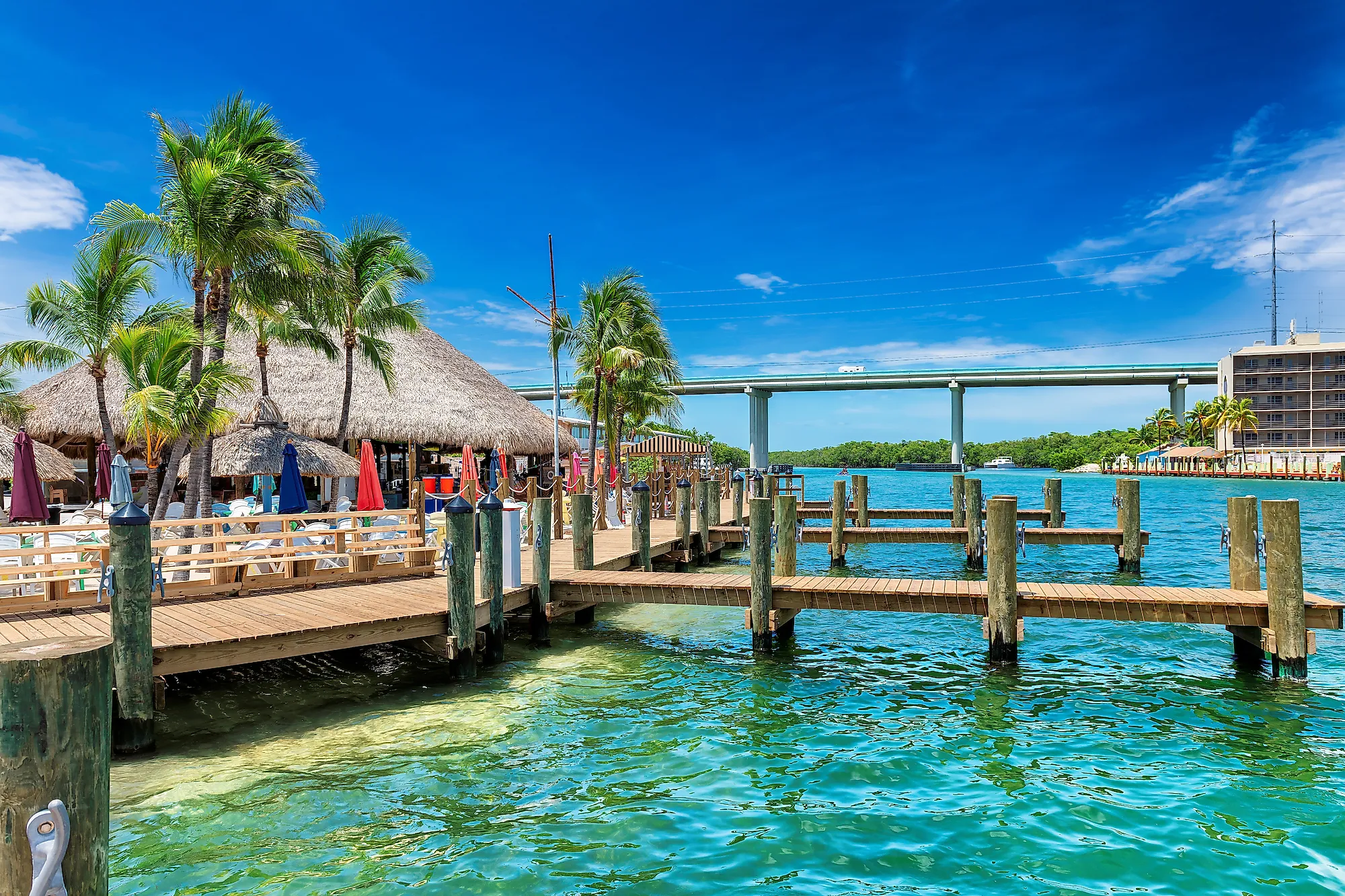
In the Upper Florida Keys, Key Largo covers about 33 miles between the Atlantic Ocean and Florida Bay. Its geography is made up of coastal waters and offshore reef structures that support a range of marine habitats. Recreational and commercial activities are closely tied to boating and fishing. The African Queen, used in the 1951 movie The African Queen starring Katharine Hepburn and Humphrey Bogart, is docked at the Marina Del Mar Marina and operates short cruises.
John Pennekamp Coral Reef State Park was established in 1963 as the first underwater park in the US. The park is distinguished by its varied marine habitats, including coral reefs and mangrove swamps. One of the most recognized aspects is the nine-foot-tall Christ of the Abyss underwater statue, installed in 1965.
Sanibel

The barrier island of Sanibel sits along Florida's Gulf Coast. It is linked to the mainland, about 3 miles from Fort Myers, by the Sanibel Causeway. A seaside array of pastel-colored beach cottages and small businesses, combined with tropical vegetation and winding roads, are seen throughout town. Shell collecting is a common activity on the island. Large and intact shells of all shapes and colors can be found at Bowman’s Beach. The Bailey-Matthews National Shell Museum displays mollusks and regional shells.
The 98-foot-tall Sanibel Lighthouse, on the island's eastern side at Lighthouse Beach, was one of the first lights on Florida's West Coast. It was constructed in 1884. The J.N. Ding Darling National Wildlife Refuge occupies a significant portion of the island and protects tidal flats and mangrove ecosystems as well as a variety of wildlife.
Dunedin

Dunedin is on Florida’s Gulf Coast between Tampa Bay and the Gulf of Mexico. It has walkable streets, a laid-back pace, and a small-town spirit often associated with Old Florida. The historic downtown has a variety of restaurants and small businesses, including boutiques and art galleries. The Dunedin Downtown Market hosts live music events and local vendors. Scottish merchants founded Dunedin in 1885. That heritage is reflected in the annual Dunedin Highland Games, which has been going strong with drumming and piping competitions since 1967.
Honeymoon Island State Park, a barrier island park, encompasses long stretches of scenic beaches and hiking trails through pine forests. The 47-mile Fred Marquis Pinellas Trail is a paved former rail trail that runs from St. Petersburg to Tarpon Springs. It goes through downtown Dunedin, making it convenient for walking and bicycling. Nearby, Caladesi Island State Park is accessible only by ferry or by kayaking from Honeymoon Island. This area is undeveloped, with mangrove trails and secluded beaches.
Tarpon Springs

Tarpon Springs developed in the late 19th century with the arrival of Greek immigrants involved in the sponge-diving industry. The walkable downtown area on the Gulf Coast has a range of traditional Greek restaurants and shops selling sponges and other items. The Tarpon Springs Sponge Docks, with working boats anchored along the waterfront, are a central feature of the area.
Greek heritage and the coastal environment play a role in the area's sites. The Tarpon Springs Heritage Museum has a range of exhibits related to the sponge industry and local culture. Nearby, the Tarpon Springs Aquarium and Animal Sanctuary has a variety of marine exhibits that explore Gulf Coast marine ecology.
Crystal River

Crystal River is along Florida’s Nature Coast about 79 miles north of Tampa. The area is associated with a network of scenic freshwater springs. These springs maintain a relatively constant temperature and support manatee populations. Crystal River's historic downtown area is complemented by oak and magnolia trees. The Shoppes at Heritage Village, a fishing village-like setting, has a collection of shops and local seafood restaurants.
The Crystal River National Wildlife Refuge was established specifically to protect wintering manatees. Depending on the temperature, hundreds of them can be seen at Three Sisters Springs.
Seaside

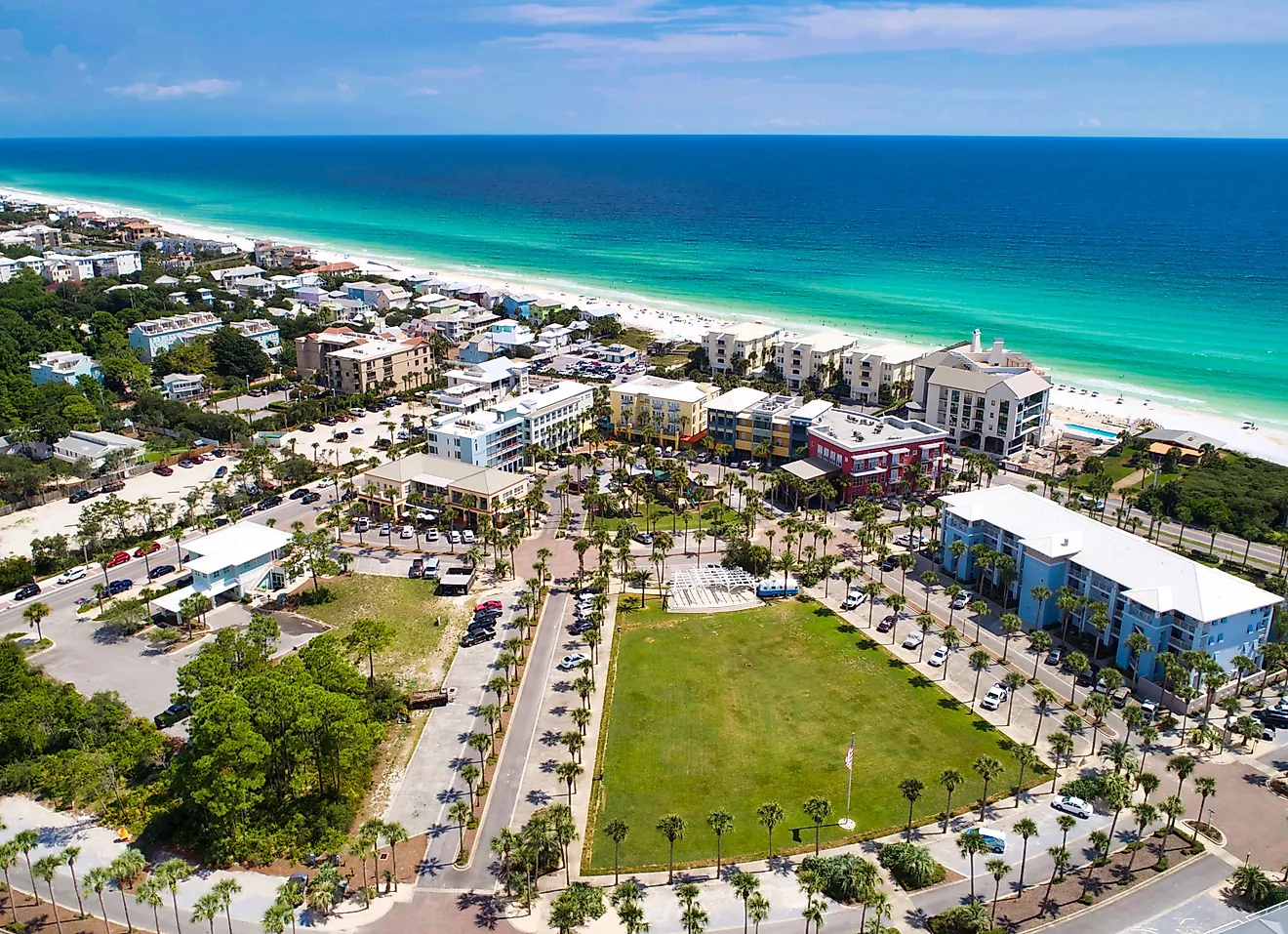
White picket fences and pastel homes paint this unforgettable coastal community. Along Scenic Highway 30A in the Florida Panhandle, the town was developed in the 1980s around the planning and sustainability ideas of New Urbanism. It was used as a filming location for the 1998 movie The Truman Show.
Grayton Beach State Park has 4 miles of hiking trails and nearly 2,000 acres with coastal dune lakes for fishing and paddling. Seaside Beach is a small and scenic stretch of emerald-green shoreline along the Gulf of Mexico. The Seaside Farmers Market, situated at the Seaside Amphitheater, is a weekly event with vendors selling products like local honey and fresh produce.
Destin

Destin is in the Panhandle region on the northwestern side of the state. The town developed from a fishing village into a regional center for recreational boating and charter fishing. Destin’s HarborWalk Village and the Harbor Boardwalk form the main hubs for marina access and waterfront restaurants. Its most striking feature is its gleaming white sand, which consists of nearly pure silica quartz that originated in the Appalachian Mountains. It was transported over millions of years to Florida by river systems, including the Apalachicola River.
The Destin History and Fishing Museum documents the development of the local fishing industry.
Micanopy

Micanopy was founded in 1821 and is often regarded as one of Florida’s oldest inland towns. The town is known for its antique shops and natural beauty. In the walkable Micanopy Historic District, live-oak-lined streets, Spanish moss, and 19th-century buildings give the area an Old Florida feel. Several scenes from the 1991 movie Doc Hollywood were filmed in Micanopy.
Price’s Scrub State Park protects scrub and pine flatland ecosystems and has trails for hiking and horseback riding. Paynes Prairie Preserve State Park is more than 20,000 acres of wetlands and prairies. The park supports a range of wildlife, including bison and wild horses. A 50-foot observation tower offers panoramic views.
Unforgettable Small Towns in Florida
Florida’s small towns bring together scenic coastal and inland settings, walkable downtowns, and a strong sense of heritage. Near the Atlantic Ocean and the Gulf of Mexico, coral reefs and emerald-green water support outdoor recreation and wildlife watching. Elsewhere, nature centers and wildlife refuges give people a closer look at marine life and local ecosystems. On the Gulf Coast, Scottish and Greek influences are still visible in local culture and in historic industries such as sponge diving. Together, these towns leave a lasting impression.