10 Tiny Off-Grid Towns In South Carolina
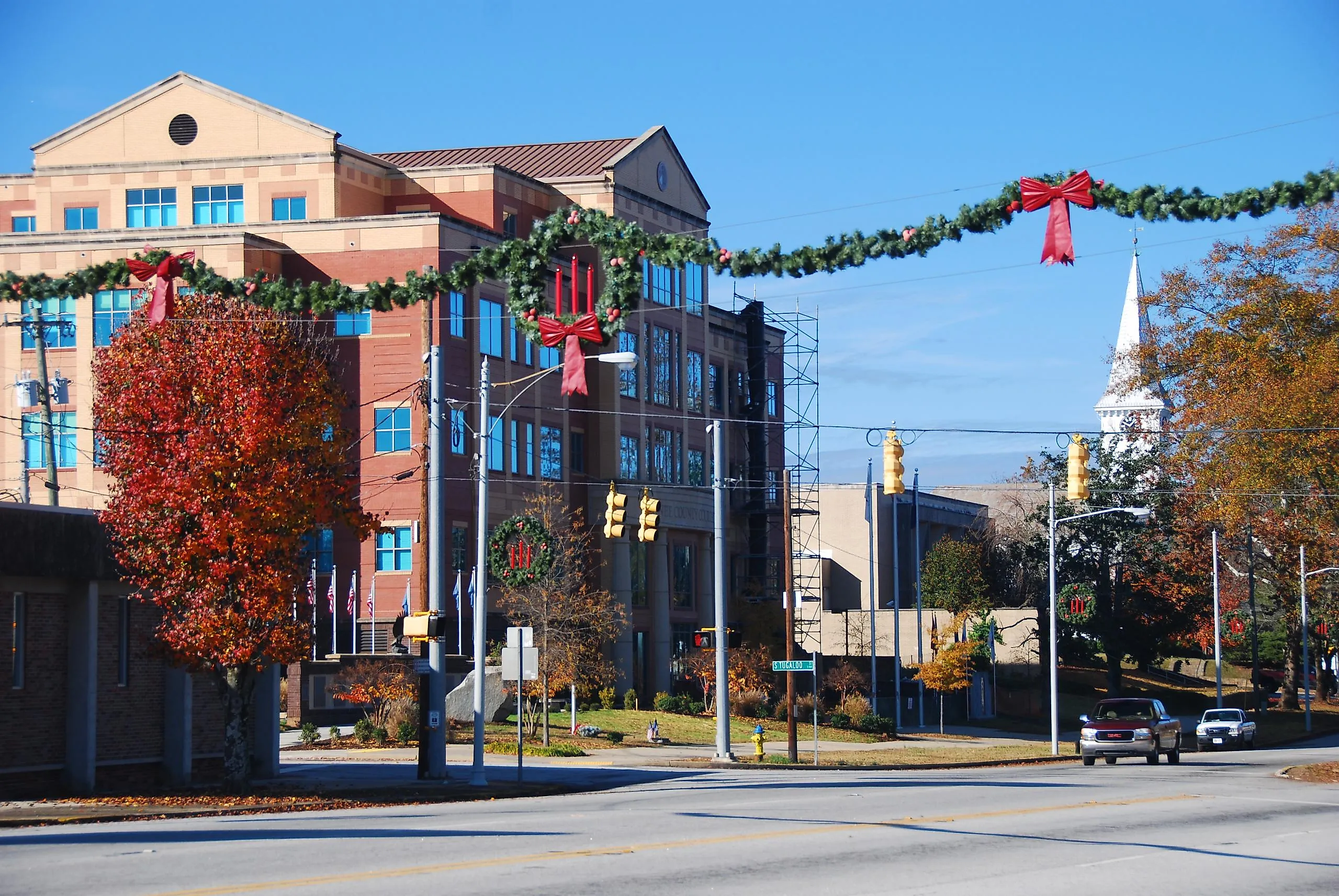
South Carolina's tiniest towns show how the state took shape along tidal creeks, railroad lines, and courthouse squares. In McClellanville, the working waterfront still sets the pace, and the road out of town points straight into the Cape Romain marshes. Far inland, Walhalla's street names, waterfall season, and Oktoberfest schedule fit into a compact grid at the base of the Blue Ridge.
Off-grid here refers to towns that still function around the work they were built for: launching boats, moving crops, holding court, and servicing rail lines. Their layouts and routines make South Carolina make sense at street level!
McClellanville

McClellanville sits in a pocket of the South Carolina Lowcountry where shrimp boats still dominate the waterfront and oaks shade dirt lanes. Once a summer retreat for rice planters, this fishing village remains a snapshot of the coastal South before resort sprawl. It borders the Cape Romain National Wildlife Refuge, placing it close to barrier islands that support significant bird and sea turtle habitat. There are no chain stores, no boardwalks, and no traffic lights, just water, marsh, and weathered wood.
At the center of town, boats unload fresh catch at Jeremy Creek, where visitors can walk the working dock or photograph shrimp trawlers at rest. Just inland from town, the 1768 Brick Church at Wambaw, often referred to as St. James-Santee Parish Church, stands on its original brick foundation, a rural Anglican chapel set back in the woods. The McClellanville Arts Council hosts changing exhibits inside a repurposed school building, adding a small but steady arts presence. For fresh seafood, T.W. Graham & Co. remains the town's best-known sit-down spot, serving she-crab soup and fried shrimp in an unadorned, two-room space that hasn't changed much in decades.
Awendaw

Awendaw sits on the edge of salt marsh and pine forest, shaped by the protected land that surrounds it. The town is known for its proximity to Cape Romain National Wildlife Refuge, one of the most important nesting areas for loggerhead sea turtles on the East Coast. Long stretches of the Intracoastal Waterway cut through the area, creating natural corridors for birds, fish, and boaters. Much of the town's land is still forested, with pockets of old rice fields and swampland visible from backroads.
Buck Hall Recreation Area serves as the town's primary public access point to the water, with a boat ramp, fishing pier, and trailhead for the Palmetto Trail's coastal section. The Sewee Visitor and Environmental Education Center, operated in partnership with the U.S. Forest Service, offers exhibits on the region's wildlife and a red wolf viewing area. Nearby, the Center for Birds of Prey runs flight demonstrations and maintains habitats for hawks, owls, and eagles. Dining options are limited, and the former See Wee Restaurant on Highway 17, once a staple for seafood platters and hushpuppies in a converted general store, now reads more as a roadside landmark than a stop for a meal.
Edisto Beach

Edisto Beach is one of the last undeveloped oceanfront towns on the South Carolina coast, shaped by conservation land and long-held local limits on commercial buildout. Edisto has no resort district, and much of the island remains protected. Its beaches are lined with shells and fossilized shark teeth, and the absence of traffic lights reinforces the town's isolation.
Edisto Beach State Park offers direct access to the Atlantic and includes 1.5 miles of beachfront, a network of maritime forest trails, and one of the only oceanfront campgrounds in the state. The Environmental Learning Center within the park focuses on the ACE Basin estuary and houses touch tanks and interpretive exhibits. Farther up the island, Whaley's Restaurant & Bar operates out of a former gas station and serves fried oysters and beer to a mostly local crowd. Just beyond town limits, Botany Bay Plantation Heritage Preserve includes boneyard beaches and shell-covered roads, with a driving loop through former plantation land that remains undeveloped.
Santee

Santee sits on the edge of Lake Marion, where drowned cypress trees and submerged forests shape one of the largest freshwater ecosystems in the Southeast. The lake was created in the 1940s as part of a New Deal hydroelectric project, flooding old farmland and swampland. What emerged was a 110,000-acre reservoir now known for trophy catfish, bird migrations, and flooded timber.
Santee State Park covers nearly 2,500 acres along the lake and includes a pier, cabins on stilts over the water, and a 7.5-mile biking loop through pine flatwoods. On the upper end of Lake Marion near Summerton, Carolina King Retreat & Marina offers guided fishing charters that target blue catfish in deep water and around submerged structure. Clark's Inn and Restaurant, established in 1946, operates a small museum inside the lobby alongside a dining room serving country fare and seafood. For short walks and birding, Santee National Wildlife Refuge sits just north of town and includes the Santee Indian Mound and old Fort Watson site. The lake's flooded trees and seasonal fog give the area a swamp-and-open-water character that feels unusual for inland South Carolina.
Yemassee

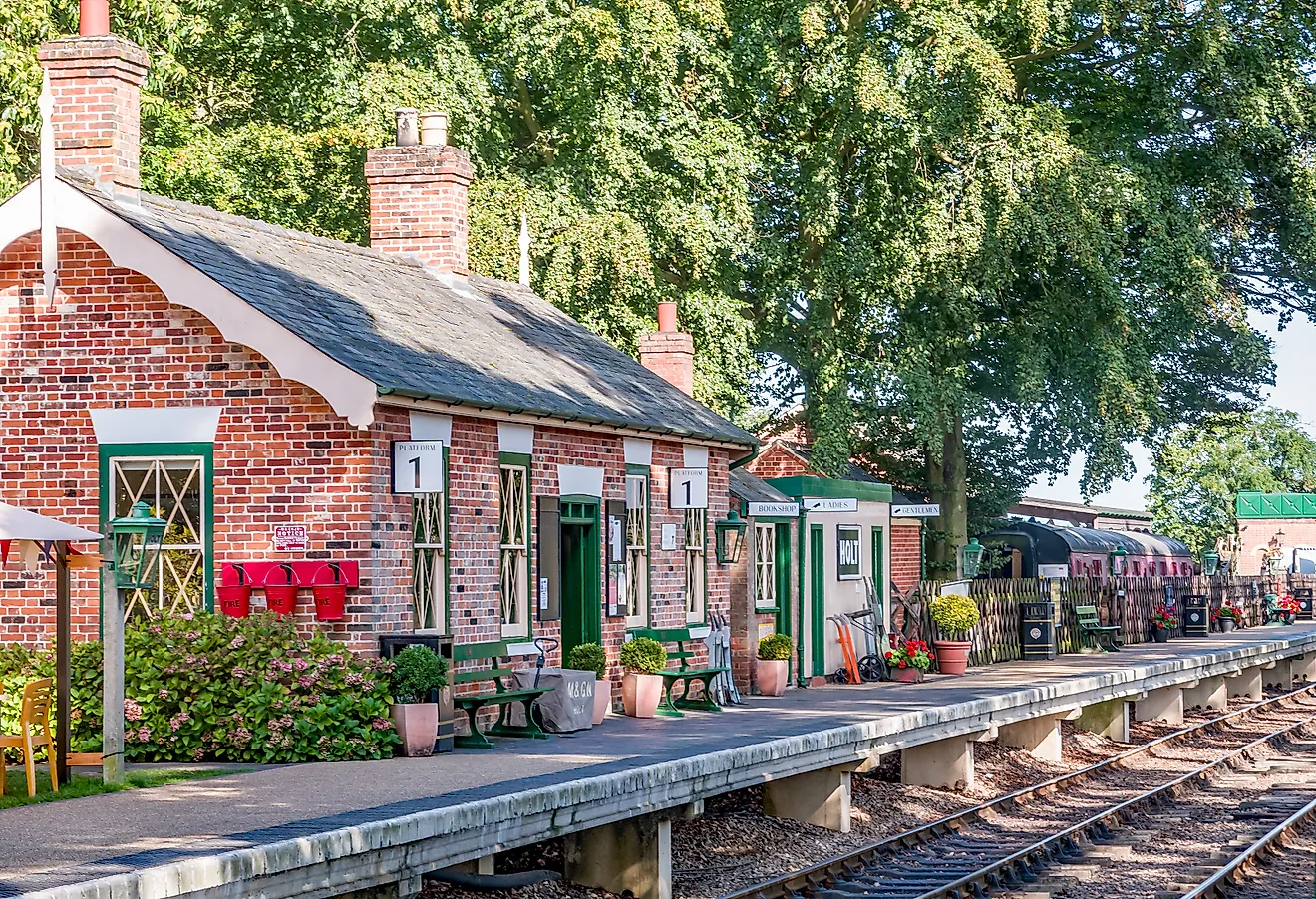
Yemassee is a Lowcountry rail junction and a working crossroads, surrounded by pine forest and former rice fields. Once a key stop on the Atlantic Coast Line, the town still sees Amtrak service through its original 1905 depot. Its location between Charleston and Savannah made it a transit hub for military personnel heading to Parris Island, and the rail line still shapes the town's geography. The area around Yemassee holds some of the Lowcountry's most photographed historic sites.
Just outside town, the Old Sheldon Church Ruins rise from a grove of oaks, brick columns and tabby walls from the 18th century, left standing after two separate burnings. The Lowcountry Visitors Center and Museum, located in the Frampton Plantation House, offers regional context and sells locally made crafts inside a former antebellum home. Fletcher's Finds on Yemassee Highway is a hybrid antiques shop and lunch counter serving fried bologna sandwiches and sweet tea. A few miles out, Auldbrass Plantation, designed by Frank Lloyd Wright, occasionally opens for ticketed tours, drawing architecture enthusiasts to a part of the state where modernism rarely reached.
St. George

St. George calls itself the "Town of Friendly People," but its deeper claim to fame is far more specific: it hosts the annual World Grits Festival, a multi-day event that includes grits rolling, grits eating, and even grits wrestling. The town declared itself the Grits Capital of the World in the 1980s, citing regional corn production and local consumption rates.
The town's core centers around Railroad Avenue, where the storefronts still hold businesses like Bistro 221 on nearby Parler Avenue, a local restaurant known for shrimp baskets, burgers, and rotating plate-lunch specials. The St. George Rosenwald School, now a restored museum, documents the town's African American educational history in a two-room building that served students during segregation. Nearby, Givhans Ferry State Park offers access to the Edisto River, with cypress swamp views and kayak routes that run for miles downstream. The park's limestone bluffs and blackwater shoreline stand out against the flat farmland surrounding the town. South of here along US 17A near Yemassee rather than on the edge of St. George, Harold's Country Club doubles as a gas station, bar, and weekend steakhouse that runs largely on word-of-mouth and reservation-only steak nights.
Walhalla

Walhalla was founded in 1850 by German immigrants seeking cooler air and farmland in the Blue Ridge foothills. The town still carries traces of that origin in its name, street grid, and architecture. Its location at the base of the mountains places it within reach of dozens of waterfalls, hiking trails, and backroads. The Blue Ridge Railroad tunnel project, abandoned in the 1850s, is part of local lore, and its incomplete tunnel remains one of the area's most visited sites.
Stumphouse Tunnel Park includes access to the unfinished railroad tunnel, as well as a trail to Issaqueena Falls, a 100-foot cascade that drops into a rock basin below. The Museum of the Cherokee in South Carolina, located on Main Street, documents the history of the region before settlement, with exhibits focused on Cherokee life and forced removal. Nearby, Steak House Cafeteria on East Main Street serves fried chicken, fish plates, and classic meat-and-three sides to regulars in a plain dining room just off Highway 28. During October, the town hosts a multi-day Oktoberfest in Sertoma Park, where food vendors and German music share space with carnival rides.
Abbeville

Abbeville played a central role in both the birth and death of the Confederacy, hosting the first secession meeting and later Jefferson Davis's final war council. That layered history remains visible in its courthouse square, where 19th-century brick buildings surround the opera house and old jail.
The Abbeville Opera House still stages performances and houses city offices in the same 1908 building. A few doors down, the Belmont Inn operates above a corner tavern and porch that overlook the square. The Abbeville County Historical Museum, located in the old jail, contains exhibits on local industry, Civil War movements, and Native American history. Roughly ten miles west, Calhoun Falls State Park offers boat access and shoreline trails along Lake Russell. Within town limits, The Rough House sells chili dogs and pimento cheese sandwiches from behind a pressed-tin counter that hasn't changed in decades.
Edgefield

Edgefield is known for producing more South Carolina governors than any other town, ten in total, and for its role in the state's political history during the 19th and early 20th centuries. Its courthouse square sits on a rise surrounded by brick storefronts, law offices, and monuments, including a statue of longtime U.S. Senator Strom Thurmond, who was born in town in 1902.
The Tompkins Library, operated by the Old Edgefield District Genealogical Society, houses archives and records for those researching Southern family histories. A block away, the Edgefield General Store sells locally made preserves and houses a lunch counter serving egg salad and sliced tomato sandwiches. The National Wild Turkey Federation's Palmetto Shooting Complex sits just outside town, along with its museum and conservation center highlighting wildlife management in the Southeast. Edgefield's pottery tradition also remains visible through Old Edgefield Pottery, whose studio and gallery have relocated from the town square to nearby Johnston while continuing to produce alkaline-glazed stoneware inspired by 19th-century techniques.
Saluda

Saluda is the birthplace of William Barret Travis, commander at the Alamo, and that legacy threads through its courthouse lawn, museum collections, and historical markers. The town is also part of the Ridge region, a belt of high ground that once produced more peaches than the rest of the state combined. Though bypassed by interstate development, Saluda remains a government and trade hub for surrounding farmland.
The Saluda County Museum includes artifacts tied to Travis, Revolutionary War skirmishes, and regional agriculture. A block away, the Saluda Theatre, built in 1936 and restored in the 1980s, still hosts community plays and film screenings under its original neon marquee. For lunch, locals head to Mig's of Saluda on Greenwood Highway, a family-run pizza and sandwich shop that also serves wings, salads, and daily specials. Just outside town, Persimmon Hill Golf Club offers a public 18-hole course set into former orchard land.
South Carolina’s off-grid towns keep operating on local terms. Walhalla runs at foothill scale, with trailheads, old rail infrastructure, and a Main Street calendar built around October. Across the list, each place stays anchored to a function, water access, courthouse business, field work, or rail service. The result is a set of towns where names, routes, and routines still carry weight, and where the state’s geography reads through daily life.