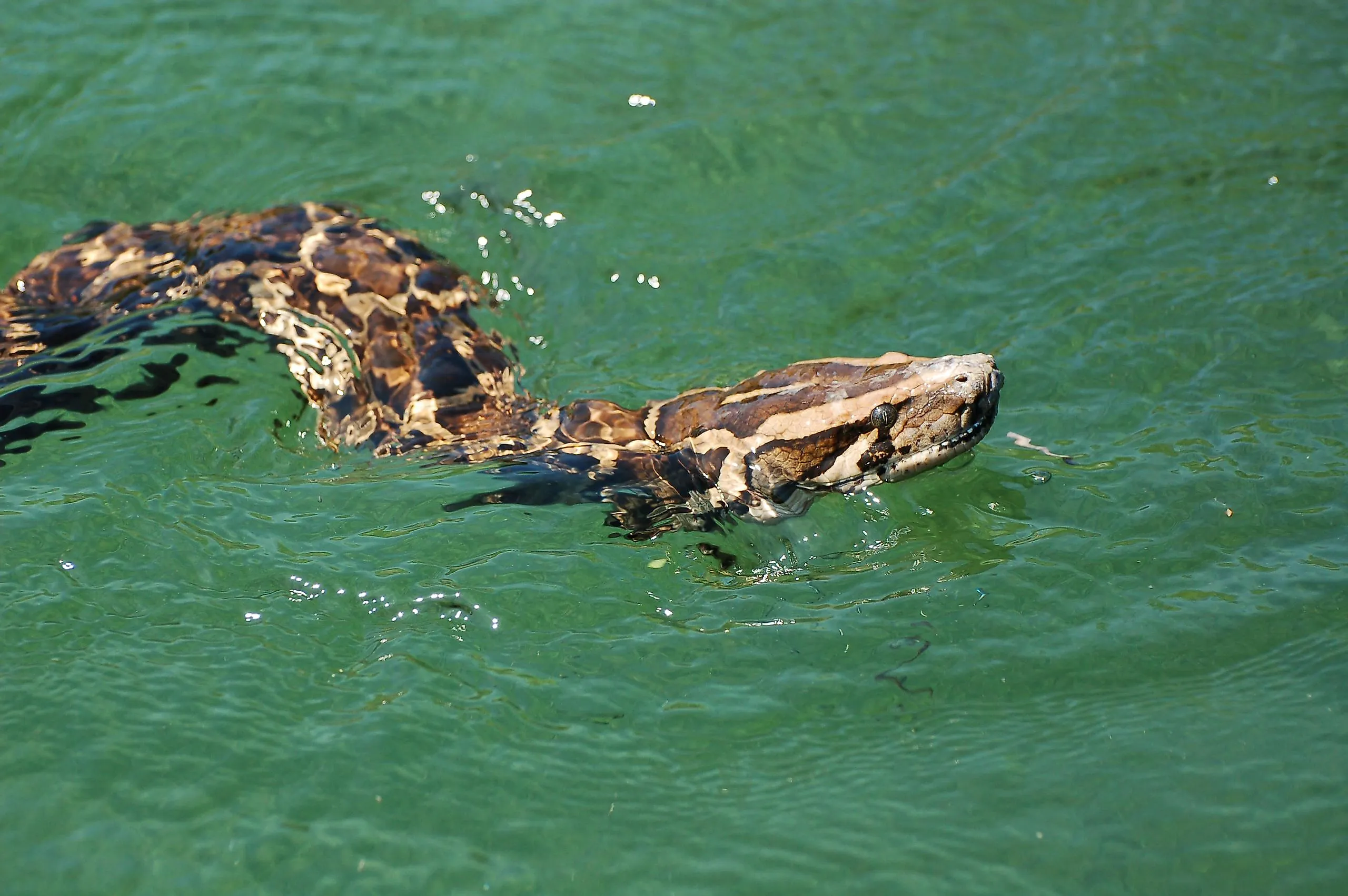
The 13 Most Snake Infested Areas In Florida
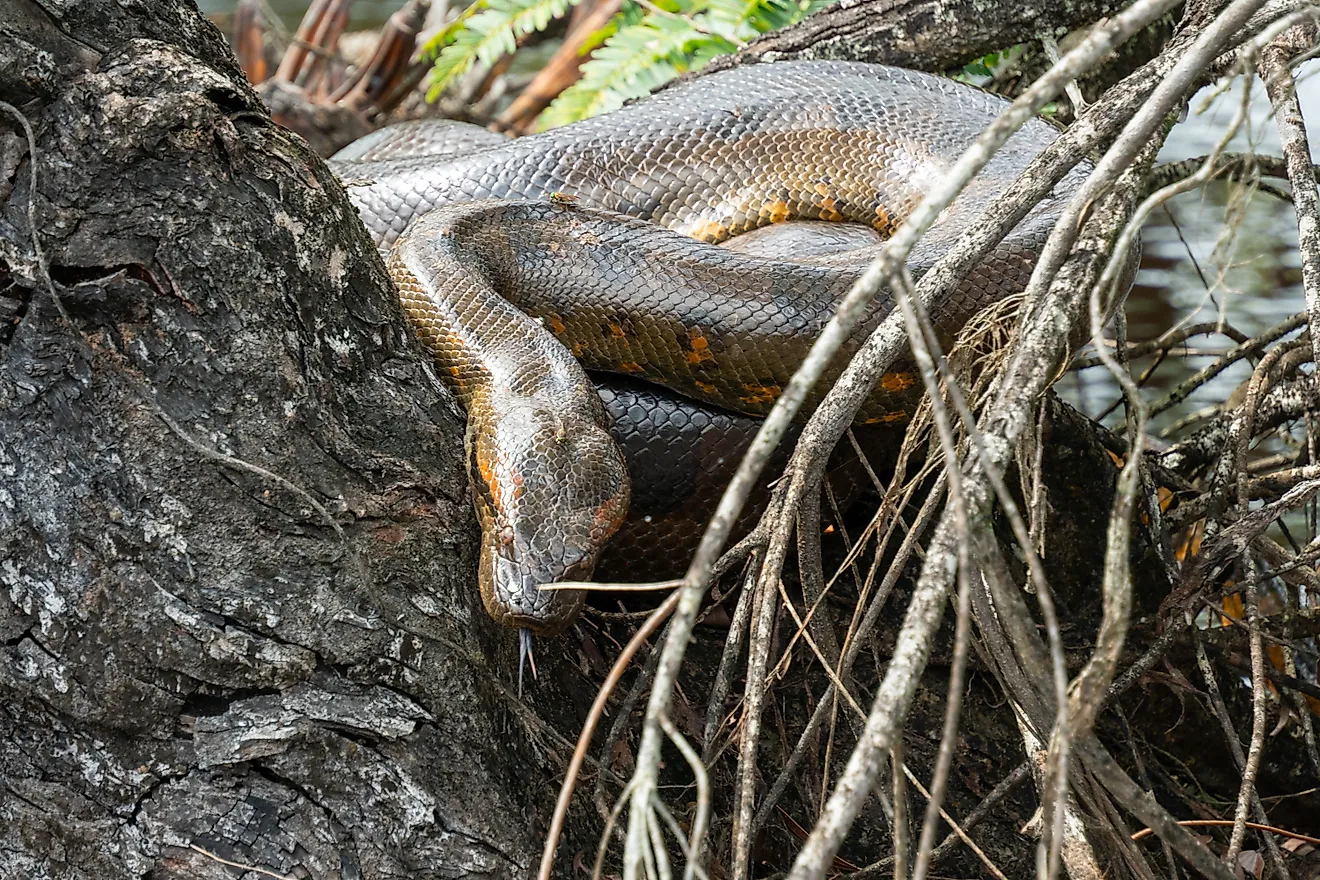
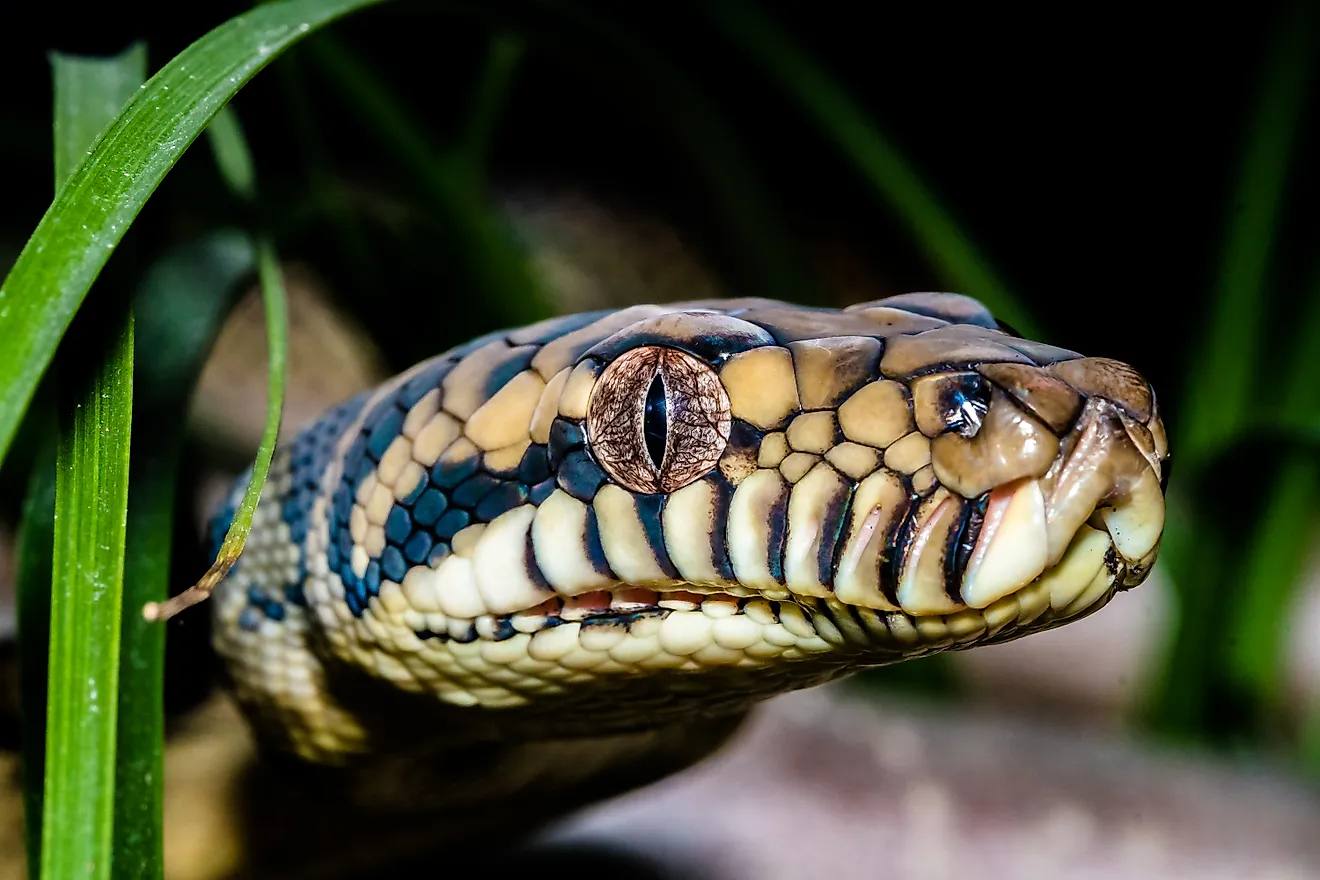
Florida hosts 46 native snake species. Six are venomous. Then there's the imported guest list: the Burmese Python, the Boa Constrictor, the African Rock Python, and, more recently, the green anaconda (yes, one of those was pulled out of the Kissimmee River in 2024 at 12 feet). The natives keep rodents and frog populations in line. The invaders eat alligators. The thirteen areas below run the highest snake concentrations in the state, with the chemistry of why each spot works so well baked in.
Apalachicola

The bluffs and ravines of the Apalachicola National Forest hold one of the most diverse snake populations in the Florida Panhandle, with about 41 documented species. The Eastern Indigo Snake (Drymarchon couperi) is the headline species: federally threatened since 1978, native only to the longleaf pine sandhills of the Southeast, and reliant on Gopher Tortoise burrows for shelter during the colder months. When tortoise populations crashed in the 20th century, indigo snakes nearly vanished from the region.
The Central Florida Zoo's Orianne Center for Indigo Conservation has bred and released more than 250 indigo snakes back into the Apalachicola Bluffs and Ravines Preserve since 2017, in one of the more successful regional reptile recoveries on record. At up to nine feet long, the indigo is the longest native snake in the United States. It is also non-venomous and eats other snakes, including rattlesnakes (yes, it eats venomous snakes and is immune to their venom).
Tampa Bay

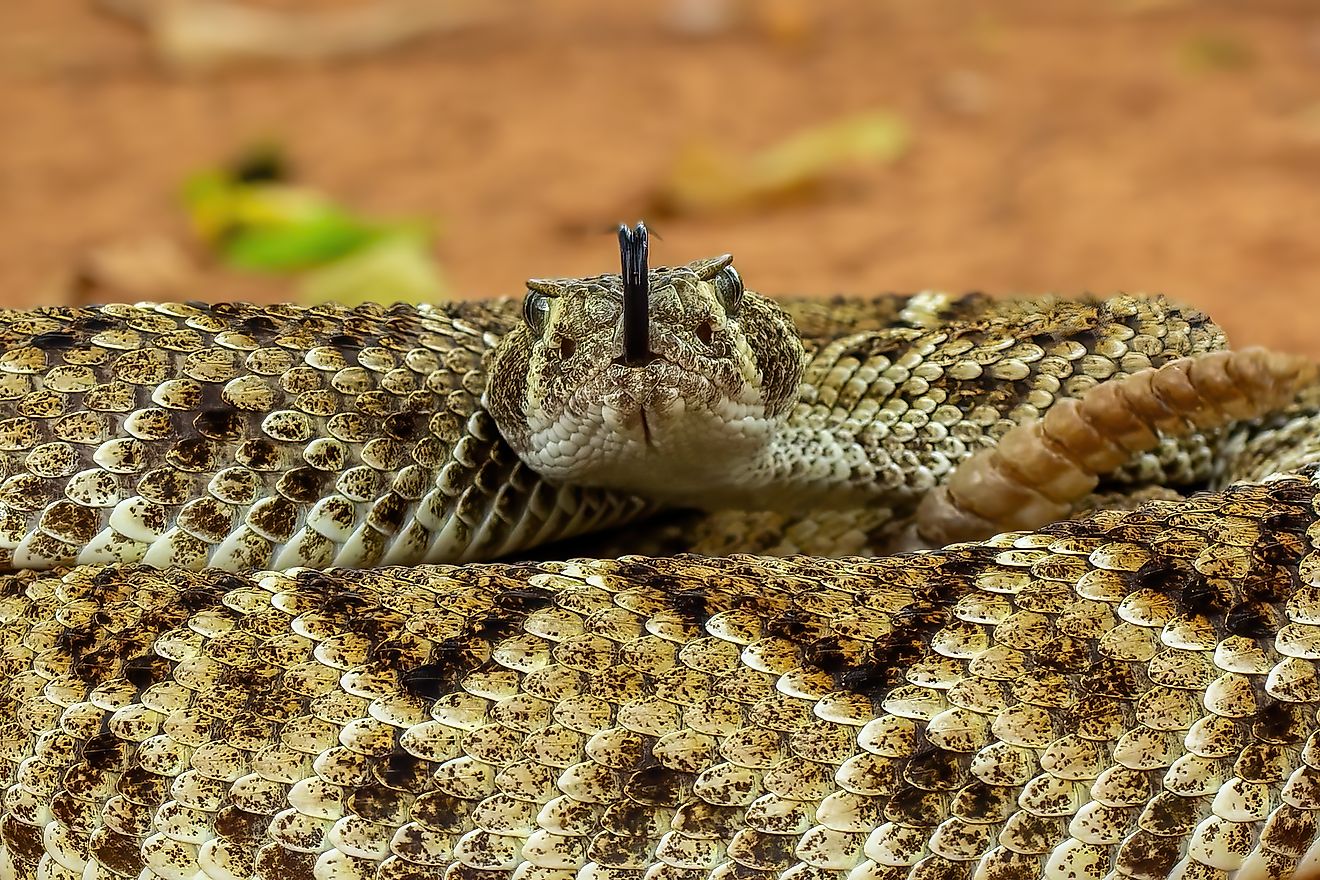
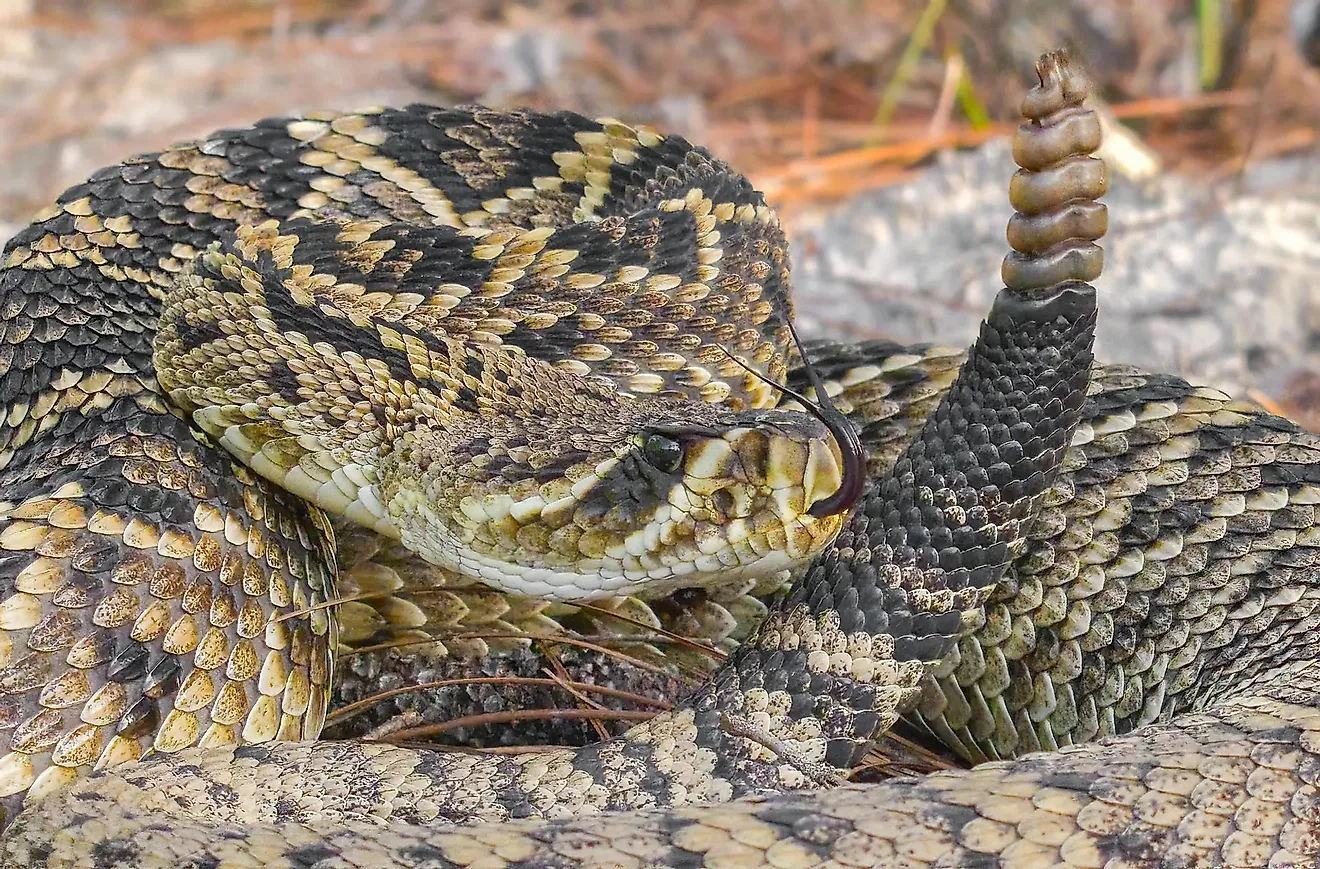
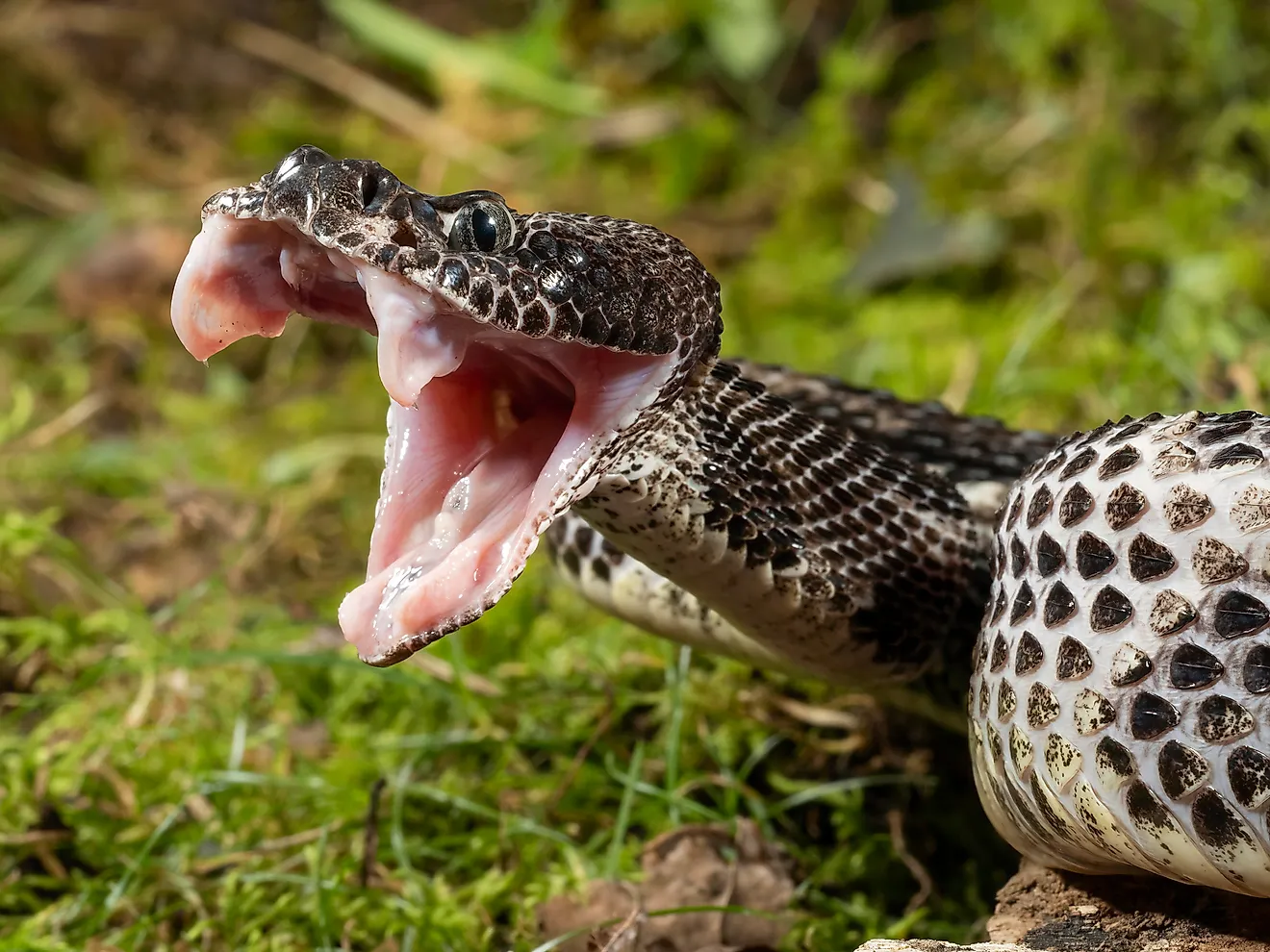
Tampa Bay's three most common venomous snakes are the Dusky Pygmy Rattlesnake, the Florida Cottonmouth (also called the Water Moccasin), and the Eastern Diamondback Rattlesnake. The bay's subtropical climate, easy water access, and palmetto-and-pine cover suit all three. Pygmy Rattlesnakes are small enough that the rattle is barely audible (think the buzz of a small insect). They hide in palmetto thickets and leaf litter and bite frequently but rarely fatally.
Florida Cottonmouths show up regularly in residential swimming pools during the rainy season, when the snake is looking for cool water and a route out of the heat. Standard professional advice if you find one: do not try to move it. Call a removal pro. The Eastern Diamondback is the largest venomous snake in the United States (record specimen 96 inches and 34 pounds, killed in 2009 in Pinckney, South Carolina). Most encounters happen in palmetto-pine flatwoods on the bay's east side.
Lake Talquin State Forest

Lake Talquin is a 10-square-mile impoundment of the Ochlockonee River, with about 40 miles of shoreline and 19,380 acres of surrounding protected state forest. The combination of slow-moving water, dense cypress-tupelo swamp, and an active rodent and amphibian prey base supports about 41 species of snake. The Red-Bellied Watersnake, Florida Cottonmouth, and Brown Watersnake are the three most encountered.
Despite the population, locals still camp, canoe, and fish here without losing much sleep over it. The reality of Florida snake encounters is more like the reality of Florida thunderstorm encounters: pay attention, wear closed shoes off-trail, and check before you step over a log. Most bites in Florida come from accidentally stepping on a coiled snake that has no interest in being there either.
Aucilla River

The Aucilla River runs about 89 miles from Sneads Smokehouse Lake in southern Georgia south to Apalachee Bay, draining 747 square miles of north Florida wetlands along the way. The basin's tidal salt marsh and freshwater seep prairies host one of Florida's quieter snake communities, dominated by the Dekay's Brown Snake. The species is small (rarely over 13 inches), non-venomous, and eats slugs and earthworms.
The Dekay's Brown Snake is one of the most common urban-adjacent snakes in the eastern United States, partly because it has adapted well to suburban garden habitats. Along the Aucilla, it shares the river with several non-venomous watersnakes that prefer the slow-current channels for hunting frogs and crayfish. The eastern side of the river holds fewer Dekay's specimens, likely because of a higher concentration of Black Racers and Coachwhips that prey on small snakes.
Peace River

The Peace River drains 2,350 square miles of central Florida into Charlotte Harbor and supports 18 documented snake species per the Peace River Wildlife Center, including the Eastern Coral Snake (Micrurus fulvius). The Coral Snake is one of only two North American snake species in the cobra family (Elapidae), the other being the Western Coral Snake, and is among the most venomous snakes on the continent by toxicity.
The good news: Coral Snakes are reclusive, generally non-aggressive, and accounted for fewer than 100 reported bites a year in the entire United States in recent surveys. The bad news: their neurotoxic venom requires a specific antivenom that has had supply problems over the past two decades. The mnemonic is "Red touch yellow, kill a fellow; red touch black, friend of Jack" (the Scarlet Kingsnake mimics the Coral Snake's color pattern but the bands are in different order).
Manatee River

The 36-mile Manatee River drains central Manatee County into Tampa Bay and supports a heavy mixed snake community: Southern Black Racer, Corn Snake, Yellow or Eastern Rat Snake, and Gray Rat Snake all run the freshwater corridors. Black Racers are the most-encountered snake species in suburban central Florida, fast-moving (they can hit 4 mph in short bursts), non-venomous, and prone to a defensive vibration of the tail that mimics a rattlesnake well enough to fool many observers.
The Manatee's four resident venomous species (Florida Cottonmouth, Dusky Pygmy Rattlesnake, Eastern Diamondback, and Eastern Coral Snake) all live alongside the American Alligator, one of the snake's main natural predators in Florida. The alligator-snake dynamic gets disrupted further south where Burmese Pythons have begun preying on adult alligators, but the Manatee River system remains alligator-dominated.
Lake Istokpoga

Lake Istokpoga is the fifth-largest natural lake in Florida at 27,692 acres, and the local snake population takes full advantage. Florida Cottonmouths and Eastern Mud Snakes both work the lake's reedy shoreline. The estimated 10,000-strong alligator population in and around the lake is currently the top predator, but the Burmese Python invasion has been creeping north from the Everglades, and Istokpoga sits right at the northern edge of the python-active zone.
A 215-pound female Burmese Python was captured in Big Cypress National Preserve in June 2022, the heaviest python ever caught in Florida. The longest python on Florida record was a 19-foot male caught at Big Cypress in July 2023. The lake's significant Osprey population provides nestling food for tree-climbing snakes that occasionally raid the nests, including the Eastern Rat Snake and the occasional Yellow Rat Snake.
Upper Kissimmee Basin

The Upper Kissimmee Basin's wetlands and marshes have been heavily engineered for flood control since the 1960s, when the Army Corps of Engineers channelized the Kissimmee River into a straight canal. The Kissimmee River Restoration Project (completed in 2021 after a $1 billion, 30-year effort) restored 44 square miles of river floodplain to a natural meandering channel, with snake populations rebounding in lockstep.
Non-native species pressure runs high here. The Florida Fish and Wildlife Conservation Commission documented a 12-foot green anaconda caught in the Kissimmee River in October 2024, one of the largest non-native constrictors recorded in the basin. Burmese Pythons are pushing north from the Everglades, and unverified Boa Constrictor sightings have appeared along the canal system. The basin is currently a major focus of FWC's invasive constrictor monitoring program.
Ocala National Forest

The Ocala National Forest covers 673 square miles in north-central Florida and hosts dozens of snake species, four of them venomous: Florida Cottonmouth, Eastern Diamondback Rattlesnake, Dusky Pygmy Rattlesnake, and Eastern Coral Snake. The forest's mix of sand pine scrub, longleaf pine flatwoods, and freshwater spring runs supports the entire venomous-snake roster of central Florida.
The longleaf pine sandhills in particular host the Eastern Indigo Snake (the same species that nearly vanished from Apalachicola) at low density, plus a healthy population of Florida Pine Snakes that mimic the indigo's coloration. Most bites in the forest come from accidental encounters with diamondbacks on hiking trails; the standard advice still applies: if a rattlesnake is sounding off in your general vicinity, take the verbal warning and reroute.
Potts Preserve and Wildlife Management Area

Potts Preserve runs along the Withlacoochee River in Citrus County, with about 8,500 acres of marsh, hardwood swamp, and pine flatwoods. Hunters and boaters regularly encounter Florida Pygmy Rattlesnakes and Florida Cottonmouths during the September-through-November archery and muzzleloader seasons. The preserve is a key link in the Tsala Apopka Chain of Lakes, one of the most ecologically productive freshwater systems in the state.
The Citrus County Wildlife Management Conservation Easement covers additional acreage and runs an ongoing herpetological survey in partnership with the University of Florida. The preserve's seasonal flooding regime supports a robust amphibian population, which in turn supports the snakes. No verified Burmese Python sightings have been logged this far north as of 2025, which keeps the preserve's native snake-and-alligator balance intact.
Three Lakes Wildlife Management Area

Three Lakes Wildlife Management Area in Osceola County covers 63,000 acres including Lake Kissimmee, Lake Marian, and Lake Jackson, plus a substantial dry-prairie ecosystem unusual in the Florida peninsula. Eastern Diamondback Rattlesnakes and Eastern Coral Snakes have been documented multiple times in the WMA's prairie habitat, alongside the more common Garter Snake and Banded Water Snake.
The dry prairie is also one of the last reliable Florida Grasshopper Sparrow habitats in the state (the sparrow is critically endangered, with a 2025 wild population estimate of about 100 individuals). The combination of prairie, pine flatwoods, and freshwater marsh supports about 30 documented snake species. No pythons have been confirmed in the WMA, which makes the area a useful control site for studying what Florida ecosystems look like before the python invasion arrives.
Lake Okeechobee

Lake Okeechobee is the second-largest natural freshwater lake entirely inside the contiguous United States at 730 square miles and supports a heavy mixed snake community: Brown Water Snake, Banded Water Snake, Florida Green Water Snake, Florida Cottonmouth, and (increasingly) the invasive Burmese Python. The lake sits at the top of the Everglades watershed and serves as the staging ground for python migration northward.
The lake also ranks as one of the most polluted in southern Florida due to agricultural runoff (phosphorus loading from sugar-cane fields north of the lake has triggered massive algae blooms in 2018, 2020, and 2024). The pollution restricts swimming but does not measurably affect the snake population; the snakes and the alligators continue to thrive in conditions that would discourage most humans from going in the water. The Herbert Hoover Dike's 143-mile encirclement of the lake was completed in 1967 to control flooding after the 1928 Okeechobee hurricane killed an estimated 2,500 people.
The Everglades

The Everglades is the most snake-infested area in Florida, and the most snake-altered. The Burmese Python (Python bivittatus) arrived through escapes from pet collections and from the August 1992 destruction of a python breeding facility in Hurricane Andrew. The species has had no natural predator in Florida since arrival, with the result that documented mammal-sighting rates in Everglades National Park have crashed 90 to 99 percent depending on species. Bobcats, raccoons, opossums, and white-tailed deer have nearly disappeared from the southern Glades. Pythons regularly eat adult American Alligators (the largest documented case: a 76-pound python that swallowed a 6-foot alligator in 2019).
The longest Burmese Python ever caught in Florida is the 19-foot male pulled from Big Cypress National Preserve in July 2023. The heaviest is the 215-pound female caught in June 2022. The state's Python Challenge runs each summer with cash prizes for licensed hunters; the 2024 challenge removed 195 pythons in 10 days. Florida residents can hunt pythons year-round on most public lands and are encouraged to do so.
The Native and the Imported
Florida's snake math now runs two parallel tracks. The native 46-species roster, including the six venomous and the long endangered indigo, occupies the longer-established food web that has been working since the late Pleistocene. The invader roster (Burmese Python, Boa Constrictor, African Rock Python, green anaconda) occupies the disrupted food web that pythons created when they arrived in the 1980s and 1990s. Conservation work has restored indigo numbers in the Panhandle and is slowly pushing back against python densities in the Everglades, but the overall picture is one of two snake economies running in the same state. Pay attention, watch the trail, do not pick up things you do not recognize.