7 Most Rattlesnake Infested Areas in Washington
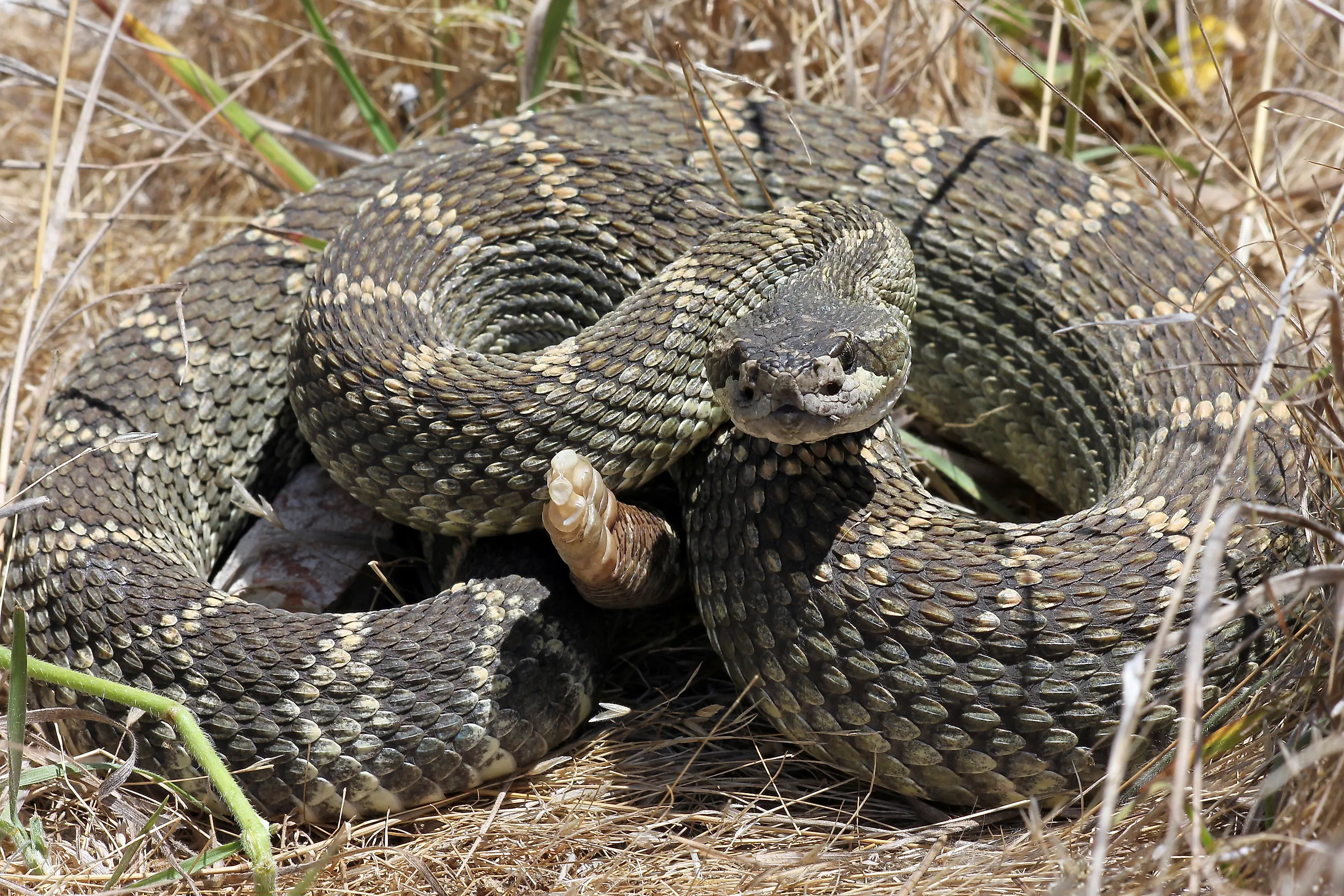
Washington is not a state known for its snakes. However, the state is surprisingly home to eleven different species. One of which is none other than the venomous Western Rattlesnake. It is the only venomous snake found in Washington. Also known as the northern Pacific rattlesnake, the snake is mostly found in Eastern Washington. These venomous creatures typically live in rock crevices exposed to sunshine.
Some of the best places to find the Western Rattlesnake in Washington are near lakes, rivers, and wetlands. Tributaries along the Columbia River, such as Crab Creek, are crawling with these snakes. Other regions that are more rocky, such as Douglas Creek, provide a natural haven. Here, we explore the seven most rattlesnake-infested areas in all of Washington.
Douglas Creek

Douglas Creek is a favorite spot for locals to go hiking, camping, and fishing. People typically fish for rainbow trout in the lower stretches of the river. Running through the uplands east of Badger Mountain and past the farmland Waterville plateau, Douglas Creek’s rocky terrain and sunny exposures make it a haven for the Western Rattlesnake. The Washington Audubon Society designated Douglas Creek an Important Bird Area in Eastern Washington. Other animals visitors can see include mule deer, coyotes, bats, and porcupines. This natural area is not just a haven for humans but also provides ideal conditions for the Western Rattlesnake to thrive.
Crab Creek

Lower Crab Creek, eight miles above its confluence with the Columbia River, looking east.
Crab Creek is another great spot for hiking and fishing in Washington. The hike along Crab Creek runs through the Colombia National Wildlife Refuge. The route offers stunning views of basalt cliffs above seasonal lakes, and plenty of wildlife can be spotted. Birds, coyotes, and snakes are often seen on this hike. The sagebrush and tall grass provide perfect cover for the Western Rattlesnake. The abundance of small rodents and other prey means these snakes have easy access to food. In spring, rattlesnakes are less visible as they emerge from winter hibernation.
Yakima River Canyon

The Yakima River Canyon is a 20-mile section of the extensive Yakima River, featuring rugged ridges and grasslands that serve as prime habitats for rattlesnakes. Yakima is the longest river entirely within Washington, stretching 214 miles across the Columbia plateau in Central Washington. The canyon lies between Ellensburg and Selah, with rocky ridges and grassy hillsides providing perfect hiding spots for rattlesnakes, which hunt small mammals here. Trails like the Cowiche Canyon Trail offer stunning views and wildlife sightings and are located near the canyon, increasing the chance of rattlesnake encounters. The canyon's rocky terrain offers many crevices for snakes to hide, and the plentiful small mammals ensure a consistent food supply. Other wildlife in the area includes cougars, bears, and coyotes.
Sunnyside Snake River Wildlife Area

The conservation area spans 21,500 acres across multiple counties, including Franklin, Benton, and Yakima. The wildlife here is unique because it includes a variety of habitats, such as wetlands, grasslands, and cultivated cropland. This habitat diversity supports a range of wildlife, from deer, elk, waterfowl, and upland game birds to small mammals, reptiles, amphibians, and invertebrates. The wetlands are home to important migratory birds. In the dry landscapes of the Wildlife Area, rattlesnakes are also found. The Byron Unit has the most rattlesnakes. The rolling hills, basalt boulders, and wetlands here provide an ideal habitat for the Western Rattlesnake.
Columbia River Gorge

The Columbia River Gorge, set on the Washington-Oregon border, is one of the Pacific Northwest's most breathtaking and ecologically rich destinations. It provides a vital habitat for the Western Rattlesnake, thanks to its rocky outcrops, sunny spots, and diverse wildlife, creating a perfect environment for these venomous snakes. Popular among outdoor lovers, the gorge boasts numerous hiking trails, scenic viewpoints, and waterfalls that draw visitors all year. However, hikers should be cautious, as Western Rattlesnakes are often seen along the trails, especially in rocky or sunny areas. This area offers a stunning blend of natural beauty and wildlife, making it a must-visit for nature enthusiasts and adventurers. When exploring, staying alert for rattlesnakes is key to ensuring a safe and enjoyable experience.
Moses Lake

Moses Lake is also part of the Columbia River basin. It's well known in Washington as one of the most snake-infested lakes. Moses Lake was originally a natural lake, but it was dammed, raising the water level. Today, the lake has a surface area of 6,800 acres and is as deep as 38 feet in some places. Most of Washington's native snake species are found here. However, Moses Lake is particularly known for its population of rattlesnakes. The snakes are most active during the spring and summer months, their breeding season.
Lake Wenatchee

Lake Wenatchee serves as a wildlife hub, surrounded by mountains and home to various animals, including the Western Rattlesnake, attracted by the nearby Okanogan-Wenatchee National Forest. It is one of Washington's most snake-rich regions. While the Western Rattlesnake is less common here compared to other waterbodies on the list, since it prefers the drier climate of Eastern Washington, the nearby Okanogan-Wenatchee National Forest, a vast 2-million-acre wilderness, draws this snake to the area, supporting a diverse range of wildlife.
Staying Safe Around Rattlesnakes
Rattlesnakes generally avoid human interaction, but their bites can be dangerous if provoked. Considering their bite can be fatal, it is important to practice safety if you spot a rattlesnake. Rattlesnakes can strike up to half their body length, so maintaining a safe distance is crucial. Although relatively rare, most snake bites are below the knees when they do happen. Wearing boots that cover the ankles and part of the calf makes it easier to minimize the chance of getting bit badly. If visitors hear the sound of a rattlesnake rattling, similar to a grasshopper, it is a good idea to travel in the opposite direction. Looking up photos of the snake ahead of time will also help guests identify the snake so they know to keep their distance.
Overall, the seven water bodies mentioned here are where people are most likely to see a rattlesnake in Washington. With these snake safety tips in mind, visitors can enjoy visiting any location with peace of mind.