7 Cutest Small Town Drives In Virginia
Virginia is an incredibly beautiful state with a history that dates back to the colonial era. The earliest colonists crossed the Atlantic Ocean and arrived in the Chesapeake Bay to establish some of the longest-standing towns in the country. One of the best ways to experience Virginia is by visiting these towns in person.
For example, a drive connecting several of Virginia’s small towns offers plenty to see and do, and there are seven in particular you won’t want to miss. Driving through all of these towns without stops would likely take around eight hours to 10 hours, depending on your chosen route. Along the way, travelers should take time to get out of the car and explore the many charming small towns Virginia has to offer.
Warrenton

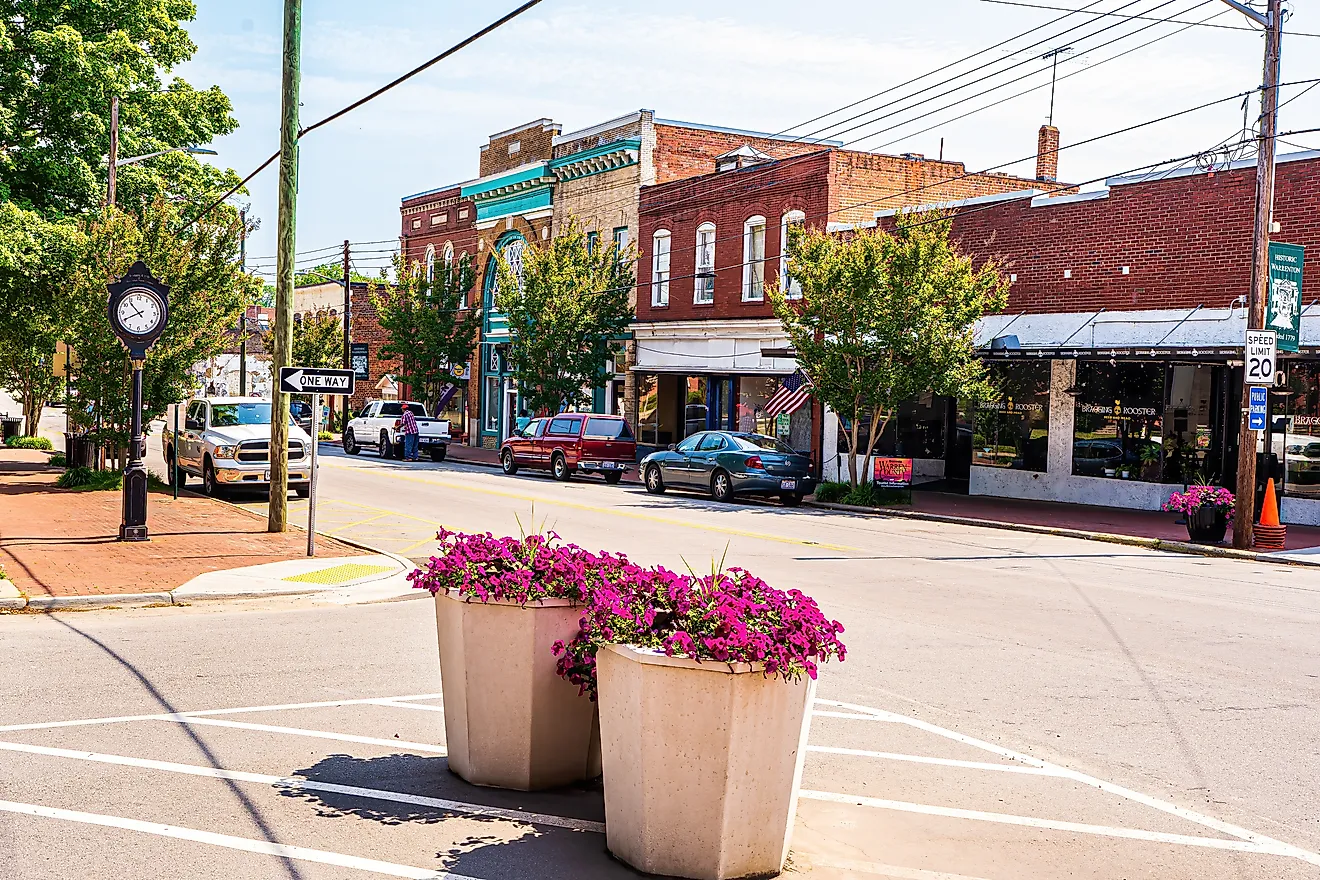
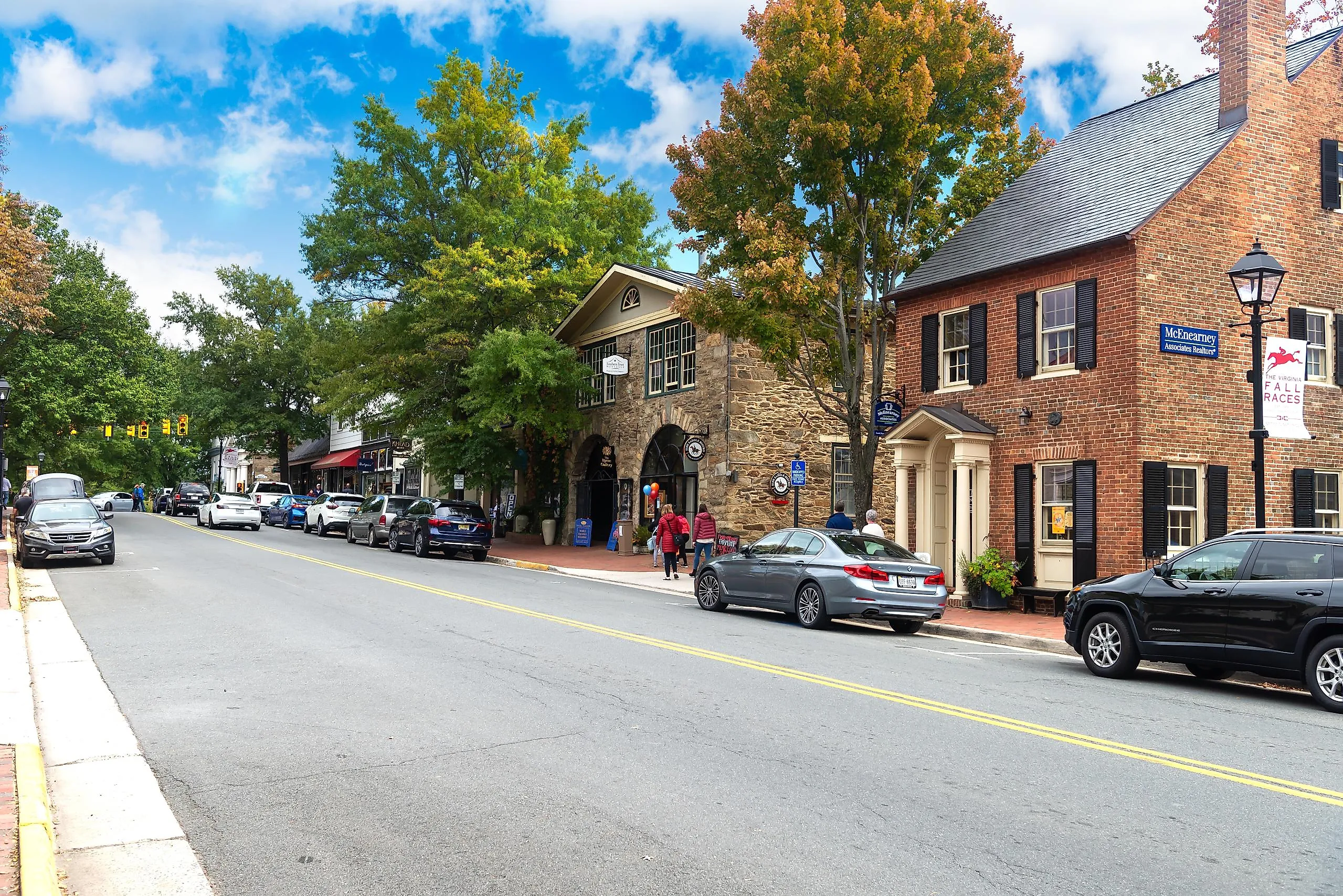
The first stop on this road trip is in Warrenton, a town whose roots date back to a humble trading post known as the Red Store. A settlement sprang up around the area, and by 1790, the first courthouse had been built. Today, visitors can expect to find many historic sites in Old Town Warrenton. There are five art galleries in the area, such as the Berkley Gallery, which showcases nature landscapes and animal art. Visitors also enjoy the Old Jail Museum, which is home to the Fauquier Historical Society. The jail was first constructed in 1808, and today, guests can find featured unique exhibits, such as a recreation of a colonial kitchen.
Middleburg

The next stop on this trip is a half hour north, in Middleburg. This area of Virginia is known for its rich history and its wineries. The town of Middleburg was first established in 1787 by Revolutionary War officer and Virginia Statesman Levin Powell, who purchased the land for $2.50 an acre. Guests visit today because of Middleburg's location in the wine country. Boxwood Estate Winery serves us friend Bordeaux-inspired wines with a Virginia twist. Nearby, Greenhill Winery & Vineyards medaled in the Virginia Governor's Cup for their Chardonnay Reserve. Guests can enjoy private tastings or arrange for gatherings if they are in the area for a special occasion.
Onancock

The next step on this road trip is one of the longest, taking between four and five hours to drive east across the Chesapeake Bay and then south to Onancock. Though the drive is long, this will be the longest stretch along this drive and will allow for plenty of views of the Virginia countryside until you arrive. The history of Onancock dates back to the 1600s, when the first colonists established it. Visitors will find that this bayside town is popular for its many water activities.
The Onancock Marina is a bustling hub for boaters, and visitors to town will spot many boats as they walk along the water. If you have time, you can also take a trip on the Tangier Island Ferry, which takes riders to nearby Tangier Island. The island is home to a very small population, but it remains attractive to those who want to take water tours of the surrounding area or spend a day kayaking along the shores.
Williamsburg

A shorter route of your road trip will take you south across the bay and then northwest to Williamsburg, which takes just about two hours. Williamsburg is yet another storied city in Virginia and was founded in 1699 as the capital of the Virginia Colony. Given its history, it should not be unsurprising to learn that Colonial Williamsburg is a popular destination here.
This town is the largest living history museum in the world, and it is hard to imagine for anyone who has never been. Individuals dressed in 18th-century clothing portray people from the colonial era, and guests can hear blacksmiths hammering metal on anvils at the working blacksmith shop.
The activities are numerous, with 18th-century woodworking on display and commemorations of the Revolutionary War hosted at various times of the year. Historic destinations are abundant throughout town and include the Capitol Building, first constructed in 1705 and later reconstructed in the 1930s using original designs and historical records.
Ashland

The road trip starts to speed up as you head to Ashland, about 30 minutes north of and not far from the state capital of Richmond. It is somewhat surprising to say that Ashland is a young city, since it was first established in the 1840s, but it is relatively young when compared to destinations like Williamsburg. Ashland began as a mineral springs resort, with much of its early development tied to the arrival of the Richmond, Fredericksburg & Potomac Railroad. Ashland later became a college town; today, visitors can still find plenty of historic spots.
Historic Downtown is a great place to stop by if you are passing by. The town's century-old buildings remain home to destinations today, such as the Iron Horse Restaurant, where guests can enjoy Southern cuisine, as well as steak and seafood. Train enthusiasts will want to stop by during Ashland Train Day, a festival celebrating the town’s railroad heritage that features live music, local cuisine, and train-themed exhibits.
Charlottesville

Your next stop on this road trip is about an hour west of Ashland and sits next to one of the most iconic destinations in Virginia. You will find yourself in Charlottesville, home to the famed Monticello, where President Thomas Jefferson lived. Construction on Monticello began in 1769, and its history is a complex one shaped by decades of expansion and redesign. The beauty of the grounds and its rich history are undeniable.
The three-story home features period-appropriate furnishings that offer a glimpse into the world of one of the nation's most influential figures. Yet there is a difficult history that cannot be denied, and visitors can learn about the lives of more than 600 enslaved people who lived and labored at Monticello over time. Monticello is a window into history that demonstrates what life was like for early American elites as well as for those they enslaved.
Lexington

Your road trip ends a little over an hour southwest, in the city of Lexington. Lexington was first authorized as a town in 1778 and had become the county seat by 1790. Thanks to the establishment of destinations such as Washington and Lee University, the town found ways to prosper. Today, visitors can visit historic Downtown Lexington, which is listed on the Virginia and National Registers of Historic Places.
Lexington has invested considerable effort in preserving the historic architecture of its downtown area, which is a State and National Historic District. Visitors can explore notable historic sites, including University Chapel (formerly Lee Chapel) at Washington and Lee University, as well as the historic R.E. Lee Memorial Episcopal Church, where Robert E. Lee served as senior warden during his time as president of Washington College (now Washington and Lee University).
Roadtripping in Virginia
There is just no shortage of things to see in the great state of Virginia. History lovers will enjoy the incredible colonial history of Virginia as exemplified at Monticello, while those who enjoy stops at places like the Berkley Gallery. On a road trip like this one, you will find some of the most popular destinations in the state. If you want to hop in the car, follow this itinerary and discover some of the greatest destinations Virginia has to offer.