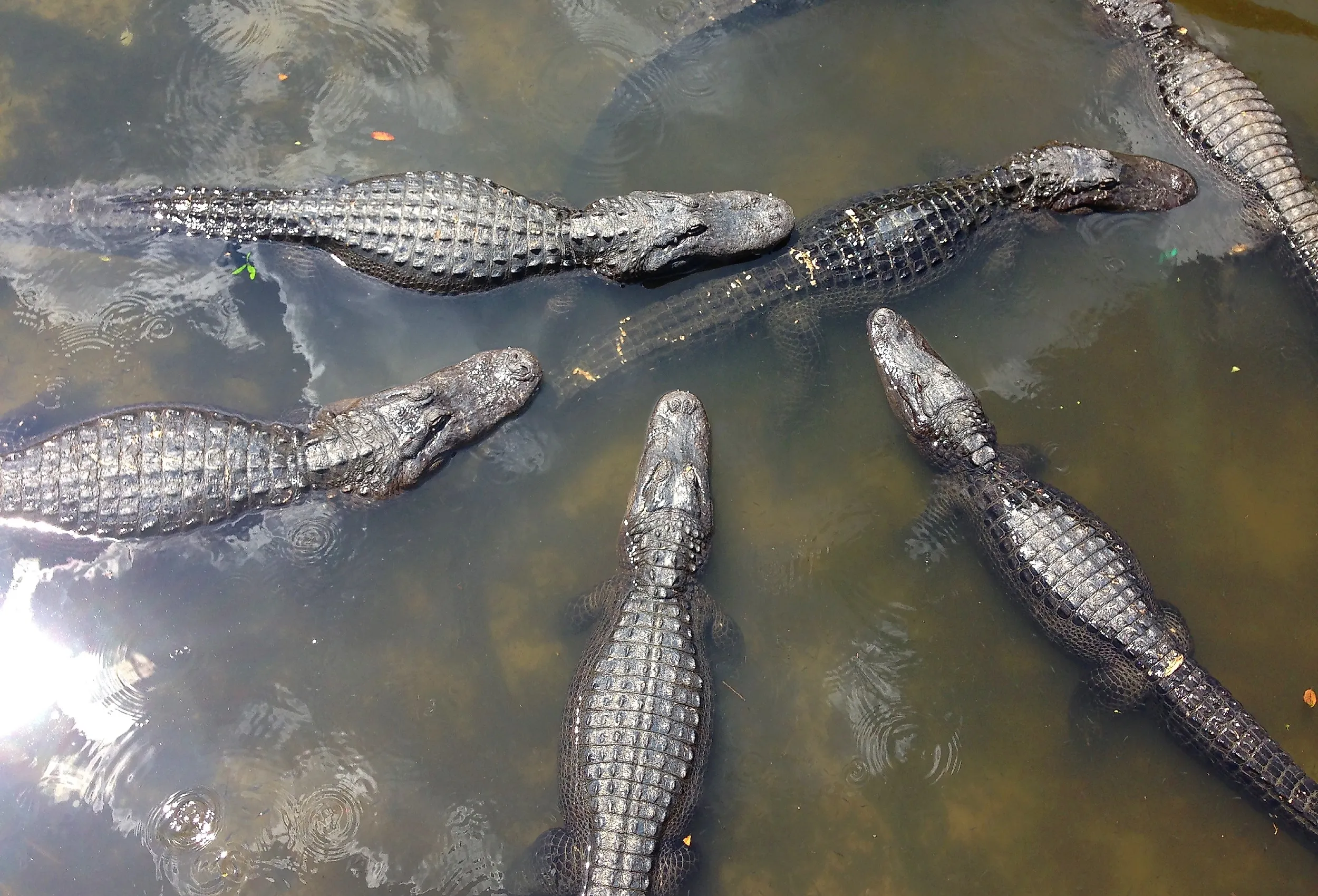
6 Most Alligator Filled Places in South Carolina
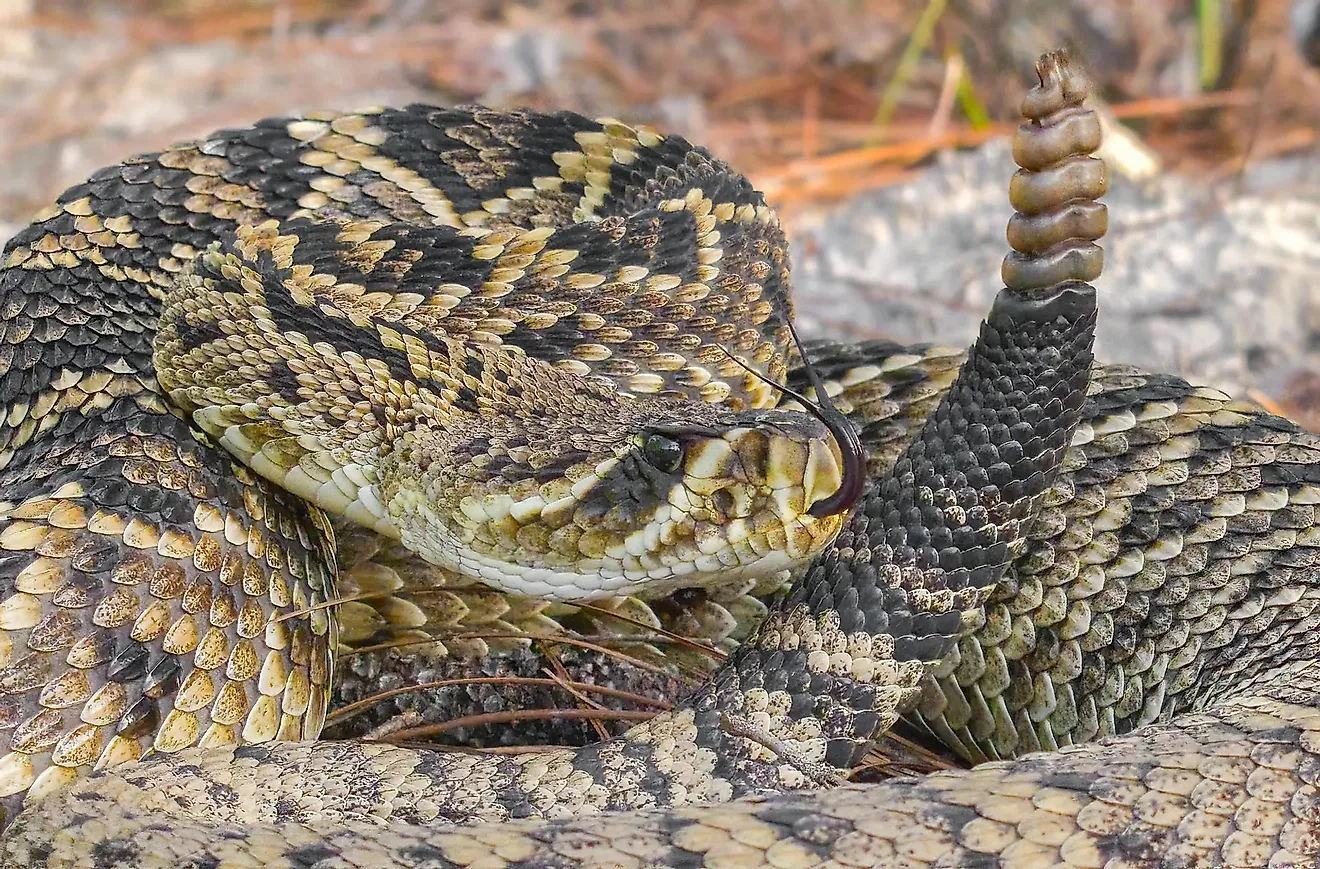
The American alligator, or Alligator mississippiensis, is native to the southeastern United States, and South Carolina has healthy populations of these ancient reptiles, numbering around 100,000. In the 1960s, sport hunting in the US had all but wiped out the American alligator population, but in 1987, these creatures were officially removed from the endangered species list. Coexisting with the species, especially in the state's Lowcountry in spots like Lake Marion and Huntington Beach State Park, is not always without incident. Understanding where to find the higher concentrations of alligator populations can help visitors and locals stay prepared and cautious to avoid potential issues. Learn more about some of the most alligator filled places in South Carolina, where you might see a higher concentration of the American alligator.
Lake Marion

According to Santee’s official website, more than 100,000 people visit the town each year for fishing, boating, and golfing, and a top attraction is Lake Marion. This massive lake covers a staggering 110,600 acres, with portions in five different counties. Many areas beyond the basin have become marshy wetlands of cypress trees and soggy terrain, ideal for alligator habitat. Lake Marion has been widely recognized as a sanctuary for these animals and a high snake population; as a result, though it has not deterred human traffic to the water for recreation and prized fishing.

With its designation as a sanctuary, you can never rule out the possibility of these creatures appearing anywhere on the total of 315 miles of shoreline around the lake, though Wyboo Creek is often where many are spotted. Here, the water is much shallower, so it stays warmer, allowing them to bask, hunt, and raise their offspring in a more controlled environment.
Huntington Beach State Park

Located near Murrells Inlet and Georgetown, Huntington Beach State Park spans 2,500 acres of wilderness, known for its ecological diversity. While visitors come to explore the historic Atalaya Castle or to view over 300 species of birds, those interested in reptiles head directly to the park's freshwater ponds. The famous Causeway, which crosses through salt marsh and freshwater, is also an excellent location for wildlife observation.

It is not unusual to see alligators basking on the edge of Mallard Pond or walking the “Alligator Alley” access road as they move back and forth through the ponds and brackish marshes to regulate their internal salinity levels. This accessibility makes it one of the more reliable locations to observe alligator activity in the region.
Pee Dee River

The Pee Dee River, called the Great Pee Dee in South Carolina, is joined by the Little Pee Dee River before emptying into Winyah Bay. These are blackwater rivers, characterized by slower flow and high tannin levels, which give the water a deep tea color.
You might find alligators in the deep, shady bends of this river or on the banks soaking up the sun when temperature regulation is necessary. The deep woods in this floodplain provide hiding places for females, while the channels are often the best places to spot the bulls. Unlike in lakes, this is a more vertical landscape, so you may even see alligators fall from their hiding places in the brush into the water.
Lake Moultrie

While roughly 50,000 acres less than Lake Marion, the adjacent Lake Moultrie is equally a hotspot for alligator activity in South Carolina. The deeper waters here provide a different environment for the prehistoric reptiles, allowing some to reach incredible sizes of more than 13 feet in length and weighing more than half a ton. Despite these giants in the water, Lake Moultrie is renowned for its catfish, so it rarely stops dedicated anglers from hitting the waters anyway.
Most of the alligators stick to the shallow edges, especially around the Pinopolis Peninsula and the North Dike Wildlife Management Area. Where the open water meets the grassy, marshy banks, gators have their perfect hunting grounds. They hang out at the edges, ready to ambush prey but always just a quick slip away from the safety of the deep channels.
Edisto River

Those experienced with the natural wonders of South Carolina know about the Edisto River’s blackwater, slow flow, and perfect environment for a multi-day kayaking experience. Depending on where paddlers enter the water, the trip could span dozens of miles through the ACE Basin and show off some of South Carolina’s most elusive wildlife. Expect to see a sizable population of alligators along the riverbanks and in the overgrowth along the shore. However, they are wary of human interaction because long stretches of the Edisto are relatively undeveloped. Alligators here play a critical role in their ecosystem as a keystone species, digging “gator holes” that provide critical refuge habitat for aquatic life during the dry season.
Old Santee Canal Park

Located in Moncks Corner, South Carolina, Old Santee Canal Park is the location of the first real canal in America, but is now famous for its teeming population of reptiles. Visitors explore four miles of boardwalk and trail to take in the unspoiled beauty of Biggin Creek Cypress Swamp.

The Alligator Loop trail has elevated viewing areas designed for wildlife observation. Alligators are commonly seen in this park, often seen cruising silently in the canal waters or basking in the sun along the historic towpaths. Due to its small size and high concentration of swampland, this park is the perfect venue for researchers and photographers to get up-close views of alligators' life cycles.
Safely Navigating Where Alligators Might Be
A lot has changed for the American alligator since it was first listed as an endangered species in 1967. Since 2016, there have been six fatal attacks by alligators against humans in South Carolina, so it is important to understand how to coexist rather than incite aggressive behaviors. Most experts agree that alligators are not naturally aggressive (South Carolina Dept of Natural Resources) but are more territorial and act out of a sense of losing portions of their habitat to development. Keeping a safe distance of at least 60 feet from alligators is a best practice, as they can move very fast.