5 Rattlesnake Hotspots In Utah
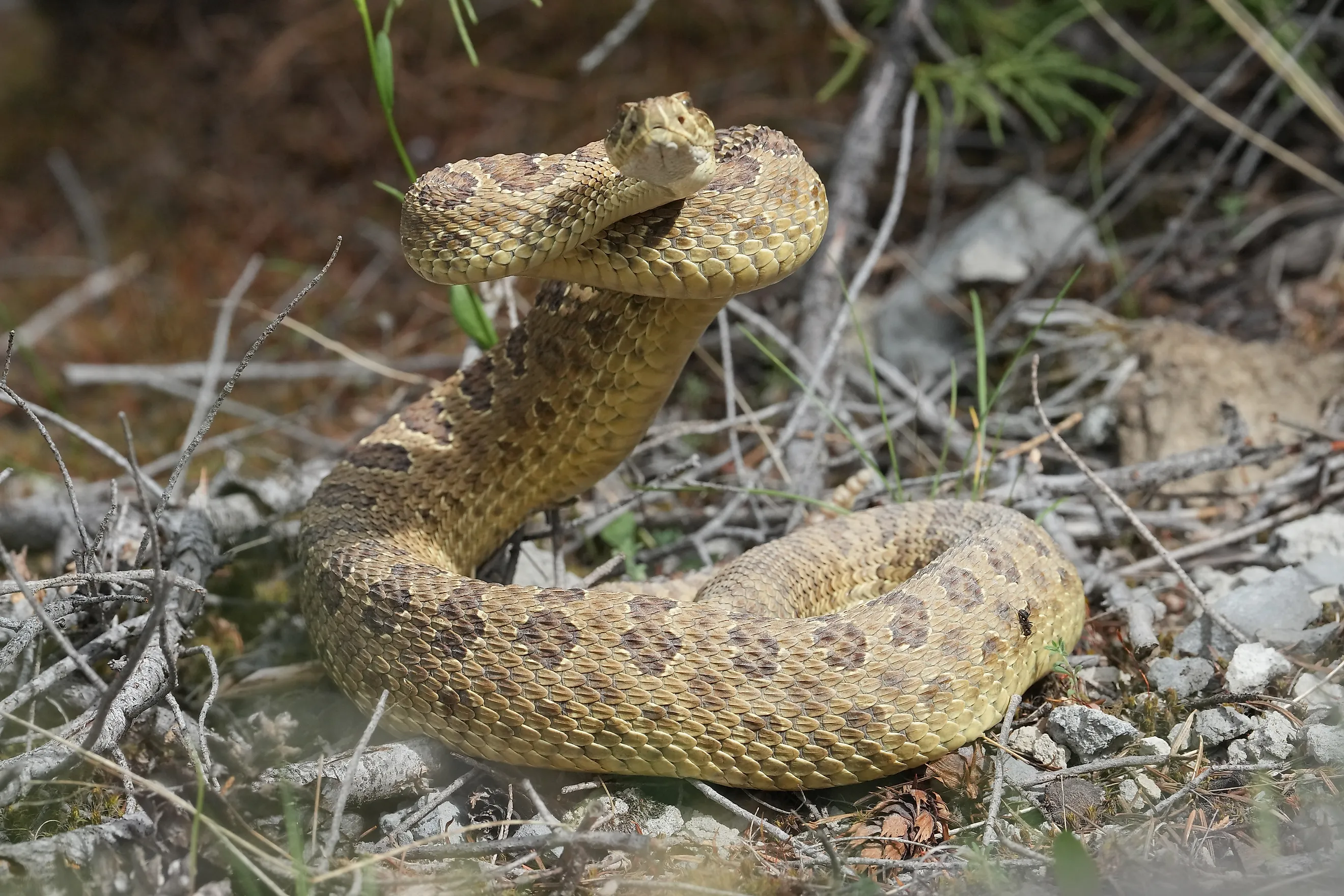
Utah's rugged yet pretty landscapes, from desert canyons and red rock cliffs to high mountain valleys, make it a haven for wildlife, including a notable population of rattlesnakes. The Beehive State hosts several species, in fact, such as the Great Basin rattlesnake, sidewinder, midget faded rattlesnake, Hopi rattlesnake, and prairie rattlesnake, each adapted to thrive in arid deserts, steep slopes, and sparse riparian zones.
With millions of acres of protected parks and public lands within its borders, human run-ins with these snakes are most common in areas where Utah's numerous hikers, campers, and other outdoor enthusiasts frequent on a regular basis. Here are a few of the most popular spots where you especially need to watch your step.
Zion National Park

Zion National Park stands out not only as one of Utah's most famous outdoor destinations but also as one of the state’s most active rattlesnake hotspots, largely due to its warm climate, varying elevations, and multi-layered desert terrain. The park is home to several species, including the great basin rattlesnake and the sidewinder, which favor the region's rocky slopes, sandy washes, and sun-exposed trails.
Local rattlesnakes are most commonly encountered from late spring through early fall in and around Zion, especially during early morning and evening when temperatures are more moderate. Zion’s mix of waterways and desert scrub also supports the rodent and lizard populations that are key food sources for these cold-blooded predators.

Popular recreation areas such as Zion Canyon, Kolob Canyons, and lower sections of The Narrows further provide ideal cover, increasing the likelihood of sightings for human guests. While bites are exceedingly rare, Zion National Park does report regular snake sightings each year, making staying on established trails, watching where you step, and general awareness especially critical in the busy summer months.
San Rafael Swell

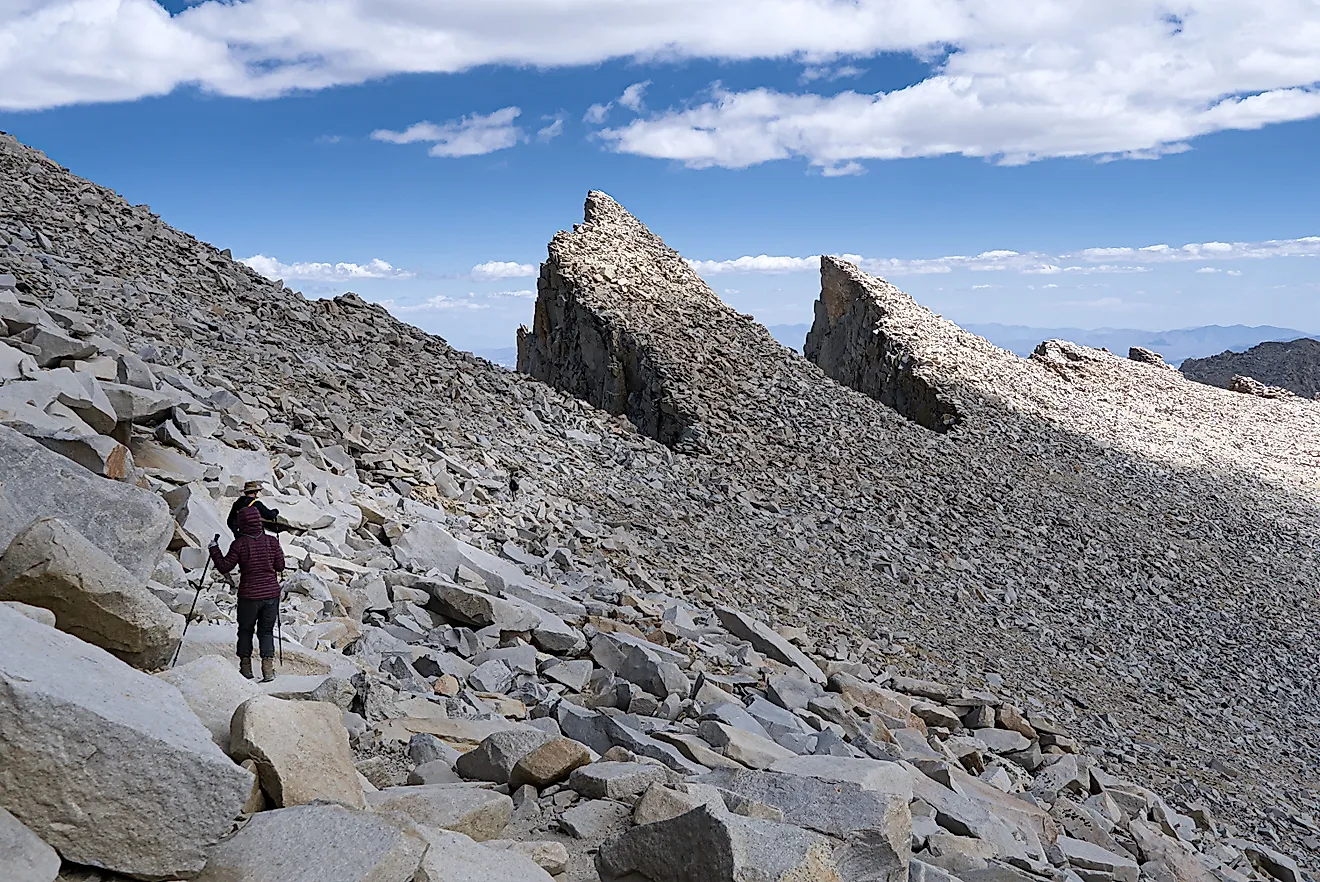
The San Rafael Swell boasts a number of hardy reptile populations, driven by its remote desert conditions and vast stretches of untouched wilderness. This rugged region supports snake species such as the Great Basin rattlesnake, the most common rattler in Utah, and the Midget faded rattlesnake, both well-adapted to the area’s arid climate.

Elevations range from roughly 4,000 to 7,000 feet, allowing them to thrive from spring through early fall as they travel between differing zones. With that, sightings are common along dry washes, canyon bottoms, and around sandstone outcrops where snakes bask and hunt, and hiking trails often intersect. Hikers, off-roaders, and backcountry campers should be cautious, especially during warm afternoons when rattlesnakes are most active and difficult to spot against the rock and sand.
Furthermore, the Swell’s notably sparse development and limited human traffic reduce disturbances in natural habitats, helping sustain stable snake populations across the board but making it ever more vital to maintain its natural setting.
Arches National Park

Arches National Park is primarily famous for its naturally formed arches and incredible red rock formations, but it also forms a vital habitat for several snake species, including the prairie rattlesnake, midget faded rattlesnake, and the Great Basin rattlesnake. While not a rattlesnake species per se, gopher snakes also frequent the area and have the ability to mimic the sound of a rattler.

Living in the park's desolate terrain, using sandstone fins, crevices, and desert washes for shelter and hunting, snakes here are most active in the cooler mornings and evenings. Hikers also prefer these times, and climbers are most likely to encounter them along popular trails like Devil's Garden or near less-traveled backcountry routes. However, with bites being fairly uncommon, the management at Arhces still emphasizes staying on established paths, watching where you step, and keeping a safe distance if a rattlesnake is indeed spotted.
Uinta Mountains

The Uinta Mountains in northeastern Utah are a surprising rattlesnake habitation zone, particularly in their lower-elevation valleys and drier meadows. Home mainly to the midget faded rattlesnake, these high-altitude ranges provide a blend of boulder-covered outcrops, sagebrush fields, and pristine grasslands that offer ideal sunning and hunting areas for only the most capable reptiles.
The snakes that call the region home emerge after the winter snows finally melt in late spring, often crossing trails near lakes, streams, and forest edges in search of much-needed food and warmth. Knowing that, campers and hikers are urged to keep their eyes open in the summer, wear sturdy footwear, and avoid stepping over rocks or reaching into crevices without having a good look at them first.
Regardless of where you go in the picturesque mountain range, the Uintas’ scenic beauty, paired with its hidden rattlesnake populations, adds a wild, adventurous edge to all outdoor outings in the area.
Antelope Island State Park

Antelope Island State Park, sitting in the southern stretch of the Great Salt Lake just outside of Salt Lake City, is another surprisingly lesser-known habitat for rattlesnakes in Utah. It is still worth mentioning, given the sheer number of visitors who come on a daily basis from the nearby state capital, the largest and by far most populous settlement in the state.

This unique island’s dry grasslands and open desert terrain provide ideal habitat for the Great Basin rattlesnake, which is the primary species found here. After winter, as they emerge to hunt rodents, birds, and lizards that thrive in the island’s ecosystem, hikers, cyclists, and wildlife watchers from the nearby city also tend to flock to the park, usually running into rattlesnakes along trails and near freshwater sources.
In contrast to Antelope Island's popularity for bison spotting and lake views, its rattlesnakes remain well-camouflaged even while close to trails. Because of that, you are advised to stay on established paths, wear closed-toe boots if possible, and remain vigilant when stepping over rocks or through tall grasses.
As with the other locales on this list, encounters are generally avoidable with caution, but the presence of rattlesnakes still adds an element of danger to this unique island environment.
Watch Your Step In These Utah Wilderness Areas
This Southwestern State's varied terrain makes it both a visually stunning and potentially risky environment for outdoorsmen. Rattlesnakes are a natural part of the region's ecosystems, thriving in its many deserts, canyons, and mountain valleys, and by staying on designated trails, watching where you place your feet and hands, and respecting wildlife, you too can safely enjoy Utah’s beauty while minimizing encounters with these elusive but fascinating reptiles.