5 Rattlesnake Hotspots In Delaware
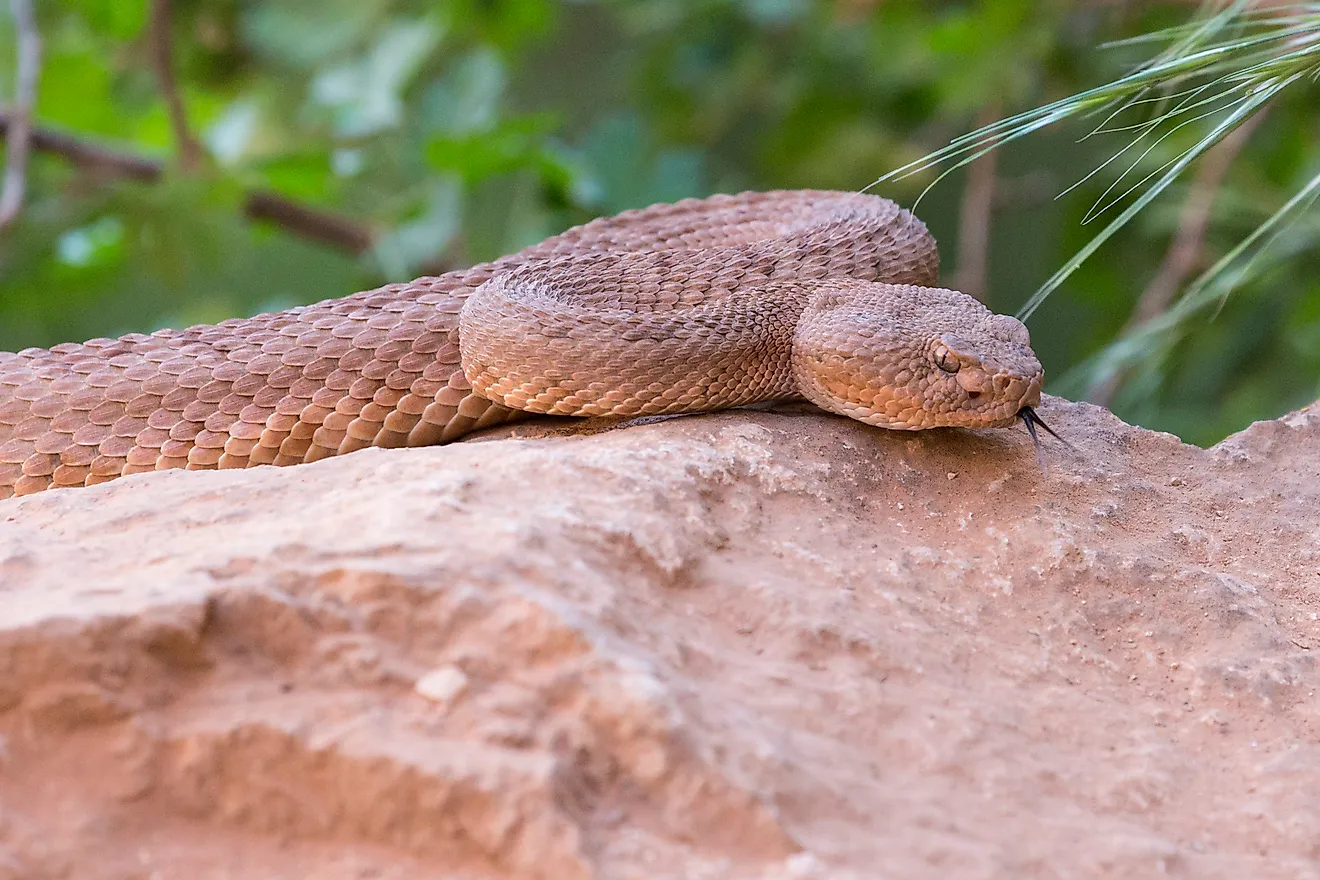
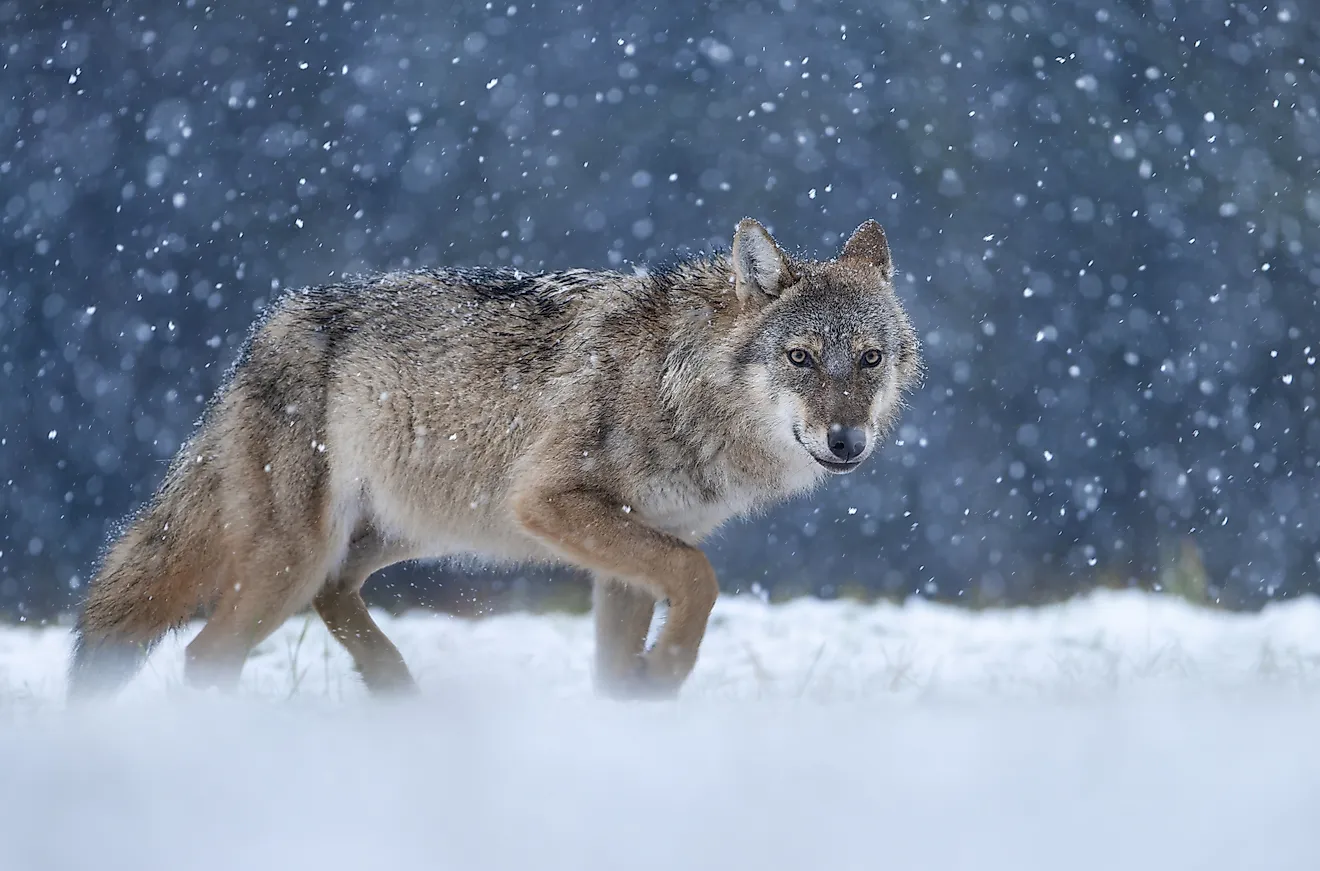
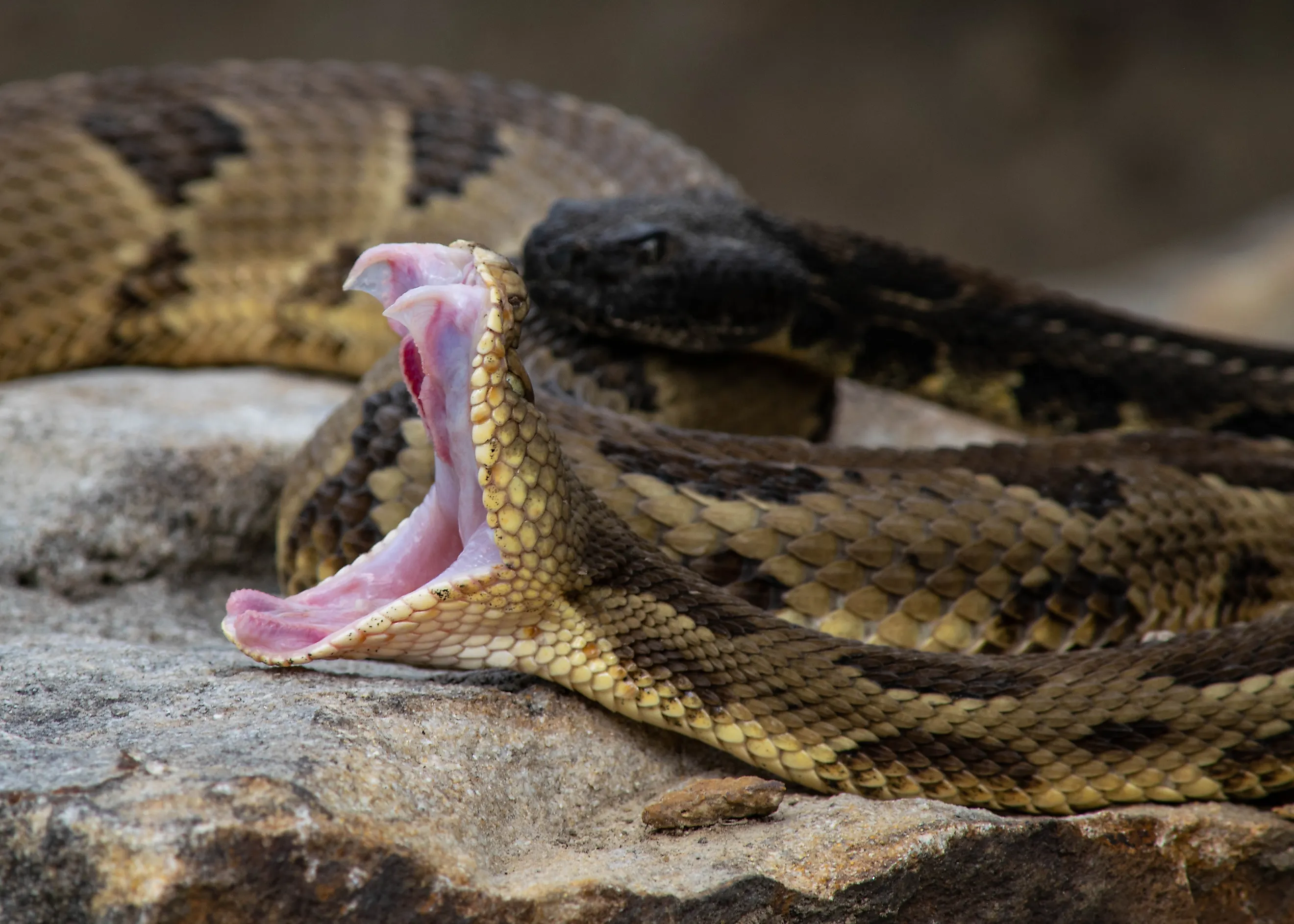
Historically, the timber rattlesnake was the only rattlesnake species native to Delaware. This large rattlesnake once occupied northern Delaware, particularly areas connected to the Appalachian foothills extending into neighboring Pennsylvania and Maryland. But by the mid-20th century, timber rattlesnakes had largely disappeared from Delaware. Habitat loss, forest clearing, road development, and deliberate killing of snakes caused the species to decline until it was considered extirpated (locally extinct) from the state. There are very few, if any, of these rattlesnakes left in the state.
Today, the Eastern Copperhead is the only venomous snake regularly found in Delaware. Several state parks and wildlife areas still preserve the same habitat features that once supported timber rattlesnakes, making these places useful for understanding the state’s ecological history. Plan your visit to these areas to responsibly observe Delaware’s current snake species.
White Clay Creek State Park

White Clay Creek State Park in northern New Castle County is known for its rocky stream valleys, wooded trails, and rolling hills. Visitors come for hiking, mountain biking, fishing, and scenic picnics along the creek.
The park’s south-facing slopes, exposed rock outcrops, and open hardwood forests resemble classic timber rattlesnake habitat across the northeastern United States. In regions where timber rattlesnakes still exist, these snakes often den in rock crevices along sun-warmed hillsides, emerging in spring to bask on nearby ledges.
Assawoman Wildlife Area

The Assawoman Bay and Wildlife Area in southeastern Delaware contains one of the state’s most distinctive landscapes: sandy soils, pine woodlands, scrub oak thickets, and open coastal fields.
These dry, well-drained environments are important for reptiles because they warm quickly in sunlight. In states where timber rattlesnakes still occur, similar sandy uplands provide basking sites and hunting areas near rodent burrows. Today, snakes most likely to be seen here include the Eastern Copperhead, especially along brushy field edges, sandy trails, and the borders between pine forest and open ground. These transitional areas attract small mammals and lizards, which copperheads prey upon.
Brandywine Creek State Park

Brandywine Creek State Park is recognized for its panoramic vistas of the Brandywine Valley, as well as its undulating meadows, wooded regions, and woody stream corridors. The variety of sunny and shaded spots makes it easy for reptiles to migrate between basking, hunting, and refuge areas. In areas of the Mid-Atlantic where timber rattlesnakes are still plentiful, they usually hunt near forest edges with abundant rodents and on rocky slopes overlooking river valleys.
The snake species most likely to use these habitats in Delaware now is the Eastern Copperhead. They frequently rest under leaf litter near fallen branches at the edges of meadows, under flat boulders, or along woodland trails.
Trap Pond State Park

One of the northernmost natural stands of bald cypress in North America is preserved at Trap Pond State Park. The park is well-known for camping, wildlife photography, hiking along boardwalks, and kayaking through cypress swamps.
The middle of the swamp is usually too wet for rattlesnakes, but the higher, drier forest edges around it provide suitable snake habitat. These slightly higher habitats remain dry during seasonal flooding, yet offer access to prey. On upland ridges along marsh edges, especially near sunny trail margins where frogs, mice, and other prey species gather, you can expect to see nonvenomous snakes such as the Northern water snake, Eastern garter snake, and Eastern hognose snake.
Bombay Hook National Wildlife Refuge

Bombay Hook National Wildlife Refuge is best known for its vast tidal marshes and spectacular bird migrations. Thousands of visitors come each year for birdwatching, wildlife photography, and scenic wildlife drives. While the refuge’s marshes dominate the landscape, the surrounding upland buffers, grassy berms, and wooded edges provide critical habitat for reptiles. Snakes generally avoid the flooded marsh interior, but the slightly elevated ground nearby offers dry shelter, basking spots, and access to small mammals.
Historically, these transitional landscapes, where upland forests meet wetland habitats, were suitable hunting grounds for timber rattlesnakes across parts of the Mid-Atlantic. Today, similar areas are more likely to support Eastern Copperheads and non-venomous snakes such as rat snakes and water snakes.
Snakes In Delaware
Although the timber rattlesnake is today believed to be extremely rare in Delaware, the habitats that once supported it are still preserved in certain protected areas. The most prevalent venomous snake in the state is still the Eastern Copperhead, which lives in many of the same forested and edge environments where rattlesnakes once resided.
Despite their negative reputation, these snakes play a vital ecological role by controlling rodent populations. The majority of encounters occur because hikers and wildlife observers share the same natural settings that snakes depend on.