5 Most Rattlesnake Infested Areas in Nebraska
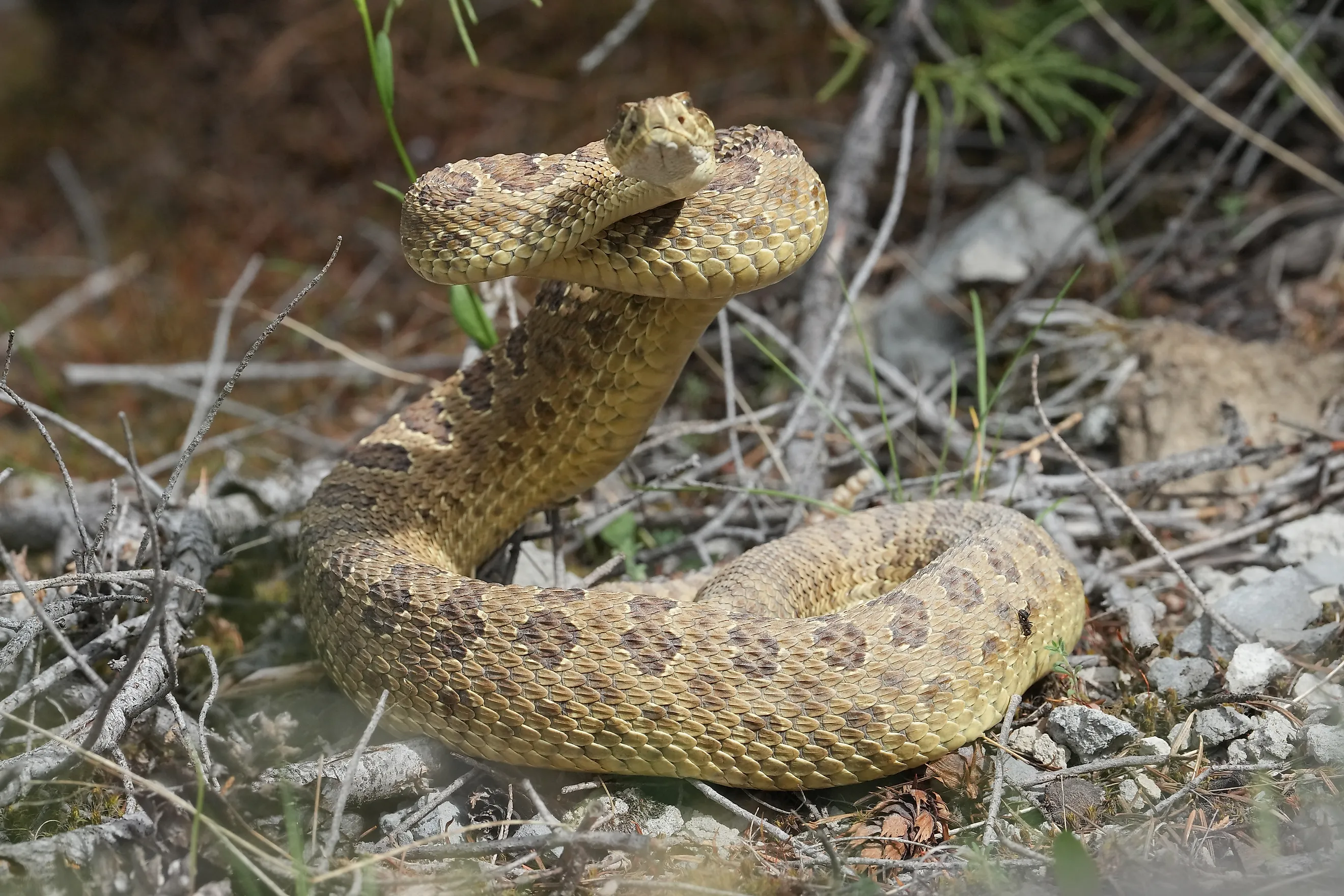
Nebraska isn’t usually a place we associate with deadly rattlesnakes. But this Midwest state is home to three venomous rattlesnake species: the prairie rattlesnake (Crotalus viridis), the timber rattlesnake (Crotalus horridus), and the western massasauga (Sistrurus tergeminus).
The prairie rattlesnake has the widest range, occurring across the state's western mixed-grass and shortgrass prairies; the timber rattlesnake is limited to the wooded bluffs of Nebraska's southeastern corner along the Missouri River; and the western massasauga is found in very small numbers in the wet tallgrass prairies and marshlands to the southeast. Whether you’re a hiker, a camper, or simply curious about where to be careful, these locations are where you’re most likely to encounter a rattlesnake in Nebraska.
Toadstool Geologic Park

Located in the northwestern corner of Nebraska, about 11 miles north of Crawford, Toadstool Geologic Park is within the Oglala National Grassland and is prime rattlesnake territory. Attracting visitors for its unique toadstool-like rock formations and its fossilized animal footprints, the summer heat sees prairie rattlesnakes move through the park in significant numbers.
For these venomous snakes, the park’s clay and sandstone formations are ideal hideouts, with the abundance of broken, sun-warmed rock and deep crevices providing ideal places to shelter and thermoregulate. Care is needed when hiking here, especially in cooler weather when prairie rattlesnakes venture onto exposed rock and asphalt to warm themselves.
Fort Robinson State Park

One of Nebraska's largest state parks, Fort Robinson State Park, was established in the Pine Ridge region of northwest Nebraska, just two miles west of modern-day Crawford. Years of human history, however, don’t seem to matter to the park’s slithery residents, with regular sightings along the hiking and biking trails that cut through open meadows, ponderosa pine forest, and rocky buttes, all of which are prime prairie rattlesnake habitats.
Most sightings take place along the Wagon Wheel and Lovers Leap Trail, a nearly three-mile out-and-back route with just over 650 feet of elevation gain. Along the way, it passes ponderosa pines and rocky outcrops where rattlesnakes sun themselves, particularly in spring and early fall. Visitors should stick to designated paths, as the combination of dense grass, rocky ledges, and prairie dog colonies is ideal habitat for prairie rattlesnakes.
Scotts Bluff National Monument

If you didn’t know better, you’d be forgiven for thinking that Scotts Bluff National Monument in Gering is as important a landmark for rattlesnakes as it is for humans. Standing 800 feet above the North Platte River in Nebraska's western panhandle, the monument covers some 3,000 acres of mixed-grass prairie. It encompasses the massive bluff formations that once guided 19th-century emigrants traveling westward.
Conditions are ideal here for prairie rattlesnakes to thrive. The prairie rattlesnake population is large enough here that park staff take their presence seriously. Sightings are most frequent on the Saddle Rock Trail's asphalt surface, where these cold-blooded creatures stretch out to absorb heat from the paved trail in the morning and again in the evening.
Encounters have even been reported near the maintained grass around the Visitor Center, where prairie dogs (a favorite rattlesnake food) are common. Signs warning of rattlesnakes are posted at the visitor center and along all trails.
Agate Fossil Beds National Monument

Just 22 miles south of Harrison, Agate Fossil Beds National Monument is another Nebraska Panhandle destination where visitors need to keep a sharp eye out for rattlesnakes. A remote site (the nearest gas station is over 30 miles away, and cell service is limited), it’s one of the most significant Miocene-era fossil sites on the planet, where paleontologists have uncovered complete skeletons of previously unknown mammals.
Prairie rattlesnakes are common throughout the park, so you’ll see plenty of warnings posted at trailheads and on trails. Rangers, too, can offer tips and tactics; you can also find them on the monument’s official website. Rattlesnakes here tend to hide in grass, under rocks, or in holes during hot weather, and even venture onto roads and trails to bask on cooler days, increasing the likelihood of encounters. And given the monument's remote location (the nearest hospital is an hour's drive), a snakebite can be more of a problem here.
Indian Cave State Park

Indian Cave State Park consists of just over 3,000 rugged acres along the Missouri River in the southeastern corner of Nebraska. It has a confirmed population of timber rattlesnakes, which are particularly fond of the Missouri River bluffs and the Indian Cave formation itself. Technically, a large sandstone overhang near the base of the bluffs, Indian Cave Park protects prehistoric Native American petroglyphs that can be viewed from an accessible boardwalk with seating, info displays, and a viewing deck.
And those snakes? Nebraska’s largest rattler, the timber rattlesnake, typically reaches 44 to 60 inches and is easy to recognize, with a tan or gold body, black V-shaped bands, and a distinctive reddish-brown dorsal stripe. Their numbers, however, are small and declining, leading to their being declared a threatened species. Snake warning signs are posted in the park, with signs cautioning hikers about timber rattlesnakes near the cave where they hibernate.
Staying Safe in Rattlesnake Country

While Nebraska is home to three rattlesnake species, the good news is that they tend to avoid humans. Most bites result from accidental contact or from attempts to handle or even kill a snake. But if you leave them alone and step carefully, the snake will typically try to get away, sometimes using its rattle to warn you to stay back. Pay attention to that message, and you'll likely be fine. In the rare case that you are bitten, most people recover well with prompt medical care. Just make sure whoever drives you to the hospital drives carefully: you're statistically far more likely to die from a car accident than a rattlesnake bite.