4 Rattlesnake Hotspots In North Carolina
You share trails in North Carolina’s forests and mountains with one of the most efficient ambush predators in North America, often without noticing it. NC stretches from high Appalachian ridges to the Atlantic Coastal Plain, with sharp shifts in elevation and vegetation across the state. Three rattlesnake species are here. The timber rattlesnake occupies mountain forests and rocky uplands. The eastern diamondback rattlesnake is found in the Coastal Plain, especially in sandhills and near marsh edges. The pygmy rattlesnake appears in southern lowlands and scrubby habitats. Many of these environments fall within protected lands that people hike and camp throughout the year. Knowing where rattlesnakes concentrate allows visitors to move through these areas with caution and awareness.
Great Smoky Mountains National Park

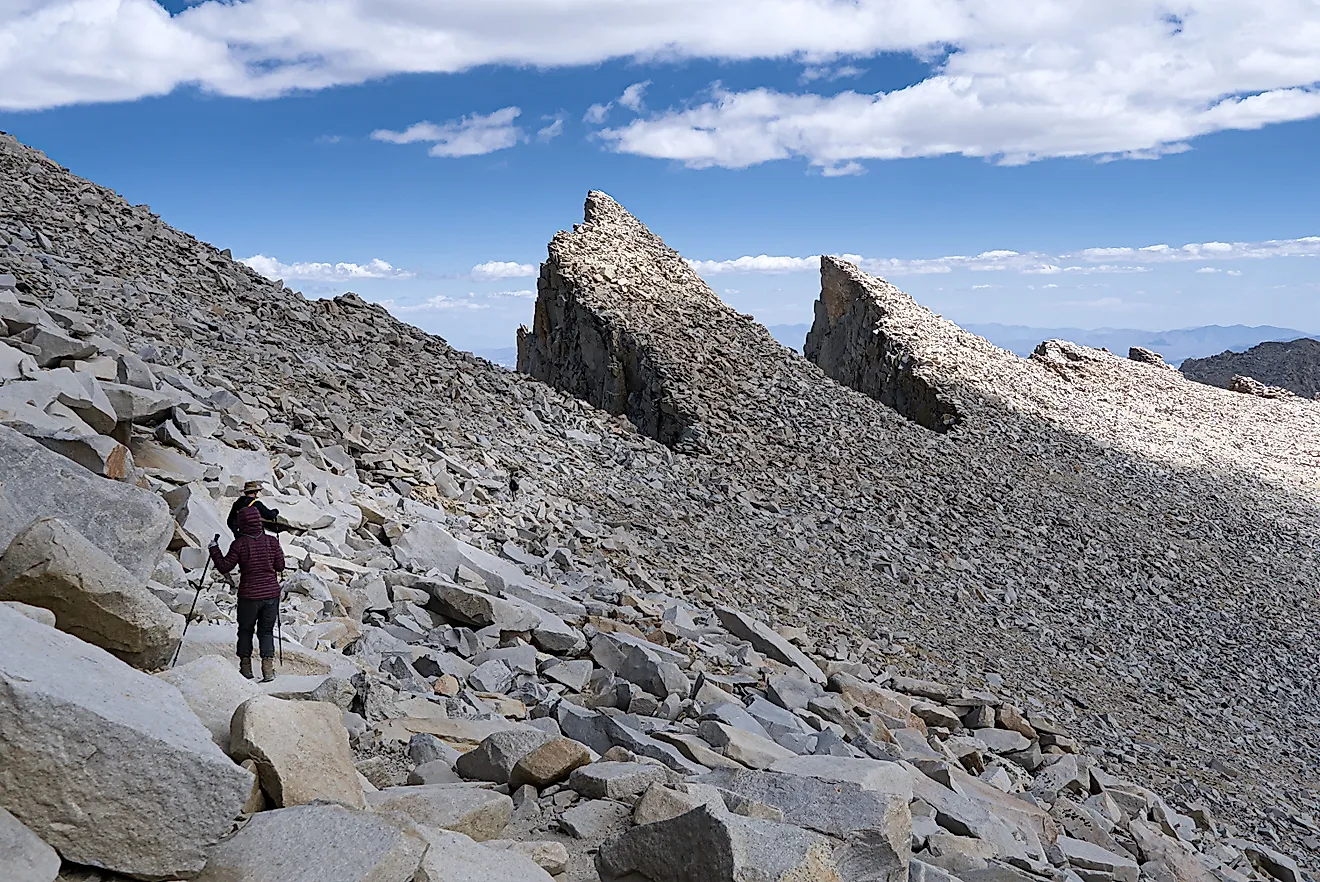
In North Carolina, rattlesnakes reach their highest elevations inside the Great Smoky Mountains National Park. The park’s mountainous terrain creates cool forest interiors broken by sunlit rock ledges that allow snakes to regulate body temperature. Timber rattlesnakes concentrate in these exposed areas, especially along ridges and slopes where rock absorbs warmth after cool nights. Surface activity increases from late April through October, with individuals occasionally visible on open trails or bare stone during morning hours. Reports also place snakes near old stone fences and historic foundations, where retained heat and cover occur together.

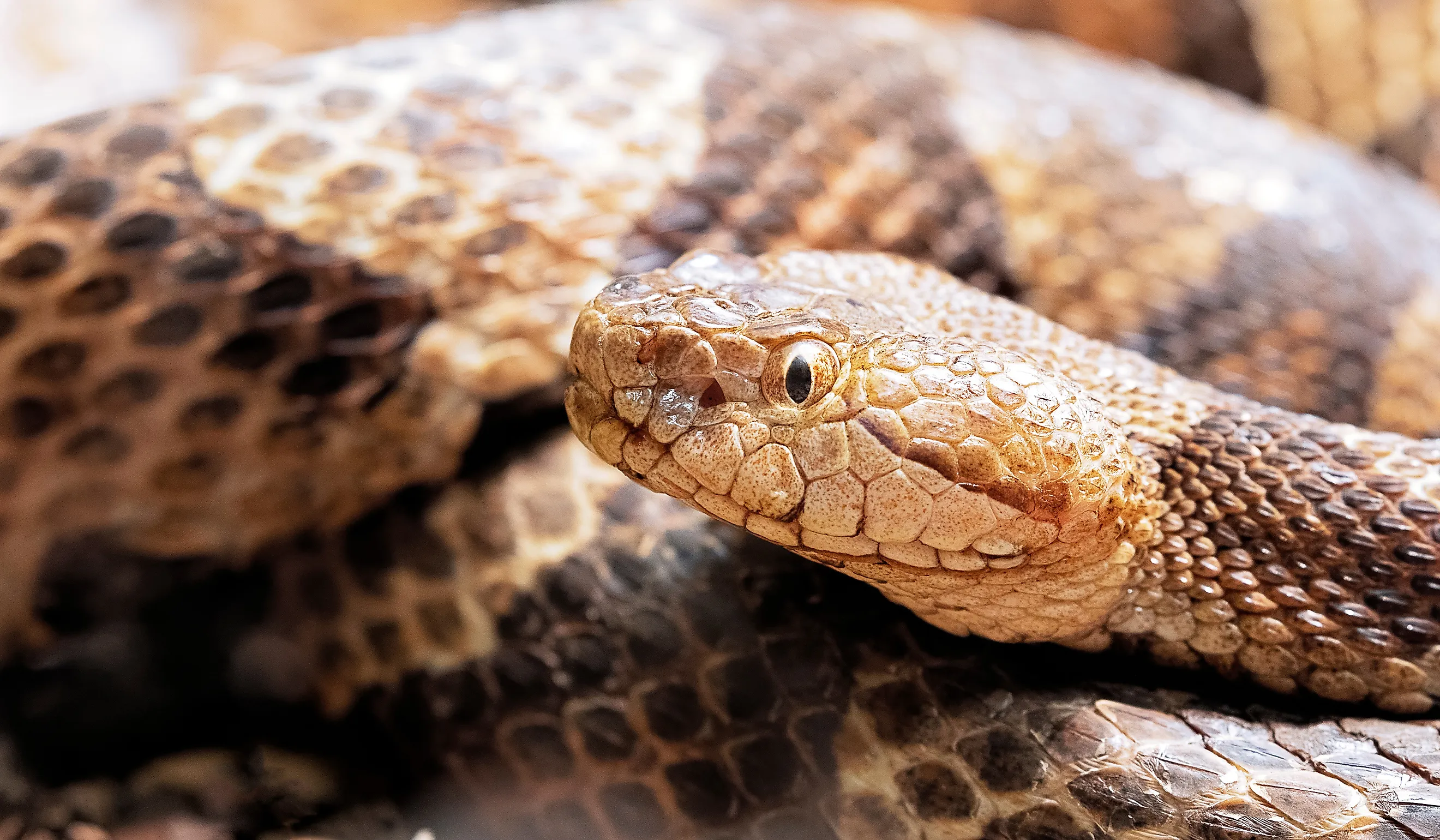
The timber rattlesnake is the only rattlesnake species found in the park. Other venomous snakes, including the Northern copperhead, are present but belong to a different group. Timber rattlesnakes are heavy-bodied and show wide color variation, ranging from yellow and brown to nearly black. Most display dark chevron-shaped bands across the back. They hunt rodents by ambush and typically attempt to avoid people. When disturbed, the rattle serves as a warning rather than a sign of aggression. During winter, individuals retreat into deep rock dens and remain inactive until temperatures rise.
Uwharrie National Forest

Rodent control plays a measurable role in how this landscape functions, and rattlesnakes are part of that process. In Uwharrie National Forest, a single healthy timber rattlesnake can reduce large numbers of rodents over time, which in turn lowers the presence of ticks carried by those animals. This ecological effect helps explain why management here emphasizes habitat stability rather than removal. The forest’s low, eroded hills expose bedrock across wide areas, allowing ground temperatures to rise quickly during warm months. These conditions support rattlesnakes in locations where exposed stone sits close to forest cover.

Rattlesnakes documented in the forest include the timber rattlesnake, with some evidence suggesting the smaller pygmy rattlesnake may also occur in suitable habitat. Timber rattlesnakes use rock ledges and wooded slopes while hunting by ambush. Activity is most common on sunlit ground and elevated terrain, especially from late spring through early fall. Because of their protected status in many states, it is illegal to harass or kill these snakes. Management in Uwharrie focuses on habitat restoration and public education to reduce persecution and limit negative encounters.
Pisgah National Forest

Encompassing more than 512,000 acres of the southern Appalachian Mountains, this forest was among the first national forests established in the eastern United States. Early protection preserved steep terrain and extensive rock exposure that continues to support stable wildlife populations. Timber rattlesnakes benefit from this setting in areas where sunlight reaches stone surfaces after cool nights. Activity concentrates in specific locations rather than across the forest as a whole. Reports are most frequent near creeks and low-lying corridors such as the Pink Beds area, where prey remains available through warmer months. Additional activity is documented around Upper Black Mountain, Pilot Rock, and the Bennett Gap area, where exposed stone provides suitable conditions. Surface movement increases from late April through summer, with snakes occasionally visible on bare trails or open rock during morning hours.

The venomous timber rattlesnake (Crotalus horridus) is the primary rattlesnake species documented here. Individuals are usually solitary and rely on ambush hunting near forest edges and rock-lined corridors. Coloration ranges from brown to dark gray or black, with chevron-shaped bands along the back. This species typically avoids people and attempts to retreat when approached. The rattle functions as a warning signal rather than a sign of aggression. Bites have occurred, which is why hikers and mountain bikers are advised to watch footing near exposed stone and narrow trail sections.
Croatan National Forest

Low elevation and constant moisture define Croatan National Forest. It represents a rare habitat within the state because it is one of the few areas where three rattlesnake species may occur within the same landscape. Its position along the Coastal Plain places it at the intersection of wet and dry systems shaped by low elevation and persistent moisture. Pine flatwoods, pocosin wetlands, and swamp edges create warm ground conditions for much of the year while maintaining steady prey availability. These transitional environments allow rattlesnakes to occupy specific zones where cover and hunting conditions remain stable. Activity here begins earlier in the year than in mountain regions and often extends from late March through October.

The forest supports the eastern diamondback rattlesnake, the timber rattlesnake, and the Carolina pygmy rattlesnake. Eastern diamondbacks occupy sandy ground and longleaf pine flatwoods, with the nearby population on Marine Corps Base Camp Lejeune considered the only viable population of the species in the state. Timber rattlesnakes, locally known as canebrakes, occur in forested sections and are identified by dark V-shaped crossbands and a lighter stripe along the back. The Carolina pygmy rattlesnake is much smaller and rarely noticed due to its camouflage. It favors pine flatwoods, scrub oak, and areas near swamps or lakes, where it feeds on small reptiles, amphibians, and rodents. All three species are generally reclusive. Their rattle serves as a warning signal rather than an aggressive display.
Feared, Protected, and Ecologically Important
In North Carolina, you will encounter three main rattlesnake species: the timber rattlesnake, the eastern diamondback rattlesnake, and the Carolina pygmy rattlesnake. These rattlesnakes are protected and play a measurable role in regulating rodent populations. In Great Smoky Mountains National Park, timber rattlesnakes occupy higher elevations where rock surfaces warm during the day beneath forest cover. That same species extends into Pisgah National Forest, where protected terrain and exposed stone allow repeated seasonal use. Farther east, Uwharrie National Forest shows how lower, older hills still meet the species’ requirements. Along the coast, Croatan National Forest is unique for supporting all three species through pine flatwoods and wetland edges.