4 Rattlesnake Hotspots In Illinois
Rattlesnakes live in Illinois, but most people will never see one. They keep to themselves, avoid noise and movement, and spend most of their time hiding in places people don’t go very often. When sightings do happen, it’s usually in quieter, less developed parts of the state, and those who encounter them are typically hikers, hunters, and campers going onto rattlesnake turf, not people keeping to themselves in their own yards.
If you do want to find a rattlesnake in Illinois, you have to think like a snake: where is food, water, and shelter reliably available far away from people? That means some of the best places to find snakes are state parks. In Illinois, that comes down to a handful of sites. And these four are the best of the best for spotting rattlesnakes.
Rattlesnake Habitats in Illinois

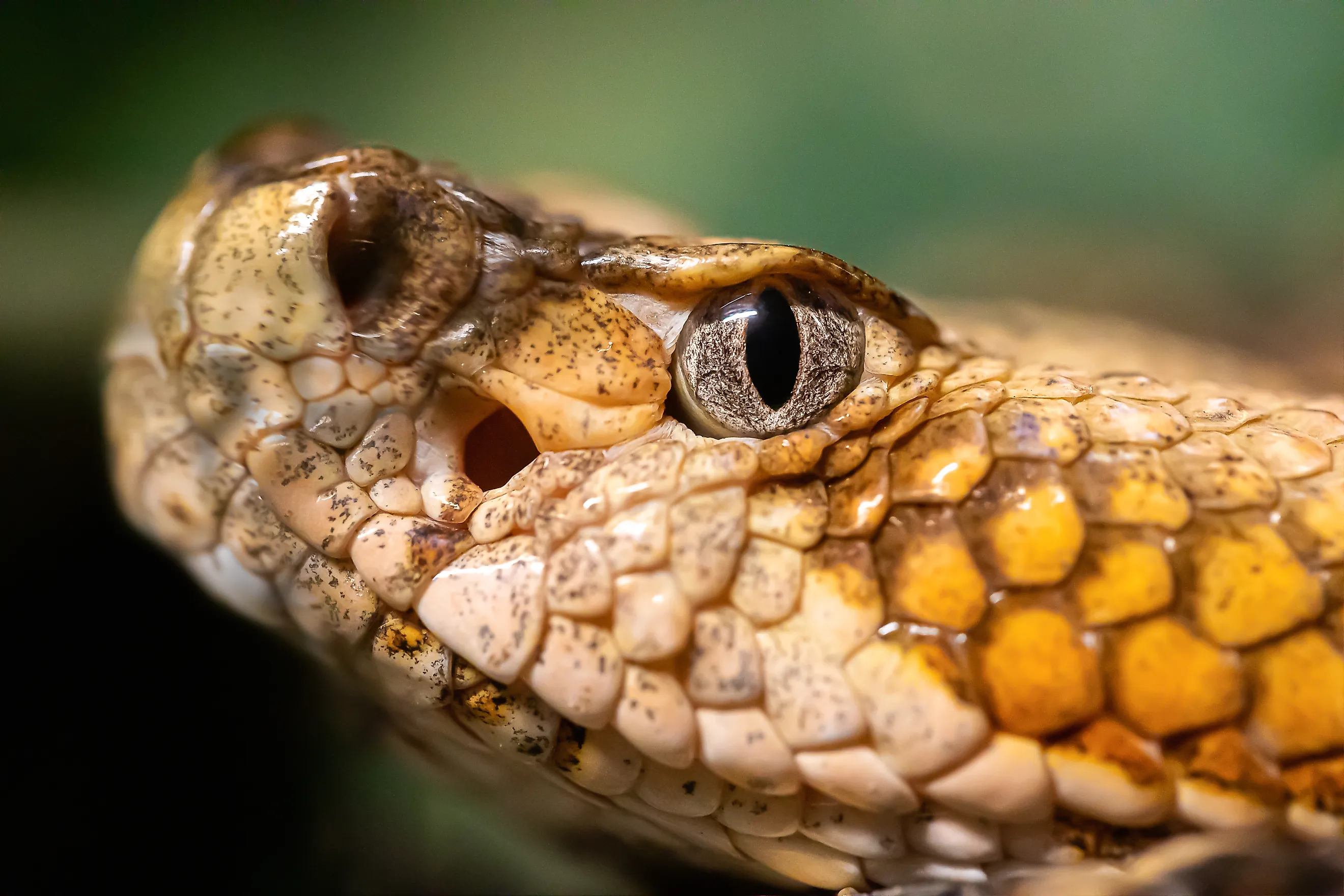
Large protected parks often preserve the kinds of natural landscapes rattlesnakes rely on, including forests, rocky bluffs, and wetlands. Because development and agriculture have eliminated much of Illinois’ original natural habitats, remaining rattlesnake populations are frequently found in preserved public lands. For example, timber rattlesnakes tend to inhabit forested hillsides and bluffs with minimal disturbance, conditions often maintained in state parks and natural areas. Illinois has only two native rattlesnake species. The timber rattlesnake is listed as state-threatened, and the eastern massasauga is federally threatened and state-endangered. They are highly localized, so encountering them for the average person will be rare. These protected landscapes are the most likely places to find them because they provide shelter and hunting grounds for rodents and other prey.
Shawnee National Forest

The Shawnee National Forest in southern Illinois is one of the state's best habitats for rattlesnakes, and among your best chances for encountering these creatures. The Shawnee Hills region, which includes hardwood forests, steep hills, and rugged terrain, is where the forest is situated. The timber rattlesnake searches out wooded habitats, rock outcrops, and steep forested slopes to find a den to overwinter. The forest's cliffs, slopes, and forest-prairie transition zones make the LaRue-Pine Hills region and the nearby Clear Springs Wilderness notable.
LaRue‑Pine Hills Natural Area

The LaRue-Pine Hills Natural Area, widely known as the “Snake Road” corridor, lies between the Mississippi River floodplain and towering limestone cliffs, creating a narrow seasonal migration route. The LaRue-Pine Hills region of southern Illinois is especially significant because timber rattlesnakes prefer mature hardwood forests with rocky outcrops and steep slopes. They overwinter in deep limestone fissures along south-facing bluffs.
The rugged terrain of oak-hickory forests and adjacent cypress-tupelo wetlands supports a variety of snakes, including timber rattlesnakes, which den in the cliffs and hunt rodents and amphibians in the bottomlands. They move between these seasonal habitats every spring and fall, which causes Forest Service Road 345 (Snake Road) to be temporarily closed to reduce road fatalities during peak migration.
Crab Orchard National Wildlife Refuge

Located near Carbondale, Illinois, Crab Orchard National Wildlife Refuge protects more than 40,000 acres of wetlands, forests, and grasslands. This diverse landscape, including swamps, marsh edges, prairies, and open woodlands, provides suitable habitat for venomous and non-venomous snakes in the region. Wet prairie ecosystems within the refuge have historically been associated with the Eastern Massasauga, a small rattlesnake that prefers marshy grasslands and floodplains. However, populations in this area are limited and not consistently documented in recent data. Sometimes called a “swamp rattler,” the massasauga relies on wetlands and nearby grassy uplands for hunting and shelter.
Mississippi Palisades State Park

Mississippi Palisades State Park is situated along the upper Mississippi River in northwestern Illinois. It is full of south- and west- facing cliffs, ravines, and talus slopes that are forested and overlook the river. So for rattlesnakes, it's an area with plenty of prospective dens and food and water sources. It's a particularly good environment for timber rattlesnakes.
In this region, rattlesnakes overwinter in rock crevices, then disperse into adjacent oak-hickory forests, prairie openings, and river-edge habitats during warmer months to hunt small mammals and amphibians. Although populations have declined elsewhere in the state due to habitat loss and persecution, the Mississippi River valley’s intact mosaic of cliffs, wooded slopes, and grasslands has supported timber rattlesnake populations in Illinois, though surveys show the population is now low.
Be Mindful

These habitats are found in protected areas such as national forests, state parks, wildlife refuges, and conservation areas, where development is limited, and ecosystems are mostly intact. Although rattlesnakes are generally uncommon and localized in Illinois, hikers and outdoor enthusiasts should be mindful of their surroundings. By providing ample space and following marked routes, visitors and snakes alike can be kept safe. By preserving these habitats and encouraging responsible outdoor recreation, Illinois can maintain its remaining rattlesnake populations while allowing its residents to safely enjoy some of the state's most stunning natural areas.