Why Is Biodiversity Critical To Life On Earth?
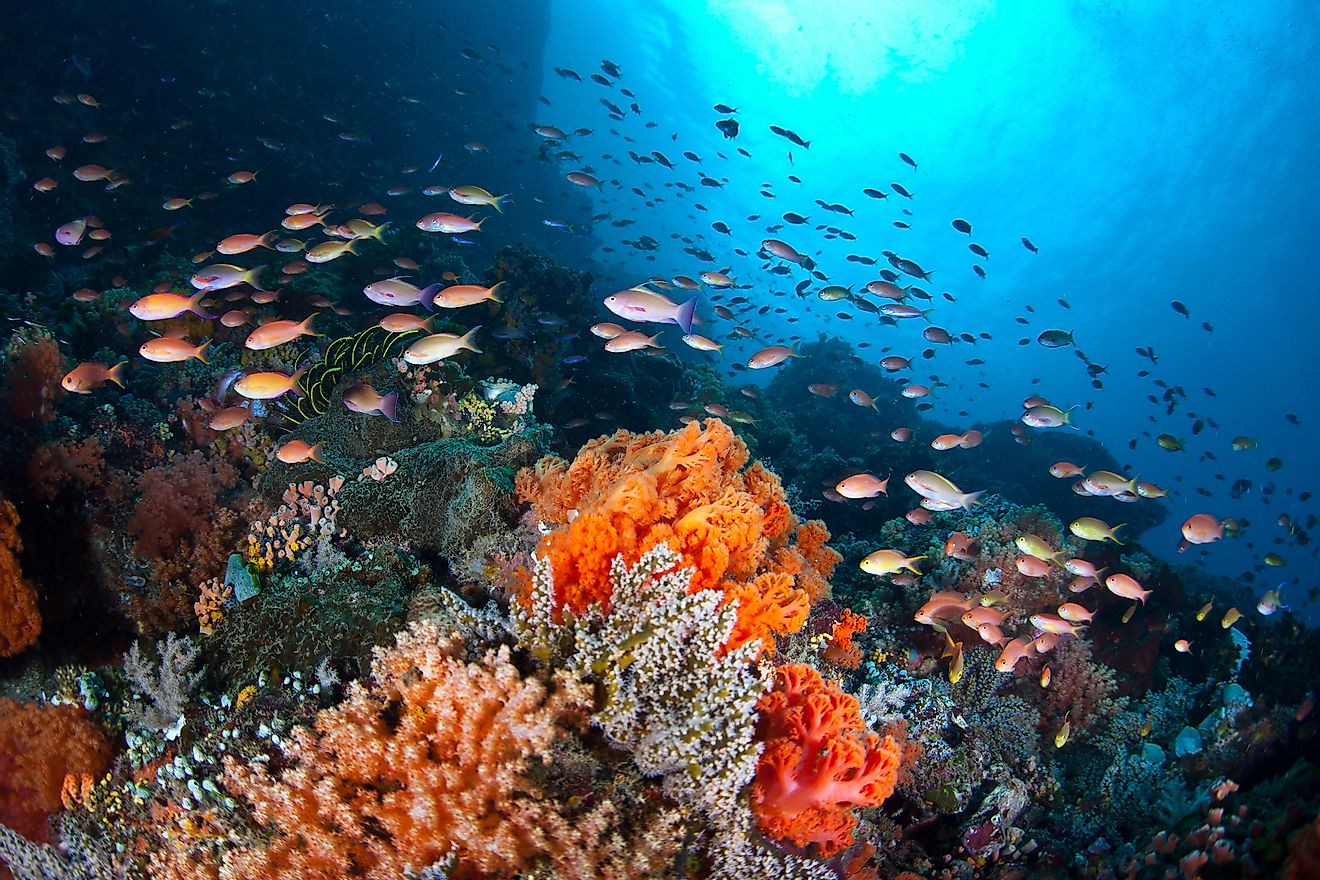
Biodiversity is the full range of living things in a given place. That covers every plant, animal, fungus, and microbe, plus the genetic variation that exists within each species. An area packed with many species is biologically diverse. An area dominated by a small number is not. The term most often shows up at the scale of an ecosystem, a biome, or the whole planet, and it matters at every one of those scales.
Why Biodiversity Matters
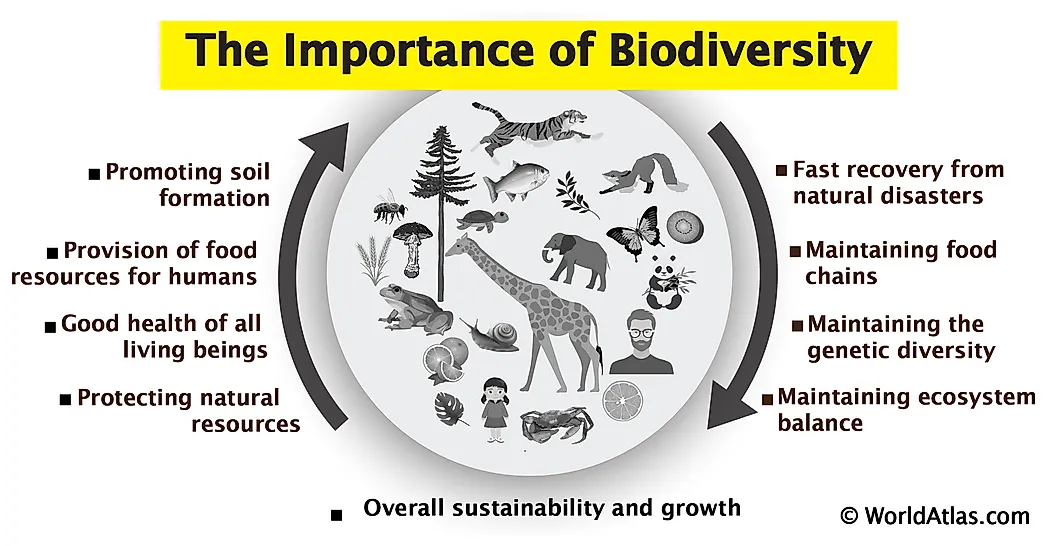
Ecosystems work as connected systems, not as isolated parts. Every species fills a role: prey, predator, pollinator, decomposer, soil builder. When a system has many species filling many roles, it has built-in redundancy. If one species declines, others can sometimes pick up the slack. If a disease sweeps through, it usually only takes out a few species rather than wiping the whole place clean. That redundancy is what people mean when they say biodiverse systems are stable.
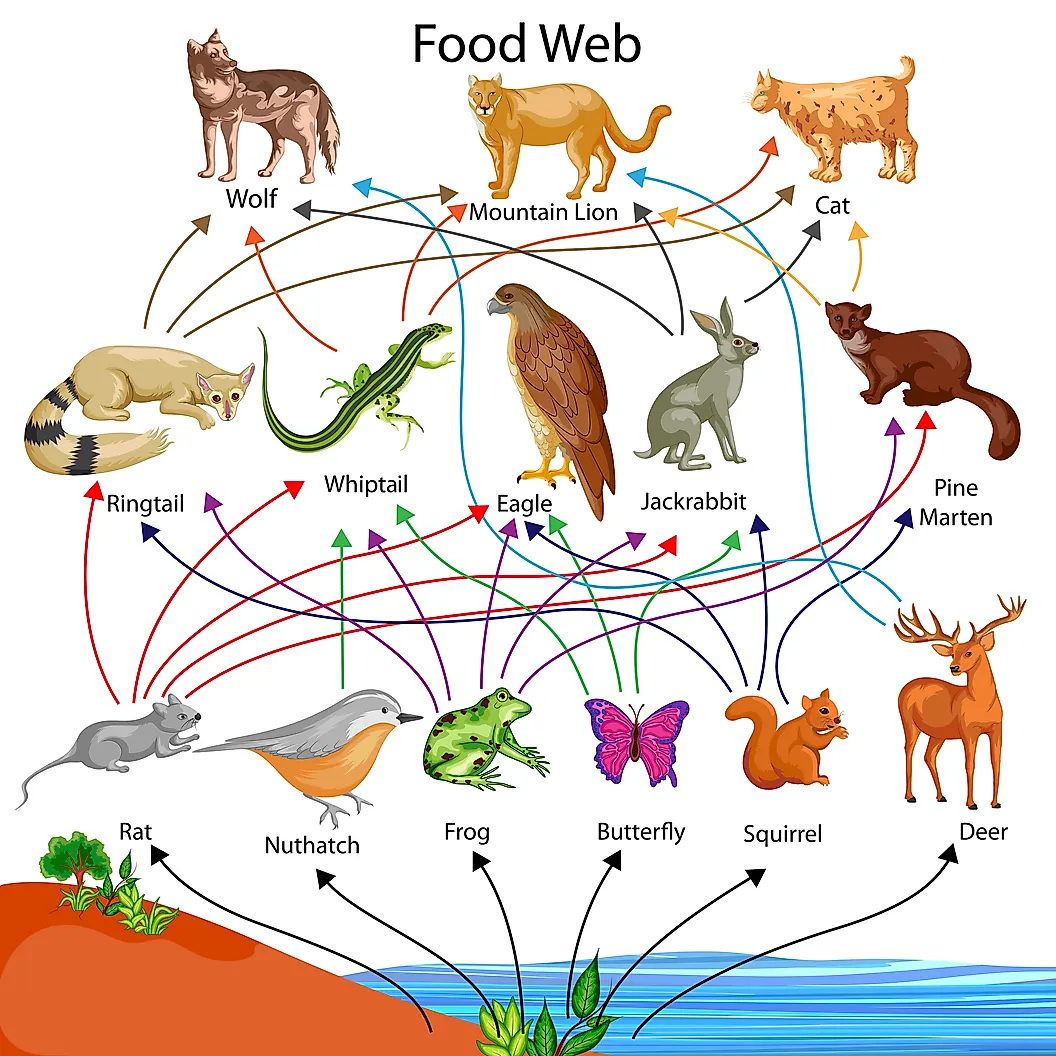
Strip out enough species and the system loses that buffer. An invasive plant, a sudden overharvest, a drought, or a new pathogen can cascade through a thinned ecosystem and reshape it permanently. Once the food web breaks in too many places, it generally cannot reassemble itself.
The same logic applies to food systems. Industrial agriculture has narrowed the genetic base of most major crops and livestock to a small set of high-yield varieties and breeds. Roughly 95 percent of internationally traded bananas come from a single cultivated variety, the Cavendish. The FAO has warned that the global cattle population may end up dominated by fewer than 20 main breeds within a single human generation. When the genetic base of a food source gets that thin, one disease can rewrite the supply.

Bananas are the cleanest example of the risk. The Cavendish replaced an earlier dominant variety, the Gros Michel, in the 1950s after a soil-borne fungus called Panama disease wiped Gros Michel plantations out across the Americas. A new strain of the same fungus, Tropical Race 4, has been spreading through Cavendish plantations across Asia, Africa, and South America since the 1990s. There is no chemical cure, the spores survive in soil for decades, and the global Cavendish supply is now considered to be at serious long-term risk.
Biodiversity is also where a surprising amount of modern medicine starts. Penicillin came from a mold. Taxol, a major chemotherapy drug, was first extracted from the bark of the Pacific yew. The original statins came from fungi. Drug discovery still leans heavily on screening wild plants, fungi, marine invertebrates, and microbes for active compounds. Every species lost is a potential medical compound lost with it.
Threats To Biodiversity
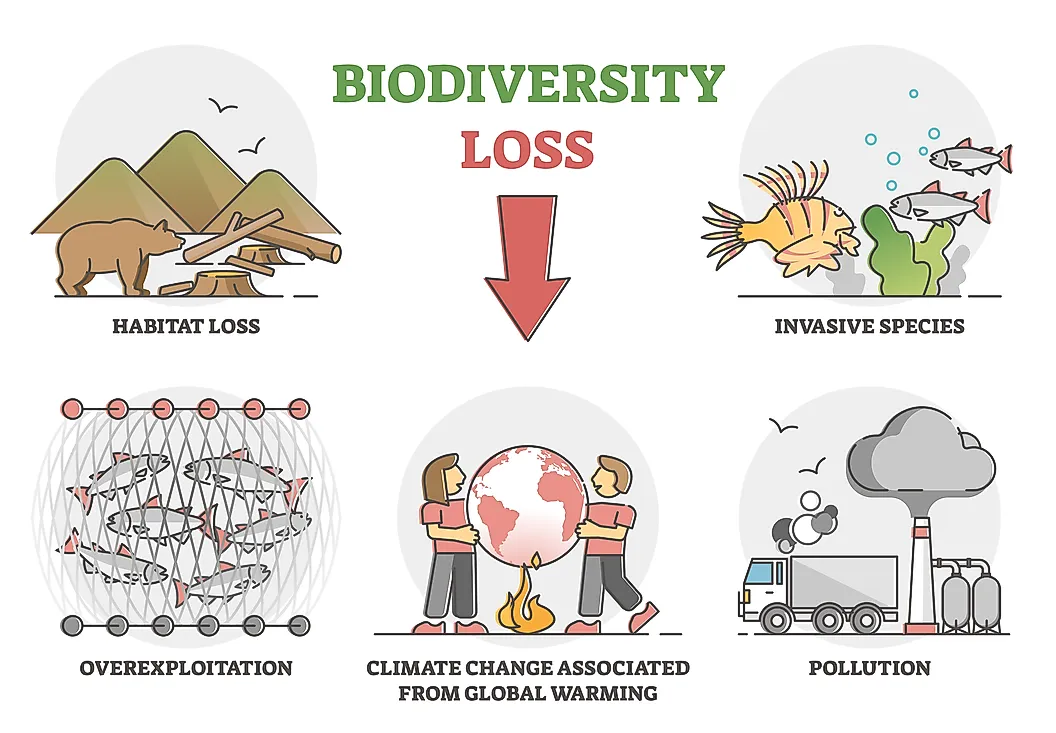
Biodiversity is in steep decline. The IUCN, WWF, and other major conservation bodies estimate that species are going extinct at a rate roughly 1,000 times the natural background rate, the rate that prevailed before humans showed up, and possibly higher. That puts the planet within range of what paleontologists call a mass extinction event. Whether the current crisis qualifies as the sixth mass extinction is still debated, but the rate of loss itself is not seriously disputed.
The drivers are almost entirely human. Habitat loss leads the list, and most of that comes from agriculture, logging, and urban expansion. Other major contributors include the legal and illegal wildlife trade, hunting and poaching, dam building and wetland draining, and pollution.
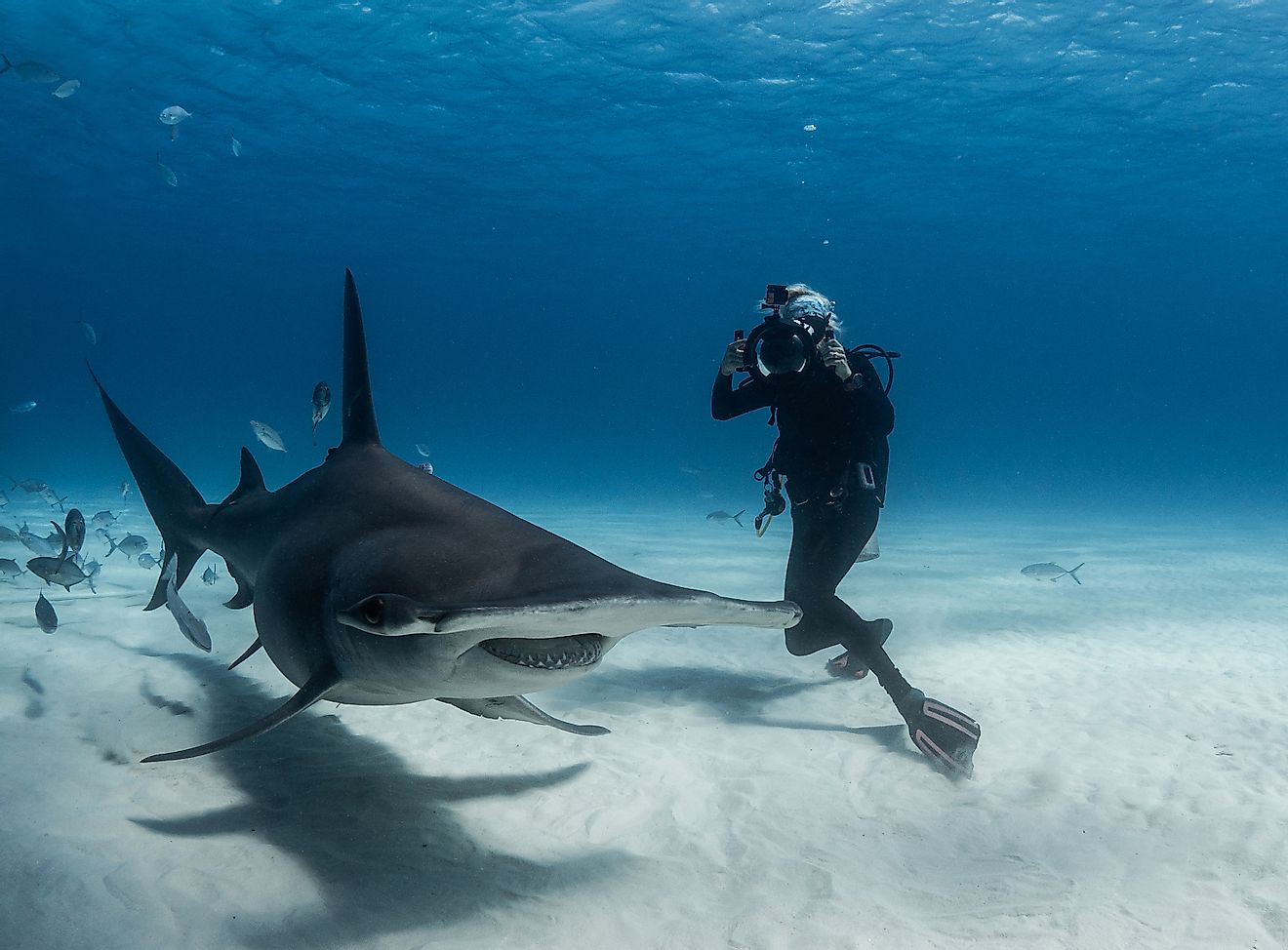
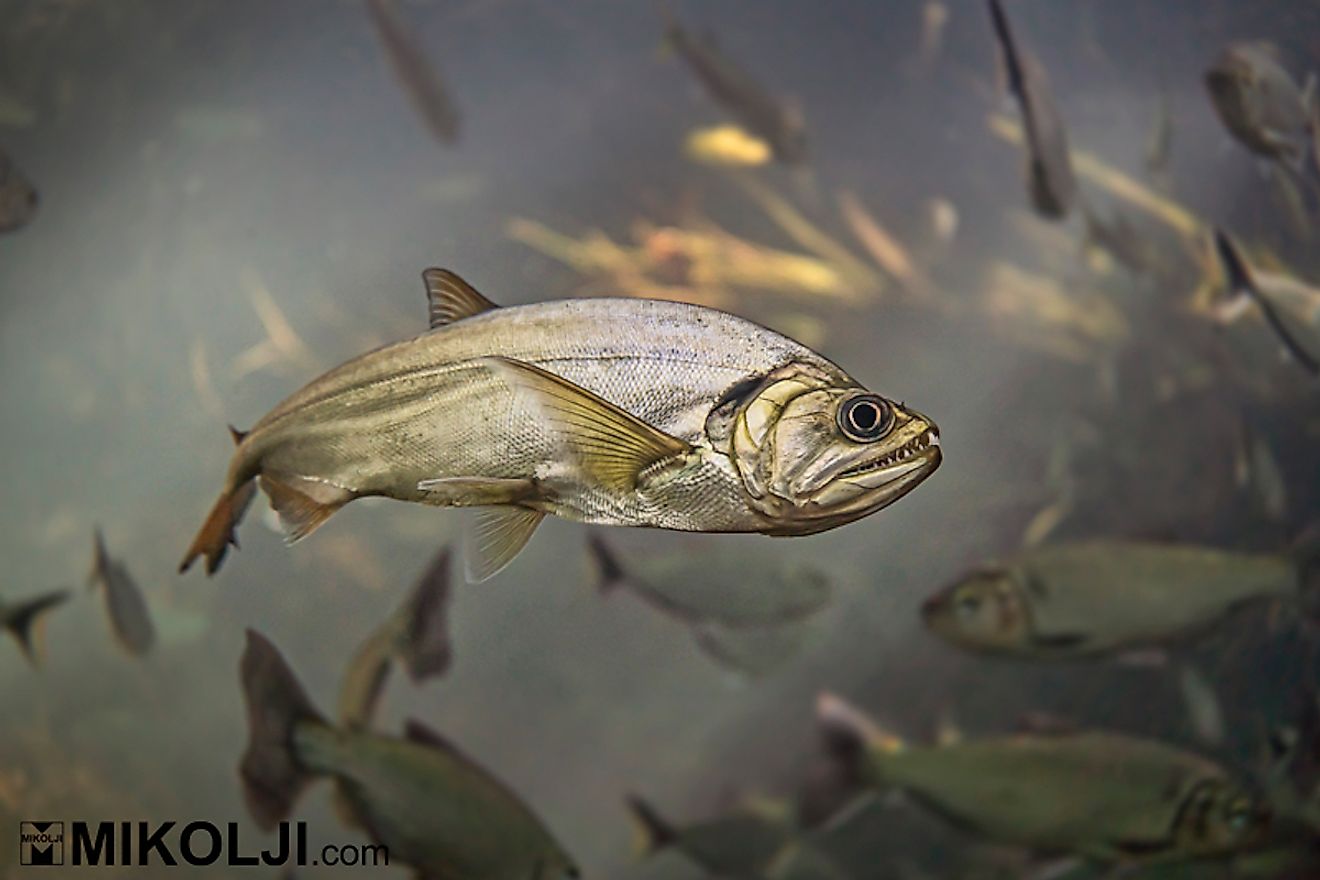
Industrial fishing is one of the most serious offenders for marine biodiversity. Overfishing has driven major commercial species like Atlantic cod, bluefin tuna, and several salmon stocks into long-term decline. Bycatch, the accidental capture of non-target species, compounds the damage. An estimated 300,000 whales, dolphins, and porpoises are killed in fishing gear every year, and that gear is now considered the single biggest direct threat to cetaceans worldwide. Sea turtles, sharks, and seabirds also turn up in fishing bycatch in alarming numbers.
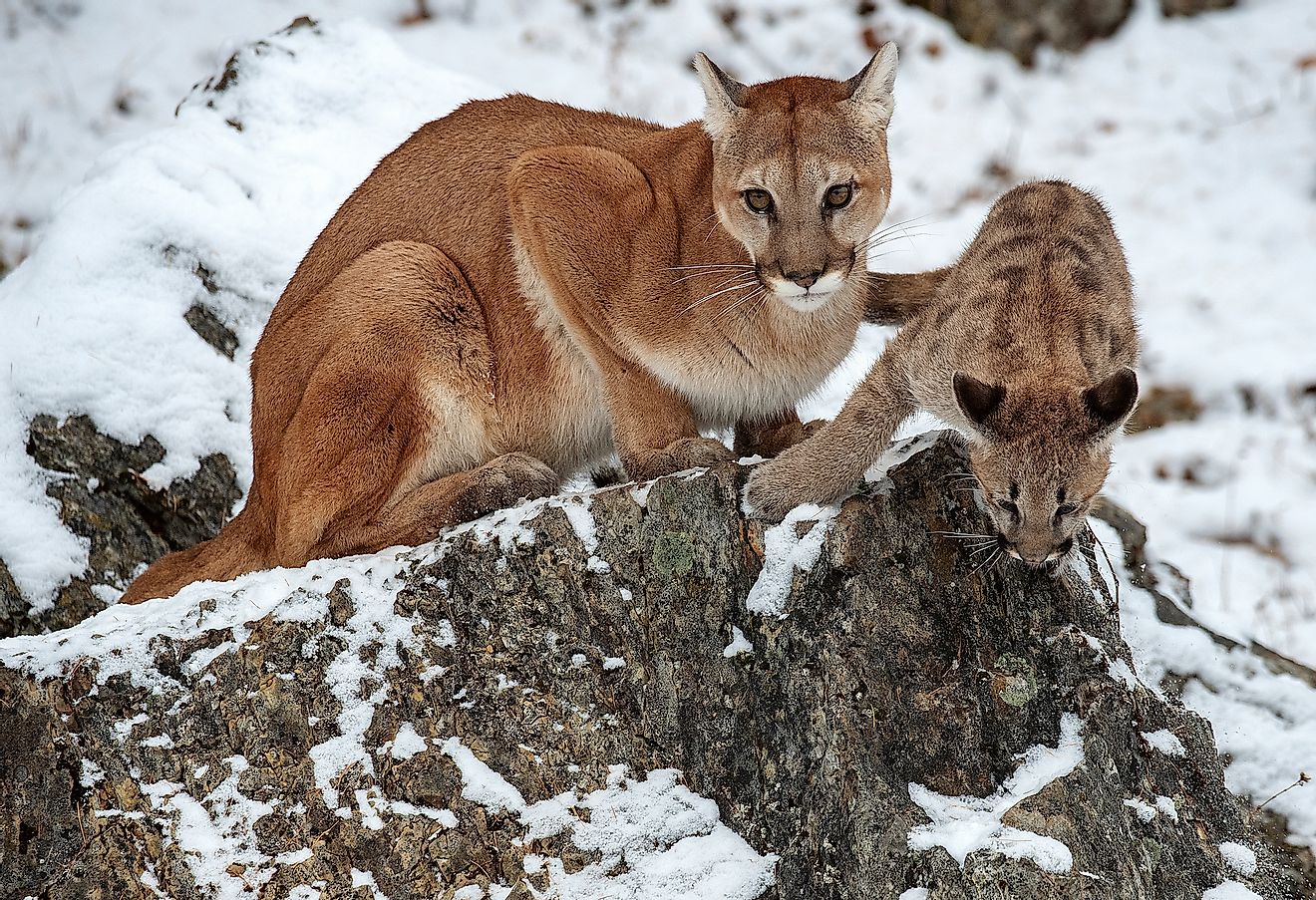
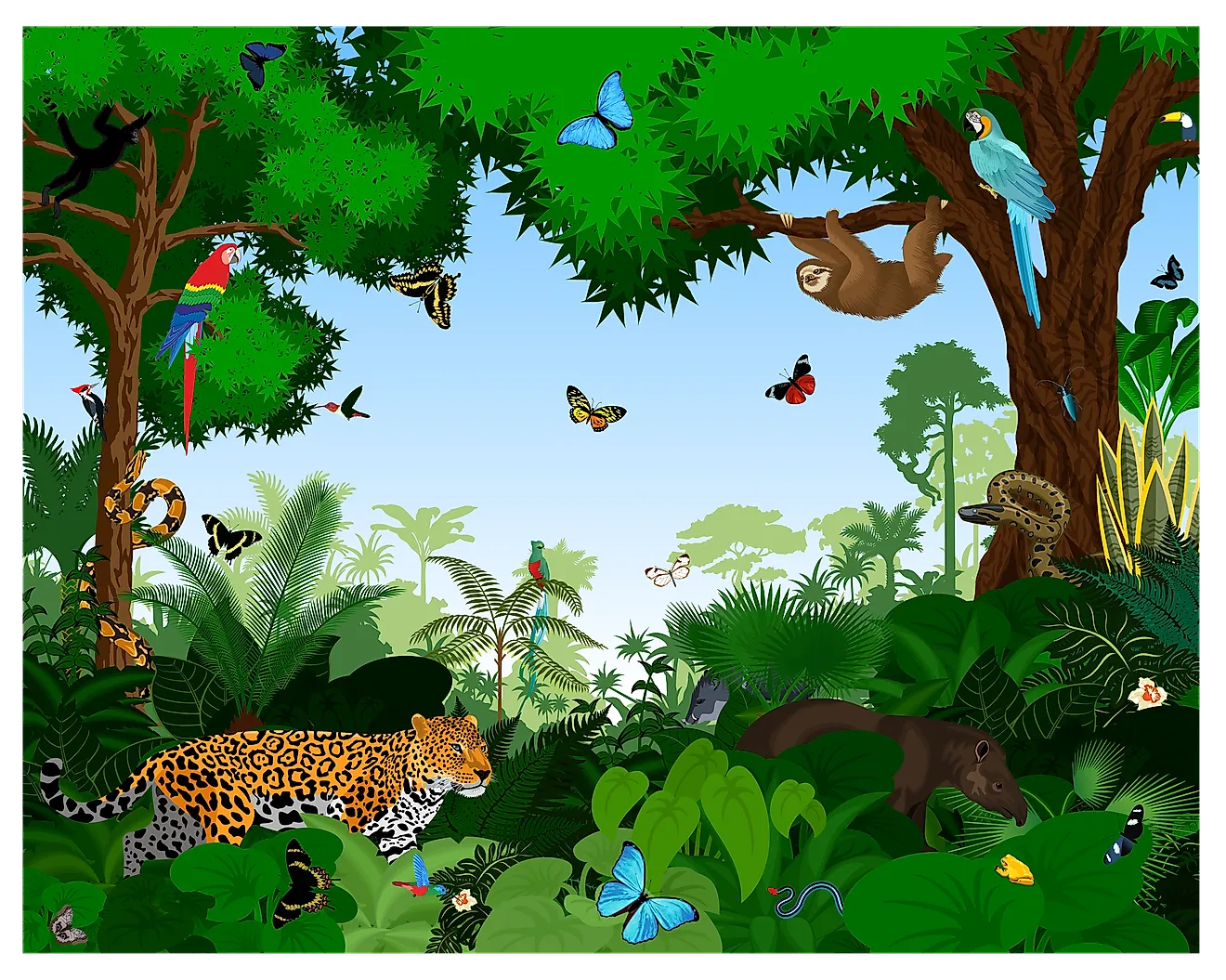
Deforestation is the equivalent on land. When a forest gets clear-cut, the canopy goes first, then the understory plants that needed shade, then the animals that depended on either layer. The damage cascades. A jaguar that needs a closed canopy cannot hunt in a clear-cut. The frogs that need leaf litter on the forest floor cannot live without it. Pollinators that relied on specific flowering trees disappear when those trees go. Logging a forest does not just take the trees.
Conservation Efforts

Slowing biodiversity loss does not require new science. The actions are mostly known. They just have to be implemented at scale.
For fisheries, that means catch limits based on actual stock data, gear modifications that reduce bycatch (turtle excluder devices, acoustic pingers on gillnets, circle hooks on longlines), real enforcement against illegal fishing, and protected marine reserves where commercial gear cannot operate. Several stocks have rebounded after these measures were applied seriously, including some Pacific groundfish and parts of the North Atlantic herring fishery.
For forests, the alternatives to clear-cutting are well established. Selective logging removes specific trees while leaving the canopy structure mostly intact. Sustainable forestry certification programs like FSC tie logging to replanting and habitat protection. Agroforestry combines crops with tree cover. Indigenous-managed lands consistently retain higher forest cover and biodiversity than comparable lands under industrial management. Traditional slash-and-burn can also be sustainable in low-density populations with long fallow cycles, though scaled up it becomes a major deforestation driver.
For agriculture, the priority is genetic diversity. Seed banks like the Svalbard Global Seed Vault preserve crop varieties that have already disappeared from active farming. The FAO's animal genetic resources programme tracks and protects rare livestock breeds. Encouraging farmers to grow more than one variety of a crop, or to keep heritage breeds alongside commercial ones, builds resilience back into the food system.
The underlying point is the same across all of these. Each species, ecosystem, and habitat connects to the next. Pulling threads out one at a time eventually unravels the whole fabric, and keeping the threads in place is cheaper, simpler, and more reliable than trying to patch the fabric back together later.