9 Most Neighborly Towns In Ohio
Ohio has no shortage of friendly places, but some towns make everyday life feel especially shared. The most neighborly towns in Ohio tend to take shape around a few dependable spaces: parks that host the same annual events, downtown blocks where businesses stay put year after year, and cultural venues that run on regular schedules.
In Hudson, more than a thousand acres of parkland anchor civic life. Chagrin Falls centers its activity around its waterfall and riverfront park, used year-round. Yellow Springs brings trails, markets, and campus spaces into daily routines. These communities aren’t defined by slogans or attractions alone, but by how often people return to the same places and see the same faces. The nine towns below show how that kind of neighborliness plays out in Ohio’s smaller communities.
Yellow Springs

Yellow Springs has about 3,700 residents and a walkable center where the same locations are used year-round by locals. Glen Helen Nature Preserve covers roughly 1,125 acres of woods, streams, and limestone terrain directly bordering the village. The preserve maintains more than 15 miles of public trails, including paths that follow Yellow Springs Creek past limestone outcrops and the natural spring that gave the town its name. The land also contains a section of the National Scenic Little Miami River. Trails are used year-round for walking, birding, and school programs, with upkeep supported by staff and local volunteers.

Antioch College adds shared civic space to Yellow Springs beyond its academic role. The Olive Kettering Library holds more than 325,000 volumes and Antioch-specific archives and remains open for community research and public events. Larger gatherings show up through established town traditions. The Yellow Springs Street Fair, held every October and June, brings more than 200 vendors, live music stages, and a Backyard Beats + Brews area organized with help from local businesses, including Yellow Springs Brewery. Outside the fair weekends, the brewery keeps familiar crowds returning through weekly trivia nights, rotating Art + Ales exhibitions, and seasonal events such as Vegan Food Fest and themed release nights.
Oberlin

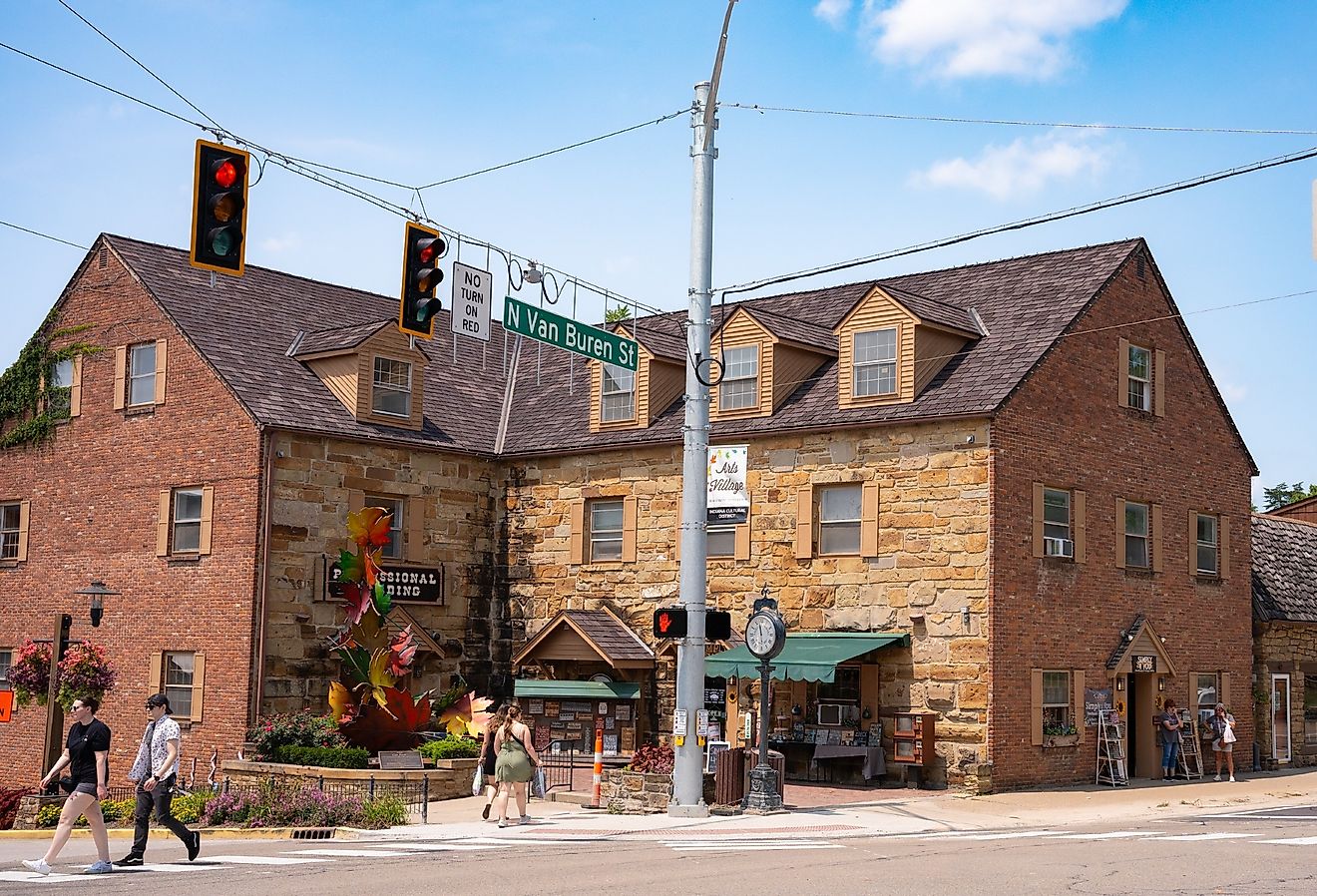
Downtown Oberlin sits next to Oberlin College, with Tappan Square stretching between Main Street and the campus. The 13-acre green, owned by the college but open to everyone, serves as a daily cut-through for walks, pickup games, outdoor classes, and scheduled community events. That shared use continues at the Allen Memorial Art Museum, which stays free and open year-round and holds more than 15,000 works, from ancient Mediterranean objects to Renaissance painting and modern American art. Gallery talks, open study rooms, and student-curated exhibitions draw steady local attendance rather than one-time crowds.

A few blocks away, the Oberlin College Conservatory of Music presents 500 concerts each year. Performances include student recitals, chamber music, jazz ensembles, contemporary composition showcases, and faculty-led orchestral programs. Concerts take place across multiple campus venues, such as Warner Concert Hall and Finney Chapel, and are scheduled throughout the academic year. Community history stays equally accessible at the Oberlin Heritage Center, which maintains several historic buildings, notably the Little Red Schoolhouse, and runs guided walking tours focused on Oberlin’s role in abolition and the Underground Railroad.
Marietta

Marietta’s downtown occupies a narrow wedge between the Muskingum River to the east and the Ohio River to the south, with Front Street and Second Street carrying most pedestrian movement. Along Front Street, the Muskingum Riverwalk provides a paved riverfront route with benches, fishing access, and regular foot traffic throughout the day and evening. On monthly First Fridays, nearby businesses such as Riverside Artists Gallery and Marietta Brewing Company extend their hours while musicians and pop-up vendors fill the sidewalks along Main Street.

Historic sites remain part of everyday circulation. The Campus Martius Museum occupies the original settlement site and conserves preserved structures such as the Rufus Putnam House. Exhibits focus on early governance, river trade, and settlement logistics, with rotating displays and school programs that bring repeat local attendance. A short distance away, Mound Cemetery contains more than 4,000 burials and an intact burial mound dating to between 100 BCE and 500AD.
Geneva-on-the-Lake

Geneva-on-the-Lake is a small Lake Erie resort village. The most visible gathering space is The Strip, a roughly 1-mile section of Lake Road where businesses sit shoulder to shoulder. Arcades, diners, bars, and small shops operate within a short walking distance, which keeps foot traffic circulating past the same storefronts throughout the day and evening. One long-running stop is Adventure Zone, a family-owned amusement park with go-karts, bumper boats, mini-golf, and a climbing wall. Eddie’s Grill, operating since 1950, still uses carhop service. Its menu stays narrow, with foot-long hot dogs, root beer floats, and fries, keeping service fast. Most of the landmarks operate from May to October.
Just east of the village, Geneva State Park provides year-round public access to the Lake Erie shoreline, with a full-service marina, picnic shelters, fishing points, and paved walking paths that link park parking to lakeside access. Wine culture adds a cultural layer. Old Firehouse Winery operates out of a converted fire station overlooking Lake Erie. The winery produces Ohio-grown varietals and runs regular live music evenings that draw repeat local attendance.
Hudson

Hudson is widely regarded as a park-focused city, with more than 1,100 acres of award-winning spaces. One of the largest is Hudson Springs Park, a 260-acre park featuring a stocked 50-acre fishing lake, a paved loop trail around the water, picnic shelters, and wooded trail sections used across seasons. A different kind of outdoor is accessible at Ellsworth Meadows Golf Club, an 18-hole public course set across rolling terrain with long sightlines and walking paths woven into the layout.

Long-standing institutions also shape daily life in Hudson. Western Reserve Academy, established in 1826, occupies a 190-acre campus near downtown and schedules athletic events, performances, and lectures that appear regularly on the city calendar. A weekly gathering centered on food takes place at the Hudson Farmers Market, held every Saturday from June through October at First & Main. The market also reflects Hudson’s character through vendors such as Atterbury Sourdough Co., Fat T’s Cookies, and Gray House Pies.
Sugarcreek

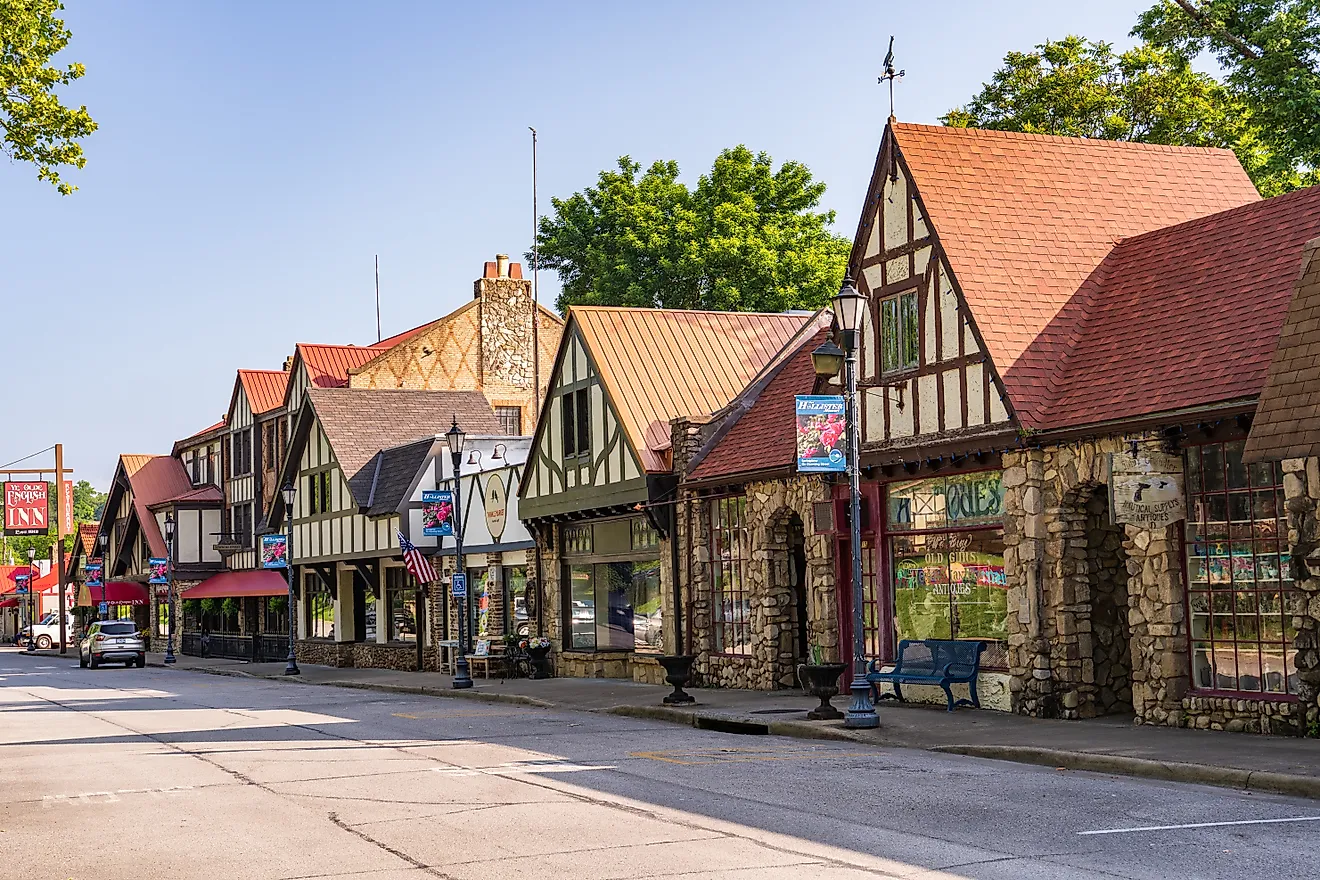
Sugarcreek is widely known as Ohio’s Swiss Village, a label reflected throughout the town’s landmarks. At the center of town stands the World’s Largest Cuckoo Clock, a 23-foot-tall working clock installed in 1972. The clock performs every half-hour from spring through fall, with carved figures and music based on traditional Swiss designs. The Ohio Swiss Festival includes scheduled alphorn performances, yodeling, folk dancing, Swiss food booths, and a parade that moves through the village each September.
The origins of the town’s Swiss influence are documented at the Alpine Hills Historical Museum. Exhibits focus on Swiss settlement, Amish farming tools, traditional clothing, and early household goods. The site also includes a preserved cheese house dating to the 1890s. A local staple is Winetagous. The winery produces Ohio wines and craft beer on site and is best known for its wine slushies and flavored blends. On the second Saturday of each month, extended evening hours with live music and food trucks turn the marketplace into a fixed social stop.
Granville

Granville’s downtown has a strong food and drink scene with sites tied to the village’s early history. Much of that shows up along Broadway, where dining and drinking operate out of long-standing village buildings. Three Tigers Brewing Company runs a full brewery and kitchen in a former service building near downtown. Its tap list rotates through lagers, IPAs, stouts, and seasonal releases brewed on site, paired with a full dinner menu rather than bar-only fare. Alternatively, Seek No Further Cidery produces cider on site using Ohio apples, with offerings that range from dry and semi-dry styles to fruit-forward seasonal blends, served from a dedicated tasting room.

Historic settings remain part of everyday use. Bryn Du Mansion, built in 1905, sits on a 52-acre estate and houses the Bryn Du Art Center, which hosts rotating exhibitions by regional artists, summer Concerts on the Green, lectures, and seasonal festivals held across the grounds. Closer to the village core, the Robbins Hunter Museum is in an 1842 Greek Revival home. Its exhibits focus on Granville’s early settlement, Victorian domestic life, and abolitionist history, with period rooms and changing displays that anchor programming throughout the year.
Chagrin Falls

Chagrin Falls takes its name from the waterfall that cuts directly through its downtown. Chagrin Falls Waterfall drops about 20 feet over shale ledges on the Chagrin River and sits immediately beside Main Street and North Franklin Street. Below the falls, Riverside Park is next to the riverbank and functions as one of the village’s primary event grounds. The park hosts Blossom Time, held each spring and organized by the Chagrin Valley Jaycees, along with Art by the Falls, the annual outdoor art show and sale run by the Valley Art Center.
Long-running businesses remain part of everyday movement through downtown Chagrin Falls. The Chagrin Falls Popcorn Shop has operated since 1949, producing caramel corn, cheddar corn, and rotating seasonal flavors on site and serving customers directly from its Front Street window. A short walk away, Chagrin Valley Little Theatre anchors performance life in a permanent downtown building, where a 248-seat house hosts six plays and musicals each season on a schedule that has held for nearly a century.
Logan

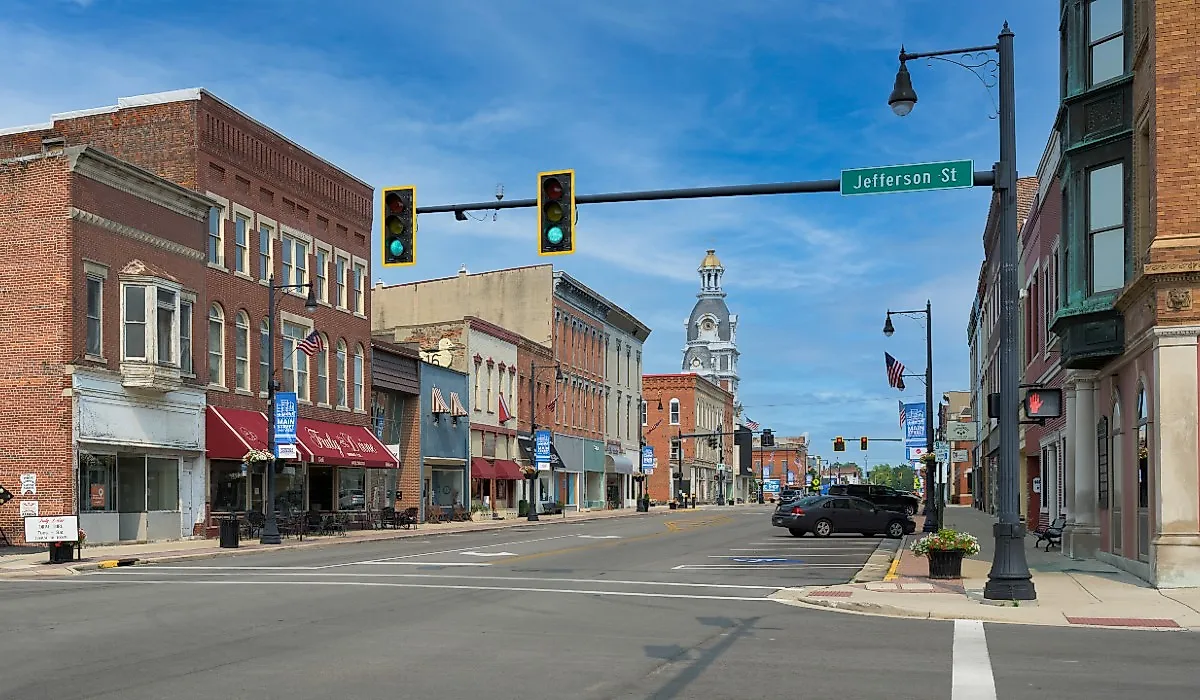
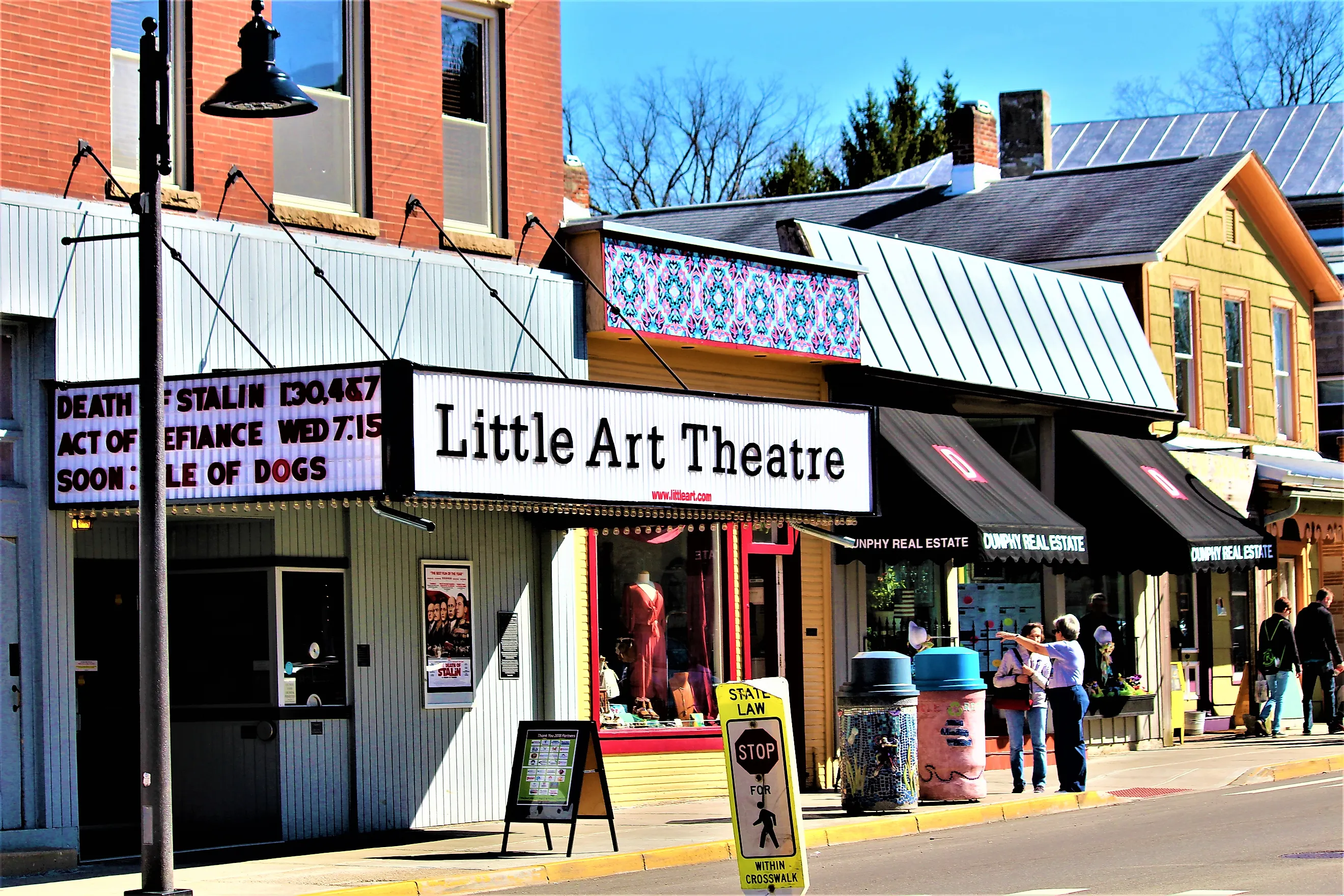
Logan functions as a compact arts and cultural hub within Hocking County. Bowen House Cultural Arts Center pulls people with a calendar of rotating regional art exhibitions, writing workshops, small concerts, and community lectures throughout the year. A few blocks away, the Hocking Hills Regional Welcome Center operates as more than an information stop. The center maintains permanent exhibits on local geology, Native history, and Hocking County history, along with rotating displays by local artists and photographers. It also serves as a starting point for walking routes that remain within city limits.
Local production stays visible downtown. Hocking Hills Moonshine distills small-batch spirits on site, with flavored moonshines and seasonal releases produced in view of the tasting area. Logan’s most idiosyncratic stop is the Paul A. Johnson Pencil Sharpener Museum, which houses thousands of sharpeners displayed at the Hocking Hills Regional Welcome Center. The collection spans novelty, mechanical, and historic designs, making it a fixed downtown destination for residents and visitors.
How Neighborliness Takes Shape in Ohio Towns
The most neighborly towns in Ohio show how everyday connection is built through use, not intention. In Granville, food and drink tie into historic streets that stay active year after year. Logan incorporates arts spaces and local production into its downtown routine. Geneva-on-the-Lake keeps life concentrated along a single lakeside strip. Together, these towns show how neighborliness grows through repeated use of the same parks, streets, and institutions. They stay active because people keep coming back week after week.