5 of the Oldest Incorporated Towns in Utah
Utah just celebrated its 130th birthday on January 4, 2026, having been admitted to the Union on January 4, 1896, as the 45th state. However, humans have inhabited the Utah region for more than 12,000 years, and cultures like the Paiute and Ute have been present here for millennia before European exploration. The first major European American settlement was established when Mormon pioneers arrived in the Salt Lake Valley in 1847. The first town, Parowan, was incorporated in 1851.
Parowan

Parowan is widely recognized as the oldest incorporated town in southern Utah. The area was settled many centuries ago by Native American tribes, as evidenced by the multiple petroglyph sites here. The foundations of the town as it exists today date back to Brigham Young's entry into the Salt Lake Valley in 1847. Young was a Mormon leader seeking a safe place for his church members. He announced they had found that place and sent scouts out to find space for the people who would settle there. Parley P. Pratt, a Mormon Apostle, went south, where he found, camped at, and planted a flagpole at what is now Parowan. Parowan was officially settled and incorporated as a town in January 1851, and its name was changed from The City of the Little Salt Lake. Many of the adobe buildings and the church that sprang up here still stand.

Today, you can visit the Parowan Old Rock Church Museum, which stands on the grounds of the original pioneer ‘picket’ fort. A stronger version replaced the fort with adobe walls before the Old Rock Church was started in 1863. It took thirteen years to build the church out of local rock, and once completed, it doubled as a high school building and amusement hall. You can also see the ancient petroglyphs on the walls of the Parowan Gap, a short drive from Parowan. And, if you drive a mile east from the gap, you will find a small collection of dinosaur footprints on the boulders at the bottom of a conglomerate rock cliff.
Springville

Springville lies between the north and south borders of Utah County and was once occupied by the Ute tribe, who hunted and fished to survive. No written record was made while the tribe lived in the area, but there is a record in the journal entries of the Dominguez-Escalante expedition. Unfortunately, the Utes were not destined to live in Springville, as Aaron Johnson led settlers here in 1850, displacing the tribe. They were forced to relocate to the mouth of the Spanish Fork River while the settlers started farming in what they called Hobble Creek. The name was later changed to Springville, mainly because of the abundant water supply. This reliable water supply and fertile land allowed Springville to develop quickly, and it was incorporated in February 1853.

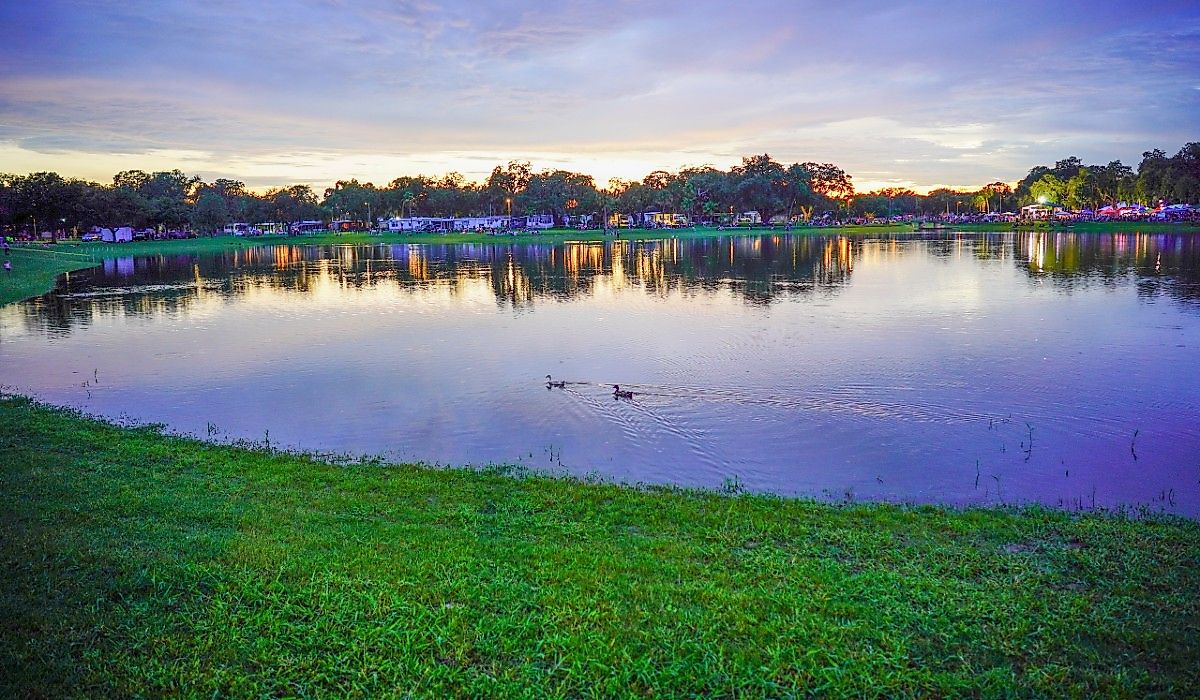
Over the years, Springville became known as Art City, an art haven for professional artists and enthusiasts. The Springville Museum of Art is the oldest visual arts museum in the state, founded in 1937. There are extensive exhibits here on Utah and Western art. You can also view several rotation collections. Outside the building is a sculpture garden and outdoor exhibits. If you visit Springville in summer and want to explore the outdoors, head to Bartholomew Pond, where you can swim, paddleboard, or have a picnic on the surrounding grass.
Bountiful

Perrigrine Sessions and his family traveled nine miles north of Salt Lake City in 1847, beyond the Hot Springs, to find a place where his flocks and herds could feed. He found a suitable space and created a dugout where he, his family, and his animals stayed for the winter. The dugout was called Sessions’ Settlement before being renamed Bountiful in 1855. The town site was officially laid out and enclosed by a large wall, but was not incorporated until 1892. Over time, the citizens of Bountiful ensured that schools and sidewalks were built in the area. In 1906, a water system was created, and by 1907, Bountiful enjoyed electric lights. The community also ensured that a hard surface road was built between Bountiful and Salt Lake County. Bountiful also bought the local cemetery and overhauled it, making it one of the most beautiful cemeteries in the state.

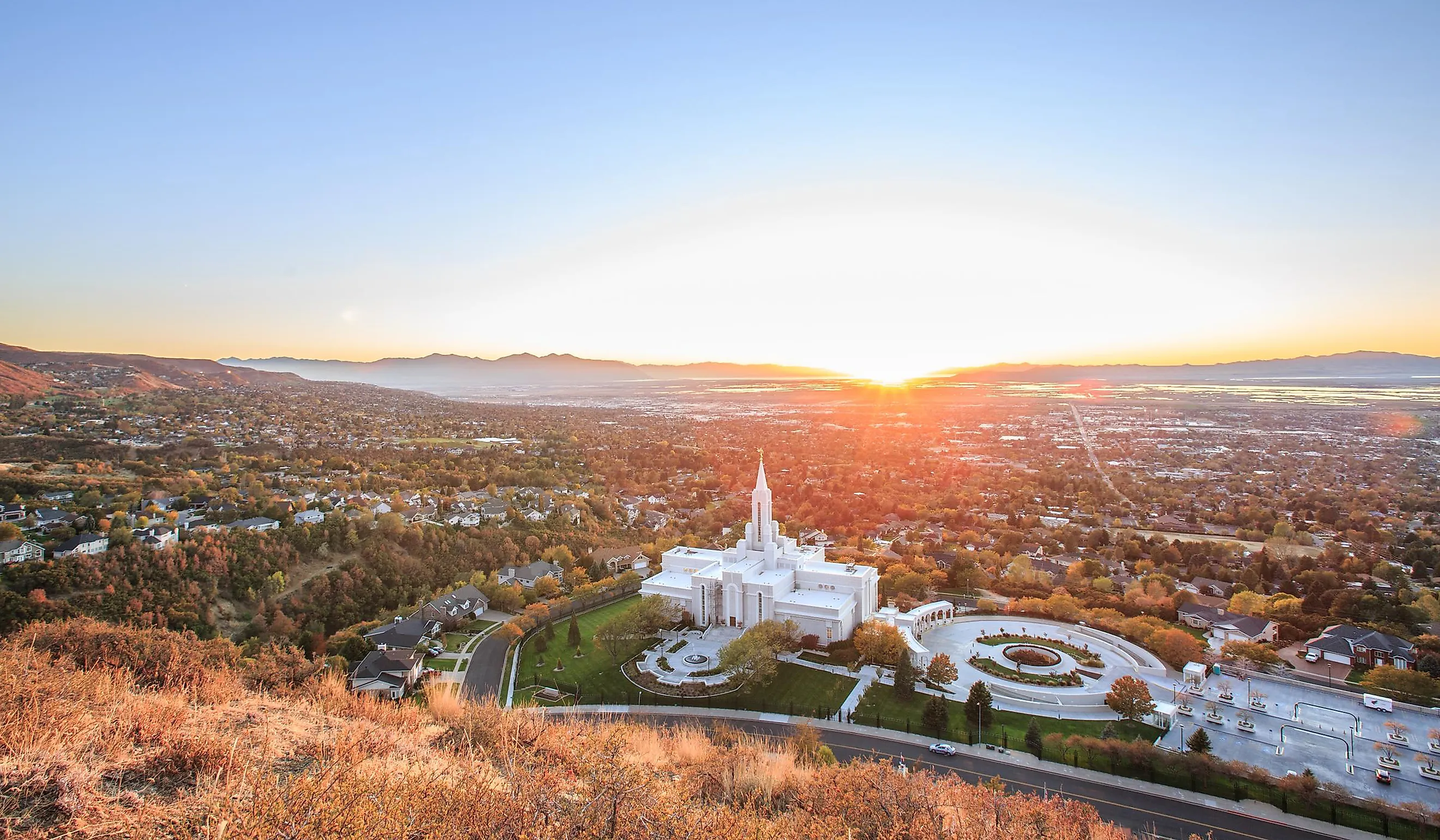
Bountiful is a large town today, with around 47,000 residents and lots to see and do. Kick off your visit with the Temple Hike Trail accessible from Bountiful Boulevard, with views from the top that are breathtaking. You can see the whole of the Bountiful Valley, as well as the Bountiful Utah Temple, at the end of the trail. At the Bountiful Museum and Learning Center, you can discover the full history of the town. There is also a charming model train exhibit displaying the Bamberger train running through the town between 1935 and 1940.
Mantua

The first Danish settlers in the Mantua area built their homes along the Halling Creek in the shape of a fort to protect themselves against the native people. They fenced and cultivated 130 acres of land in the northern part of the region before some of the families that settled here moved away to Bear Lake in 1863. Their space was filled by more families coming up from Brigham. That same year, President Lorenzo Snow arrived in what would be Mantua to celebrate a holy day. The president and the settlers in the area went to the knoll located on the east side of the valley, where he named the settlement Mantua. The town was, however, only officially incorporated in 1911.

If you visit Mantua today, you can fish, boat, or swim in the Mantua Reservoir. The reservoir also features a beach and picnic areas. If you are up for an adrenaline rush, hike the Mantua Reservoir Trail, which circles the reservoir and offers spaces for bicycles. You can also camp near the reservoir if you want to spend a couple of days exploring the town.
Enoch

Enoch is located in Iron County and is named after the biblical Enoch. The town got its start after Mormon pioneers settled an area in the wilderness of southern Utah in the 1850s. The area became a farming community, and the Mormons named it after Enoch in the Bible because of his connection to the city of Zion. Enoch began to grow after the arrival of the Utah Southern Railroad in 1870. The railroad linked the town to other transport networks, allowing export and import. The railroad also enabled the development of multiple industries in Enoch, including brickmaking, sawmilling, and gristmilling. Enoch was incorporated in 1966 after the area was unified, and the name was changed from Johnson’s Springs.
Today, Enoch is a serene base for exploring the surrounding areas. In Enoch itself, you can enjoy green spaces and tranquility in Liberty Park. Cedar City’s Frontier Homestead State Park is also close enough to Enoch for a day trip. Here, you will discover interactive exhibits on pioneer life in the 1800s. When you have explored these exhibits, you can have a picnic lunch in one of the many picnic areas outside.
Historic Towns That Continue To Shape What Utah Looks Like Today
Utah continues to grow at a pace that exceeds most people’s expectations. That growth often makes it easy to overlook the smaller places that thrive throughout the state. Yet, these historic towns show why local history is so valuable and prove that communities, strong ones, are not built overnight, but over time with a lot of blood, sweat, and tears. Utah's oldest incorporated towns also highlight that the process does not mean constantly reinventing the wheel. Many of the choices made more than a hundred years ago still support daily life today. This is the type of stability over time that gives residents a sense of home and visitors a clear understanding of how Utah came to be.