5 Of The Oldest Incorporated Towns In North Carolina
The first towns in North Carolina offer a clear view into how permanent settlement developed in the region. These communities emerged in locations that allowed access to trade routes and waterways, making them centers for early growth. From the late 1600s through the 18th century, they functioned as administrative and commercial hubs for surrounding areas. Many were formally incorporated well before the American Revolution and still retain their original street patterns and public buildings. Their layouts reflect how geography influenced early decision-making, from where courts were held to how goods moved through the colony. Together, these towns provide direct insight into the structure of colonial life and the foundations of governance in what would become North Carolina.
Bath

This North Carolina town was chartered in 1705. It is the oldest community in the state and was founded by French Huguenots on Bath Creek. The Huguenot settlers built Bath as a trading and shipping center for their colonists. Bath's first natural harbor gave it access to the Pamlico River and the ocean beyond. Its first building still standing today, St. Thomas Episcopal Church (circa 1730) is one of the oldest churches in the state. Also nearby is the Palmer-Marsh House, which illustrates the layout of a typical 18th-century merchant's home and represents how the town evolved into a commercial center.
Walking distance from the older part of town, you can find Bonner House, a restored house that was built in 1835 and shows how the town grew after its commercial peak. Even today, the Bath Creek area is at the heart of the town’s layout, including small docks and walking areas along the creek that were used when traders and shipbuilders came to the area. Bath has also been the subject of literature; in 1925, author Edna Ferber visited the creek with the James Adams Floating Theater. She wrote about this trip later in Showboat, where she writes about the relationship between races in the segregated South.
New Bern

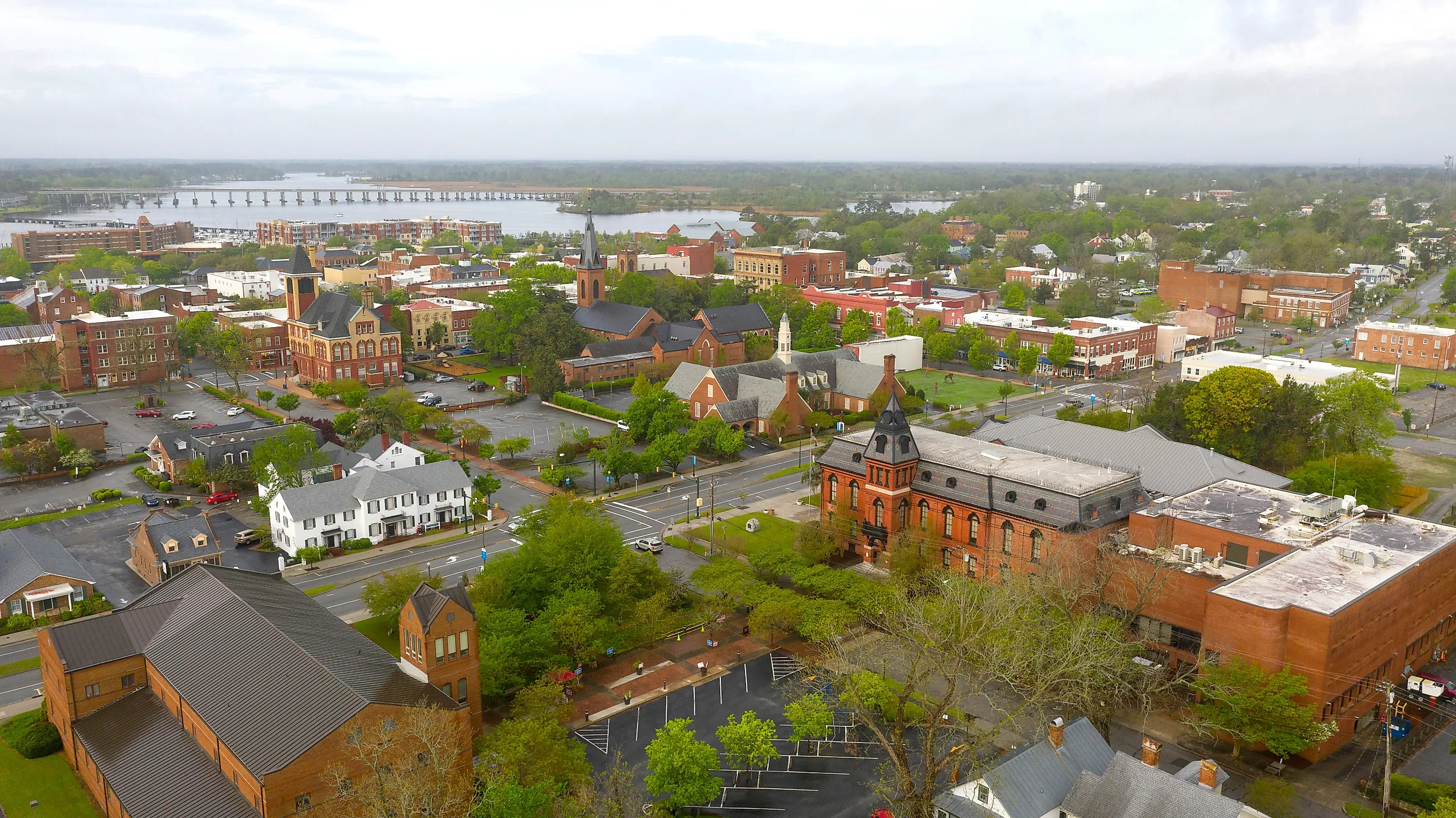
A great deal has shaped New Bern since its founding in 1710, when Swiss nobleman Christoph von Graffenried established the settlement with Swiss settlers and German Palatines who arrived from England. Positioned at the meeting point of the Neuse and Trent rivers, the town developed as a planned colonial center with access to inland trade routes and coastal shipping. Its growing importance led to its designation as North Carolina’s capital from 1770 to 1792.
The town’s civic history is reflected in Tryon Palace, completed in 1770 as the royal governor’s residence, and in the New Bern Academy, originally built in 1809 as an early educational institution. New Bern is also home to the state’s first chartered fire department, established in 1845, now preserved at the New Bern Firemen’s Museum, where artifacts and the famed fire horse Fred illustrate the city’s early public safety efforts. The town is also known as the Birthplace of Pepsi-Cola, created by pharmacist Caleb Bradham in 1898.
Edenton

Long before it became known for its preserved waterfront, Edenton played a visible role in the political tensions leading up to the American Revolution. Founded in 1712 along the Albemarle Sound, the town developed as a center of trade and colonial administration. In 1774, it became the site of the Edenton Tea Party, when local women organized a public boycott of British goods, marking one of the earliest political actions led by women in the colonies.
Much of that layered history remains visible today. The Cupola House, completed in 1758, stands as one of the finest examples of Jacobean architecture in the South, while the Chowan County Courthouse, built in 1767, continues to anchor the historic district. Nearby, the Edenton Cotton Mill Historic District preserves a collection of late 19th- and early 20th-century mill houses, an industrial building, and the First Christian Church, reflecting the town’s shift into manufacturing. The Penelope Barker House Welcome Center, an 18th-century Georgian residence often called “Edenton’s Living Room,” now serves as the headquarters of the Edenton Historical Commission.
Beaufort

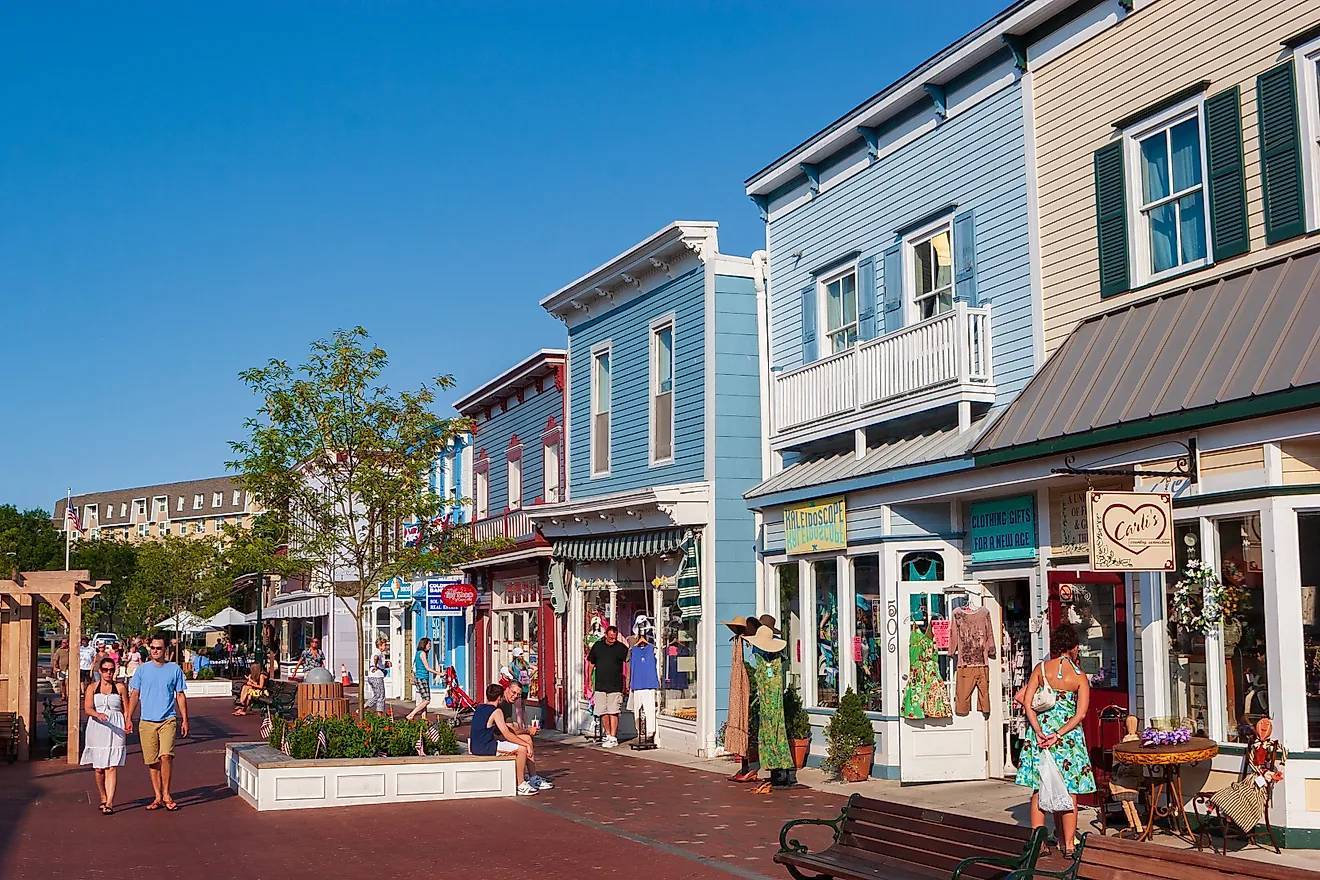
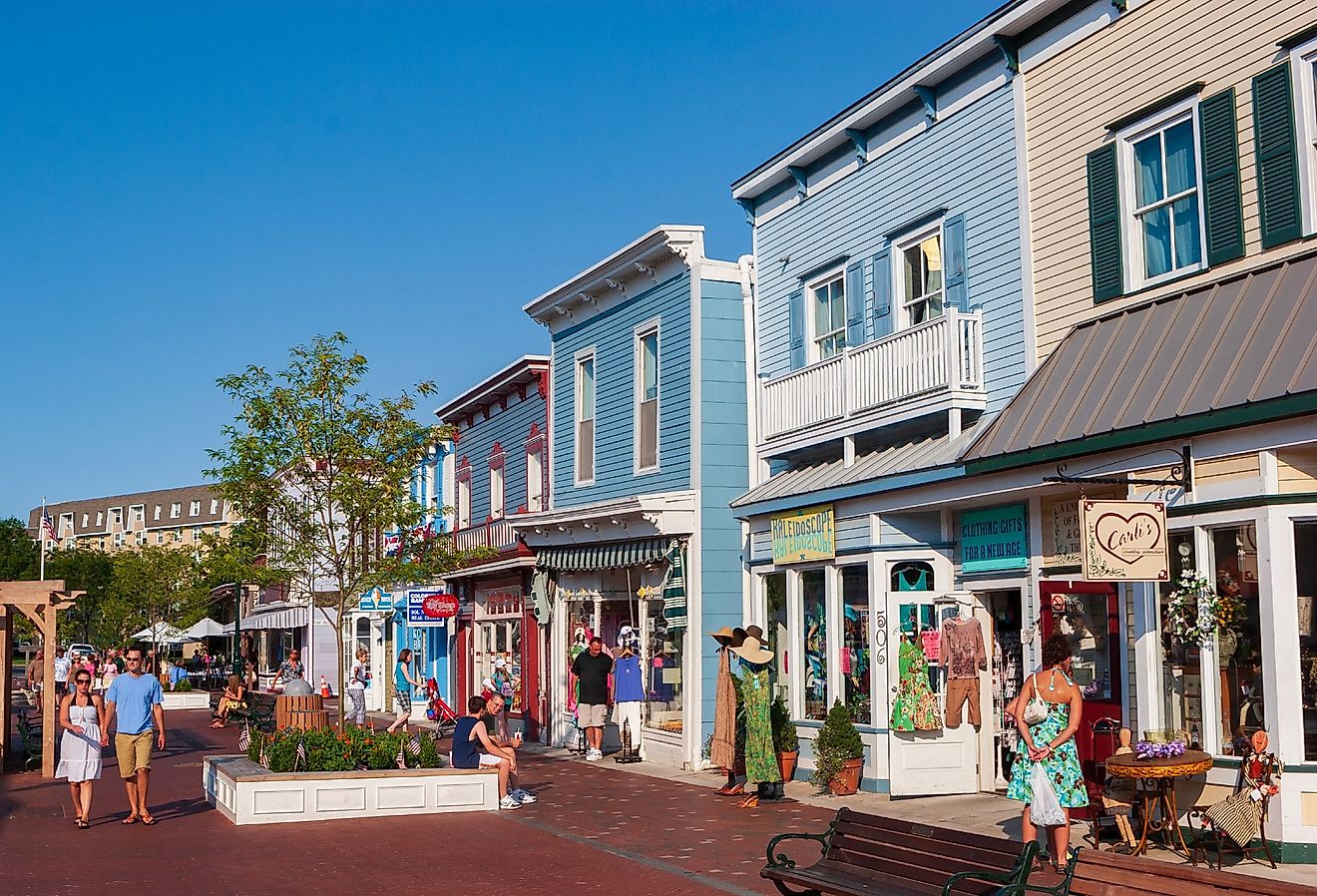
Founded in 1713, Beaufort developed as one of North Carolina’s earliest port towns, positioned along a deep natural harbor near the entrance to the Atlantic. Its location made it a key point for maritime trade, shipbuilding, and naval activity throughout the 18th and 19th centuries. The town’s layout still reflects its early role as a working port, with narrow streets and waterfront access shaped by centuries of coastal use.
Much of Beaufort’s history is preserved along Front Street, where 18th- and 19th-century homes overlook the harbor. The Old Burying Ground, established in 1724, contains graves of sailors, shipbuilders, and early residents who shaped the town’s maritime identity. Nearby, the North Carolina Maritime Museum documents coastal life through exhibits on shipwrecks, boatbuilding, and piracy, linking Beaufort’s present-day waterfront to its long seafaring past. Fun fact: readers of Budget Travel magazine named Beaufort the coolest small town in the United States in 2012.
Hillsborough

Set along the Eno River, Hillsborough developed as a key inland crossroads along the Great Trading Path. Long before European settlement, Indigenous communities lived and traded in the area, though their presence declined following displacement and disease brought by colonization. In 1754, surveyor William Churton formally established the town, which soon emerged as an important legal and political center during the colonial and Revolutionary periods.
Evidence of Hillsborough’s civic history can still be experienced today. The Orange County Courthouse, originally constructed in the late 18th century, has long served as the focal point of the historic district. Nearby, Hillsborough Presbyterian Church, completed in 1816, stands on the former site of St. Matthew’s Church, where North Carolina’s 1788 Constitutional Convention was held. Just beyond the town center, Ayr Mount, a well-preserved Federal-era home, reflects domestic life in the early 19th century.
North Carolina’s Oldest Towns
Together, these towns trace the earliest blueprint of life in colonial North Carolina. Bath shows how early settlers relied on sheltered waterways for protection and trade. New Bern reflects the rise of planned towns designed to support government and commerce. Edenton demonstrates how civic engagement and political organization shaped daily life in the colonial period. Beaufort represents the state’s enduring connection to maritime activity and Atlantic trade networks. Hillsborough illustrates how inland communities formed around courts, transportation corridors, and administrative authority. Taken together, these towns reveal how geography, function, and necessity guided early settlement patterns and laid the groundwork for North Carolina’s political and economic development.