10 Storybook Towns In New South Wales
Everybody loves a good story, but in the end, they're just stories, right? When it's over, the real world comes rushing back in with its spreadsheets, vet bills, and dead batteries. That's why, on those rare occasions when we find a place that looks and feels just like the stories, it makes a lasting impression. There are places in New South Wales like that. Some of these towns feel like they were borrowed from a book and set down gently in real life. You find them after long stretches of road, behind tree lines, or just inland from the water, often announced by a single café, a faded sign, or a row of buildings that look like they have been standing there long enough to see things and have tales to tell about it. These towns are not loud about themselves. They reveal their character slowly. But long visit or short, you'll have stories to tell when you leave.
Mudgee

Mudgee is like an opening chapter that sets the pace for everything that follows. Set in the Cudgegong River valley, the town sits among vineyards and open hills that frame daily life. Historic buildings line shaded streets, giving the center a settled feel. Time has been allowed to do its work here.
Food and wine are how people keep in touch in Mudgee. Long lunches drift into the afternoon, tastings spill over into easy conversations, and the day seems to lean gently toward evening rather than drop into it. Stays like Sierra Escape pick up that same rhythm, with wide views over the vines and sunsets that feel less like a spectacle and more like something you plan the day around. Mudgee doesn’t hurry you from one scene to the next; it lets you wander in slowly, until you realize you’ve become part of the story.
Bellingen

Bellingen sits in the green folds of the hinterland behind the Coffs Coast, and its personality shows up in the small things. Art finds its way onto walls and corners, music drifts out of open doorways, and the markets feel more like catch‑ups than scheduled events.
Church Street reads like the main thread of the tale: shaded, easy to walk, lined with cafes and little venues that don’t worry too much about where day ends and night begins. Bellingen Brewing Co. holds down one end, while other spots quietly switch roles as the hours go by. Step beyond town and the scenery stretches out into waterfalls, forest tracks, and calm places along the river. Up at Dorrigo National Park, the extra height and long views pull the whole setting into focus, giving this chapter of the journey a bit of drama and space.
Byron Bay

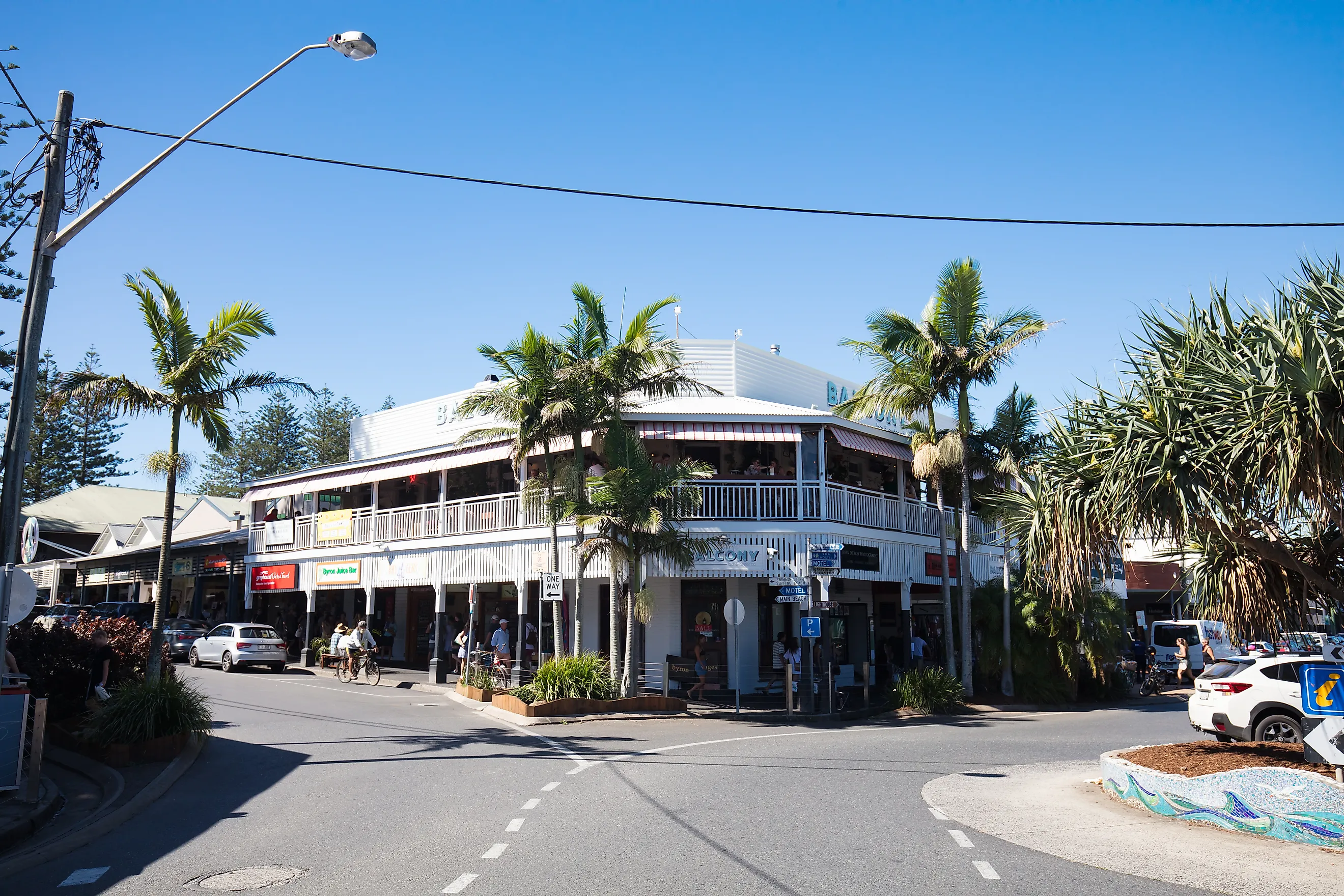
In Byron Bay, similar scenes play out each day, but they never get old. Positioned along the far north coast, the town is oriented toward the sea, and daily life follows a nautical theme. Visitors can't resist the clifftop paths that lead up to Cape Byron’s lighthouse. The route traces the coastline and offers epic vistas. The view alone is worth the hike, but during migration season, you might also get a glimpse of migrating whales surfacing offshore. Mornings begin early, with surfers entering the water as the sun rises and cafes opening soon after. Yoga mats appear on the sand, breakfast conversations stretch, and evenings settle into music-filled rooms.
Bowral

Sitting in the Southern Highlands, Bowral leans into order and continuity, with gardens, heritage homes, and tree‑lined streets giving the town a composed, deliberate feel. Each spring, Tulip Time pulls focus to Corbett Gardens, turning the changing season into the main plot for a while. In the center of town, the streets are made for unhurried wandering: antique stores, bakeries, and bookshops cluster together, inviting you to duck in and out without much of a plan. Dirty Janes Antique Market adds its own layers of story, while the Bradman Museum anchors Bowral to a long‑running sporting thread. Out on the edges, vineyards offer tastings framed by open paddocks and rolling hills, stretching this quiet chapter past the town’s neat borders.
Berry

Berry, set in the Shoalhaven region, rests among dairy farms and green pastureland that quietly shape the way the town looks and moves. The main street is compact and easy to wander, its heritage buildings holding shops, cafes, and bakeries that look like they’re genuinely part of daily life rather than dressed up for visitors.
Food often ends up driving the story here. Local restaurants and bakeries, along with the much‑talked‑about roadside donut van, give people reasons to pause and then linger a little longer than they’d planned. Just outside town, Seven Mile Beach National Park opens things out, with long stretches of sand and low coastal scrub that feel like a natural extension of Berry’s setting.
Kangaroo Valley

Kangaroo Valley feels like a chapter tucked between covers. Escarpments rise around the valley floor, creating a sense of enclosure that becomes part of the experience. Open paddocks stretch across the landscape, and eastern grey kangaroos often appear as if written into the scene.
The village remains modest, with cafes and galleries housed in older buildings that fit their surroundings. Hampden Bridge stands as a marker of continuity, recognized as Australia’s oldest surviving wooden road suspension bridge. Nearby Fitzroy Falls drops into a sandstone gorge, accessible without much effort. Longer walks and kayaking routes in Morton National Park extend the story outward, but the valley always draws attention back to itself.
Leura

Leura feels like a chapter built around pathways. Sitting along the edge of the Blue Mountains escarpment, the town connects cultivated spaces with nearby bushland in a way that feels seamless. Leura Mall forms the main street, lined with cafes, galleries, and specialty shops housed in older buildings.
Gardens define much of Leura’s identity, particularly during seasonal openings that invite visitors to wander through carefully tended spaces. Beyond town, walking tracks begin almost immediately. The Leura Cascades Fern Bower circuit follows water, shade, and stone, opening onto views across the Jamison Valley. Leura balances refinement with access, allowing readers to move easily between pages.
Narooma

Narooma is a chapter shaped by water. Located along the Sapphire Coast, the town wraps around Wagonga Inlet, where pelicans, kayaks, and fishing boats share the same calm surface. Boardwalks and paths trace the shoreline, encouraging slow movement and observation.
Offshore, Montague Island Nature Reserve supports fur seals and seabirds, adding depth to the setting. Surf Beach introduces geological features such as Glasshouse Rocks and pillow lava formed through ancient volcanic activity. Coastal paths connect these scenes without separating them from town life. Narooma feels expansive, yet grounded, with water guiding the narrative throughout.
Yamba

Yamba reads like a steady, reassuring chapter. Positioned near the mouth of the Clarence River, the town moves according to tides and routines rather than urgency. Fishing and seafood remain central, with restaurants and takeaway shops focusing on local catches.
Beaches surround the town, each offering different conditions and moods. Main Beach suits slower days, while Turner Beach and Pippi Beach attract regular surf activity. Offshore marine areas support seasonal whale migration, along with dolphins and sea turtles that sometimes appear near headlands. Nearby river systems and protected areas allow the story to continue outward without losing its pace.
Bundeena

Bundeena feels like a quiet closing chapter. Sitting on the northern edge of Royal National Park, the town remains separated by bushland and water, even though it is easy to reach. Arriving by ferry across Port Hacking or by road reinforces the sense of transition.
Once in town, small bays and sheltered beaches shape daily life. Horderns Beach serves as a gathering point, with cafes positioned close to the water. Short bushwalks lead to Aboriginal rock engravings that speak to a much older story beneath the present one. Jibbon Beach extends the setting further along the coast, connecting town life with longer walking tracks.
Your Storybook Getaway to New South Wales

Across New South Wales, these towns share a common trait. They feel written rather than rushed. Shaped by landscape, habit, and memory, they offer places where visitors can step into a different pace and stay there awhile. These are towns that invite attention, not spectacle, and leave behind the sense that some stories are best read slowly.