Why Florida Swamps Are More Biodiverse Than Most Rainforests
When people think of the world's richest ecosystems, tropical rainforests usually come to mind first. The Amazon contains millions of species and has long been considered a global symbol of biodiversity. Florida swamps, by comparison, are often stereotyped as murky, mosquito-filled wastelands populated mainly by alligators and snakes. The Everglades has long carried this reputation. Yet Florida's wetlands are among the most biologically productive and ecologically important habitats in North America.
Florida swamps challenge the idea that biodiversity must be visually dramatic to be significant. Rainforests look biologically rich at first glance because towering trees and visible wildlife dominate the landscape. Wetlands, by contrast, can seem quiet or empty even when they support highly complex food webs below the waterline and across seasonal habitats. According to UF/IFAS, more than 4,000 species are native to Florida, including 369 species and 13 ecological communities that are considered endemic and occur naturally only in the state. The Everglades is an important hotspot for many of these native species.
For these reasons, Florida swamps, especially the Everglades, are recognized as exceptionally biodiverse and ecologically valuable wetlands in the United States. They support large numbers of reptiles, birds, plants, and aquatic microorganisms that thrive in constantly shifting aquatic environments.
Habitat Diversity

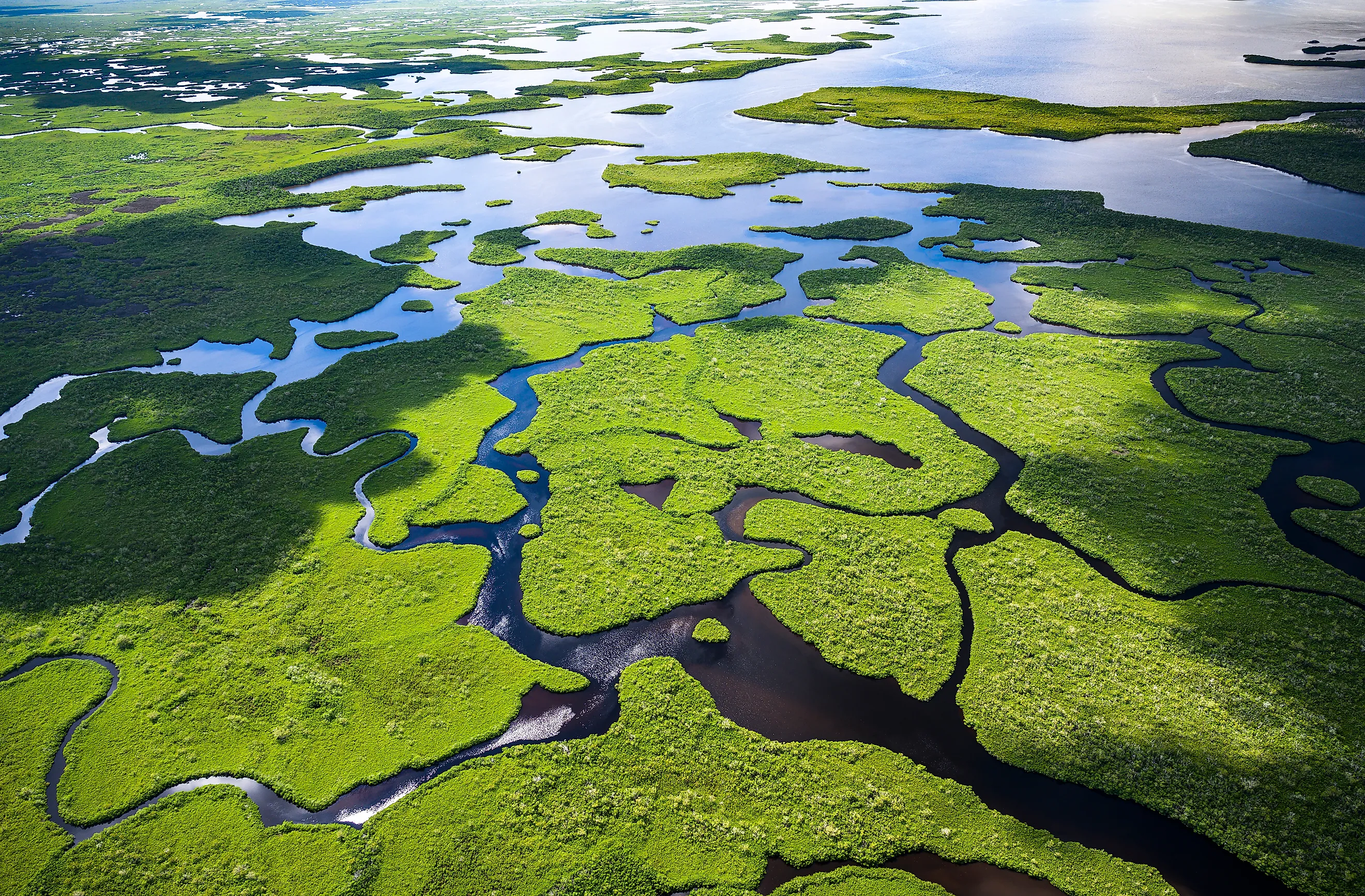
One reason the Greater Everglades is exceptionally biodiverse is its habitat mosaic, which includes mangroves, cypress swamps, freshwater sloughs, marl prairies, pine rocklands, estuaries, hardwood hammocks, marshes, and several other wetland and upland communities. These habitats often exist within a few feet of each other, yet each supports entirely different plant and animal communities.
This variety creates ideal conditions for species specialization. Fish thrive in submerged marshes while wading birds feed in shallow water zones. Mangrove forests provide nursery habitats for marine species, and tree islands shelter native animals and migratory birds during floods. Even slight differences in elevation can determine which species survive in a particular area. Rainforests often support large numbers of resident species, but Florida's wetlands support both perennial populations and substantial seasonal migrations, increasing overall biodiversity throughout the year.
Aquatic Biodiversity

Aquatic biodiversity in Florida swamps is equally substantial, though often overlooked because it is less visible. Everglades National Park supports complex food webs that include algae, plankton, crustaceans, insects, mollusks, hundreds of fish species, dozens of reptiles and amphibians, and approximately 40 mammal species per the National Park Service. Mangrove ecosystems along the southern Everglades provide nursery habitat for many fish and invertebrates, including species that support Gulf and Atlantic commercial and recreational fisheries. The Everglades holds the largest mangrove ecosystem in the Western Hemisphere.

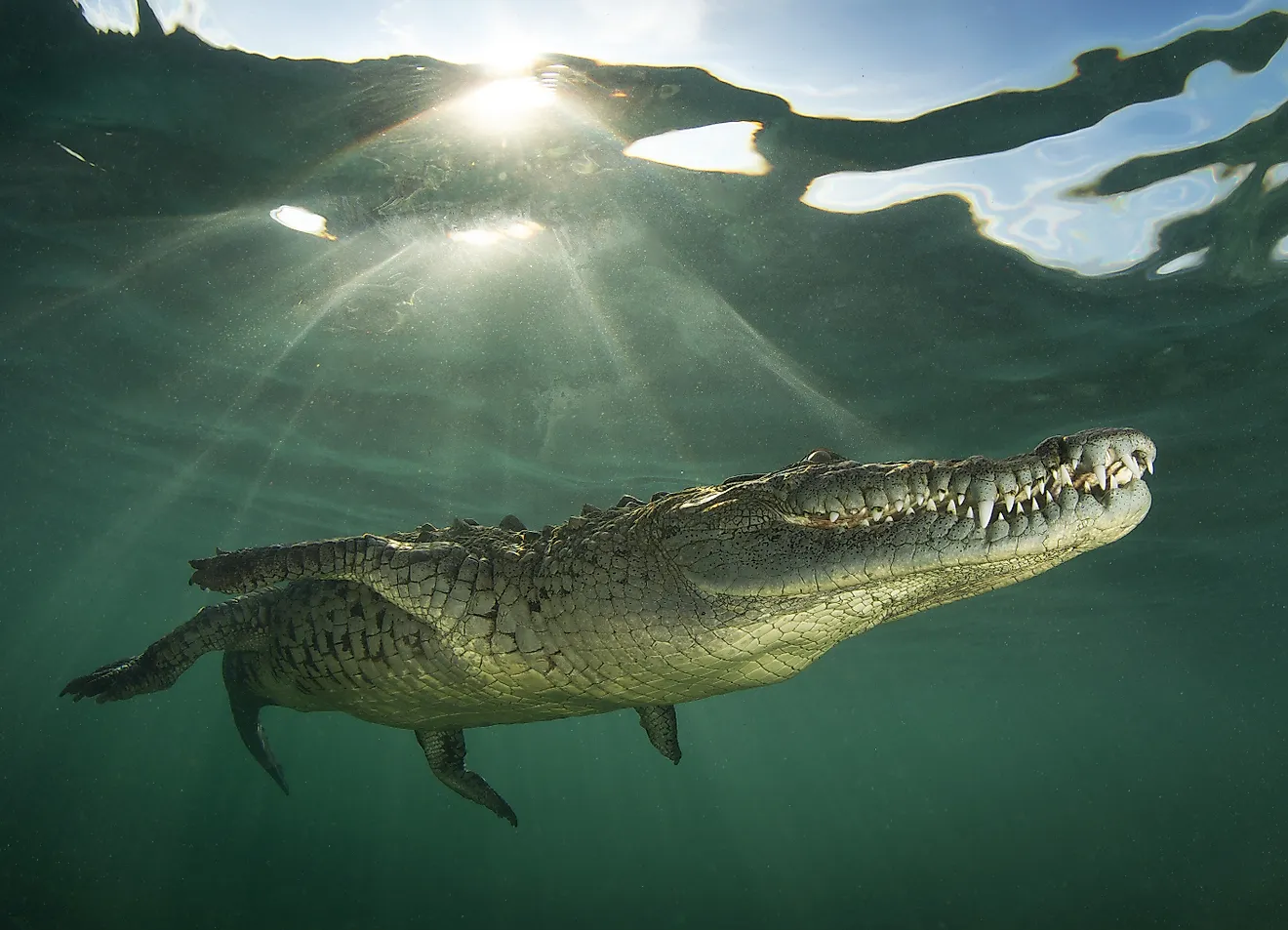
Species adapted to both freshwater and marine environments coexist here, dramatically increasing biodiversity. The Everglades is one of the few places in the world where American alligators (Alligator mississippiensis) and American crocodiles (Crocodylus acutus) naturally share habitat. NPS estimates put the alligator population in the Everglades at more than 200,000 and the American crocodile population in Florida at roughly 2,000.
The connection between freshwater and marine ecosystems makes Florida wetlands unusually productive. Nutrients from inland marshes flow into estuaries, supporting shrimp, crabs, tarpon, snook, and many baitfish species. Many commercially important fish species spend part of their life cycles in swamp-associated habitats.
Swamp Water Cycles

Water is another major factor behind the swamp's biodiversity. Unlike forests that depend primarily on soil nutrients, wetlands are driven by seasonal water cycles that constantly redistribute nutrients and organisms. The Everglades has often been called a "river of grass," a phrase popularized by Marjory Stoneman Douglas in her 1947 book of the same title, because water slowly flows southward across the landscape between Lake Okeechobee and Florida Bay. Unlike a traditional river confined by channels, this movement occurs across broad wetlands, distributing nutrients, sediments, seeds, and aquatic organisms over a wide area.
These seasonal water cycles create highly productive food webs. During wet seasons, flooded marshes provide breeding grounds for fish, amphibians, and insects. As the dry season arrives, receding water concentrates prey into smaller pools, drawing in many kinds of birds, reptiles, and mammals. Scientists track the Everglades' condition using multiple ecological indicators, including wading birds, prey abundance, periphyton, and water conditions, to assess how restoration and environmental change are affecting the ecosystem.
The Role Wildlife Plays

Florida swamps are home to "ecosystem engineers" that physically reshape habitats in ways that increase biodiversity. The American alligator is the most famous example. Alligators dig depressions known as "gator holes," which provide refuge for fish, amphibians, turtles, and invertebrates when surrounding wetlands dry out. These ponds become survival centers during dry periods and dramatically increase wetland resilience.
This relationship illustrates the interconnected nature of swamp ecosystems. In many rainforests, biodiversity depends heavily on plant canopies and insect interactions. In Florida wetlands, large reptiles physically reshape habitats in ways that influence entire food webs rather than simply occupying the top of the food chain. Rainforests contain keystone species, but Florida wetlands display especially visible examples of how large animals physically engineer biodiversity.
Bird populations further demonstrate the productivity of Florida wetlands. Historically, the Everglades supported enormous colonies of herons, spoonbills, ibises, egrets, and wood storks. Hunting and habitat destruction reduced populations sharply during the twentieth century, but South Florida remains one of North America's most important migratory bird regions. According to the South Florida Water Management District's annual wading bird reports, recent nesting totals across the Water Conservation Areas and Everglades National Park have varied substantially: the 2017 season tallied 46,248 nests (well above the decadal average), while 2022 and 2023 came in below the ten-year average. The Comprehensive Everglades Restoration Plan targets a return to historic pre-drainage levels, estimated at roughly 50,000 wading bird nests annually for the principal indicator species.
Everglades National Park covers about 1.5 million acres and the National Park Service has documented more than 350 bird species within its boundaries. By comparison, the National Park Service lists more than 250 bird species using the habitats of Olympic National Park's temperate rainforests, while El Yunque National Forest in Puerto Rico, the only tropical rainforest in the U.S. National Forest System, has roughly 50 to 100 bird species documented depending on the source, including 17 endemic to Puerto Rico. The Everglades' position at the boundary between temperate, subtropical, and tropical climates and at the southern end of two flyways drives its high bird diversity.
The diversity of bird species is closely linked to fluctuating water levels. Different birds require different feeding conditions. Some species hunt fish in shallow marshes while others forage in deeper pools or mangrove estuaries. Seasonal flooding patterns therefore influence breeding success and migration timing. Wading birds in particular respond quickly to changes in hydrology, which is why scientists often use them as indicator species for tracking Everglades restoration progress.
Tourism as a Risk to Florida's Swamps

Human interactions with Florida swamps have historically been shaped by fear and misunderstanding. Early settlers frequently viewed wetlands as useless obstacles to agriculture and urban development. Large sections of the Everglades were drained through the twentieth century to support farming and population growth. Canals and levees redirected water flow, damaging natural ecosystems and reducing wildlife populations.
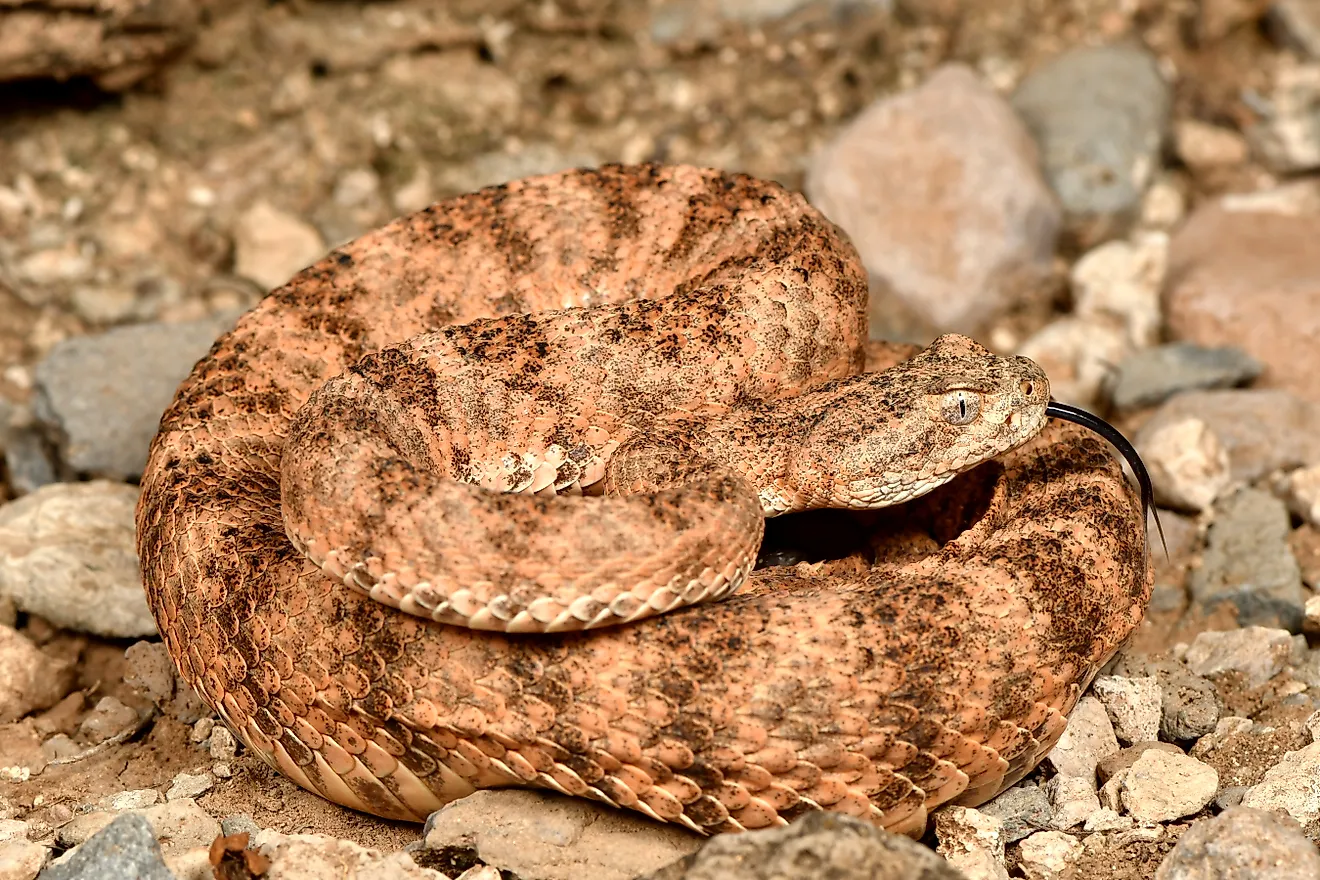
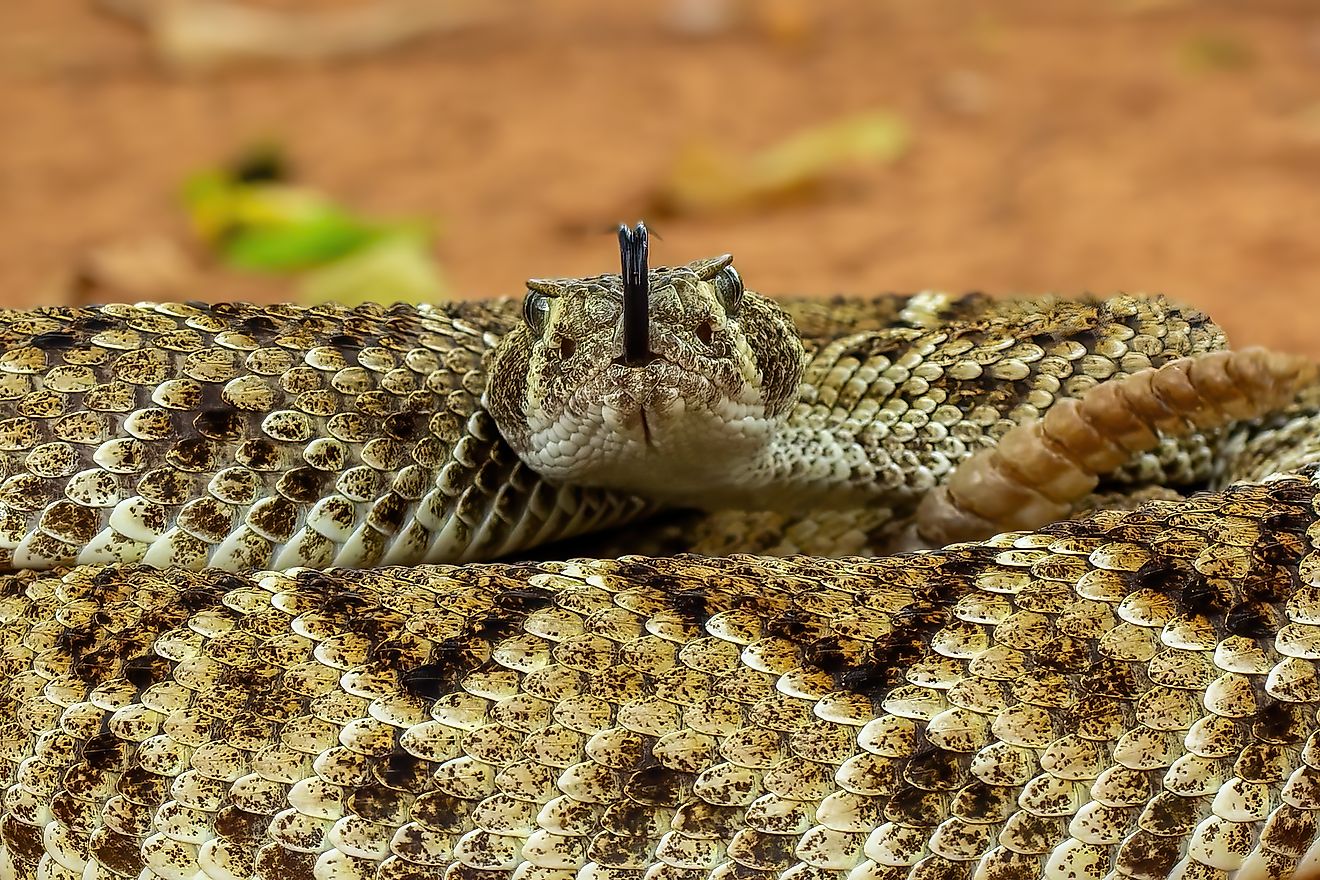
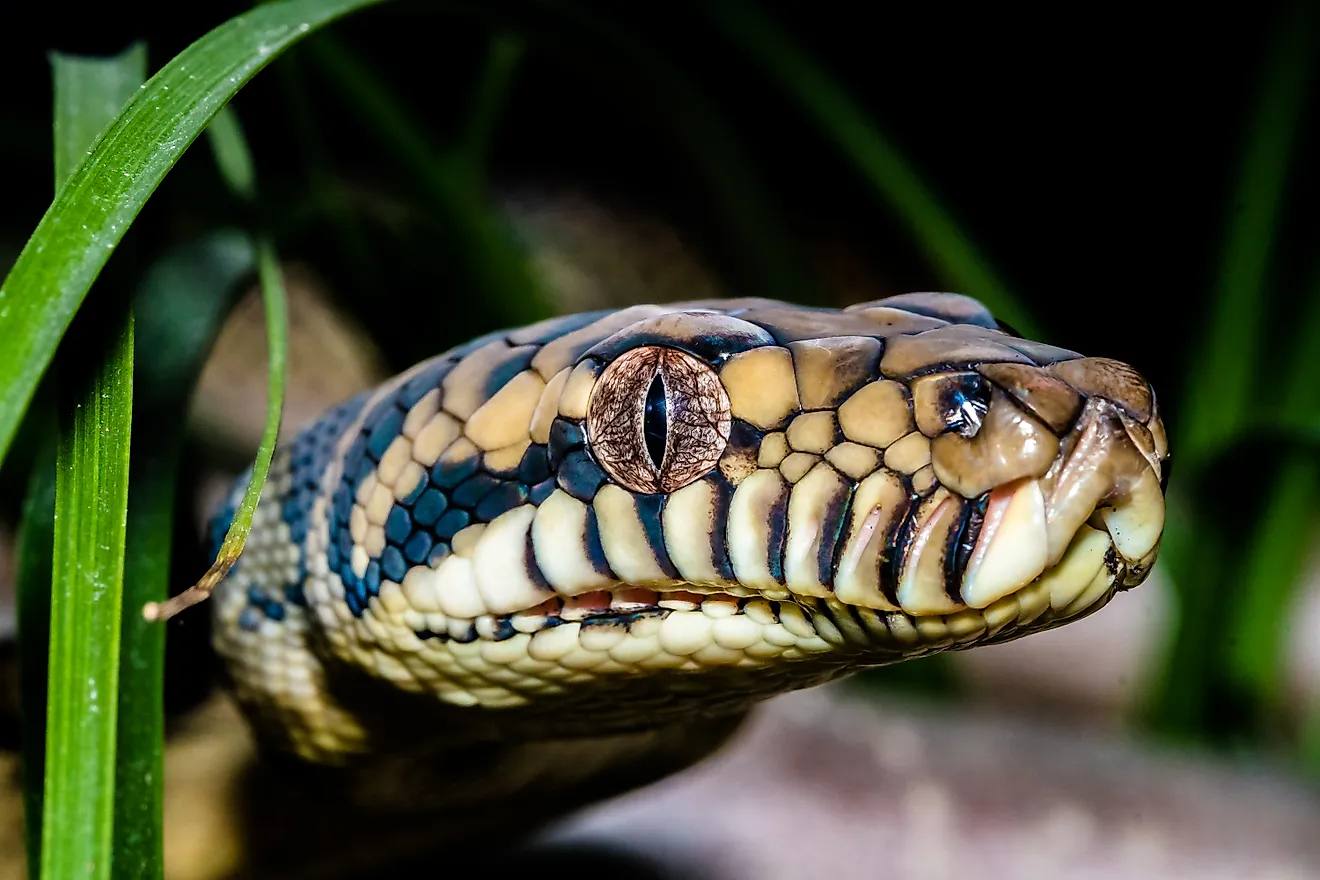
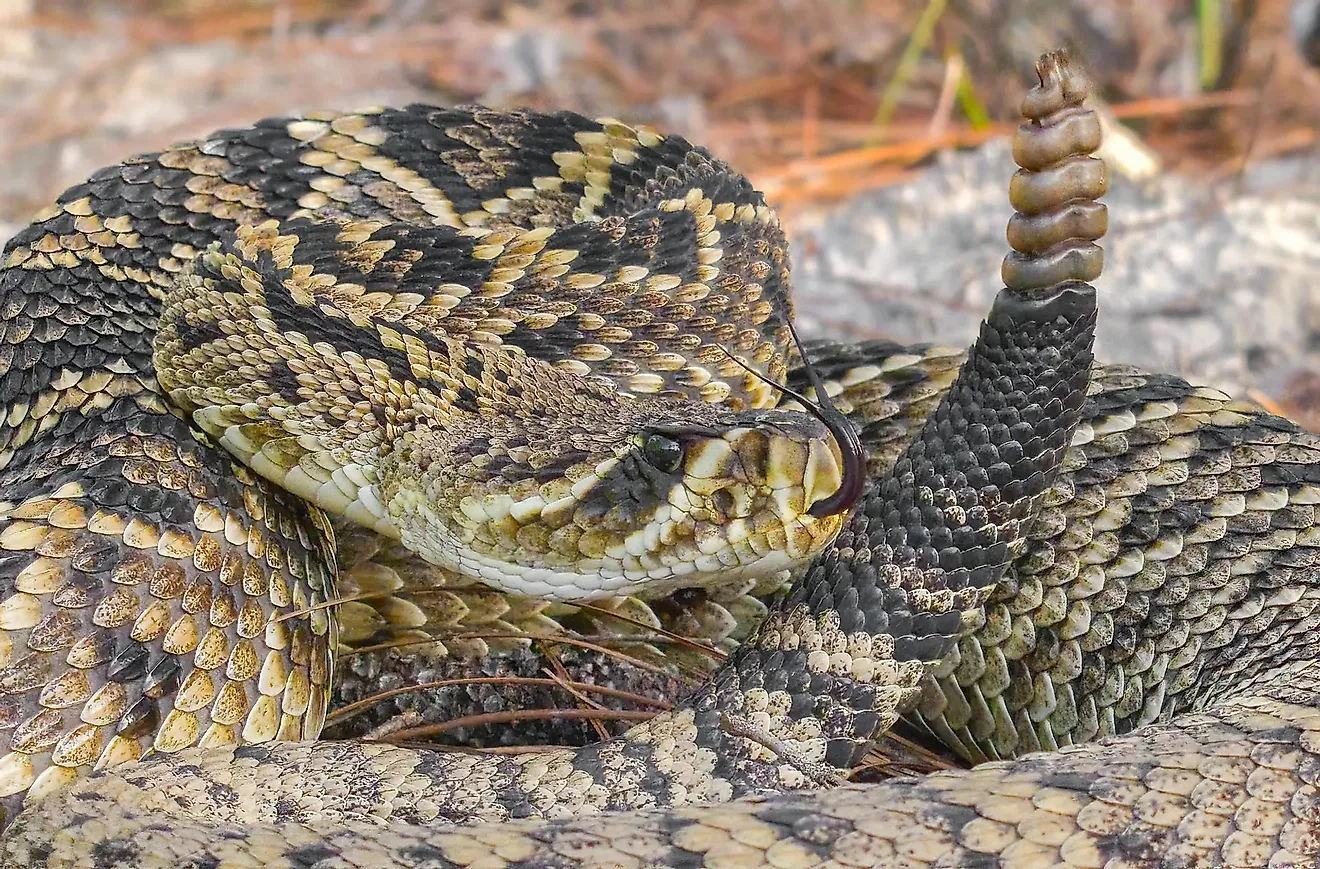
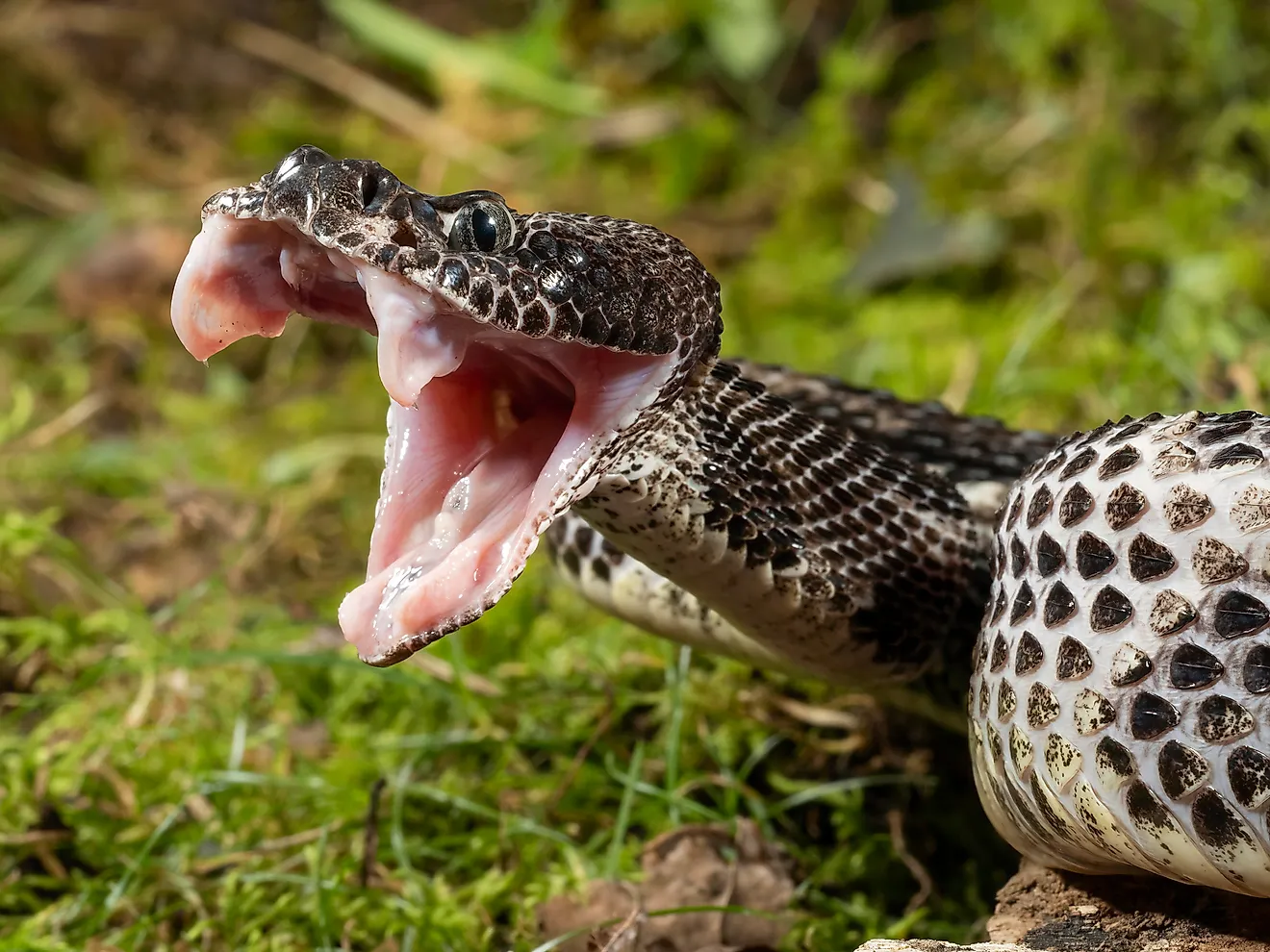
Swamp wildlife has also become central to Florida's cultural identity. Airboat tours, alligator attractions, fishing trips, bird-watching, and wildlife photography have helped make the Everglades one of Florida's best-known natural destinations. Everglades National Park recorded 810,189 visitors in 2023 and 741,983 in 2024, down from a pre-pandemic peak of 1.12 million in 2019, per NPS visitor statistics. Park-related visitor spending in 2023 was approximately $120.65 million. Wider Florida wetlands, parks, preserves, and wildlife attractions draw millions of additional visitors each year. That popularity brings economic and educational benefits but also creates environmental pressures and safety concerns when visitors disturb habitats, feed wildlife, leave designated areas, or crowd sensitive ecosystems. Alligator encounters occasionally occur when visitors feed wildlife, ignore warning signs, or swim in unsafe areas. Venomous snakes such as cottonmouths and eastern diamondback rattlesnakes also inhabit many swamp environments.

Two of the most popular visitor areas inside Everglades National Park are the Anhinga Trail and Shark Valley. Both allow visitors to experience the wildlife and landscapes of South Florida while also illustrating the importance of conservation efforts in the region.
The Anhinga Trail is one of the park's most popular walking paths. The 0.8-mile loop, departing from the Royal Palm Visitor Center, combines a paved walkway with an elevated boardwalk over Taylor Slough, a freshwater sawgrass marsh filled with alligators, turtles, and birds, including the anhinga that gives the trail its name. The trail is one of the premier wetland viewing trails in the National Park system. Shark Valley, the park's central entrance, is known for its 15-mile paved loop with an observation tower at the halfway point. Visitors can bike, walk, or ride a tram along the loop while viewing wildlife in the "River of Grass."
Modern Threats Facing Florida's Wetlands

Despite public perception, wildlife attacks remain relatively rare. Most dangerous encounters happen because humans disrupt natural animal behavior. The National Park Service advises visitors to maintain distance from wildlife, avoid feeding animals, and remain on designated trails.
The greatest modern threat to Florida swamp biodiversity is climate change. Rising sea levels increasingly push saltwater into freshwater wetlands, altering vegetation and threatening species adapted to low-salinity environments. Scientists studying the Everglades warn that saltwater intrusion could permanently reshape large sections of South Florida wetlands during the coming decades. Roseate spoonbills, which once nested heavily in Florida Bay mangrove rookeries, have largely abandoned the bay as salinity has increased.

Water demand is a related pressure. Florida's population is projected to grow from about 22 million today to roughly 33 million by 2070, increasing competition for limited freshwater. The Floridan aquifer system, the primary drinking-water source for almost 10 million people across Florida and parts of Georgia, Alabama, and South Carolina per the USGS, is being drawn down faster than rainfall replenishes it in many areas. Industrial users, including water-cooled data centers that can consume hundreds of thousands to millions of gallons per day at the largest facilities, are an emerging additional source of demand on water systems connected to the Everglades restoration area.
Conservation efforts in the Everglades focus on restoring natural water flow and protecting endangered species. According to the National Park Service, Everglades National Park is home to 36 species federally listed as threatened or endangered under the Endangered Species Act, including 8 plants, 7 invertebrates, 2 fish, 8 reptiles, 10 birds, and 4 mammals. Two of these (the Cape Sable seaside sparrow and the Florida leafwing butterfly) occur only within the park and the immediately adjacent lands. The Comprehensive Everglades Restoration Plan, authorized by Congress in 2000, is one of the largest ecosystem restoration efforts in the world and is designed to improve the quantity, quality, timing, and distribution of water across the South Florida ecosystem. UF/IFAS reports that Florida wetlands provide habitat for many species, up to 45% of which are rare or endangered statewide.
Why Swamp Biodiversity Is More Resilient Than It Looks
Resilience is one reason Florida swamps support biodiversity in ways many people do not associate with wetlands. Some wetland habitats can recover from periodic disturbances such as flooding, fire, and storms, although recovery depends heavily on water quality, hydrology, salinity, and human impacts. Hurricanes may damage wetlands temporarily, but floodwaters can also redistribute nutrients and create new habitats. Fires clear vegetation and encourage regrowth. Seasonal changes prevent ecological stagnation and help sustain long-term biodiversity.
The comparison with rainforests is instructive. Rainforests can appear richer at first glance because their biodiversity is visible in towering trees, dense canopies, and abundant wildlife. Florida swamps are different. Much of their biodiversity sits hidden in shallow water, mud, mangrove roots, sawgrass marshes, tree islands, and seasonal pools. Their richness comes not just from the number of species present, but from the constant interaction of water, habitat complexity, nutrient cycling, climate variation, and evolutionary adaptation.