The Most Snake Infested Lakes in Maine
Maine is one of just three US states with no venomous snakes, alongside Alaska and Hawaii, but that does not mean it has no snakes at all. The state is home to nine native species, none of them dangerous to people. A tenth, the timber rattlesnake, once lived in southern Maine but was hunted out by the mid-1800s and is now considered extirpated. Maine's snakes are long-established, not recent arrivals, and several of them live in and around water.
The species most likely to turn up along a shoreline are the semi-aquatic ones. The common garter snake (Thamnophis sirtalis) is Maine's most widespread snake, found statewide. The eastern ribbon snake (Thamnophis sauritus), a slimmer relative listed as a species of Special Concern in Maine, keeps to the southern and central parts of the state. And the northern water snake (Nerodia sipedon), the only true water snake in Maine and one of its largest, lives in the state's southern half. The lakes and rivers below give all three what they need: amphibians, small fish, and insects to hunt, and sunny banks to bask on.
Androscoggin Lake

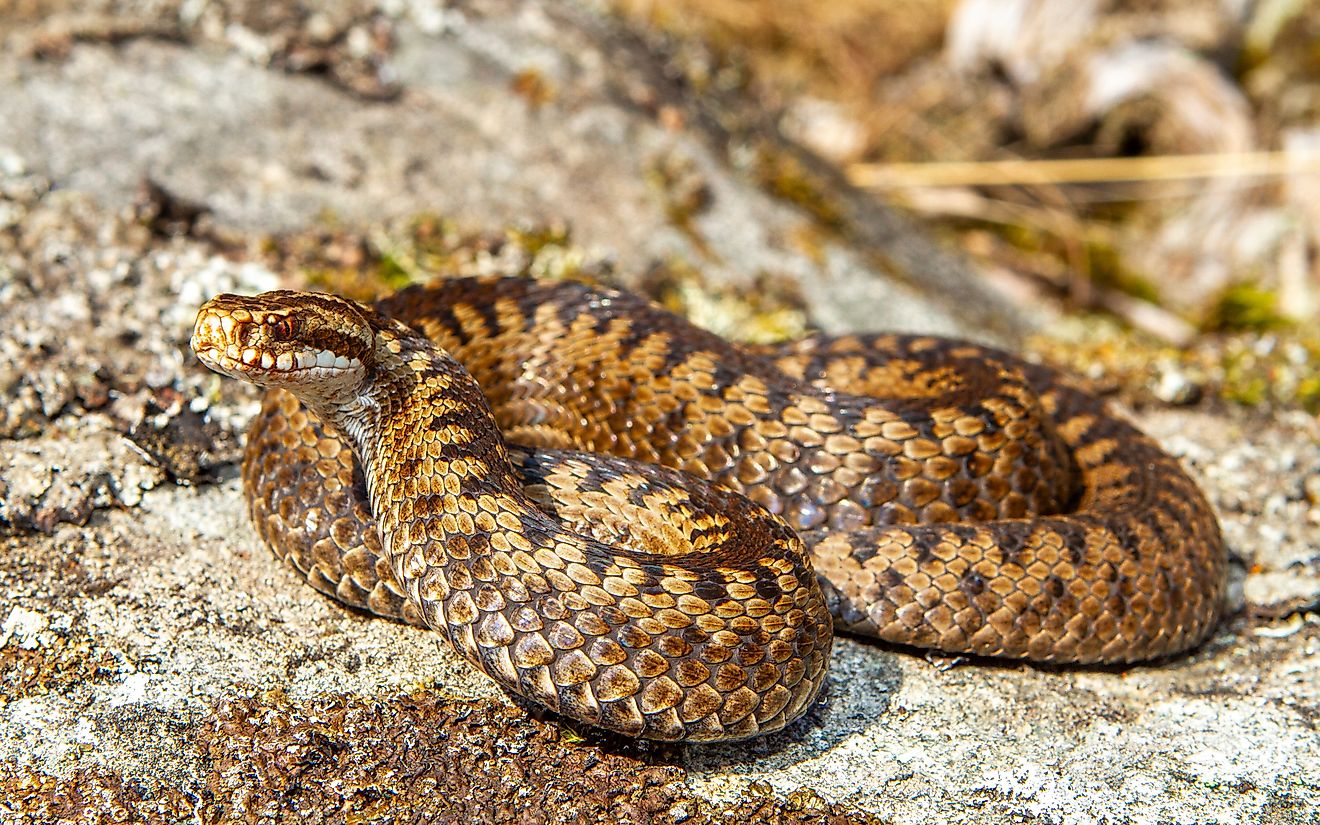
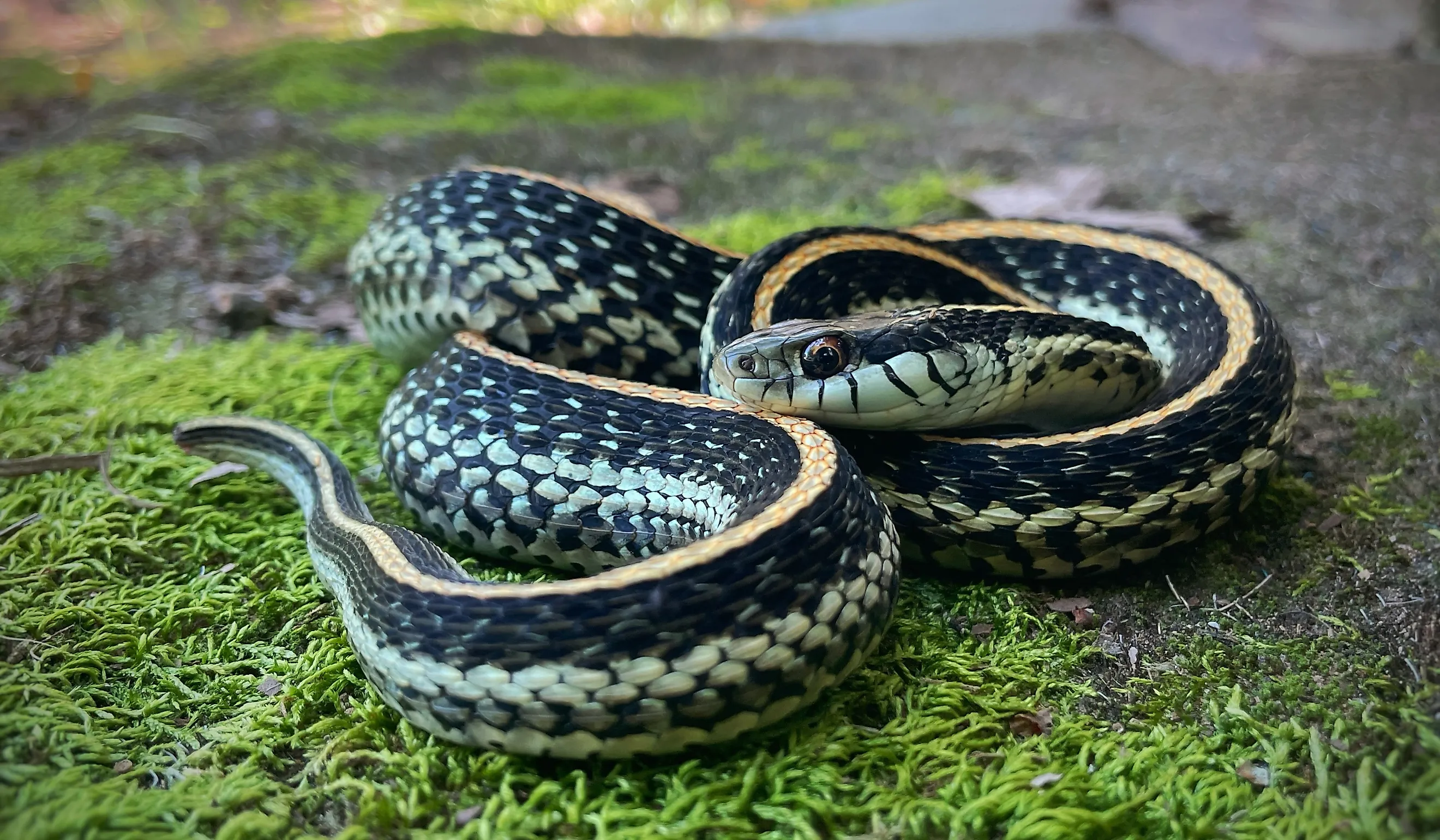
Androscoggin Lake, a roughly 3,800-acre lake near Leeds and Wayne in central Maine, mixes open water with marshy, vegetated shallows, exactly the edge habitat the northern water snake favors. This is the species shown above: Maine's only true water snake and one of the largest snakes in the state, dark-bodied and a strong swimmer that is easily mistaken for something more dangerous than it is.
The northern water snake ranges across much of the eastern United States and reaches its northern limit in Maine, where it lives mainly in the southern and central parts of the state. It is common and not threatened, and it hunts amphibians, small fish, and other prey in the shallows. For all its bulk, it is non-venomous and will retreat from people given the chance.
Sebago Lake

Sebago is Maine's second-largest lake and its deepest, covering about 45 square miles and anchoring Sebago Lake State Park. Documented snake sightings here are not common, but the lake's size and its marshy, vegetated edges give the state's semi-aquatic species room to live along the quieter stretches of shoreline.

The eastern ribbon snake is one of the species found in this area. Slender and a capable swimmer, it keeps to wetland edges near ponds, marshes, and lakes, feeding mostly on amphibians and small fish. Sebago's mix of shallows and shoreline cover suits that lifestyle well.
West Grand Lake

The common garter snake uses a wide range of habitats, including forested uplands, brushy fields, meadows, and rock outcrops, as well as wetter ground along streams, bogs, and marshes. West Grand Lake's varied shoreline offers all of these, plus the sunny rocks and logs these snakes need to bask.
Like all snakes, garter snakes are cold-blooded and rely on outside warmth to stay active, so a lakeshore lined with sun-warmed rocks and deadfall is close to ideal. Basking matters most on cool mornings and in the shoulder seasons, when a snake has to soak up heat before it can hunt.
Great Pond

Great Pond is the largest of the Belgrade Lakes, covering about 8,533 acres near the towns of Belgrade and Rome. Its shallow, marshy margins provide cover and a steady supply of small aquatic prey, and its sunny, sheltered edges make good basking ground for the eastern ribbon snake.
Ribbon snakes feed on amphibians, small fish, and invertebrates, all plentiful around the pond's edges. They favor places with heavy cover, the tall grasses, cattails, and shrubs that line much of Great Pond's shore, which give them room to hide, hunt, and warm up in the sun.
Union River

The Union River runs through Hancock County and the city of Ellsworth before reaching the sea at Union River Bay, passing forests, wetlands, and marshy fields along the way. The Upper Union River is one of the places where the eastern ribbon snake turns up, the same Special Concern species found farther south. It favors bogs, shrub swamps, wooded wetlands, wet meadows, and the edges of streams, ponds, and lakes, where amphibians are abundant and thick vegetation offers cover.
Most of Maine's ribbon snakes live in the southern and south-central parts of the state, which makes a population this far Down East worth noting. The snake's reliance on both wetland and adjoining upland leaves it vulnerable, since the buffers around smaller wetlands are not always well protected.
Flagstaff Lake

Flagstaff Lake, Maine's fourth-largest, is a man-made body of water. When the Long Falls Dam was built across the Dead River in 1950, the rising water flooded the valley and the villages of Flagstaff, Dead River, and Bigelow, which still sit submerged beneath it. The lake is broad but very shallow, reaching only about 48 feet at its deepest, and it lies north of the Bigelow Range with a mostly undeveloped shoreline. Its water runs too warm for coldwater gamefish, though the many tributaries make good spawning and nursery habitat for salmon and trout.
Snake records on the lake itself are patchy, but the surrounding mix of wetland, forest, and grassy ground supports the usual local species. Garter snakes in particular show up along the trails hikers use around the lake, which is about what the habitat would lead you to expect.
The snakes you might meet at any of these waters, the eastern ribbon snake, common garter snake, and northern water snake, are shy and tend to avoid people. They earn their place by keeping insects, amphibians, and small rodents in check, part of what keeps these lakeshore and wetland systems in balance.
Snakes are scarce across Maine's lakes and rivers, so an encounter is unlikely, but it is still worth staying aware on the water and on shore. Keep to marked trails, leave wildlife undisturbed, and give any snake room to move off on its own. Treated with that kind of respect, the state's snakes are simply one more part of the wildlife worth watching on a day by the water.