The Most Snake Infested Lakes in Maryland
Maryland’s postcard lakes hide a second shoreline just below the surface, one made of scales, coils, and watchful eyes.
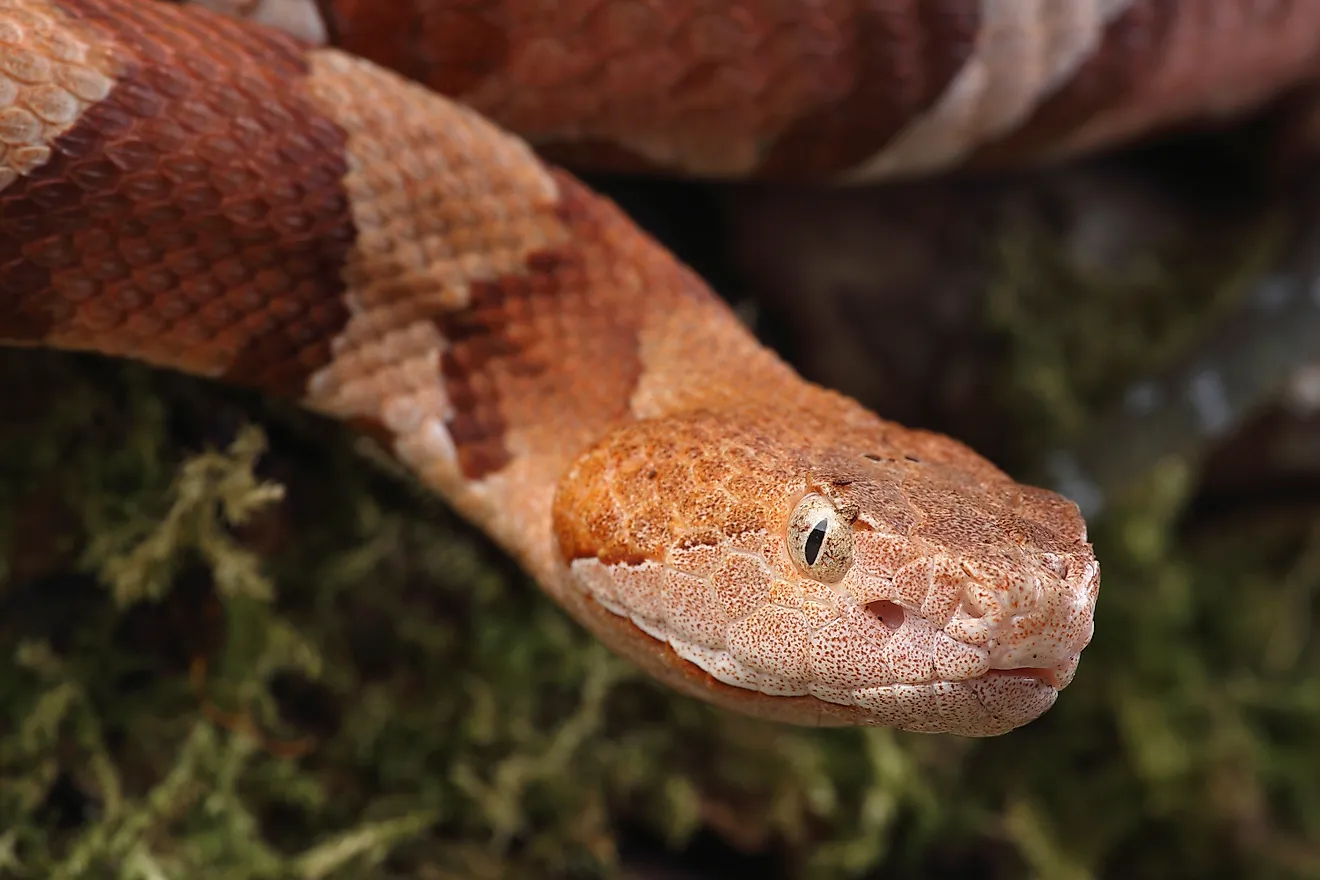
Wherever fish school, frogs chorus, and mice rustle the cattails, snakes concentrate in surprising numbers. Northern water snakes cruise fishing piers, rat snakes patrol picnic areas, and in a few pockets, copperheads and timber rattlesnakes share the same coves that host kayaks and swimming families. These “snake-infested” lakes are less horror-movie scenes than signs of healthy food webs, yet they also reveal where a careless step or curious dog is most likely to meet fangs.
Deep Creek Lake

Maryland's largest freshwater lake, Deep Creek Lake, is a recreation hub and one of the most popular attractions in Garrett County. This great lake straddles 3,900 acres and boasts a 69-mile shoreline, presenting the ultimate playground for lake-goers after various fun aquatic activities. The lake offers the ideal habitat for a broad selection of small animals, amphibians, and birds, abundant prey for the area's thriving snake population. Also, the wet and warm conditions are ideal for species like the northern water snake, which can grow up to 5 feet and features a brown to reddish color with dark crossbands along the neck.
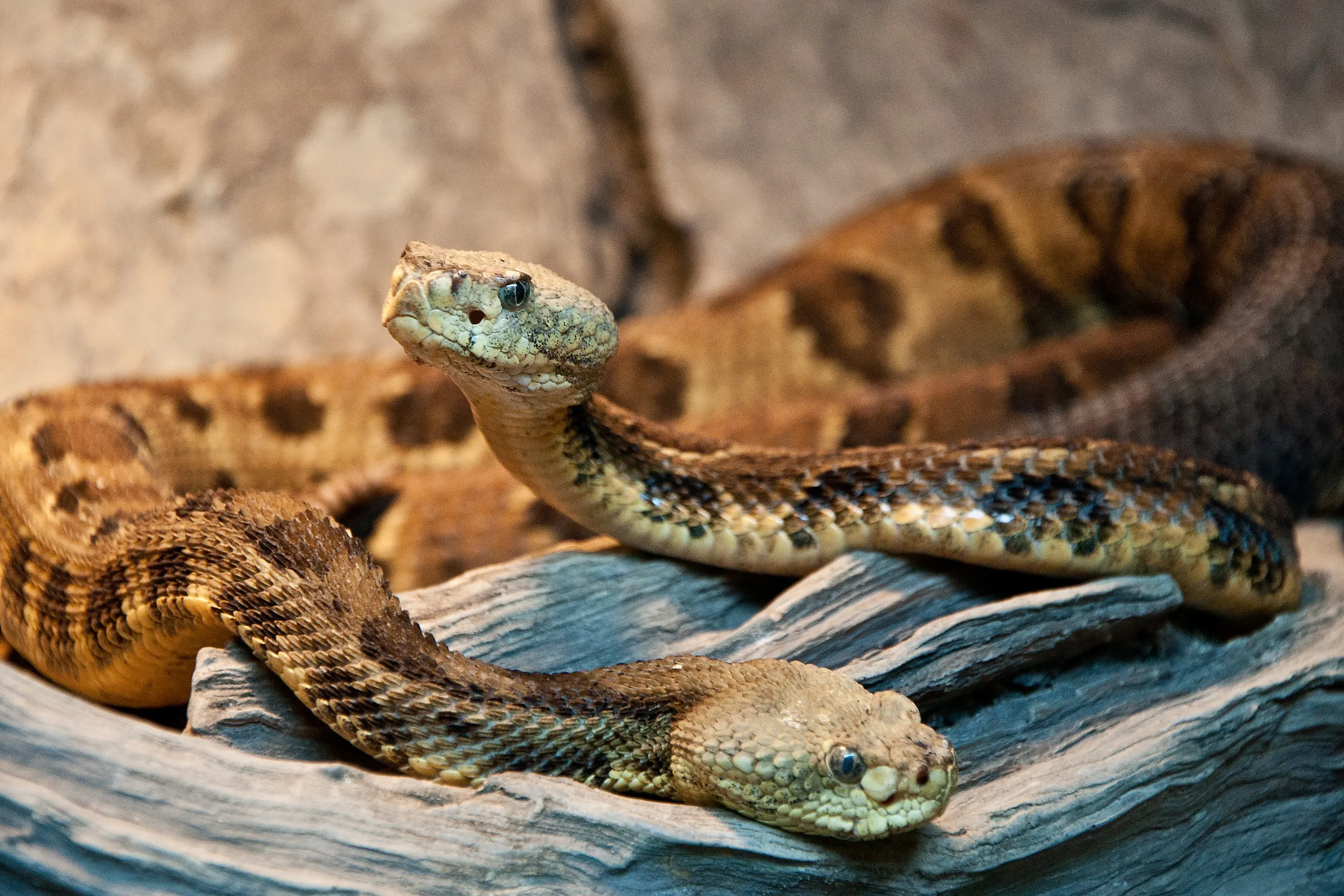
Luckily, most snake species are non-venomous, like the northern water snake, and pose little harm to humans. Nevertheless, tourists should be wary of the timber rattlesnake, a native of Maryland packing a venomous bite that can kill a person. It has a short but stout body and can be distinguished by its diamond-shaped body.
Centennial Lake

Centennial Lake is a 54-acre reservoir in Howard County surrounded by the expansive Centennial Park. The area attracts many visitors looking to enjoy water sports and other recreational activities. This vast freshwater habitat provides an ideal home for various wildlife, including an abundance of small prey for snakes to thrive on. Northern water snakes are commonly sighted in the area, known for their thick bodies and ability to swallow larger prey due to their elastic ligament. Another resident of the area is the eastern worm snake, a small snake with smooth and glossy brown skin.
While most species are non-venomous and not dangerous to humans, tourists should still use caution when exploring areas near the lake shoreline or hiking trails. Accidental encounters may occur as snakes venture closer to defend their territory.
Lake Elkhorn

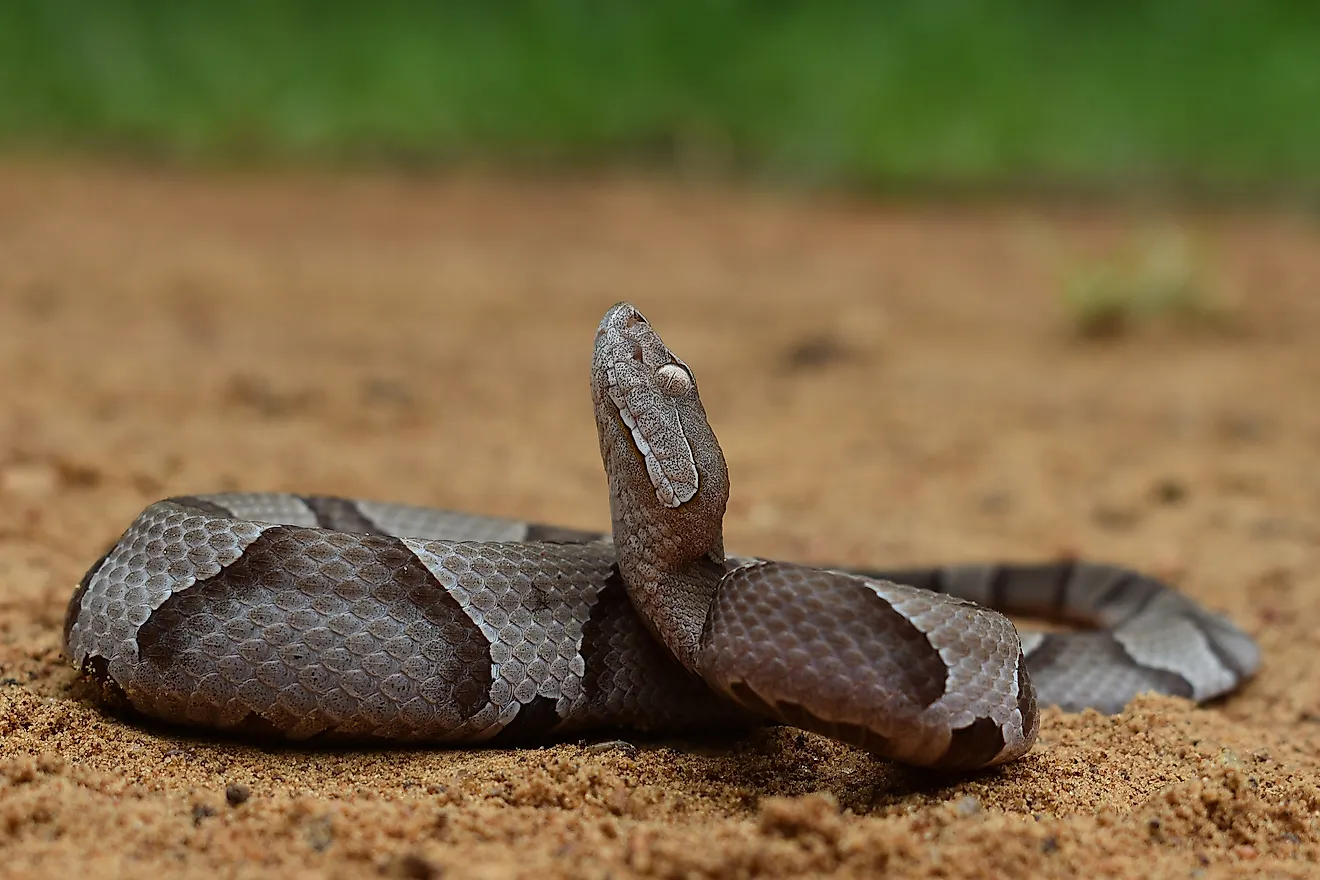
Lake Elkhorn in Howard County covers 37 acres and is Columbia's third-largest lake. It is a popular recreation spot for swimming, fishing, and boating. The lake’s lush surroundings offer an ideal habitat for a thriving wildlife population, serving as an abundant feeding ground for snakes. Common species found in the wetland areas and forests around the lake include the eastern garter snake, which is medium-sized in a range of colors distinguished by a white stripe along the back. While the garter snake is nonvenomous, some tourists have reported sightings of the copperhead, a venomous species in the pit viper family with sharp fangs.
Accidental encounters with snakes are possible when foraging near the shoreline or in thick brush. While not typically aggressive, copperheads may feel threatened if disturbed and could act defensively. Visitors are advised to give them a wide berth if seen and keep pets leashed to safely enjoy Lake Elkhorn while avoiding disruptions to its delicate natural balance.
Lake Needwood

One of the most snake-infested lakes in Maryland, Lake Needwood is a 75-acre reservoir in Montgomery County resulting from the construction of a dam across Rock Creek. Surrounding the lake is a dense deciduous woodland with overgrown meadows that provide a habitat for various shorebirds. Add small mammals, reptiles, and amphibians, and you have a full-course buffet for the different snakes inhabiting the wetland. The major species include the Eastern milksnake, a small, attractive snake with red blotches on shiny scales. Luckily, this constrictor snake is nonvenomous.
Lake Needwood attracts many recreation enthusiasts who want to enjoy aquatic activities, including swimming, boating, and kayaking. It also offers shoreline trails and secluded picnic areas, making snake-human encounters inevitable. The best course of action is to steer clear of the snakes when you run into one.
Lake Artemesia

This man-made lake in Prince George's County spans 38 acres and forms part of the Lake Artemesia Natural Area. It is a popular recreation hub, offering an aquatic garden, biking and hiking trails, and an aquatic garden. This brings hundreds of daily visitors from College Park and Berwyn Heights around the year. Thanks to the many fish, birds, and amphibians in the area, snakes have enough food to thrive around Lake Artemesia, so tourists are constantly running into them. These can range from the Eastern rat snake, distinguished by their shiny black body with a white chin, to the Eastern hognose snake, which has a stout body and variable color range with a conspicuous upturned snout.
Both of these snakes are non-venomous, but the latter can be aggressive in defending its territory. They play an important role in keeping rodent populations in check. Respecting snake space helps humans and snakes coexist safely around the lake.
Lake Habeeb

Covering a vast 243-acre territory within Rocky Gap State Park's wilderness, Lake Habeeb hosts a variety of habitats featuring aquatic vegetation, boulders, and woody debris. This great lake is a bustling fishing hub with plenty of fish species, including largemouth bass, yellow perch, and bluegill. Thousands of tourists gather here around the year to engage in different water-based adventures, from boating and angling to picnicking. However, Lake Habeeb is also an ideal sanctuary for snakes that feed on the numerous small fish in the water.
From the common garter snake to the northern ringneck snake, most of the species found in and around Lake Habeeb play vital ecological roles and pose little danger to humans.
Prettyboy Reservoir

Spanning a whopping 1,500 acres on the northern side of Baltimore County, Prettyboy Reservoir is a popular stop for recreational fishing with a thriving population of smallmouth bass, perch, crappie, and other species. The surrounding park area provides habitat to several wildlife species, including white-tailed deer, rabbits, squirrels, and songbirds.
In addition, the Northern water snake is a familiar resident of Prettyboy Reservoir, feeding on fish and frogs. The reservoir is also home to the copperhead and timber rattlesnake, both packing a venomous bite.
Clopper Lake

This valuable natural feature in Montgomery County is situated within the expansive Seneca Creek State Park. Clopper Lake contains extensive aquatic vegetation and sustains a vibrant fish community predominantly composed of smallmouth bass. Additionally, other species such as crappie, carp, and sunfish are present. These fish constitute a significant portion of the diet for numerous snakes inhabiting the vicinity of the lake, including the northern water snake. While these non-venomous snakes pose minimal threat to humans, Montgomery County also hosts venomous snake species such as copperheads and timber rattlesnakes. Consequently, encounters with these venomous snakes around Clopper Lake are not uncommon.
The lakes in Maryland infested with snakes offer valuable insights into the rich diversity of serpent species sustained by the state. Ranging from the northern water snakes, which are perfectly adapted to aquatic environments, to the eastern worm snakes inhabiting moist woodlands, each species contributes significantly to maintaining ecological equilibrium. Although snakes may approach recreational areas in search of prey or shelter, the majority are harmless due to their non-venomous classification. Maryland is home to only two venomous snakes of medical importance: copperheads and timber rattlesnakes. By respecting their habitat and maintaining a safe distance, humans can visit and appreciate these often misunderstood reptiles responsibly and safely.