What Would Happen if the Sun Disappeared?
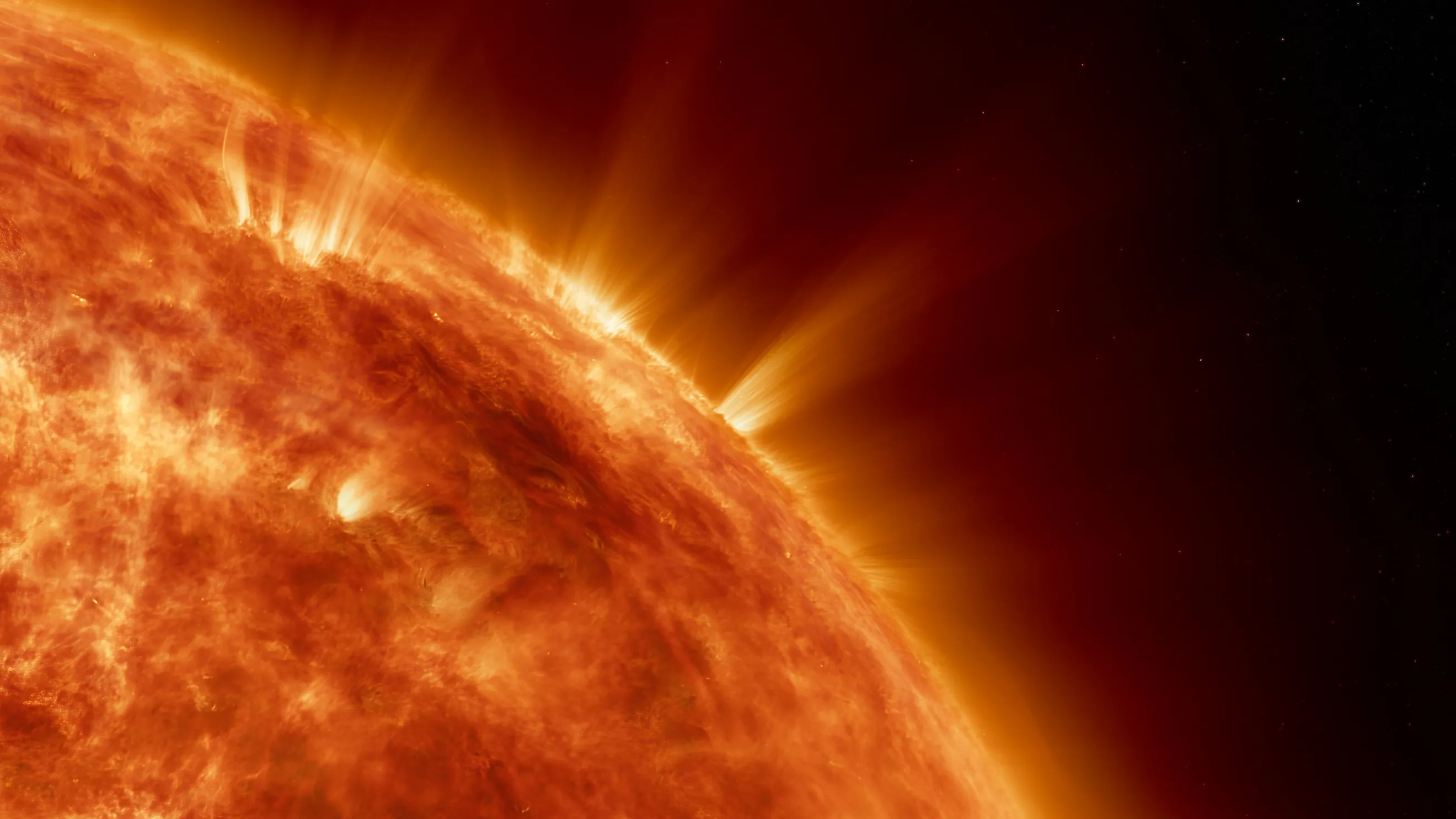
Every sunset you have ever watched left the Sun eight minutes earlier. That delay is the strange heart of a favorite thought experiment. Physicists like to ask what would follow if the Sun simply blinked out. The Sun carries about 99.8% of all the mass in the solar system. Remove it and Earth loses both its light and the gravity that keeps it in orbit. The ending arrives in stages that are worth walking through one at a time.
Nothing Would Change for Eight Minutes

For the first eight minutes and 20 seconds, you would notice nothing at all. Sunlight crosses roughly 150 million kilometers (93 million miles) to reach Earth, and it travels at a fixed speed. The last light the Sun ever emitted would keep arriving during that window, so the sky would stay ordinary. Gravity turns out to matter here too. A change in the Sun's gravity spreads at the speed of light, so Earth would keep tracing its usual orbit for exactly the same eight minutes and 20 seconds. During that stretch, the planet would circle a Sun that was already gone. Then, in a single instant, the last sunlight and the loss of gravity would reach us together.
Earth Would Fly Off in a Straight Line

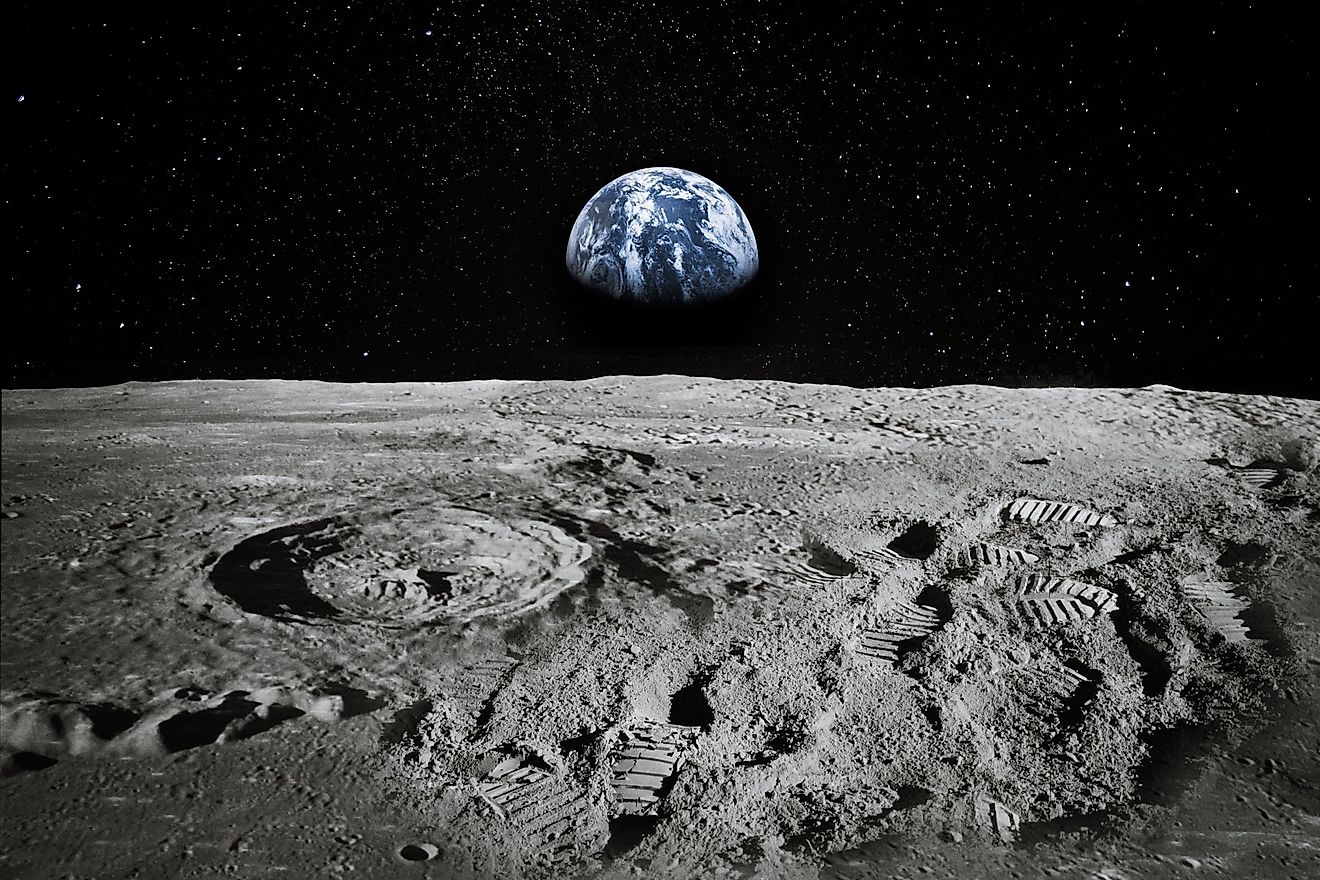
Earth already moves at about 30 kilometers (19 miles) per second along its curved path around the Sun. The Sun's gravity is what bends that path into an orbit. Without it, Earth keeps the same speed but stops curving. The planet would head off in a straight line, along whatever direction it happened to be traveling at the moment the gravity vanished. Nobody would feel a jolt. There would be no earthquake and nothing flung across the room, because the whole planet would coast together at the same velocity. The Moon would stay with Earth, since the gravity between them would not change. Each of the other planets would set off on its own straight line in the same way.
The Surface Would Freeze

Darkness would not mean an instant deep freeze. Rocks, oceans, and the atmosphere hold an enormous amount of heat, and they release it slowly. Surface temperatures would fall below 0 degrees Fahrenheit within about a week. Within a year they would sink toward minus 100 degrees Fahrenheit. Photosynthesis would stop almost at once, and the base of nearly every surface food chain would collapse with it. The oceans would freeze from the top down, and a thick crust of ice would eventually trap liquid water underneath for a long time. Given enough time, the air itself would grow cold enough for its gases to condense and fall as a kind of snow.
Some Life Would Hold On

Life on the surface would not last, but life underground might. Deep below the seafloor and inside the Earth's crust, whole communities of microbes already live without any sunlight. They draw their energy from chemical reactions and from the planet's internal heat rather than from the Sun. That heat comes from radioactive decay and leftover warmth from Earth's formation, and it would persist for a very long time. These deep microbes make up a large share of all life on Earth by mass. They would likely outlast every plant, animal, and person on the frozen surface above them.
Why the Sun Is Not Going Anywhere
This whole scenario stays firmly in the realm of the impossible. Matter and energy do not simply vanish, so a Sun that blinks out of existence breaks the most basic laws of physics. The real Sun will keep shining steadily for billions of years before it swells into a red giant near the end of its life. The value of the thought experiment is the physics it teaches on the way. It shows that light and gravity both travel at a finite speed. It shows how much of ordinary life on Earth rests on a single star 150 million kilometers away.